The hamsa is everywhere right now—on jewelry, wall art, clothing, even tattoos. But behind this trending symbol lies a rich tapestry of meaning that spans religions, cultures, and centuries. If you’ve ever wondered what the hamsa really stands for, whether it’s okay for you to wear it, or how to style it in a meaningful way, this guide breaks it all down clearly.
What Is the Hamsa?
The hamsa is a palm-shaped symbol, usually depicted as an open right hand with an eye in the center. It often has five distinct fingers and can appear either symmetrical (with the middle finger in the center and rings/pinkies mirroring) or shaped like a more natural hand.
You’ll also see it called:
- Hand of Fatima (in Islamic cultures)
- Hand of Miriam (in Jewish tradition)
- Hand of Mary (in some Christian interpretations)
While the names change, the core idea remains surprisingly consistent: protection, blessing, and guidance.
Origins and History of the Hamsa
The history of the hamsa is long and layered, stretching back thousands of years.
Pre-Abrahamic Roots
Many historians trace hamsa-like symbols back to ancient Mesopotamia and Carthage, where an open palm was associated with protection and feminine divine energy. Some connect it to Tanit, a Punic goddess of fertility and protection.
Jewish Tradition: The Hand of Miriam
In Judaism, the hamsa is associated with:
- Miriam, sister of Moses and Aaron, symbolizing protection and leadership
- The number five (hamesh in Hebrew), linked to the Five Books of the Torah
- God’s protective hand over the people of Israel
It’s widely used as an amulet against the evil eye and as a blessing over the home.
Islamic Tradition: The Hand of Fatima
In Islam, the symbol is called the Hand of Fatima, referencing Fatima Zahra, daughter of the Prophet Muhammad. It can represent:
- Faith, patience, and resilience
- The Five Pillars of Islam
- Protection from envy and harm
It is sometimes worn or displayed for spiritual protection and as a reminder of devotion.
Cross-Cultural Adoption
Today, the hamsa appears across:
- Middle Eastern and North African communities
- Jewish and Muslim households worldwide
- Western fashion and decor, often as a general “good luck” or “spiritual” symbol
Its endurance across faiths and cultures highlights its universal appeal as a sign of hope and protection (source: Encyclopaedia Britannica – amulets).
What the Hamsa Symbol Really Means
While meanings vary slightly by tradition, most interpretations of the hamsa converge around a few core ideas.
1. Protection from the Evil Eye
The eye inside the palm is perhaps the most recognized feature. It’s tied to the concept of the evil eye—harm or misfortune caused by jealousy, envy, or ill will.
- The open hand “blocks” negative energy.
- The central eye “watches” and reflects harm away.
In this way, the hamsa functions as a spiritual shield.
2. Blessing and Good Fortune
Beyond protection, the hamsa is considered a channel of blessing:
- Attracting good luck and prosperity
- Inviting health and well-being
- Encouraging a peaceful, harmonious environment
Many people hang a hamsa in entryways to symbolically “bless” everyone who enters.
3. Spiritual Awareness and Guidance
The ever-watchful eye also suggests:
- Awareness: staying mindful of thoughts, actions, and surroundings
- Guidance: trusting in a higher power or inner wisdom
- Clarity: seeing through illusions or negativity
Wearing a hamsa can be a personal reminder to stay centered and spiritually awake.
4. Feminine Energy and Nurturing
Given its historical links to goddesses and notable women of faith, the hamsa often carries a feminine, protective energy:
- Nurturing, motherly care
- Fertility and creativity
- Emotional protection and support
It can represent the “protective mother” archetype—whether divine, ancestral, or symbolic.
Meaning of Hamsa Orientation: Up vs. Down
You’ll often hear conflicting explanations about whether a hamsa should face up or down. Historically, both orientations are used, and meanings can overlap, but these general interpretations are common:
-
Hamsa Hand Facing Up (Fingers Pointing Up)
- Stronger focus on protection
- Warding off the evil eye, jealousy, and negativity
- A “stop” gesture to harmful energy
-
Hamsa Hand Facing Down (Fingers Pointing Down)
- Emphasis on blessings and abundance
- Attracting love, prosperity, and good fortune
- Channeling spiritual energy down into your life and space
Most modern wearers choose based on preference, but you can align orientation with your intention.
Common Hamsa Designs and Their Symbolism
Not all hamsas look the same. Specific details can add layers of meaning.
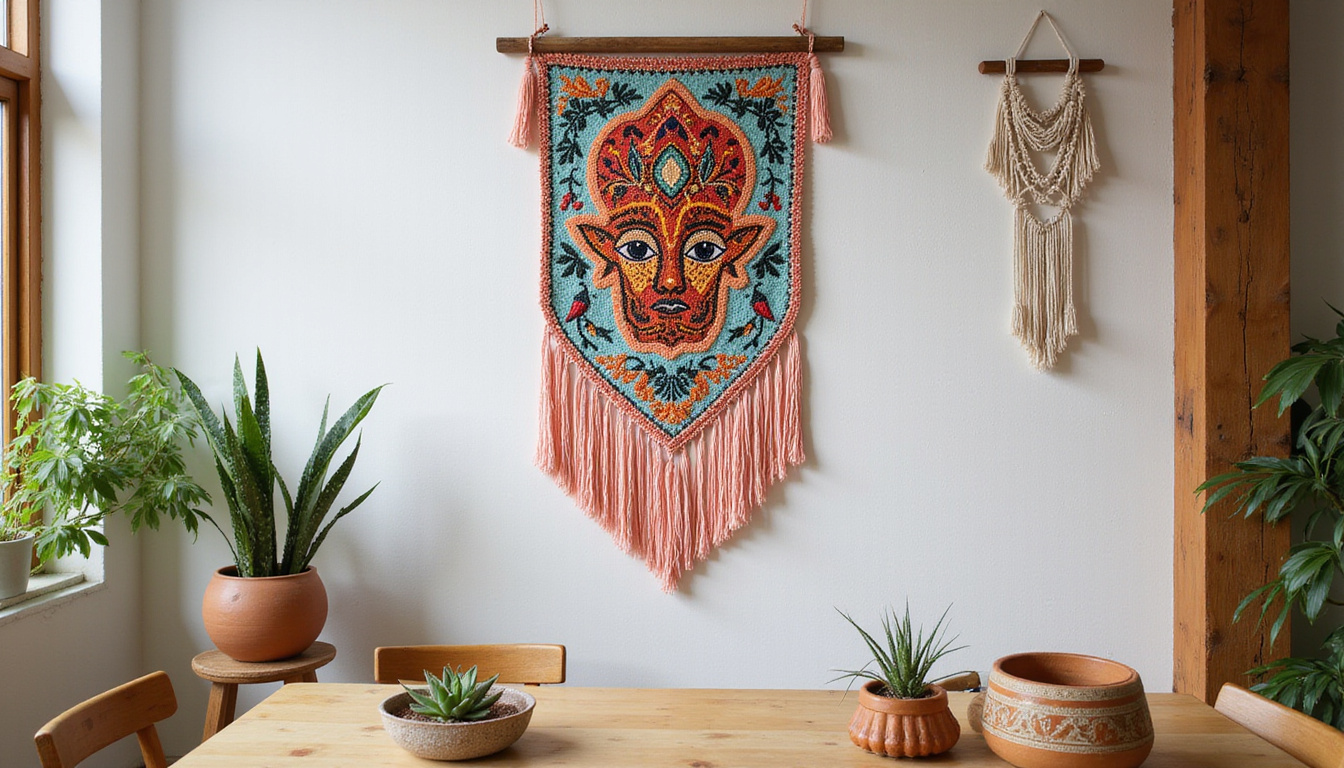
The Evil Eye Inside the Palm
A hamsa with a distinct blue or black evil eye is especially focused on protection from envy and malice. Blue is traditionally linked to spiritual protection and calm energy.
Hamsa with Fish, Doves, or Pomegranates
- Fish: Prosperity, abundance, protection from the evil eye (fish are thought to be “hidden” under water and safe from harm).
- Doves or Birds: Peace, spiritual freedom, messages from the divine.
- Pomegranates: Fertility, abundance, good fortune, and in some traditions, the commandments or divine wisdom.
Hamsa with Hebrew or Arabic Inscriptions
You may see sacred words like:
- Hebrew: “Chai” (life), “Shalom” (peace), or verses from Psalms
- Arabic: “Allah”, “Bismillah” (“In the name of God”), or other invocations
These emphasize the religious aspect for the wearer and deepen the spiritual charge of the amulet.
Is It Culturally Appropriate to Wear a Hamsa?
Using the hamsa respectfully is crucial, especially if you’re not from a culture that traditionally uses it.
Consider:
- Do you understand at least the basic meaning? Wearing it only as a “cute aesthetic” without any awareness can feel dismissive to some.
- Are you mocking or sexualizing it? Avoid designs that trivialize religious aspects or combine it with offensive text or imagery.
- Can you acknowledge its roots? If someone asks, be able to say, “It’s a hamsa, a Middle Eastern symbol of protection and blessing.”
Most people from Jewish or Muslim backgrounds are comfortable with others adopting the hamsa as long as it’s done with understanding and respect, not as a trend stripped of meaning.
How to Use the Hamsa in Daily Life
There’s no single “correct” way to use the hamsa, but intention matters. Here are popular approaches:
1. Hamsa Jewelry
Jewelry is the most common way people connect with the symbol.
- Necklaces – Close to your heart; ideal for general protection and daily blessing.
- Bracelets – Often used as “everyday” protection; the movement of your hand is a reminder of mindful action.
- Earrings – Symbolic of listening with wisdom; a subtle nod to spiritual awareness.
- Rings – Personal commitment to your spiritual path or values.
You can silently dedicate your piece when you first wear it:
“May this hamsa protect me from harm and keep my thoughts and actions aligned with love and clarity.”
2. Hamsa Home Decor
For your space, popular placements include:
- Above the front door – Protection and blessing for everyone entering or leaving.
- Near windows – To “filter” negative energy from outside.
- Hallway or living room – To center the home with peace, luck, and prosperity.
Some people choose a hamsa with soft, muted tones for a calm, spiritual feel; others prefer vibrant colors to energize the space.
3. Hamsa Tattoos
A hamsa tattoo is a long-term, deeply personal commitment. Be sure to:
- Study the cultural and religious context.
- Decide what it represents for you (protection, faith, spiritual growth, remembrance).
- Choose placement that feels meaningful—common spots include the forearm, back of the neck, upper back, or ribcage.
Where possible, talk to people from relevant cultures or faiths about your design.
Styling Tips: How to Wear the Hamsa with Intention
You don’t have to be religious to style the hamsa thoughtfully. Use it as both an aesthetic and symbolic element.
Everyday Outfits
- Pair a delicate hamsa necklace with minimalist basics (white tee, jeans, neutral blazer) to keep focus on the symbol.
- Stack a hamsa bracelet with simple bangles or beaded bracelets for a boho look without overwhelming it.
- Use mixed metals (gold and silver) if you want your hamsa to blend seamlessly with existing jewelry.
Dressy or Formal Looks
- Opt for a smaller, high-quality metal hamsa on a fine chain.
- Keep other jewelry subtle; let the hamsa be a quiet, meaningful accent.
- A hamsa pendant with a small gemstone (e.g., turquoise, lapis, or onyx) adds a refined pop of color.
Spiritual or Yoga-Inspired Style
- Layer a hamsa with other symbolic pieces like lotus, om, or evil eye—but avoid overcrowding.
- Choose natural materials and fabrics: linen, cotton, leather cords, wood beads.
- Coordinate colors intentionally—blues and whites for protection and calm; greens and golds for growth and abundance.
Quick Styling Checklist
When styling any hamsa piece, ask:
- What do I want this to remind me of today? (Protection, presence, courage, compassion?)
- Is the rest of my outfit supporting the symbol or competing with it?
- Does my use of the hamsa feel respectful to its cultural and spiritual roots?
If those answers feel good, you’re likely on the right track.
Simple Hamsa Ritual Ideas
You can incorporate your hamsa into small, personal rituals:
- Morning Touchstone: Hold your necklace or wall hamsa for a few seconds each morning and set an intention.
- Doorway Pause: Tap the hamsa above your door lightly when leaving/entering as a brief moment of mindfulness.
- Cleansing: Periodically cleanse your hamsa (especially jewelry) by wiping it gently while reflecting on releasing old energy and inviting fresh protection.
These simple acts help keep the symbol from becoming mere decoration and anchor it into your daily life.
FAQ About the Hamsa Symbol
1. What does the hamsa hand mean spiritually?
Spiritually, the hamsa hand represents protection from negative energy, guidance from a higher power, and the flow of blessings and good fortune. The open palm “stops” harmful influences, while the central eye encourages awareness and spiritual insight.
2. Is it okay to wear a hamsa if I’m not religious?
Yes, many people wear a hamsa necklace or bracelet as a general symbol of protection, luck, or mindfulness rather than a strictly religious emblem. The key is to treat it respectfully, understand its origins, and not use it in ways that mock or trivialize its religious associations.
3. What’s the difference between a hamsa and evil eye symbol?
The hamsa is a hand-shaped symbol, often with an eye in its center. The evil eye symbol (nazar) is typically just an eye, often in blue and white. The evil eye focuses specifically on protection from envy, while the hamsa is broader—representing protection, blessings, and spiritual guidance. Many designs actually combine the two for stronger protective symbolism.
The hamsa is more than a trending icon; it’s a powerful, time-tested symbol that carries stories of protection, faith, and resilience across cultures. Whether you wear it as jewelry, display it at home, or are considering a tattoo, you now have the context to connect with it consciously and respectfully.
If you’re ready to bring this symbol into your life, start by choosing one hamsa piece—jewelry or decor—that genuinely resonates with your intentions. Let it be more than an accessory; let it be a quiet daily reminder of protection, presence, and the blessings you’re inviting in.
Cultural superstitions have shaped traditions and beliefs for generations. Explore the psychology, cultural history, and science behind these fascinating practices at SpiritualMindScience.com.