If you’ve ever fallen in love with a bright, curious goldfish at the pet store, you’re not alone. But despite their popularity, goldfish are among the most misunderstood pets in the world. The “bowl on a desk” image has led to millions of unhealthy, stunted fish with short lifespans. With a few practical care hacks, though, you can completely transform your goldfish’s health, lifespan, and even their personality.
Below are science-backed, easy-to-implement tips that can turn your goldfish from stressed and sickly into active, vibrant companions that can live for decades.
1. Upgrade from a Bowl: The Single Best Goldfish Hack
The first and most powerful goldfish care hack is simple:
Get them out of the bowl.
Goldfish are large, messy fish that produce a lot of waste. In tiny, unfiltered bowls, toxins like ammonia quickly build up, burning their gills and shortening their lives.
The right tank size
For healthy goldfish, aim for:
- Single fancy goldfish (round-bodied types like oranda, ryukin, fantail):
Minimum 20 gallons (75 L) - Each additional fancy goldfish:
+10–15 gallons (40–60 L) - Single common or comet goldfish (slim-bodied, fast swimmers):
Minimum 30–40 gallons (115–150 L), and ideally a pond as they grow - Each additional common/comet:
+20 gallons (75 L) or more, or a large pond
This space isn’t “luxury” — it’s what they need to swim normally, grow properly, and dilute their waste.
2. Master the Nitrogen Cycle: Invisible Chemistry, Massive Impact
Most goldfish problems start with poor water quality, not disease. The key concept: the nitrogen cycle.
When your goldfish eat, they produce waste. That waste turns into ammonia, which is highly toxic. Beneficial bacteria in a cycled filter convert:
- Ammonia → Nitrite (also toxic)
- Nitrite → Nitrate (less toxic, removed by water changes)
Cycling hack: Set up before the fish
If possible, set up the tank weeks before getting your goldfish and cycle it using fish food or bottled ammonia. Test the water regularly until:
- Ammonia: 0 ppm
- Nitrite: 0 ppm
- Nitrate: Under ~40 ppm (preferably under 20 ppm)
Use a liquid test kit rather than strips for accuracy. This single step prevents the “new tank syndrome” that kills many new goldfish (source: Fishkeeping World).
3. Filter Like You Mean It: Oversize for Goldfish
Goldfish are notorious waste machines, so the standard “1x tank volume per hour” filter rule doesn’t work well here.
Smart filter hacks
- Choose a filter rated for at least 2–3x your tank size.
Example: 20-gallon tank → filter rated 40–60 gallons. - Use multiple types of media:
- Mechanical (sponges, floss) to trap debris
- Biological (ceramic rings, sponge) for bacteria
- Chemical (carbon, Purigen) if needed for odors or medications
- Clean filter media in old tank water, never under tap water, to avoid killing beneficial bacteria.
- Avoid replacing all filter media at once; stagger changes so bacteria colonies survive.
A powerful, mature filter is your goldfish’s best health insurance.
4. Temperature and Oxygen: Fine-Tune the Environment
Goldfish are cold-water fish, but that doesn’t mean “any cold water is fine.” Stability matters more than perfection.
Ideal goldfish temperature range
- Fancy goldfish: 68–74°F (20–23°C)
- Common/comet goldfish: 64–72°F (18–22°C)
Keep them away from heaters set for tropical fish and from drafty windows that cause rapid temperature swings. Use a thermometer and monitor daily.
Boost oxygen with simple tricks
Goldfish thrive in well-oxygenated water. To increase oxygen:
- Use an air stone or sponge filter
- Point the filter output toward the surface to create ripples
- Avoid overstocking, which depletes oxygen
If you see your goldfish gasping near the surface, that’s often an oxygen or water-quality red flag.
5. Rethink Feeding: From “Sprinkle Flakes” to Targeted Nutrition
Overfeeding is one of the most common goldfish care mistakes. It leads to:
- Swim bladder issues
- Constipation
- Cloudy water and excess waste
Smarter feeding routine
Use this simple rule:
Feed only what they can eat in 30–60 seconds, once or twice per day.
Better yet, divide their food into two small meals rather than one big one to mimic natural grazing.
Choose goldfish-specific foods
Goldfish need more carbohydrates and less protein than many tropical fish:
- Use sinking pellets made specifically for goldfish. Floating pellets make them gulp air and can trigger buoyancy problems.
- Supplement with fresh foods:
- Blanched peas (skin removed)
- Blanched spinach, kale, or lettuce
- Blanched zucchini or cucumber slices
- Occasional bloodworms or daphnia as treats
A varied diet improves color, digestion, and overall immunity.
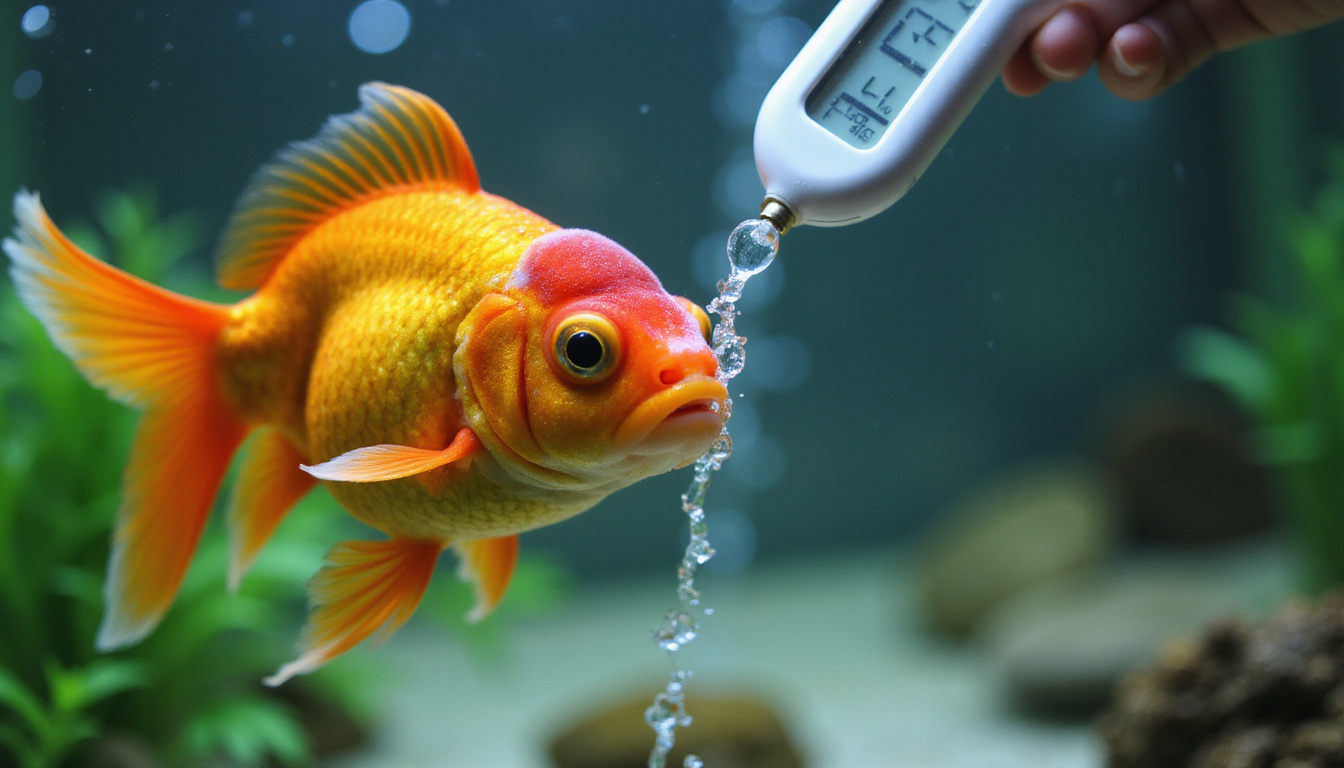
6. The Weekly Routine: Small Habits, Huge Results
Instead of occasional “big clean-ups,” build a simple weekly goldfish care routine.
Basic weekly checklist
- Test water: ammonia, nitrite, nitrate
- Change 25–40% of the water with dechlorinated tap water
- Vacuum the substrate to remove uneaten food and waste
- Wipe algae from glass if needed
- Check filter flow to ensure it’s not clogged
Consistent, moderate maintenance is far safer and less stressful than infrequent massive changes.
7. Decor and Substrate: Make the Tank Safe and Stimulating
Goldfish are curious and constantly exploring. The wrong decorations can cause injuries or trapped fish.
Safe setup hacks
- Choose smooth décor (no sharp edges) to protect their delicate fins.
- Avoid small holes or ornaments they could wedge themselves into.
- Use rounded gravel or sand instead of sharp stones.
- If you like fake plants, use soft silk plants instead of hard plastic.
Enrichment for a happier goldfish
Boredom can lead to lethargy. Simple enrichment ideas:
- Rearrange décor periodically so the environment feels new
- Add tunnels or caves large enough for easy swimming
- Offer floating vegetables they can nibble on
- Use a mirror sparingly (1–2 minutes) as a short-term curiosity exercise
Active, engaged goldfish are often healthier and display more natural behaviors.
8. Live Plants: Natural Filters and Snacks
Contrary to myth, you can keep plants with goldfish — you just need the right species and expectations.
Goldfish-friendly plant hacks
- Choose hardy plants such as:
- Anubias (attach to rocks/wood)
- Java fern
- Hornwort
- Marimo moss balls (supervised; some goldfish shred them)
- Plant in pots or attach to décor so goldfish can’t uproot them easily.
- Accept that your goldfish may nibble — choose fast-growing plants that can handle some grazing.
Live plants help absorb nitrates, provide hiding spots, and can reduce stress.
9. Spot Illness Early: What Healthy Goldfish Look Like
Catch problems early and you’ll prevent most major diseases.
Signs of a healthy goldfish
- Bright, even coloration without fuzzy patches
- Fins held open, not clamped
- Smooth, steady swimming; no listing, floating, or sinking sideways
- Clear eyes, not cloudy or bulging (unless the breed is telescope-eyed)
- Active interest in food
- No visible sores, red streaks, or white spots
Warning signs to act on quickly
- Gasping at surface or sitting at the bottom
- Rapid gill movement
- Clamped fins
- White spots (possible ich)
- Cottony growths (fungus or bacterial infections)
- Red streaks in fins (often water quality or infection)
When you see these, test water immediately, improve conditions, and if needed, consult a vet experienced with fish or a reputable aquatic specialist.
10. Social Life and Longevity: Think Long-Term Companion, Not Disposable Pet
With proper care, goldfish are not 1–2 year pets — they can live 10–20+ years, and some even longer.
Social hacks
- Many goldfish enjoy having a companion, especially fancy types.
Just ensure:- Adequate tank size and filtration
- Similar body type (don’t mix fast commons with slow fancies)
- Avoid mixing goldfish with tropical fish that prefer higher temperatures or may nip fins.
Planning for their future
Before buying more goldfish, ask:
- Do I have room for their full adult size?
- Can I commit to weekly maintenance?
- Will I be able to upgrade to a pond or larger tank for commons/comets?
Treating goldfish like long-lived pets rather than disposable decorations shifts every care decision toward their health and happiness.
Quick Goldfish Care Checklist
Use this list as a fast sanity check for your current or planned setup:
- Tank size:
- Fancies: 20 gallons for the first, +10–15 per extra
- Commons/comets: 30–40+ gallons or pond
- Filtration:
- Filter rated 2–3x tank volume, cleaned in tank water
- Water quality:
- Ammonia: 0 ppm
- Nitrite: 0 ppm
- Nitrate: preferably <20–40 ppm
- Temperature:
- 64–74°F depending on type, stable and monitored
- Feeding:
- Goldfish pellets, 1–2 times daily, only what’s eaten in 30–60 seconds
- Veggie and live/frozen food treats
- Maintenance:
- 25–40% weekly water change
- Gravel vacuum and glass wipe
- Safety & enrichment:
- Smooth décor, safe substrate, optional live plants, hiding spots
- Health monitoring:
- Watch for behavior or appearance changes daily
FAQ: goldfish Care and Health
Q1: How do I keep my goldfish healthy and happy long-term?
A: Provide a properly sized, filtered tank, keep goldfish water parameters stable (0 ammonia and nitrite, low nitrate), feed a varied goldfish-specific diet, and perform weekly partial water changes. Monitor behavior and appearance often to catch issues early.
Q2: What is the best water setup for goldfish care at home?
A: For optimal goldfish care, use a large aquarium or pond with strong filtration and dechlorinated tap water. Maintain a stable temperature within their ideal range, add safe décor and possibly hardy plants, and regularly test the water to ensure good quality.
Q3: How often should I feed and clean for proper goldfish tank maintenance?
A: Feed your goldfish small portions once or twice a day, only as much as they can finish in under a minute. For tank maintenance, change 25–40% of the water weekly and vacuum the substrate, adjusting frequency if your tank is heavily stocked.
Transforming your goldfish care doesn’t require expensive gear or advanced knowledge — it’s about a handful of smart, consistent habits. Upgrade their space, stabilize their water, feed thoughtfully, and pay attention to their behavior. In return, you’ll see richer colors, more interactive personalities, and a pet that can share your life for many years.
If you’re ready to give your goldfish the health and lifespan they deserve, start with one or two of these hacks today: test your water, plan a tank upgrade, or improve their diet. Then build from there. Your goldfish can’t ask for better care — but you can choose to give it to them, starting now.
Explore the Science Behind Spirituality
This guide explored the meaning and history of good luck symbols. To discover the psychology, consciousness, and scientific perspectives behind spiritual beliefs, visit SpiritualMindScience.com.