Ginger Remedies That Actually Work for Digestion and Immunity
Ginger has been used for centuries in traditional medicine, and modern science is finally catching up. Whether you’re dealing with bloating, nausea, or frequent colds, ginger can be a surprisingly powerful ally. In this guide, you’ll learn exactly which ginger remedies actually work for digestion and immunity, why they work, and how to use them safely at home.
Why Ginger Is So Powerful for Health
Ginger (Zingiber officinale) is more than just a flavorful spice. Its root is packed with active compounds—especially gingerols, shogaols, and zingerone—that have been widely studied for their health effects.
Key benefits of ginger include:
- Anti-inflammatory properties
- Antioxidant effects
- Digestive support
- Immune-supporting potential
- Nausea relief
According to research summarized by the National Center for Complementary and Integrative Health, ginger has shown benefits for nausea, digestion, and inflammatory conditions (source: NCCIH).
How Ginger Supports Digestion
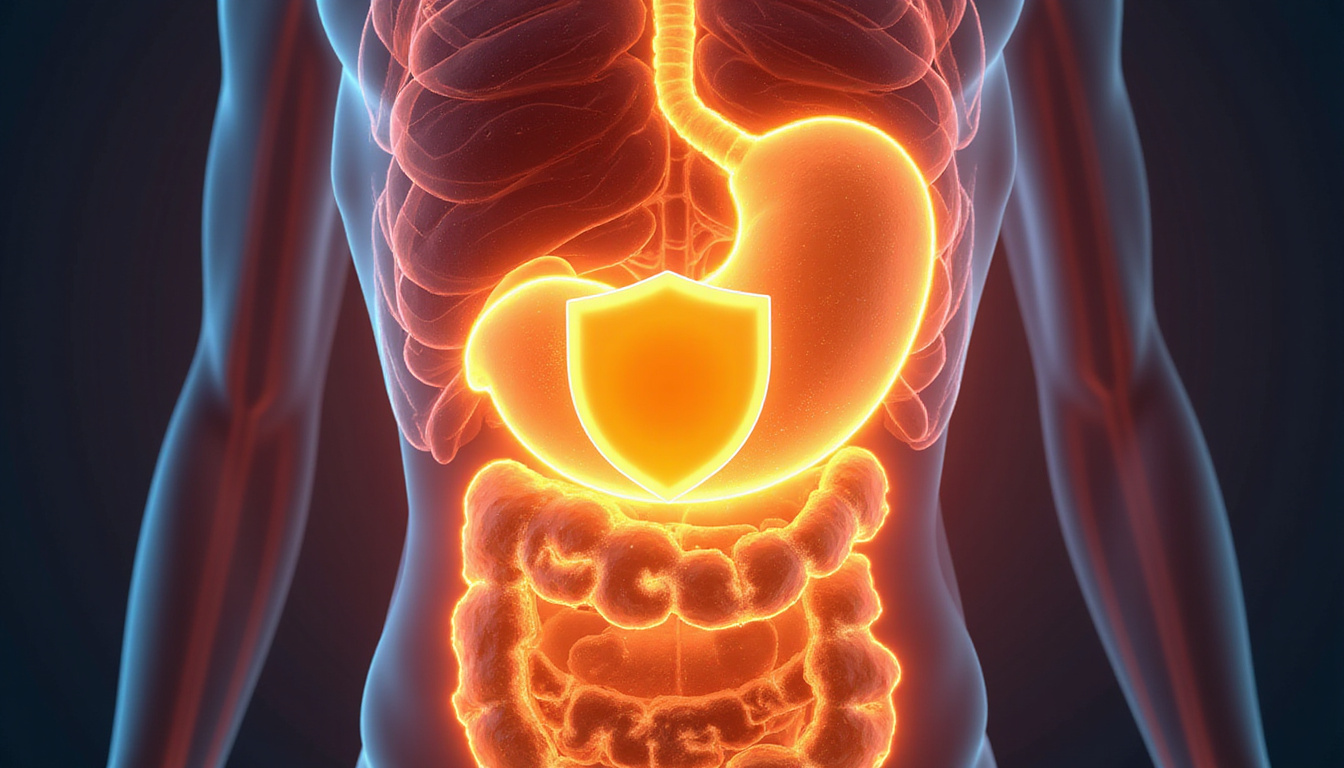
Digestive issues like bloating, gas, and indigestion are often caused by slow or inefficient movement of food through the gastrointestinal tract. Ginger helps support digestion in several ways:
1. Stimulates Digestive Juices
Ginger can encourage the production of saliva, bile, and gastric enzymes. This helps break down food more efficiently and can reduce that heavy, “brick in the stomach” feeling after meals.
2. Eases Bloating and Gas
The carminative properties of ginger can help reduce intestinal gas and bloating. It may relax the smooth muscles in your gut, allowing trapped gas to move along more easily.
3. Relieves Nausea and Motion Sickness
Ginger is widely used for:
- Motion sickness
- Morning sickness (with medical approval)
- Post-operative nausea
- Mild nausea from upset stomach
Multiple clinical studies have shown that ginger can significantly reduce nausea, particularly in motion sickness and pregnancy-related nausea, though dosage and safety in pregnancy should always be discussed with a healthcare professional.
Ginger and Immunity: What the Science Says
While ginger isn’t a cure-all, it can support your immune system in several meaningful ways:
1. Anti-Inflammatory Support
Chronic low-grade inflammation can weaken immune function. The gingerols in ginger have strong anti-inflammatory actions, which may help the body respond more effectively to infections and irritants.
2. Antioxidant Protection
Free radicals and oxidative stress can damage cells and impair immunity. Ginger’s antioxidants help neutralize these free radicals, supporting overall immune resilience.
3. Antimicrobial Properties
Ginger has shown antimicrobial activity against certain bacteria and viruses in lab studies. While this doesn’t make it an antibiotic replacement, it suggests that including ginger as part of a healthy diet can contribute to an environment less friendly to pathogens.
4. Soothing for Sore Throats and Colds
Warm ginger drinks can help:
- Soothe a sore throat
- Reduce the intensity of cold symptoms
- Promotes sweating, which some traditional systems view as a way to “push out” a cold
Again, this is supportive care, not a cure—but it can make you feel much better while your body fights off an infection.
Ginger Remedies for Digestion That Actually Work
Here are practical, evidence-informed ginger remedies you can use at home for digestive relief.
1. Fresh Ginger Tea for Indigestion and Bloating
Best for: mild indigestion, gas, and heavy feeling after meals
How to make it:
- Slice 4–6 thin pieces of fresh ginger root (about 1–2 teaspoons).
- Add to a mug and pour over 1 cup of hot (not boiling) water.
- Steep for 5–10 minutes, covered.
- Add a bit of lemon or honey if desired.
How to use:
Drink 20–30 minutes after a meal that you expect might cause discomfort, or at the first sign of bloating.
2. Ginger-Lemon Digestive Shot
Best for: quick support before a heavy meal
Ingredients:
- 1–2 teaspoons freshly grated ginger
- Juice of ½ lemon
- A pinch of sea salt (optional)
- 2–3 tablespoons warm water
Directions:
- Grate ginger and squeeze the juice through a fine strainer or cheesecloth.
- Mix ginger juice with lemon juice, warm water, and salt.
- Drink in one or two quick sips.
This small, concentrated dose may help stimulate digestive secretions and prepare your stomach for food.
3. Ginger Chews or Crystallized Ginger for Nausea
Best for: travel, motion sickness, or mild nausea on the go
Natural ginger chews or small pieces of crystallized ginger can be useful when you can’t make tea.
- Look for products with real ginger root (not just flavoring).
- Slowly chew one piece at a time, waiting 15–20 minutes to assess the effect.
Be cautious with sugar content if you’re watching your blood sugar.
4. Ginger-Infused Water Throughout the Day
Best for: general digestive comfort and hydration
How to make it:
- Add 6–8 thin slices of ginger to a 1-liter bottle or jar of water.
- Let it infuse for at least 1–2 hours (or overnight in the fridge).
- Sip throughout the day.
This offers a gentle, ongoing supply of ginger without being too intense.
Ginger Remedies for Immunity and Colds
These ginger-based recipes support your body when you feel run down or at the first sign of a cold.
1. Ginger-Honey-Lemon Immune Tea
Best for: early signs of a cold, sore throat, general immune support
Ingredients:
- 1–2 teaspoons fresh sliced or grated ginger
- Juice of ½–1 lemon
- 1–2 teaspoons raw honey (add to warm, not boiling tea)
- 1 cup hot water
Directions:
- Steep ginger in hot water for 10 minutes.
- Let cool slightly, then add lemon juice and honey.
This combination provides the warming effect of ginger, vitamin C from lemon, and a soothing coating from honey.
2. Ginger-Turmeric Immune Tonic
Best for: ongoing immune support and inflammation
Ingredients:
- 1–2 teaspoons freshly grated ginger
- 1 teaspoon freshly grated turmeric (or ½ teaspoon turmeric powder)
- Pinch of black pepper (boosts turmeric absorption)
- 1 teaspoon honey or maple syrup (optional)
- 1 cup warm water or warm plant milk
Directions:
- Combine ginger and turmeric in a mug.
- Add warm water or milk and stir well.
- Add honey or maple syrup to taste.
This can be taken once daily during cold and flu season or a few times a week for maintenance.
3. Ginger Steam Inhalation
Best for: congestion and stuffy nose
How to do it:
- Bring a pot of water to a gentle boil.
- Add 5–10 thin slices of fresh ginger.
- Remove from heat and carefully place the pot on a stable surface.
- Lean over the pot, keeping your face at a safe distance, and drape a towel over your head to trap the steam.
- Breathe slowly through your nose for 5–10 minutes.
This won’t cure a cold, but the warm, ginger-infused steam can help loosen mucus and ease breathing.
How Much Ginger Is Safe?
For most healthy adults, moderate amounts of ginger used in food and home remedies are safe. General guidelines (not a substitute for medical advice):
- Dietary use: as a spice in cooking—typically no limit within reasonable culinary amounts.
- Tea and home remedies: up to about 2–4 grams of fresh ginger per day is commonly used in studies.
- Ginger supplements: follow product instructions and talk to your healthcare provider, especially if you have medical conditions.
When to Be Cautious
Speak with a healthcare professional before using ginger medicinally if you:
- Take blood thinners (e.g., warfarin)
- Have bleeding disorders
- Have gallstones
- Are pregnant or breastfeeding
- Have upcoming surgery
Side effects are usually mild and may include heartburn, stomach discomfort, or diarrhea if you take too much.
Simple Ways to Add More Ginger to Your Diet
You don’t always need a “remedy.” Regularly using ginger in food can gently support digestion and immunity over time.
Easy ideas include:
- Adding fresh grated ginger to stir-fries and soups
- Blending ginger into smoothies
- Mixing ginger into salad dressings
- Stirring grated ginger into oatmeal
- Making homemade ginger-lime sparkling water
Quick List: Daily Ginger Habits
- Start the day with warm lemon-ginger water.
- Keep ginger tea bags or fresh ginger at your desk.
- Use ginger in at least one meal per day.
- Sip ginger-infused water between meals.
- Take ginger chews when traveling if you’re prone to motion sickness.
FAQ About Ginger for Digestion and Immunity
1. Is ginger good for digestion every day?
Yes, using ginger daily in small to moderate amounts—such as in tea, cooking, or infused water—can support digestion by stimulating digestive juices and reducing gas and bloating. If you notice heartburn or stomach discomfort, reduce the amount or frequency.
2. Does ginger really help the immune system?
Ginger can support immune health through its anti-inflammatory and antioxidant properties, and it may help your body respond better to infections. It’s most effective as part of an overall healthy lifestyle—balanced diet, sleep, hydration, and stress management—not as a stand-alone cure.
3. Is ginger tea good when you’re sick?
Ginger tea is a popular home remedy when you’re sick because it can ease nausea, soothe a sore throat, and help with congestion when combined with steam and other supportive measures. It doesn’t cure viral infections but can make symptoms more manageable while your immune system does the work.
Put Ginger to Work in Your Life
If you’re tired of relying only on pills for every stomach ache or seasonal sniffle, simple ginger remedies are a practical, time-tested alternative. From a soothing cup of ginger-honey tea to a quick digestive shot before a heavy meal, these small habits can add up to better comfort, stronger resilience, and a more natural approach to health.
Start today: pick one digestive remedy and one immune-supporting ginger drink from this article, prepare them this week, and notice how your body responds. If they help, make them a regular part of your routine—and if you have ongoing digestive or immune issues, pair these ginger remedies with guidance from a qualified healthcare professional for a truly comprehensive plan.
Throughout history, many plants and herbs have been associated with luck, protection, and prosperity. To explore their deeper spiritual, psychological, and scientific significance, visit SpiritualMindScience.com.