Across cultures and centuries, ghost festivals have given people a way to talk to the dead, negotiate with unseen forces, and face their deepest fears about what happens after death. From paper money burned in Asian cities to food left out on European windowsills, these hidden rites reveal how humanity tries to comfort, bargain with, and sometimes terrify itself in the name of the spirits.
This guide explores the most fascinating ghost festivals around the world, the beliefs behind them, and the shocking traditions that still survive in our supposedly modern age.
What is a ghost festival?
At its core, a ghost festival is any ritual or celebration focused on the spirits of the dead or supernatural beings. These events usually involve:
- Honoring ancestors or restless spirits
- Offering food, drink, and symbolic gifts
- Seeking protection from misfortune or revenge from beyond the grave
- Marking a time when the barrier between the living and the dead is believed to weaken
Unlike ordinary religious holidays, ghost festivals often combine fear and devotion. People don’t just celebrate; they also try to avoid angering spirits who might cause illness, bad luck, or even death.
The Hungry Ghost Festival: When spirits roam the streets
One of the most widely known ghost festivals is the Hungry Ghost Festival in parts of East and Southeast Asia, particularly China, Taiwan, Singapore, Malaysia, and Hong Kong. It occurs on the 15th day of the seventh lunar month, often called Ghost Month.
Belief: Gates of the underworld open
According to traditional Chinese belief, the gates of the underworld open during Ghost Month, releasing hungry, neglected, or vengeful spirits to wander among the living. Not all of these spirits have descendants to care for them, so communities feel obligated to appease them collectively.
Shocking and striking traditions
During the Hungry Ghost Festival, you might see:
- Mass burning of joss paper – fake money, paper clothes, even paper mansions and cars are burned to send “wealth” and comforts to spirits.
- Street banquets for the dead – long tables loaded with food and drink, where front-row seats are reserved for invisible guests: the ghosts.
- Outdoor operas and concerts – elaborate performances staged for the entertainment of spirits, with the best seats kept empty for them.
- Taboos and caution – people avoid swimming, staying out too late, getting married, or moving house, fearing bad luck or spirit interference.
The mix of generosity and fear is distinctive: people aren’t just honoring their own ancestors, they’re also bribing unknown ghosts not to cause trouble.
Obon in Japan: A gentle reunion with ancestral spirits
Japan’s Obon festival is another powerful example of how ghost festivals help people connect with the dead. Celebrated in mid-August (or July in some regions), Obon is less about terror and more about tender remembrance.
Welcoming and sending off the spirits
Families believe that during Obon, ancestral spirits return home for a brief visit. Rituals often include:
- Mukaebi (welcoming fires) – small bonfires or lanterns lit to guide spirits back to their family homes.
- Home altars (butsudan) – cleaned and decorated with offerings of food, tea, incense, and flowers.
- Grave visits – families travel to ancestral hometowns to clean graves, offer prayers, and reconnect with their roots.
- Bon Odori dances – community dances held at shrines and temples, originally meant to welcome and entertain returning spirits.
At the end of Obon, families hold okuribi (farewell fires) or floating lantern ceremonies known as tōrō nagashi, sending lit lanterns down rivers or out to sea, symbolically guiding spirits back to the other world.
Where the Hungry Ghost Festival is intense and fear-tinged, Obon is calm, nostalgic, and deeply family-centered.
Día de los Muertos: Mexico’s colorful dance with death
In Mexico and parts of Latin America, Día de los Muertos (Day of the Dead) around 1–2 November is not usually labeled a “ghost festival,” but it fits the spirit of ghost festivals perfectly.
Death without horror
Día de los Muertos fuses Indigenous Mesoamerican beliefs with Catholic traditions. Rather than focusing on terrifying ghosts, it emphasizes:
- Death as a natural, shared part of life
- Ongoing bonds between the living and the dead
- Joyful, even playful engagement with mortality
Key traditions and symbols
Some of the most iconic aspects include:
- Ofrendas (altars) – colorful home or public altars loaded with photos, candles, marigolds, sugar skulls, and the favorite foods and drinks of the departed.
- Calaveras – decorative skulls (often sugar or chocolate) and skeletal imagery that mock death instead of fearing it.
- Cemetery vigils – families gather by graves, sometimes all night, with food, music, and stories.
- Parades and costumes – people paint their faces like skulls and wear flamboyant outfits, celebrating the thin line between life and death.
Where some ghost festivals stress appeasing dangerous spirits, Día de los Muertos turns remembrance into a joyful reunion.
Samhain and Halloween: Europe’s ancient ghost gateway
Modern Halloween, with its candy and costumes, grew out of older European ghost festivals centered on the belief that at certain times, the veil between worlds thins.
Samhain in Celtic tradition
The ancient Celtic festival of Samhain (around October 31) marked the start of the darker half of the year. People believed:
- Spirits and fairies roamed freely in the night.
- Ancestral spirits could visit their former homes.
- Divination and fortune-telling were especially powerful.
Traditions included bonfires, disguises, and offerings of food outside the home to placate wandering spirits.
From Samhain to Halloween
Over time, Christian observances of All Saints’ Day and All Souls’ Day merged with folk traditions, eventually producing Halloween as we know it:
- Jack-o’-lanterns from carved turnips (later pumpkins).
- Costumes to confuse or mock wandering spirits.
- “Soul cakes” and visiting homes, precursors to trick-or-treating.
Even if much of the fear has turned to fun, Halloween still echoes its origins as a festival for ghosts and the dead (source: Britannica).
Lesser-known ghost festivals around the world
Beyond the more famous celebrations, many cultures keep quieter, sometimes startling rites involving spirits:
- Thailand – Phi Ta Khon: A ghost festival where villagers wear outrageous, hand-painted masks and costumes, embodying spirits in a wild, carnival-like procession. The festival blends Buddhist teachings with animist beliefs.
- Vietnam – Tết Trung Nguyên: Similar to the Hungry Ghost Festival, this seventh lunar month event focuses on making offerings to lonely souls and releasing held spirits through rituals and donations.
- Cambodia – Pchum Ben: A 15-day festival honoring ancestors going back seven generations. People offer rice and food at temples, believing spirits of hungry ancestors depend on these gifts.
- Nepal – Gai Jatra (Cow Festival): Families who lost someone in the past year join a parade, sometimes with a child dressed as a cow, believed to guide souls safely to the afterlife.
- Madagascar – Famadihana (Turning of the Bones): Every few years, families exhume ancestors’ remains, rewrap them in fresh shrouds, and celebrate with music and dance, physically carrying their ancestors into the festivities.
Each of these ghost festivals reaffirms that the dead remain part of the community—sometimes feared, sometimes cherished, but never entirely gone.
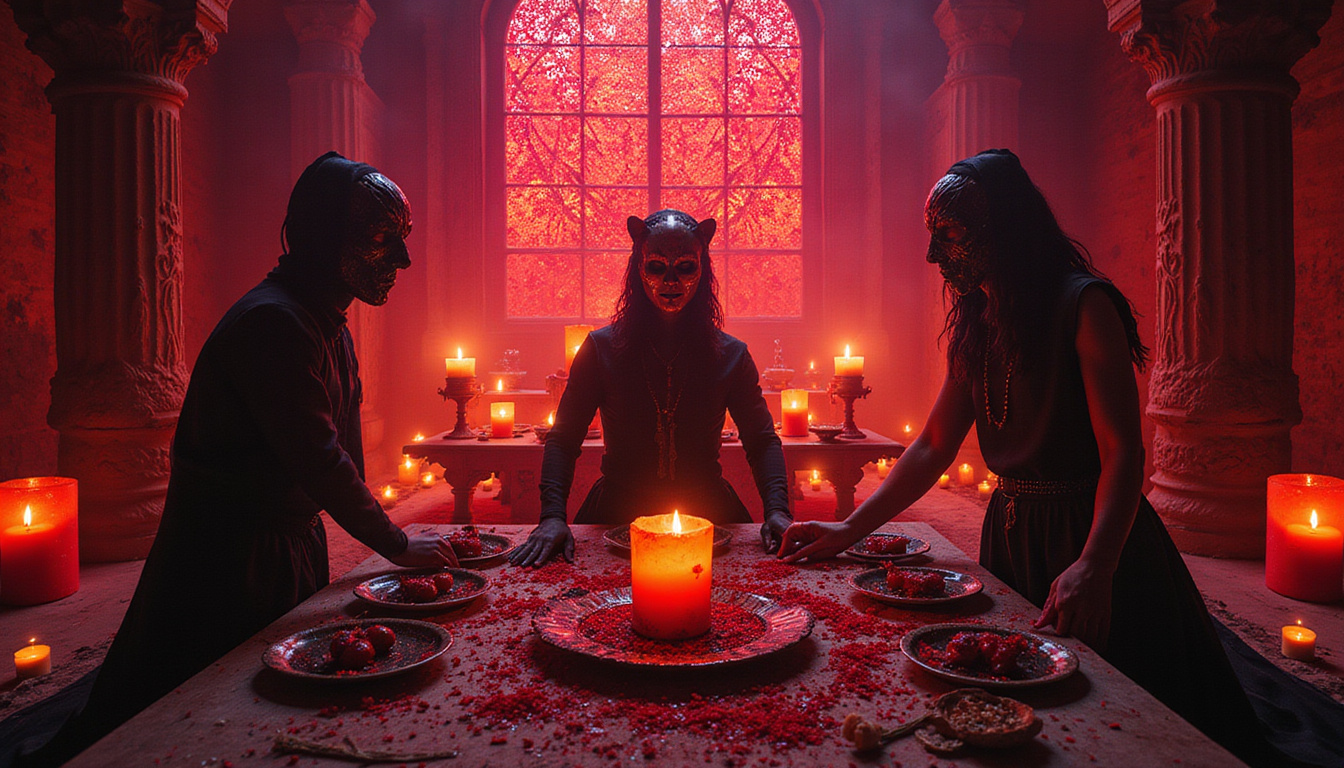
Common themes that connect ghost festivals
Though the details vary, ghost festivals across cultures share striking patterns. Most involve:
-
Food and offerings
Feasts for the dead appear everywhere—from rice balls in Japan to pan de muerto in Mexico to fruit and incense in Chinese neighborhoods. Food symbolizes both care and control: feed the spirits and they will bless or at least not harm you. -
Light in the darkness
Candles, lanterns, bonfires, and floating lights all stand for guidance and protection. Light helps spirits find their way—and keeps the living from feeling alone in the dark. -
Music, dance, and performance
Whether it’s Chinese opera for hungry ghosts, Bon Odori in Japan, or costumed parades in Latin America, performance is a bridge between worlds, entertaining both humans and spirits. -
Masks and disguises
From Halloween to Phi Ta Khon, people often hide behind masks. This can confuse harmful spirits, allow the living to embody the dead or deities, or simply create a safe space to confront fears. -
Negotiation with the unknown
Above all, ghost festivals are attempts to negotiate with what we can’t fully understand—death, fate, and the possibility of something beyond. They offer structure where fear might otherwise be overwhelming.
Controversy, commercialization, and change
Like many long-standing traditions, ghost festivals are changing fast:
- Urban fire and pollution concerns: In modern cities, large-scale burning of joss paper and incense is sometimes restricted. Some communities promote “eco-friendly” offerings or digital alternatives.
- Tourism and spectacle: Festivals like Día de los Muertos and Halloween now draw global visitors. While tourism can preserve traditions, it can also flatten complex rituals into mere entertainment.
- Religious and generational debates: Some younger people see ghost festivals as superstition; others embrace them as cultural identity or family tradition. Religious reformers sometimes criticize older spirit practices as incompatible with modern belief systems.
Yet despite arguments and modernization, the pull of ghost festivals remains strong. In many places, they are among the few times a year when communities come together to openly speak about death and memory.
How to respectfully experience ghost festivals
If you’re curious about attending ghost festivals around the world, approach them as living traditions, not just spectacles. Some basic guidelines:
- Learn the meaning behind key rituals before you go.
- Dress modestly and follow local customs, especially at temples, cemeteries, or family altars.
- Ask permission before photographing people or private ceremonies.
- Participate appropriately—lighting incense, buying offerings, or joining a dance—if invited.
- Be mindful that for locals, these are sacred, emotionally charged events, not just intriguing photo opportunities.
By engaging thoughtfully, you can deepen your understanding of both the culture and your own relationship to mortality and memory.
FAQ about ghost festivals and spirit traditions
1. What are ghost festivals and why do they exist?
Ghost festivals are ritual events dedicated to spirits of the dead, wandering ghosts, or invisible beings. They exist to honor ancestors, comfort neglected or hungry spirits, and protect the living from misfortune attributed to the supernatural. Many also serve as communal moments to remember the dead and process grief.
2. How is a ghost festival different from a regular religious holiday for the dead?
While many religions have days for remembering the dead, ghost festivals typically add a belief that spirits are actively present, roaming the world, and in need of offerings or appeasement. There’s often more emphasis on negotiation—feeding, entertaining, or placating spirits—rather than only solemn remembrance.
3. Are ghost festivals still relevant in modern, urban societies?
Yes. Even as beliefs evolve, ghost festivals continue to adapt. Urban communities may reduce fire offerings, emphasize cultural heritage, or focus more on family remembrance, but the core needs they meet—honoring ancestors, facing death, and seeking protection in uncertain times—remain deeply relevant.
From burning paper palaces for unseen guests to dancing in cemeteries by candlelight, ghost festivals reveal how powerfully we feel the presence of those who are gone. They show that across the globe, cultures have chosen not to ignore death, but to turn toward it—with fear, respect, humor, and love.
If this glimpse into ghost festivals has sparked your curiosity, keep exploring: visit these celebrations respectfully, talk to practitioners about what they mean, and consider how your own traditions remember the dead. By understanding how others dance with their ghosts, you may discover new, meaningful ways to honor your own.
Cultural superstitions have shaped traditions and beliefs for generations. Explore the psychology, cultural history, and science behind these fascinating practices at SpiritualMindScience.com.