Frankincense has been prized for thousands of years as a sacred resin, a beauty enhancer, and a powerful natural remedy. Today, frankincense is enjoying a modern revival for its potential benefits for skin health, stress relief, and overall wellness. Whether you’re interested in essential oils, natural skincare, or holistic self-care, understanding how to use this ancient ingredient safely and effectively can help you get the most from it.
Below, you’ll learn what frankincense is, how it works, its top benefits for skin and stress, and practical ways to incorporate it into your daily routine.
What Is Frankincense?
Frankincense is an aromatic resin obtained from trees of the Boswellia genus, especially Boswellia sacra, Boswellia carterii, and Boswellia serrata. When the bark is cut, the tree exudes a milky sap that hardens into golden, tear-shaped droplets. These are then harvested and used in:
- Incense and smudging
- Essential oils
- Extracts and supplements
- Skincare and cosmetic products
Historically, frankincense has been used in religious rituals, Ayurvedic and traditional Chinese medicine, and as a perfume. Modern research has begun to explore its anti-inflammatory, antioxidant, and soothing properties, particularly in the form of frankincense essential oil and boswellia extracts (source: National Institutes of Health).
Key Active Compounds in Frankincense
The therapeutic potential of frankincense comes largely from its unique chemical makeup. Some of the most studied components include:
- Boswellic acids – Especially AKBA (acetyl-11-keto-β-boswellic acid), linked to anti-inflammatory and possibly anti-tumor effects.
- Terpenes – Such as alpha-pinene and limonene, which may have calming, antimicrobial, and anti-inflammatory actions.
- Essential oil constituents – Responsible for its distinctive woody, citrusy aroma, widely used in aromatherapy for stress and mood.
While essential oils typically contain minimal boswellic acids (these are more abundant in resin extracts), both forms are used for different purposes: oils for aromatherapy and topical use, and standardized extracts for internal use (ideally under professional guidance).
Frankincense Benefits for Skin Health
Frankincense has gained a strong following in natural beauty circles for its potential to support healthy, balanced, and more youthful-looking skin.
1. Supports a More Youthful Appearance
Many people use frankincense essential oil in anti-aging routines due to its potential to:
- Improve the appearance of fine lines and wrinkles
- Help maintain skin elasticity and tone
- Promote a smoother, more even look
Preliminary research suggests frankincense may influence enzymes involved in collagen breakdown and may help protect skin from oxidative stress, two factors that contribute to visible aging.
How to use:
Dilute frankincense essential oil in a carrier oil (like jojoba, argan, or sweet almond) and apply to clean skin:
- Typical dilution: 1–2 drops of essential oil per teaspoon (5 mL) of carrier oil.
- Apply at night to the face, neck, and décolleté, avoiding the eye area.
Patch-test first, especially if you have sensitive skin.
2. Helps Calm Redness and Irritated Skin
Thanks to its anti-inflammatory and soothing properties, frankincense may help:
- Visibly reduce redness and blotchiness
- Support skin with occasional irritation
- Provide a calming effect on stressed or reactive skin
It’s often included in blends formulated for sensitive or mature skin.
How to use:
- Add 1–2 drops of frankincense oil to your existing moisturizer or facial oil.
- Use a pre-formulated serum or cream containing frankincense extract or oil for sensitive-skin support.
3. Supports Blemish-Prone Skin
Frankincense’s potential antimicrobial and astringent-like effects can be supportive for oily or blemish-prone skin types. It may help:
- Keep pores clearer-looking
- Balance oiliness
- Reduce the appearance of post-blemish marks over time
How to use:
- Spot treatment: Mix 1 drop frankincense essential oil in 1 tsp carrier oil and apply directly to problem areas.
- Daily support: Add a drop to your toner (like witch hazel) and apply with a cotton pad, avoiding the eye area.
Always monitor for any increase in irritation; if skin becomes more red or dry, reduce frequency.
Frankincense for Stress Relief and Emotional Balance
Frankincense has long been associated with calm, meditation, and spiritual practice. Modern aromatherapy also values it as a grounding oil that can support emotional well-being.
4. Promotes Relaxation and Calm
Inhalation of frankincense essential oil is commonly used to:
- Encourage a sense of calm and relaxation
- Support a more balanced stress response
- Complement mindfulness, yoga, and meditation practices
Some studies suggest that aromatherapy with grounding essential oils may help reduce perceived stress and mild anxiety when combined with relaxation techniques.
How to use:
- Diffuser: Add 4–6 drops of frankincense oil to a diffuser with water and run for 30–60 minutes.
- Inhalation: Place 1–2 drops on a tissue or cotton ball and inhale gently during stressful moments.
- Meditation blend: Combine frankincense with other calming oils like lavender or cedarwood in a diffuser before practice.
5. Supports Sleep and Nighttime Unwinding
Frankincense’s calming aroma can be a helpful addition to a relaxing evening routine. While it’s not a sedative, it may help your mind and body shift out of “go mode,” setting the stage for deeper rest.
Ideas for bedtime use:
- Evening bath: Add 3–5 drops of frankincense essential oil mixed into a tablespoon of carrier oil or an unscented bath base, then swirl into warm bathwater.
- Pillow spritz: Blend 5–10 drops of frankincense with 5–10 drops of lavender in a 2 oz spray bottle filled with distilled water and a splash of witch hazel; shake well and lightly mist bedding (avoid saturating fabrics).
Other Traditional and Emerging Uses of Frankincense
Beyond skin and stress, frankincense has a wide range of traditional and research-backed uses.
6. Joint and Muscle Comfort (Boswellia Extracts)
Standardized Boswellia serrata extracts are often used in supplements aimed at joint and mobility support. Research suggests boswellic acids can:
- Help reduce discomfort associated with osteoarthritis
- Support mobility and function when used consistently
- Work synergistically with other anti-inflammatory nutrients like curcumin
Internal use should be guided by a healthcare provider, especially if you take medications or have chronic conditions.
7. Respiratory and Immune Support (Traditional Use)
In traditional systems, frankincense resins and preparations have been used to support:
- Clearer breathing and respiratory comfort
- Overall immune resilience
- General vitality and energy
While more high-quality human studies are needed, inhaling frankincense in steam or diffusers is commonly used for a sense of respiratory ease.
How to Use Frankincense Safely and Effectively
To get the benefits of frankincense while minimizing risks, pay attention to form, quality, and dilution.
Forms of Frankincense
-
Essential Oil
- Distilled from resin
- Used for aromatherapy and diluted topical application
- Highly concentrated; never ingest without professional guidance
-
Resin (raw tears)
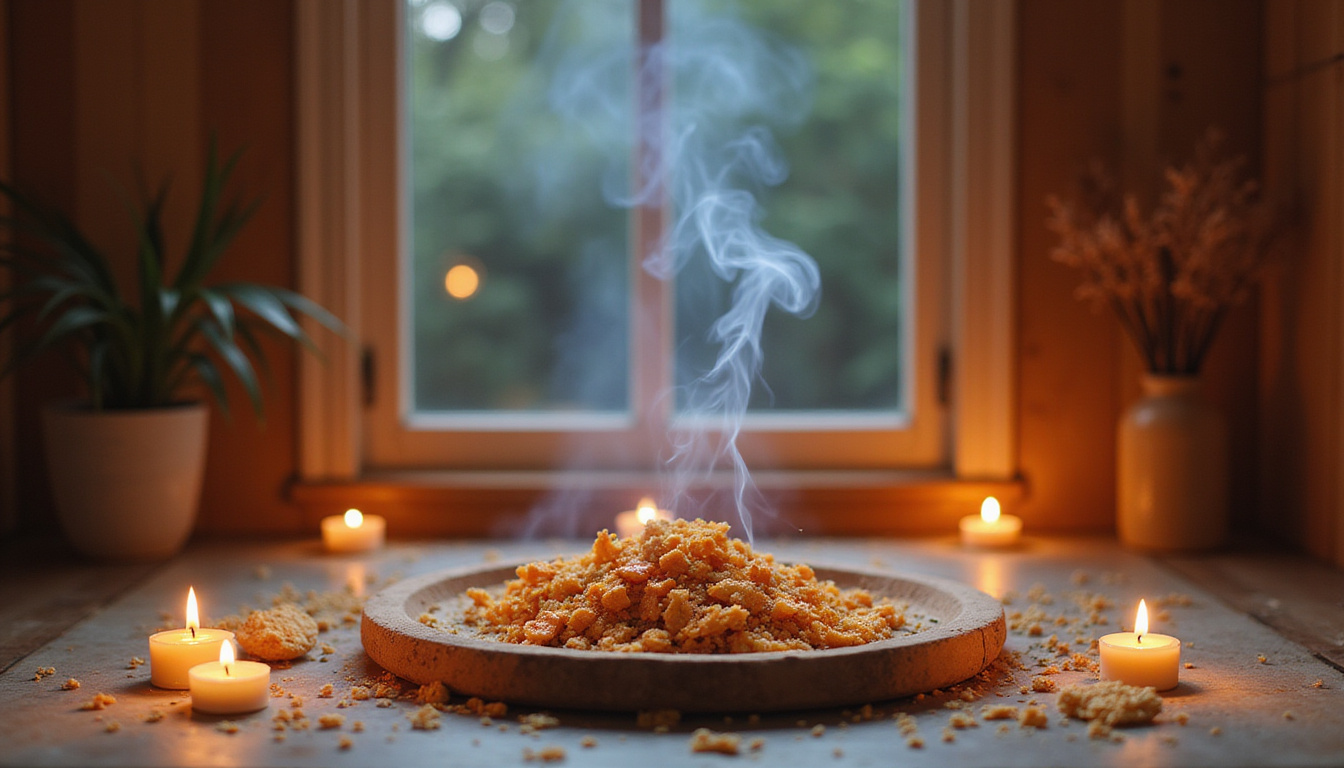
- Burned as incense on charcoal or in incense burners
- Sometimes lightly chewed in some cultures (only food-grade, and with caution)
- Can be infused into oils
-
Extracts and Supplements
- Standardized for boswellic acids
- Used internally for joint, gut, and systemic support
- Should be used under medical or naturopathic supervision
-
Skincare Products
- Creams, serums, and oils formulated with frankincense
- Usually gentler and pre-diluted for safe facial use
Safety Tips and Precautions
-
Always dilute essential oil:
Typical facial dilution: 0.5–1% (about 1–3 drops per tablespoon/15 mL of carrier oil).
Body use: up to 2% for most adults (about 6–12 drops per tablespoon/15 mL carrier). -
Patch test:
Apply a small amount of diluted frankincense blend to the inner forearm and wait 24 hours to check for irritation. -
Pregnancy and breastfeeding:
Use with caution and consult your healthcare provider first. -
Children and pets:
Essential oils require extra caution around children and animals. Diffuse in well-ventilated areas and avoid direct topical application without professional guidance. -
Medical conditions and medications:
If you use frankincense supplements or high-strength extracts, speak with your doctor, particularly if you take blood thinners, have autoimmune conditions, or are on multiple medications.
Simple Ways to Add Frankincense to Your Routine
You don’t need an elaborate ritual to benefit from frankincense. Small, consistent uses can be effective.
Here are some easy ideas:
-
Daily facial oil
- Mix 2 drops frankincense + 1 drop lavender into 2 teaspoons jojoba oil.
- Apply a few drops to clean, slightly damp skin at night.
-
Stress-soothing pulse-point blend
- 2 drops frankincense
- 2 drops sweet orange
- 2 drops lavender
- 2 teaspoons fractionated coconut oil
- Apply to wrists, behind ears, or over the heart during stressful moments.
-
Calming home diffuser blend
- 3 drops frankincense
- 2 drops cedarwood
- 2 drops bergamot
Diffuse in the living room or bedroom in the evening.
-
Grounding meditation ritual
- Light a candle.
- Diffuse frankincense or burn resin on charcoal (with proper ventilation).
- Spend 5–10 minutes in quiet breathing or journaling.
FAQ About Frankincense and Its Uses
1. What is frankincense essential oil good for?
Frankincense essential oil is commonly used to support skin health, reduce the appearance of fine lines and uneven tone, and help soothe redness. In aromatherapy, it’s valued for promoting relaxation, easing everyday stress, and enhancing meditation or spiritual practices through its grounding scent.
2. How do you use frankincense oil for skin?
To use frankincense oil for skin, always dilute it in a carrier oil such as jojoba, argan, or sweet almond. A typical facial blend is 1–2 drops of frankincense essential oil per teaspoon of carrier oil. Apply to clean skin once daily, ideally at night, and avoid the eye area. Patch-test before regular use, especially if you have sensitive or reactive skin.
3. Can frankincense help with anxiety and stress?
Frankincense is not a replacement for professional treatment of anxiety disorders, but many people find its aroma helpful for managing day-to-day stress and tension. Inhalation through diffusers, personal inhalers, or bath blends can promote a sense of calm and emotional balance, particularly when combined with deep breathing, mindfulness, or relaxation techniques.
Bring the Power of Frankincense Into Your Everyday Wellness
Frankincense bridges ancient tradition and modern natural wellness with a rare combination of skin-supportive, calming, and potentially anti-inflammatory properties. From helping your complexion look smoother and more radiant, to creating a peaceful atmosphere at the end of a long day, this resin offers a versatile toolkit for skin and stress.
If you’re ready to explore frankincense for yourself, start with a high-quality essential oil or skincare product, patch-test carefully, and build a simple routine you can stick with. For deeper internal benefits, consider discussing boswellia supplements with a qualified healthcare professional.
Take the next step toward a more natural, grounded self-care routine—choose one small way to use frankincense today and experience how this ancient resin can support your modern life.
Throughout history, many plants and herbs have been associated with luck, protection, and prosperity. To explore their deeper spiritual, psychological, and scientific significance, visit SpiritualMindScience.com.