Food Superstitions People Swear By and Why They Persist
From not passing salt hand-to-hand to insisting you must eat grapes at midnight on New Year’s Eve, food superstitions are everywhere. Every culture has its own set of rules about what to eat, when to eat it, and what to never, ever do at the table. These beliefs can seem strange or charming, yet many people still follow them—sometimes without even knowing why.
This article explores the most common food superstitions people swear by, where they came from, and the surprising psychological and cultural reasons they continue to persist today.
What Are Food Superstitions, Really?
Food superstitions are beliefs linking specific foods, table behaviors, or cooking practices to good or bad luck, health, wealth, or love. They usually fall into a few categories:
- Foods believed to attract luck or drive away misfortune
- Taboos about what you can’t eat or do with food
- Rituals performed at certain times (New Year’s, weddings, funerals, birthdays)
- Rules passed down in families that “you just don’t question”
Unlike religious rules or formal dietary laws, most food superstitions are informal. They’re part of folklore—taught around kitchen tables, at holiday meals, or in grandparents’ stories.
Why Food Superstitions Persist: The Deep Reasons
Before diving into specific examples, it helps to understand why these beliefs are so persistent across cultures and time.
1. Food Is Tied to Survival and Strong Emotion
Eating is one of the most fundamental human needs. Throughout history, whether you had food or not meant the difference between life and death. That gives anything connected to food an emotional weight.
Meals are also tied to:
- Family bonding
- Celebrations (weddings, birthdays, religious festivals)
- Mourning and memory
When emotions run high, we’re more likely to form strong associations. If a certain dish was eaten during a happy event or a narrow escape from disaster, it can easily become “lucky” in a family story.
2. We Love Patterns—even When They Don’t Really Exist
Psychologists know humans are natural pattern-seekers. When something good or bad happens, we look for a cause. If we happened to eat a particular food, say a certain phrase, or follow a particular ritual beforehand, we can easily connect the two—even if it’s random (source: American Psychological Association).
Over time, repeating the pattern makes the belief stronger:
- “Every time we eat noodles on New Year’s, the year goes well.”
- “The time we skipped them, everything went wrong.”
Even if thousands of other variables were involved, the food ritual feels like the key.
3. Traditions Build Identity and Belonging
Food is central to cultural identity. Shared recipes and rituals are a way to feel connected to:
- Your ancestors
- Your community or region
- Your family’s unique history
Food superstitions often act as “cultural glue.” Following them signals belonging:
- You eat the “right” good-luck dish on New Year’s
- You avoid the “forbidden” food during certain times
- You echo your grandparents’ habits in your own kitchen
Breaking these rules can feel like betraying your group, even if you don’t consciously believe in the superstition.
4. Superstitions Offer Control in Uncertain Times
Food superstitions often become more important during moments of uncertainty:
- New Year’s (fear or hope about the future)
- Weddings (hopes for happiness and fertility)
- Exams or major life events (desire to succeed)
Rituals—especially repetitive, concrete rituals like cooking or eating—give people a sense of control over what they can’t fully control. Adding beans to a New Year’s table will not guarantee financial success, but doing something can make people feel calmer and more hopeful.
Common Food Superstitions Around the World
Many of the most well-known food superstitions are tied to holidays or major life events. Others are about everyday table manners or specific ingredients.
New Year’s Foods for Luck, Wealth, and Longevity
New Year’s is a global hotspot for food-based traditions. People want to start the year “the right way,” and food is the perfect symbolic tool.
Examples:
-
Eating 12 grapes at midnight (Spain, Latin America)
One grape for each stroke of midnight, each grape representing a month of the coming year. Eating them all in time is believed to bring good luck. -
Long noodles for long life (China, other East Asian cultures)
Cutting or breaking noodles is frowned upon, especially at birthdays or New Year’s, because it symbolically “cuts short” one’s lifespan. -
Round fruits and coins (various cultures)
In some places, round foods like grapes, oranges, or pomegranates represent coins and prosperity. Similarly, legumes like lentils and black-eyed peas are believed to bring wealth because they resemble coins.
Wedding and Love-Related Food Beliefs
Food plays a major role at weddings around the world, and many wedding menus are designed around old superstitions.
-
Rice thrown at newlyweds
Rice has long been associated with fertility and abundant harvests. Throwing rice (or other grains) over a couple symbolizes the wish for many children and prosperity. -
Sweet foods for a sweet life (various cultures)
Honey, cake, or sweet wine at weddings are more than delicious—they represent hopes for a marriage that is “sweet, not bitter.” -
Breaking bread together (Europe, Middle East)
Sharing and breaking bread can symbolize unity, hospitality, and a future of never going hungry together.
Everyday Kitchen and Dining Superstitions
Many food superstitions are quiet, daily rules people still follow almost automatically.
Some common examples:
-
Don’t pass salt hand-to-hand
In some cultures, passing salt directly from one hand to another will “pass bad luck” or cause conflict. People instead place the salt on the table to be picked up. -
Spilling salt is bad luck—unless you fix it
If you spill salt, you’re supposed to toss a pinch over your left shoulder to counteract the bad luck. The origins may trace back to the high value of salt in the past (wasting it was genuinely costly). -
Bread must not be placed upside-down
In France and other European countries, turning bread upside-down on the table is a sign of bad luck or disrespect. Traditionally, the baker reserved a marked, inverted loaf for the executioner, hence the negative association. -
Never clink glasses with water
In some regions, toasting with water is believed to invite misfortune, as if you are toasting to someone’s death or bad luck.
Symbolic Foods: What They “Mean”
At the heart of many food superstitions is symbolism. Foods are chosen not just for taste but for what they represent.
Common symbolic themes:
-
Shape
- Round foods = coins, completeness, wholeness
- Long foods (noodles, long beans) = long life
-
Color
- Gold/yellow (cornbread, certain fruits) = wealth, gold
- Red (in many Asian cultures) = good fortune, happiness
-
Texture or internal structure
- Seeds (pomegranates, sesame) = fertility, abundance
- Layers (cakes, pastries) = complexity, richness of life
-
Wordplay or homophones
In Chinese and Japanese traditions especially, foods that sound like words for “wealth,” “luck,” or “success” are favored at celebrations.
This symbolic system helps explain why certain specific foods, rather than others, become the focus of long-lasting food superstitions.
The Science Behind Believing in Food Superstitions
From a scientific and psychological perspective, food superstitions are a natural outcome of how human brains work.
Cognitive Biases at Play
Several mental shortcuts and biases reinforce these beliefs:
-
Confirmation bias
We remember the times a superstition “worked” and forget when it didn’t. If we eat “lucky” food and then have a good year, we connect the two. If the year is bad, we look for a different explanation. -
Illusory correlation
We see a relationship where none exists. Eating black-eyed peas and then getting a promotion feel connected, even though they’re unrelated. -
Ritualized behavior as anxiety management
Studies show rituals can reduce anxiety and increase perceived control, even if they have no real effect on outcomes. Preparing or eating certain foods in a particular way can act as a stress-relieving ritual during high-stakes times.
Placebo Effects and Real Outcomes
While food superstitions themselves don’t magically change the future, the belief in them can have real consequences:
- People may feel more confident and optimistic after following a lucky food ritual.
- Reduced stress and increased optimism can improve performance in work, relationships, and health decisions.
- Ritual meals can strengthen social connections, which are linked to better mental and physical health.
So while the superstition’s “magic” isn’t real, its effects can be.
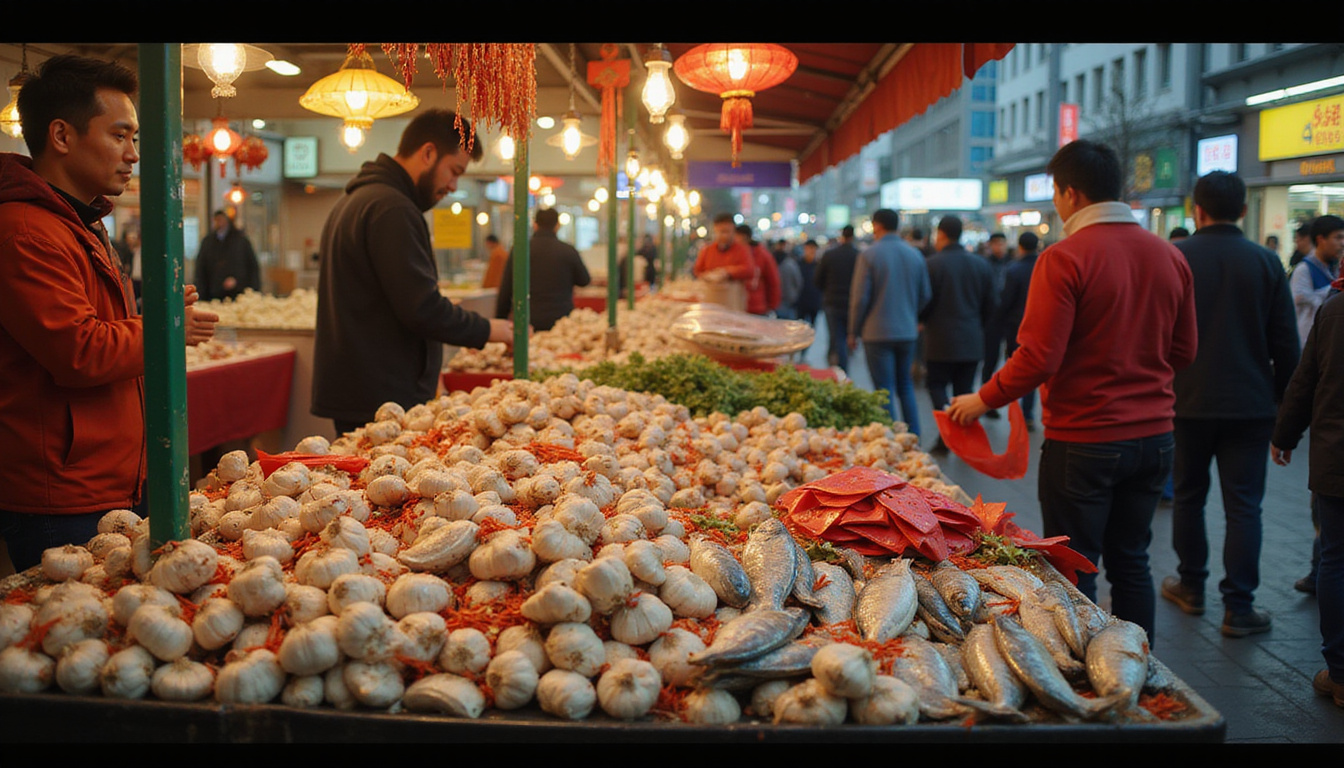
Common Types of Food Superstitions (At a Glance)
Here’s a quick breakdown of how many food superstitions people know fit into simple categories:
- Good-luck foods for money, love, or success
- Ban or taboo foods believed to cause sickness or misfortune
- Holiday rituals (New Year’s, harvest festivals, religious observances)
- Life-event foods (weddings, funerals, births, exams)
- Table manners and etiquette framed as good or bad luck
- Kitchen practices around knives, bread, salt, or breaking eggs
Seeing them grouped this way makes it clear that food superstitions are deeply woven into how we mark time, big events, and everyday social life.
Do Food Superstitions Still Matter in Modern Life?
In a world of nutrition labels, food science, and global cuisine, it might seem like food superstitions should fade away. Yet they are strikingly resilient.
They matter today because they still:
-
Connect generations
Making the same good-luck dish your grandmother made is a concrete link to your past. -
Anchor celebrations
Holiday meals feel incomplete without their symbolic dishes, whether or not anyone can explain the original belief. -
Create shared stories
Families often laugh about their own “weird” rituals while continuing to follow them. -
Offer comfort in chaotic times
Cooking and eating in specific, meaningful ways can be soothing when the outside world feels unpredictable.
You don’t have to literally believe your soup will bring you money or your noodles will add years to your life to find value in these traditions.
How to Approach Food Superstitions Thoughtfully
If you’re navigating your own or someone else’s food superstitions, a balanced approach can help:
-
Ask about the story behind them
The origin might reveal something important about your family history or culture. -
Respect others’ beliefs at the table
Even if you’re skeptical, honor rituals that matter to your hosts or relatives. -
Separate symbolism from health
“Lucky” doesn’t mean healthy, and “unlucky” doesn’t mean dangerous. Base your health decisions on evidence, not superstition. -
Create your own meaningful food rituals
You can build positive, intentional traditions—like a special meal before big exams or a “gratitude dinner” at the end of each year—without claiming mystical powers for them.
FAQ About Food Superstitions
Q1: Are food superstitions harmful?
Food superstitions are usually harmless when they’re symbolic or traditional. They can become problematic if they cause someone to avoid essential foods without medical reason, follow risky “remedies,” or feel extreme anxiety when a ritual isn’t possible. As long as they don’t override sound nutrition or medical advice, they’re typically just part of cultural life.
Q2: Why do different cultures have different lucky foods?
Different cultures developed their own superstitions about food based on local ingredients, religious beliefs, historical events, and language. What’s considered lucky in one place may be unknown—or even taboo—in another. The symbolism (wealth, fertility, protection) is often similar, but the actual foods vary with geography and tradition.
Q3: Can following food luck superstitions actually change outcomes?
There is no evidence that lucky food superstitions directly change external events. However, following a meaningful ritual can reduce stress, boost confidence, strengthen relationships, and improve mood—all of which can indirectly influence how you act and the choices you make, and that can impact your results in real life.
Bringing Old Beliefs to the Modern Table
Food superstitions may not stand up to scientific scrutiny, but they tell powerful stories about what people hope for and fear: health, love, money, long life, and safety for those they care about. Whether you fully believe in them or see them as symbolic traditions, they add color, meaning, and memory to everyday meals and special celebrations.
If this look into food superstitions has sparked your curiosity, consider talking to your parents or grandparents about the “rules” they grew up with. Ask what foods they were told were lucky, which were forbidden, and what rituals they still insist on at the table. Then, use those stories as inspiration to consciously shape your own food traditions—honoring the past while creating new, meaningful rituals that fit your life today.
Ready to go deeper? Start by listing the food rituals you already follow—holiday dishes, “good luck” meals before big events, or little kitchen habits—and decide which ones you want to preserve, adapt, or let go. In doing so, you take control of your own story, turning inherited food superstitions into intentional, nourishing traditions for yourself and the people you love.
Cultural superstitions have shaped traditions and beliefs for generations. Explore the psychology, cultural history, and science behind these fascinating practices at SpiritualMindScience.com.