The idea of an eternal flame captures something deep in human imagination: a light that never goes out, a fire that defies time, nature, and even death. From ancient temples to modern war memorials, these everlasting fires appear in cultures across the globe, each with its own story, purpose, and layer of mystery. Beyond the symbolism, there are also surprising scientific and historical secrets behind many of the world’s most intriguing eternal flames.
In this guide, you’ll discover how eternal flames work, the legends behind them, and what they reveal about our need to remember, honor, and believe in something greater than ourselves.
What Is an Eternal Flame, Really?
At its simplest, an eternal flame is a fire that is intentionally kept burning continuously over a long period of time—sometimes decades, sometimes centuries, and in legends, forever.
Most share several key traits:
- Continuous fuel source – often a hidden gas line, natural gas seep, or oil.
- Symbolic purpose – remembrance, sacredness, guidance, or power.
- Protected location – sheltered from wind, rain, and human interference.
- Ritual upkeep – carefully tended by priests, guards, or maintenance teams.
While some are entirely natural and fueled by underground gas, most modern eternal flames are human-made, carefully engineered and maintained. Yet the sense of wonder—how can a flame burn so long?—remains.
Ancient Origins: Sacred Fire Before Modern Monuments
Long before modern memorials, ancient cultures revered sacred fires that foreshadowed today’s eternal flames.
The Eternal Flame in Ancient Greece and Rome
In Greek and Roman civilization, flame symbolized divine presence and protection:
- Hestia/Vesta – Goddess of the hearth, whose sacred flame burned in public temples.
- Temple of Vesta (Rome) – Perhaps the most famous ancient eternal flame. The Vestal Virgins guarded the fire; if it went out, it was considered a national disaster.
- City hearths – Many city-states maintained central fires that represented the life of the community.
These flames were not just religious; they were political. As long as the fire burned, the state endured.
Zoroastrian Sacred Fires
In one of the world’s oldest monotheistic religions, Zoroastrianism, fire symbolizes purity and the presence of Ahura Mazda (God). Some fire temples have maintained sacred flames for centuries through continuous tending, with strict rituals around cleanliness and care. While not always literally “eternal” in the physical sense, they function as spiritual eternal flames in the religious imagination.
Modern Eternal Flames: Monuments of Memory and Mourning
In the 20th century, the eternal flame became a powerful symbol in national monuments and war memorials. Many of these flames are not mysterious in how they burn—but in what they mean to those who visit.
John F. Kennedy Eternal Flame – Arlington, USA
One of the most famous modern eternal flames is the John F. Kennedy Eternal Flame at Arlington National Cemetery. Installed at his gravesite in 1963, it was Jacqueline Kennedy’s idea, inspired by the eternal flame at the Tomb of the Unknown Soldier in Paris.
- Fuel source: Underground natural gas line.
- Technology: A specially designed burner allows the flame to re-ignite automatically if extinguished by rain or wind.
- Symbolism: Represents Kennedy’s enduring legacy and the hope and energy of a new era cut short.
Even though the engineering is transparent, visitors still speak of the emotional impact of standing before a fire that has burned continuously for decades.
Tomb of the Unknown Soldier – Paris, France
Beneath the Arc de Triomphe lies one of Europe’s best-known eternal flames, honoring unknown soldiers who died in World War I and subsequent conflicts.
- The flame is rekindled each evening in a formal ceremony.
- It symbolizes national memory, sacrifice, and collective loss.
- Its daily renewal emphasizes that remembrance is an ongoing, living act.
Similar eternal flames exist at tombs of unknown soldiers in many countries, including Russia, the UK (with symbolic flame motifs), and others, forming a global network of remembrance.
Hiroshima Peace Memorial Park – Flame of Peace
In Hiroshima, Japan, the Flame of Peace burns as a stark reminder of the horrors of nuclear warfare.
- It will remain lit until all nuclear weapons on Earth are destroyed.
- Positioned between the Memorial Cenotaph and the Atomic Bomb Dome, it connects past devastation to a hoped-for peaceful future.
- Here, the eternal flame is both mourning and protest: a light that demands change.
Natural Eternal Flames: Where Geology Meets Myth
Some of the world’s most mysterious “eternal” flames are not man-made at all. They spring from the earth itself, fueled by natural gas seepage—yet often interpreted as supernatural or divine.
The Eternal Flame Falls – New York, USA
Hidden in a small waterfall in Chestnut Ridge Park near Buffalo, New York, a bright orange eternal flame flickers behind a veil of water. It looks like magic: water pouring down over a tiny cave where fire continues to burn.
What’s happening?
- Natural gas seep: A small pocket of methane leaks through cracks in shale rock.
- Ignition: Likely lit by humans at some point; visitors now periodically re-light it when it goes out.
- Mystery: Geologists have noted that the gas source seems unusually warm and concentrated compared with typical seeps, which has fueled speculation and research (source: U.S. Geological Survey).
Though it isn’t perfectly eternal—it occasionally extinguishes—it still creates a powerful illusion of fire and water existing in impossible harmony.
Yanartaş (Chimaera) – Turkey’s Eternal Flames
On the slopes of Mount Olympos in Turkey, dozens of small flames emerge straight from the rocky ground, burning day and night. In ancient times, sailors reportedly used them as a natural lighthouse.
- Myth: The flames were believed to be the breath of the monstrous Chimera—part lion, goat, and serpent.
- Reality: Methane and other gases seep from the earth and ignite upon contact with the air.
- Longevity: These fires have been known for at least 2,000 years and may have inspired the myth itself.
Here, the eternal flame is a bridge between myth and geology, embodying how humans explain strange natural phenomena through storytelling.
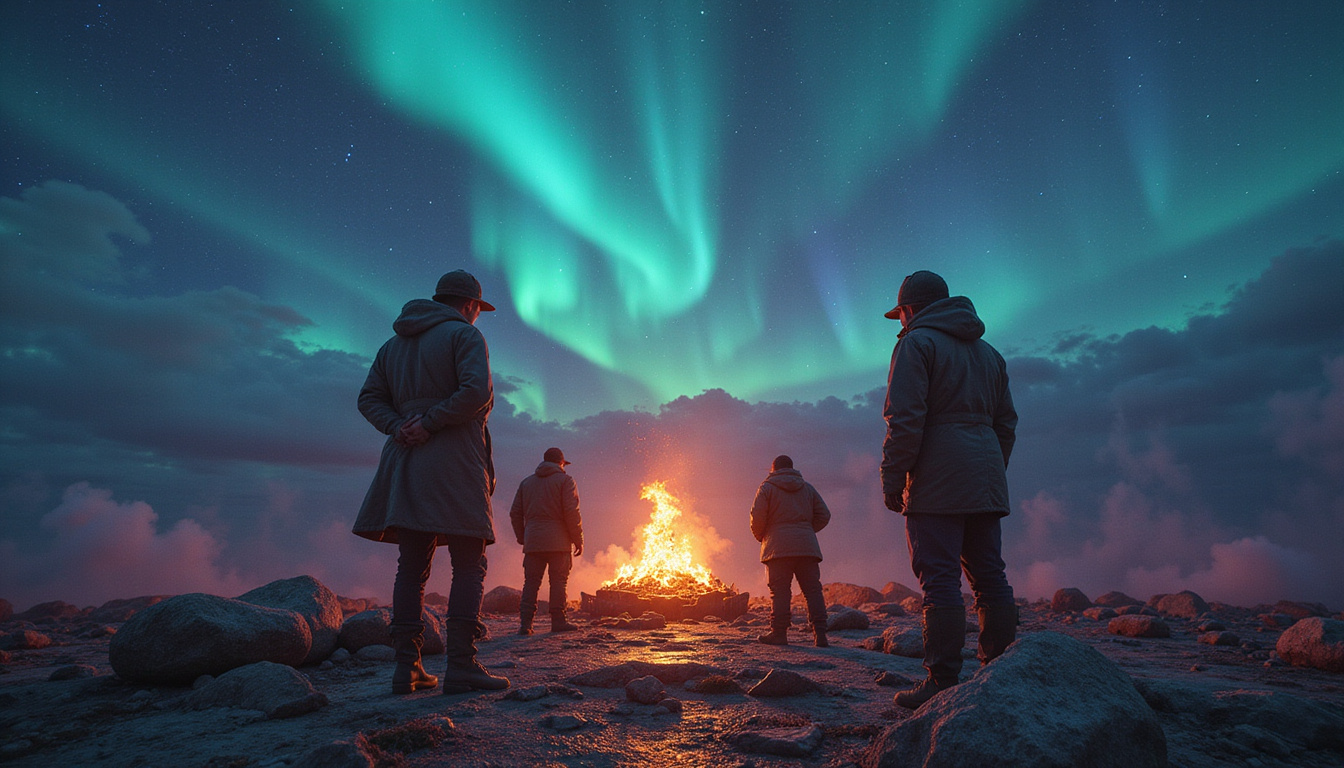
Baba Gurgur – Iraq’s “Father of Fire”
Near the city of Kirkuk in Iraq, Baba Gurgur is a massive natural gas field where flames have burned from the surface for centuries.
- The name means “Father of Fire” in Kurdish.
- The fire was known in antiquity, possibly influencing fire worship traditions.
- Today, it is both a natural and industrial site, with large oil operations nearby.
Baba Gurgur captures the dual nature of eternal flames: both sacred and commercial, revered and exploited.
How Do Eternal Flames Stay Lit? The Science Behind the Mystery
Whether natural or engineered, every eternal flame depends on three basic elements of the fire triangle:
- Fuel – gas, oil, wood, or natural gas seeping from underground.
- Oxygen – supplied by the surrounding air.
- Heat – enough to maintain combustion.
The “secret” of an eternal flame is a stable source of fuel and protection from elements that would normally extinguish it.
Fuel Sources in Modern Monuments
Most modern monumental eternal flames rely on:
- Natural gas lines – underground pipelines feeding a consistent supply.
- Special burners – designed to burn efficiently in all weather conditions.
- Ignition systems – pilot lights or electronic igniters that relight the flame if it goes out.
- Wind and rain shields – metal, stone, or glass structures controlling airflow and protecting the flame.
While the symbolism is mystical, the engineering is quite pragmatic: redundancy, safety systems, and regular maintenance.
Why Natural Eternal Flames Keep Burning
Natural eternal flames arise where gas trapped underground finds a pathway to the surface. Key ingredients include:
- Hydrocarbon-rich rock layers (like shale).
- Faults or fractures that allow gas to migrate upward.
- A spark—from lightning, wildfires, or humans—that initially ignites the gas.
These fires last as long as gas continues to seep at a sufficient rate. They aren’t truly eternal in a geologic sense, but relative to a human lifetime, they can feel endless.
Deeper Meaning: Why Eternal Flames Move Us
The power of an eternal flame isn’t just visual; it’s psychological and cultural. Across societies, flames that never die take on some common meanings.
Symbolism Shared Across Cultures
An eternal flame can represent:
- Memory – of the dead, of sacrifice, of historical events.
- Continuity – the idea that a nation, faith, or community endures.
- Divine presence – a god watching, a sacred force nearby.
- Hope – a light in darkness, a promise for the future.
- Warning – especially at sites like Hiroshima, a reminder of past destruction.
The fact that fire is fragile—and must normally be tended constantly—makes the promise of an “eternal” one feel profound.
Rituals Around Eternal Flames
Many eternal flames become centers of ritual:
- Laying wreaths or flowers.
- Military guards standing watch.
- Daily or annual ceremonies of remembrance.
- Moments of silence and reflection.
These practices turn a simple physical flame into a living cultural symbol.
Famous Eternal Flames Around the World
Here is a brief list of notable eternal flames and what they commemorate:
- John F. Kennedy Eternal Flame – Arlington, USA; memory of President Kennedy.
- Tomb of the Unknown Soldier – Paris, France; unknown war dead.
- Hiroshima Flame of Peace – Hiroshima, Japan; victims of the atomic bomb and hope for nuclear disarmament.
- Amar Jawan Jyoti (original) – India Gate, New Delhi; Indian soldiers who died in war.
- Eternal Flame at Yad Vashem – Jerusalem, Israel; victims of the Holocaust.
- Chama da Pátria – Brasília, Brazil; national heroes and independence.
- Yanartaş (Chimaera) – Turkey; natural eternal flames tied to ancient myths.
Each site blends history, engineering or geology, and deep emotional resonance.
FAQs: Eternal Flame Mysteries Answered
1. How long can an eternal flame actually burn?
Many so-called eternal flame memorials have burned continuously for decades—some since the early 20th century—thanks to stable gas supplies and maintenance teams. Natural eternal flames can burn for centuries as long as underground gas reserves last, though they may fluctuate or go out temporarily.
2. Are eternal flames really environmentally friendly?
Not always. An eternal flame fueled by natural gas produces continuous carbon emissions. Some modern memorials are exploring alternatives like more efficient burners, symbolic LED “flames,” or limiting the duration of the flame while preserving the symbolism. Balancing tradition with sustainability is an ongoing discussion.
3. Can you visit a natural eternal flame safely?
Yes, many natural eternal flame sites are open to visitors, like Eternal Flame Falls in New York or Yanartaş in Turkey. However, safety depends on stable ground, controlled gas emissions, and visitor behavior. It’s essential to follow local guidelines, avoid trying to ignite gas yourself, and respect environmental protections.
Why Eternal Flames Still Matter—and What You Can Do
In a fast-moving, digital world, the simple sight of a steady, living eternal flame offers something rare: a sense of continuity. These flames connect us to ancient rituals, to those who came before us, and to ideals we hope will outlast our own lives—peace, memory, justice, and meaning.
If the stories behind these mysterious monuments intrigue you, consider planning a visit to one near you. Stand quietly before the fire, read the names or inscriptions around it, and reflect on why someone thought this flame should never go out. You might find the real mystery of the eternal flame is not in how it burns, but in the questions it lights up inside you—about history, responsibility, and what you want your own life to stand for.
Let this be your invitation: seek out an eternal flame, natural or man-made, experience it firsthand, and share its story. The more we understand and talk about these fires of memory, the more their light can shape a more thoughtful, compassionate future.
Sacred objects often carry deep cultural and spiritual meaning. Learn how these symbols relate to history, spirituality, and the human mind by exploring more articles at SpiritualMindScience.com.