The elephant is one of the world’s most recognizable animals—majestic, intelligent, and deeply emotional. Yet most of what we “know” about elephants barely scratches the surface. When you look closely at how they think, feel, communicate, and shape their ecosystems, it becomes clear that protecting them isn’t just about saving a single species. It’s about safeguarding culture, forests, water, and even the climate.
Below are surprising, science-backed elephant secrets that will likely change how you think about conservation—and your own role in it.
1. Elephants Have Cultures, Not Just Instincts
For a long time, scientists assumed animals operated mainly on instinct. Elephants shattered that idea.
Knowledge Passed Through Generations
Elephant herds are led by a matriarch, usually the oldest and most experienced female. She does far more than lead migrations:
- She remembers the locations of distant waterholes during droughts.
- She teaches young elephants safe routes around human settlements.
- She passes on knowledge about predators and dangerous areas.
When a matriarch dies, her family isn’t just losing a leader; it’s losing an entire library of survival knowledge. Research shows herds with older matriarchs respond faster and more accurately to threats, such as recognizing the calls of lions versus harmless animals (source: Save the Elephants).
Regional “Traditions” in Elephant Behavior
Elephants in different regions show unique behaviors—like distinct migration routes, specific feeding strategies, or preferred resting grounds—that aren’t hard-wired; they are learned. Some populations have traditions around how they interact with humans, which plants they strip or leave alone, and what time of day they move.
Conservation insight: When we lose a group of elephants, we aren’t just losing bodies; we’re erasing a culture that took generations to build.
2. Elephant Communication: Infrasound, Names, and Long-Distance Calls
The elephant famously trumpets, but that’s only the tip of a vast communication system.
Conversations You Can’t Hear
Elephants communicate using infrasound—ultra-low-frequency sounds below the range of human hearing. These rumbling calls can travel several kilometers through the ground and air.
They use them to:
- Coordinate group movements over large distances.
- Signal reproductive readiness.
- Warn others about threats like poachers or predators.
In some cases, elephants appear to “listen” with their feet, picking up vibrations through specialized receptors in their bones.
Do Elephants Use “Names”?
Emerging research suggests elephants may have signature calls, similar to how dolphins use name-like whistles. Elephants seem to produce individualized sounds when approaching specific individuals, implying an understanding of unique identity.
Conservation insight: When herds are broken up or individuals are killed, you’re not just losing numbers—you’re severing a sophisticated communication network that holds families together.
3. Elephant Emotions Are Astonishingly Complex
People often describe elephants as “gentle giants,” but what’s truly remarkable is their emotional range and depth.
They Grieve Their Dead
There are documented accounts of elephants:
- Returning repeatedly to the bones or tusks of deceased family members.
- Touching skulls and tusks gently with trunks and feet.
- Standing quietly around a carcass for long periods.
They distinguish their own family members’ remains from those of other species, suggesting memory and emotional attachment, not just curiosity.
Empathy and Compassion
Elephants have been observed:
- Comforting distressed calves by touching and “hugging” them with their trunks.
- Helping injured individuals stand or move.
- Changing their own behavior—becoming quieter and more cautious—when passing places where elephants were injured or killed.
Conservation insight: When an elephant is killed by poachers, it may trigger trauma across the entire family. The impact is emotional and psychological, not just ecological.
4. Elephants Are Forest and Savannah Engineers
Elephants shape entire landscapes. Without them, many ecosystems would look—and function—completely differently.
Creating Pathways and Water Access
As elephants move, they:
- Trample pathways used by other animals.
- Dig for water in dry riverbeds, creating small wells that benefit numerous species.
- Open up dense vegetation so smaller animals can travel and forage.
In forests, especially in Central Africa and parts of Asia, the elephant acts as a “mega-gardener.” By knocking down trees and clearing undergrowth, they regulate which species dominate, allowing light-demanding plants to flourish.
Super Seed Dispersers
Elephants eat hundreds of plant species and disperse seeds over long distances through their dung—often in nutrient-rich packages perfect for germination.
This helps:
- Maintain tree diversity.
- Connect fragmented habitats.
- Support food sources for birds, primates, and other wildlife.
Conservation insight: Losing elephants can lead to forests with fewer large-seeded trees, changes in plant diversity, and even altered carbon storage. Saving the elephant is, in many cases, saving the forest.
5. The Climate Connection: Elephants and Carbon Storage
One of the lesser-known elephant secrets is how they quietly help stabilize the climate.
How Elephants Affect Carbon
In some tropical forests, studies suggest that by thinning out smaller trees and enabling slow-growing, large trees to thrive, elephants can increase the forest’s ability to store carbon. Large trees typically hold more carbon than many small ones.
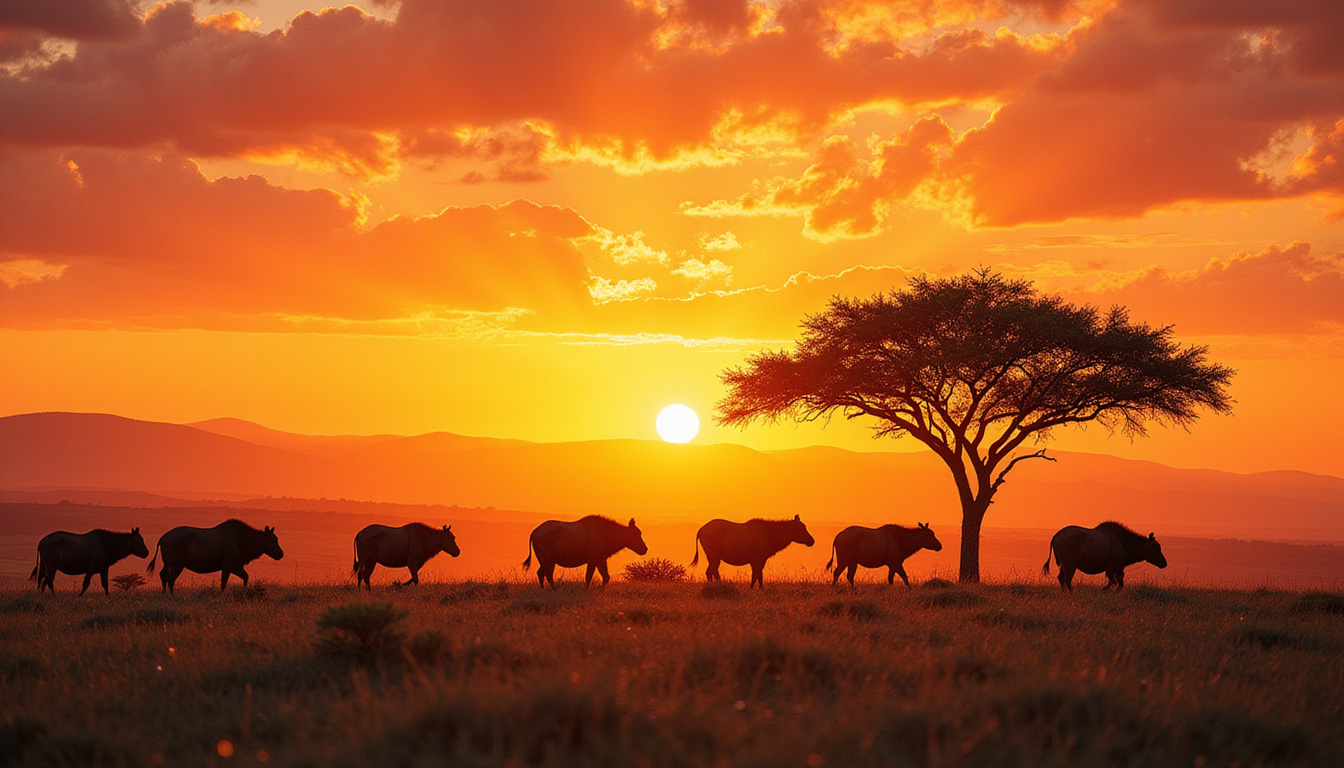
In savannahs, their grazing and browsing influence how much grass versus shrub dominates. This, in turn, affects fire regimes and how carbon cycles through the ecosystem.
Conservation insight: Protecting elephants isn’t just about biodiversity; it’s also a strategic climate action, supporting forests and savannahs that lock away huge amounts of carbon.
6. Human-Elephant Conflict: A Symptom of Deeper Problems
The elephant is not just an icon of wilderness; it increasingly lives in human-dominated landscapes. That co-existence is fragile.
Why Conflicts Happen
As human populations expand and agricultural fields spread, traditional elephant migration routes are blocked by:
- Farms and plantations
- Roads and railways
- Fences and settlements
Elephants, driven by memory and need, still try to follow old paths—right through crops. A single herd can destroy a farmer’s field in one night.
It’s Not Just “People vs. Animals”
Farmers who lose their harvests may retaliate by injuring or killing elephants. But the problem is bigger than “angry farmers”:
- Land-use planning rarely considers ancient migration corridors.
- Climate change forces elephants to travel farther and search harder for food and water.
- Poverty leaves communities with few options and even fewer safety nets.
Conservation insight: Lasting solutions must protect both people and elephants. Electric fences, early-warning systems, chili-based deterrents, and compensation schemes can help—but only when backed by fair policies and local participation.
7. Poaching and the Ivory Trade: Still a Present Threat
Despite decades of awareness campaigns, the ivory trade remains a serious threat to African elephants, and habitat loss is major for Asian elephants.
Why Ivory Is So Devastating
Poachers often target the largest elephants with the biggest tusks—usually older males and matriarchs. This alters:
- Genetics (fewer big tuskers in future generations).
- Social structure (families lose leaders and experienced guides).
- Behavior (herds become more nervous, stressed, and unpredictable).
In some regions, the trauma of intense poaching campaigns has been linked to higher aggression and breakdowns in normal social behavior.
Conservation insight: Combating illegal ivory markets and supporting strong enforcement isn’t an abstract moral stance—it directly protects elephant societies from collapse.
8. Not All Elephants Are the Same: African vs. Asian
Conservation strategies must recognize that the word “elephant” covers multiple species with distinct challenges.
African Elephants
- African savannah (bush) elephants: Larger, with bigger tusks, living in open savannah and woodland.
- African forest elephants: Smaller, more elusive, living in dense forests and critically important for forest health.
Both face threats from poaching and habitat conversion, but forest elephants are especially vulnerable due to slow reproduction and difficult-to-monitor habitats.
Asian Elephants
Asian elephants live in 13 countries but have already lost most of their historic range. They:
- Are generally smaller than African elephants.
- Have smaller or no visible tusks (especially females).
- Live in landscapes increasingly carved up by roads, railways, and plantations.
For Asian elephants, habitat fragmentation and human-elephant conflict are often bigger threats than ivory.
Conservation insight: One-size-fits-all solutions don’t work. Effective protection must be tailored to each species’ ecology, geography, and relationship with local people.
9. How You Can Actually Help Elephants (Beyond Sharing Photos)
Feeling overwhelmed by the scale of the elephant’s problems is easy. But individual choices can support real change when channelled into meaningful action.
Here are practical steps:
-
Support credible conservation organizations
Look for groups that:- Work with local communities, not against them.
- Are transparent about finances and impact.
- Focus on habitat protection, anti-poaching, and conflict mitigation.
-
Be a conscious consumer and traveler
- Avoid buying anything made of ivory or suspicious wildlife products.
- When traveling, choose ethical elephant experiences: no riding, no circus-style performances, and preference for accredited sanctuaries or wild-viewing safaris.
-
Advocate and educate
- Share accurate information about elephants, not myths or sensationalism.
- Support policies in your own country that strengthen wildlife crime enforcement and ban ivory trade.
-
Consider your footprint
- Many pressures on elephant habitats come from global demand—for timber, palm oil, beef, and other commodities.
- Reducing waste, choosing sustainable products, and backing companies with strong environmental standards indirectly supports elephant habitats.
Conservation insight: You don’t have to live near elephants to influence their future. Your political voice, purchasing power, and attention all matter.
FAQ: Common Questions About Elephants and Conservation
Q1: Why are elephants important to the ecosystem?
Elephants are keystone species and ecosystem engineers. They create waterholes, open up vegetation, and disperse seeds over long distances, shaping forests and savannahs in ways that benefit countless other animals and plants. Without elephants, many ecosystems would become less diverse and less resilient.
Q2: How are African and Asian elephants different in conservation status?
African elephants, including savannah and forest types, face severe poaching and habitat loss; some populations are stabilizing with strong protection, while others are declining. Asian elephants are endangered primarily due to habitat fragmentation, human-elephant conflict, and infrastructure development, with many small, isolated populations at risk of disappearing.
Q3: What is the most effective way to help save elephants?
Supporting trustworthy conservation organizations that integrate local communities into their programs is often the most impactful. Complement this by avoiding ivory and unethical elephant tourism, backing strong wildlife trade laws, and making sustainable lifestyle choices that reduce pressure on elephant habitats.
The Future of Elephants Depends on What We Do Now
The elephant is not just another wildlife icon; it is a memory-keeper, a landscape architect, and a climate ally. Its secret lives—rich in emotion, culture, and intelligence—make its survival a moral question as much as an ecological one.
Every matriarch lost erases decades of knowledge. Every forest without elephants risks becoming poorer and less resilient. But every protected corridor, every dismantled ivory market, every community project that turns conflict into coexistence is a step toward a world where elephants can thrive alongside people.
If these elephant secrets have shifted how you view conservation, let that realization move you to action. Choose one concrete step today: donate to a reputable conservation group, commit to ethical travel, speak up for stronger wildlife laws, or share accurate information that counters apathy and misinformation.
The future of the elephant—and the ecosystems it helps sustain—will be written by the choices we make now.
Explore the Science Behind Spirituality
This guide explored the meaning and history of good luck symbols. To discover the psychology, consciousness, and scientific perspectives behind spiritual beliefs, visit SpiritualMindScience.com.