Egyptian Animal Symbolism Unveiled: How Ancient Creatures Shape Modern Beliefs
From desert-silent temples to crowded modern cities, Egyptian animal symbolism continues to fascinate and influence how we see the world. The ancient Egyptians didn’t just live alongside animals; they wove them into their religion, art, medicine, and even politics. Today, those same creatures still shape our jewelry, tattoos, films, and spiritual practices—often in ways we don’t fully realize.
This guide explores how Egyptian animal symbolism worked in antiquity, what specific animals represented, and how those meanings live on in modern beliefs and culture.
Why Animals Mattered So Much in Ancient Egypt
To understand Egyptian animal symbolism, you have to see the world as the Egyptians did: alive with divine presence. Every river, star, and creature could be a sign from the gods.
Three core ideas drove their animal symbolism:
- Divine manifestation – Animals were seen as physical forms that gods could inhabit or use to communicate.
- Natural observation – Traits observed in nature (strength, fertility, stealth) became spiritual metaphors.
- Cosmic order (Ma’at) – Animals helped express the balance between chaos and order, life and death, sky and earth.
Crucially, the Egyptians did not worship animals themselves. They honored the gods through animal forms. The falcon was not a god, but it could represent Horus; the jackal was not divine, but it expressed Anubis’s protective role over the dead.
Animals as Faces of the Gods
Many Egyptian gods are shown with animal heads or features for a reason: animals were visual shortcuts to a god’s personality and power.
- Horus (Falcon-headed) – Vision, kingship, sky
- Anubis (Jackal-headed) – Death, embalming, safe passage to the afterlife
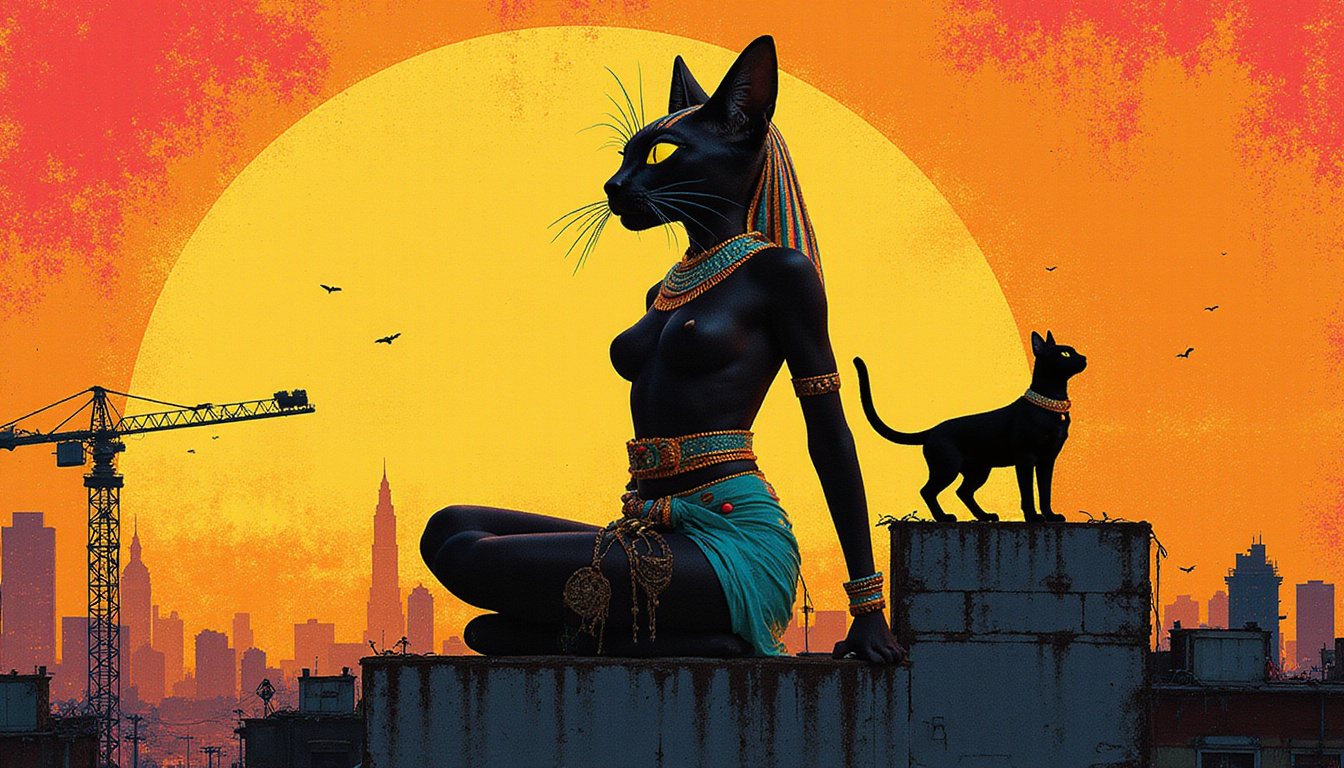
- Bastet (Cat-headed) – Protection, home, fertility, sensuality
- Thoth (Ibis- or baboon-headed) – Writing, wisdom, moon
- Sobek (Crocodile-headed) – Strength, aggression, Nile’s power
- Hathor (Cow-horned) – Motherhood, joy, music, beauty
In temples and tombs, these gods appear consistently in their animal-linked forms, creating a visual language. Anyone who understood Egyptian animal symbolism could “read” an image without a word of text.
Sacred Animals vs. Animal-Headed Gods
It’s important to distinguish:
- Iconic animals – Animals used symbolically in art, hieroglyphs, and religious imagery (like falcons or scarab beetles).
- Cult animals – Specific living animals believed to be earthly manifestations of a god, kept in temples and mummified when they died.
For example:
- At Saqqara, a sacred Apis bull was chosen and kept as a living symbol of Ptah and later Osiris.
- At Crocodilopolis, a revered crocodile (Sobek) lived in a temple lake, adorned with jewelry.
- In Bubastis, cats associated with Bastet were venerated and mummified in enormous numbers.
These practices show how Egyptian animal symbolism moved from metaphor to everyday religious life.
Key Animals and What They Symbolized
1. Cats: Protection, Grace, and the Household
Cats are probably the most iconic creatures in Egyptian animal symbolism.
Ancient meaning:
- Linked to Bastet, goddess of home, joy, fertility, and later, protection.
- Symbolized:
- Guarding the home from pests (and by extension, evil forces)
- Feminine power and sensuality
- Grace, balance, and quick reflexes
Killing a cat—even by accident—was punishable by law. Cemeteries of cat mummies show how widespread their veneration was.
Modern echoes:
- Cat-eye makeup styles inspired by Egyptian imagery
- Cat amulets, pendants, and Bastet-inspired tattoos as symbols of protection and independence
- Popular association of black cats with magic and mystery
2. Falcons and Hawks: Sky, Sight, and Kingship
The falcon, especially the Peregrine falcon, is tied deeply to Horus, the sky god and protector of the king.
Symbolic themes:
- Royal power—pharaohs were called the “Living Horus”
- Sharp vision and awareness
- The linking of earth with the heavens
Falcons were often shown perched atop royal names in cartouches, signifying divine sanction of the king’s rule.
Modern echoes:
- Falcons in national emblems across the Middle East
- Corporate and sports logos using falcons to suggest speed, power, and strategic vision
3. Scarab Beetles: Rebirth and the Power of the Sun
The scarab (dung beetle) is one of the most intriguing parts of Egyptian animal symbolism.
Why a dung beetle?
The Egyptians watched scarabs rolling balls of dung across the ground and saw in that motion a miniature version of the sun’s journey across the sky. This linked the beetle to:
- Khepri, a form of the sun god Ra associated with sunrise and renewal
- Rebirth, transformation, and the daily victory of light over darkness
Scarab-shaped amulets were placed over the heart of mummies to protect their souls in the afterlife.
Modern echoes:
- Scarab jewelry as a sign of good luck and spiritual rebirth
- Use in fantasy and pop culture as mystical or protective artifacts
4. Jackals and Dogs: Death and Protection
In the desert, jackals were often seen near cemeteries, searching for carrion. Instead of viewing them as purely threatening, Egyptians saw an opportunity for protection.
Anubis, the jackal-headed god, became:
- Guardian of tombs and cemeteries
- Patron of mummification and embalming
- Guide of souls through the underworld
This is why so many tombs include jackal statues or images—a request for Anubis’s protection against decay and disturbance.
Modern echoes:
- Anubis tattoos and art symbolizing guidance through change and personal “underworlds”
- Persistent visual link between jackal-headed figures and death in games and films
5. Crocodiles: Fearsome Power and Nile Fertility
The Nile was both life-giving and dangerous, and crocodiles embodied that paradox.
Sobek, the crocodile-headed god, represented:
- Raw physical power and aggression
- The Nile’s might and fertility
- Protection of pharaohs in warfare
Many communities both feared and worshiped local crocodiles, hoping Sobek would protect them instead of harming them.
Modern echoes:
- Crocodile motifs in jewelry and decorative art symbolizing strength and survival
- Their appearance in fiction as guardians of hidden treasures or gateways
6. Cows and Bulls: Fertility, Strength, and Kingship
Cattle—especially bulls—held strong economic and symbolic power.
Key associations:
- Hathor, often depicted with cow horns, symbolized motherhood, nurturing, music, and joy.
- The Apis bull represented virility, fertility, and later, a bridge between life and the underworld.
A powerful bull symbolized royal might and the ability to maintain order (Ma’at) across the land.
Modern echoes:
- Hathor-inspired imagery in modern goddess spirituality
- Bull symbols related to strength, wealth, and leadership (think “bull markets” today, though from a different tradition, they echo strength symbolism)
7. Snakes: Protection and Chaos at Once
Snakes reflect the dual nature of Egyptian animal symbolism: they could mean both danger and protection.
Positive side:
- The uraeus cobra on pharaohs’ crowns symbolized royal sovereignty and protective fire.
- Cobras were believed to spit flames at enemies of the king.
Negative side:
- Giant serpent Apep (Apophis) personified chaos and eternal darkness, attacking Ra’s solar boat each night.
The daily defeat of Apep by Ra and allied deities dramatized the triumph of order over chaos.
Modern echoes:
- Snakes in jewelry symbolizing protection or hidden power
- Serpent motifs in esoteric traditions as symbols of energy and transformation
Animal Symbols in Hieroglyphs and Everyday Life
Egyptian animal symbolism wasn’t limited to religion; it permeated writing and daily objects.
- Hieroglyphs: Many characters were animals—falcons, owls, vipers, lions, and more. These carried both phonetic sounds and symbolic overtones.
- Amulets: Everyday Egyptians wore animal-shaped amulets for:
- Health (frogs for fertility, fish for life in the Nile)
- Protection (lions, cats, scarabs)
- Guidance (hawks, jackals)
- Household items: Combs, spoons, mirrors, and furniture often included animal carvings that quietly invoked protection or luck.
This fusion of the practical and the symbolic is part of why Egyptian animal symbolism still feels so integrated and alive.
How Egyptian Animal Symbolism Shapes Modern Beliefs
Even if people don’t consciously study ancient Egypt, they absorb its symbols through culture and media.
In Spirituality and Personal Development
- Tarot and oracle decks use Egyptian-style cats, falcons, and scarabs to represent intuition, power, and transformation.
- Meditation and visualization practices invoke deities like Anubis, Bastet, or Horus through their animal forms to navigate grief, cultivate protection, or find clarity.
- Tattoos and jewelry draw directly on Egyptian symbols as personal talismans.
In Pop Culture and Design
- Films, games, and novels repeatedly use Egyptian animal symbolism—jackal-headed guardians, scarab tokens, cobra crowns—as shorthand for ancient wisdom, mystery, and supernatural power.
- Fashion houses and jewelry designers frequently revisit Egyptian motifs (scarabs, winged sun-discs, cat pendants) in contemporary collections.
In Psychology and Archetypes
Modern psychology often talks about archetypes—universal symbols and roles. Many Egyptian animals map neatly onto these:
- Falcon – the visionary leader
- Cat – the independent, sensual self
- Jackal – the guide through shadow and transition
- Scarab – the rebirth after crisis
These archetypes still resonate because they’re rooted in real ecological behaviors translated into human meaning.
Practical Ways to Use Egyptian Animal Symbolism Today
If you’re drawn to these symbols, you can work with them thoughtfully and respectfully:
- Choose an animal ally – Reflect on which animal’s traits you need: cat (boundaries, grace), falcon (clarity, leadership), scarab (reinvention), jackal (navigating grief).
- Use symbolic objects – Wear a scarab pendant for resilience or a Bastet charm for home protection.
- Journaling – Ask: “What would Horus (falcon) see from above in this situation?” or “How would Anubis help me let go?”
- Study the history – Read museum or academic resources to avoid oversimplifying or misusing sacred signs. The British Museum and The Metropolitan Museum of Art provide accessible introductions and artifact collections (source: The Metropolitan Museum of Art – Ancient Egypt).
Approaching these symbols with curiosity and respect turns them from aesthetic decoration into meaningful guides.
FAQ: Egyptian Animal Symbolism and Its Meanings
1. What is Egyptian animal symbolism in religion and art?
Egyptian animal symbolism is the use of animals to represent divine powers, natural forces, and human qualities in ancient Egyptian religion and art. Animals like cats, falcons, jackals, crocodiles, and scarabs were associated with specific gods and concepts such as protection, kingship, rebirth, and the afterlife.
2. How did Egyptians choose animals to symbolize gods and concepts?
The Egyptians based their animal symbolism on keen observation. They chose animals whose natural behaviors fit the qualities of a god or idea: falcons for their keen vision (Horus), jackals for their presence around cemeteries (Anubis), scarab beetles for rolling the “sun” across the earth (Khepri), and cats for guarding homes and displaying agility (Bastet).
3. How is Egyptian sacred animal symbolism used in modern spirituality and culture?
Today, sacred Egyptian animal symbolism appears in tattoos, jewelry, tarot and oracle decks, meditation practices, logos, and entertainment media. People use symbols like the scarab for transformation, the cat for independence and protection, and the falcon for higher vision, often blending historical meanings with personal significance.
Egyptian animal symbolism offers an elegant, powerful way to think about nature, spirit, and self. If you feel drawn to these ancient creatures—whether as art, talismans, or spiritual guides—go deeper. Explore their original stories, study credible sources, and reflect on which animal energies best support your current journey.
Let these timeless symbols do what they’ve always done: connect the human world to something larger, and help you move through life with more clarity, courage, and meaning.
Animals have inspired symbols and beliefs across cultures for centuries. Discover how these traditions connect with psychology, spirituality, and human consciousness at SpiritualMindScience.com.