Double Happiness Rituals That Transform Your Home and Relationships
Double happiness isn’t just a pretty symbol you see on red wedding banners. When you intentionally weave double happiness into your environment and daily routines, it can become a practical framework for deepening love, creating harmony, and transforming your home into a sanctuary of connection.
This article explores the origins and meaning of double happiness, then walks through simple, modern rituals you can use at home—whether you’re single, dating, or long married—to nurture more joy in your space and your relationships.
What Does Double Happiness Really Mean?
The double happiness symbol (囍, shuāngxǐ) is a traditional Chinese character formed by joining two copies of the character for joy or happiness (喜) side by side. Historically, it’s associated with:
- Marriage and partnership
- Good fortune and blessings
- Harmony between two families
- A wish for long-lasting love and prosperity
Today, people around the world use double happiness motifs not only in wedding decor, but also in interior design, art, and jewelry as a reminder of:
- Mutual support instead of solo striving
- Shared growth instead of individual gain
- Love as a daily practice instead of a one-time promise
Bringing this concept into your home is less about “good luck” superstitions and more about designing intentional rituals that support two-way happiness: yours and the people you live with and love.
Turning Your Home Into a Double Happiness Sanctuary
Before you think about big changes, the first step is making your space feel emotionally safe and welcoming. A double happiness home isn’t perfect; it’s a place where connection is easier than conflict.
1. Create a Shared Intention Corner
Designate a small area—a shelf, a side table, or even a windowsill—as your “double happiness corner.” This becomes a visual anchor for your partnership or family.
Include items that represent:
- You as individuals – a book, photo, or object that’s meaningful to each person
- You together – a framed photo, shared travel souvenir, or memento from a milestone
- Your future – a small notebook with written intentions, or a vision board image
If you like, place a physical double happiness symbol here—a print, wood carving, or ceramic piece—as a reminder that your joy is connected.
Ritual idea: Once a week, stand or sit together at this corner and each share:
- One thing you appreciated about the other person this week
- One intention you have for the coming week as a partner/household
This weekly micro-ritual takes five minutes yet steadily enriches emotional intimacy.
Double Happiness Rituals for Daily Connection
Rituals don’t have to be elaborate. The most transformative ones are simple, repeatable, and realistic when you’re tired or busy.
2. The “Two Minutes, Two Questions” Evening Check-In
Instead of defaulting to scrolling or TV, build in a brief daily connection ritual. It doesn’t need to be long to be powerful.
Every evening, ask each other two questions:
- “What’s one thing that went well for you today?”
- “Is there anything you need support with right now?”
Rules:
- No problem-solving unless the person asks for it
- No phones during the two minutes
- Listen without interrupting or one-upping stories
Why it works: Research on relationships and positive psychology shows that regularly sharing good news and emotional states builds trust, empathy, and satisfaction over time (source: Greater Good Science Center, UC Berkeley).
This small ritual reinforces double happiness by acknowledging that your joy and struggles matter to each other.
3. The “Double Yes” Household Decision Rule
Household decisions—money, decor, chores—are often where resentment creeps in. Use a simple “Double Yes” rule for key decisions:
- For major changes (big purchases, moving furniture, committing to a trip), both people must feel like it’s at least a 7/10 yes.
- If one person is at 4/10 and the other is at 10/10, you pause and renegotiate instead of pushing through.
This practice:
- Reduces hidden resentment
- Encourages honest communication
- Reinforces that both people’s happiness carries real weight
Over time, the habit of looking for a double yes creates a culture where neither person is expected to constantly sacrifice or “just go along.”
4. A Weekly Double Happiness Date at Home
You don’t need a fancy restaurant. Select a consistent time each week for a “double happiness date” at home, tailored to your budget and energy.
Keep three simple rules:
- It must be intentional – not just watching whatever is on TV
- It must involve interaction – talking, doing, or creating together
- It must be enjoyable for both – no one is silently tolerating the plan
Some ideas:
- Cook a new recipe together and rate it
- Have a “memory night”: pull out old photos and tell the stories behind them
- Do a joint declutter of one small area, then celebrate with tea or dessert
- Play a cooperative board game where you win together, not against each other
The point is quality of attention, not extravagance.
Using the Double Happiness Symbol in Decor (Without Overdoing It)
You don’t have to turn your home into a themed set. A few thoughtful placements of the double happiness motif can create subtle reminders of your priorities.
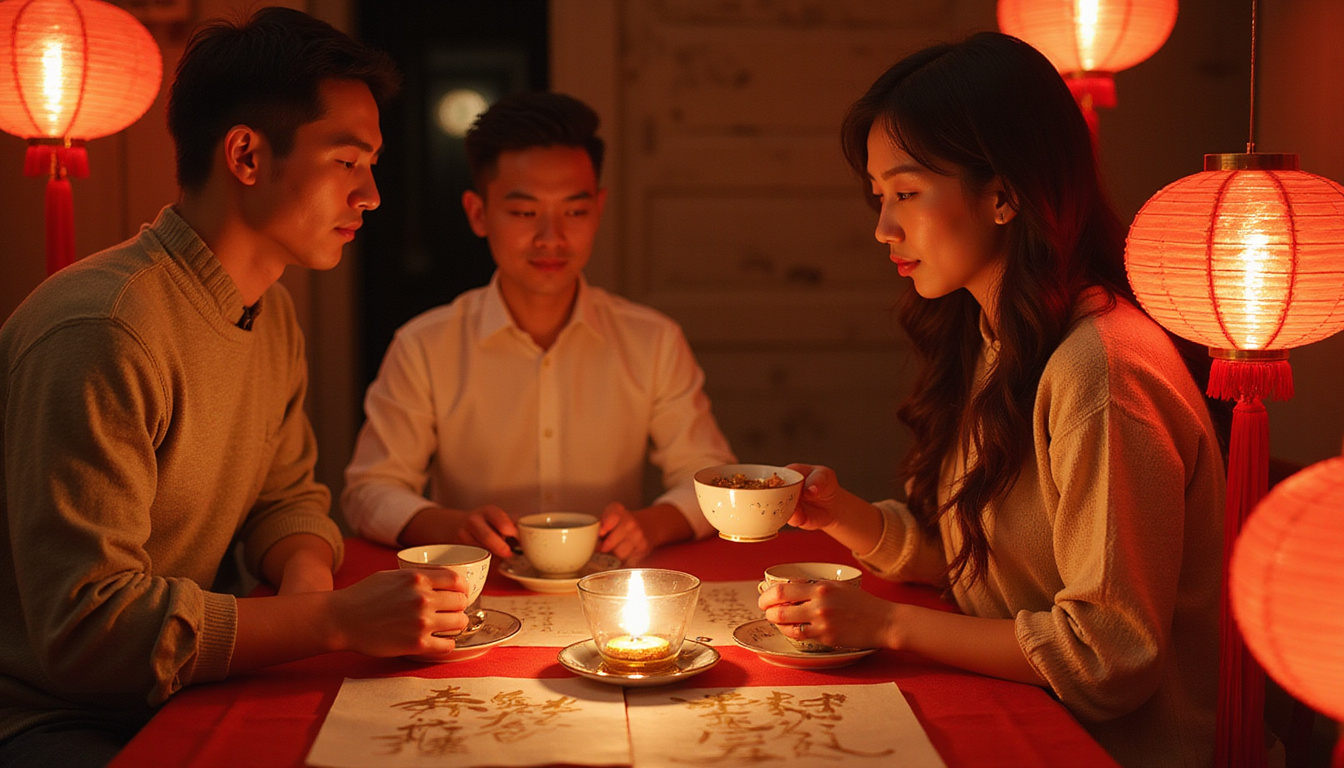
5. Symbol Placement With Meaning
Consider these spots:
- Bedroom: A small piece of double happiness art above a dresser or on a side table—symbolizing rest, intimacy, and emotional safety
- Dining area: A modest wall print or coaster set—representing nourishment and shared meals
- Entryway: A discreet symbol near the door—signaling that anyone entering is stepping into a space where connection is valued
Keep it balanced. Too many repeated symbols can feel visually overwhelming or kitschy. Choose quality over quantity.
Double Happiness Rituals for Conflict and Repair
No relationship is conflict-free. The difference in high-quality relationships is how couples navigate and repair conflict.
6. The “Happiness Pause” During Arguments
Borrow the idea of double happiness as a shared goal, even in disagreements.
Agree in advance on a signal word or phrase—“pause,” “double happiness,” or even a hand gesture—that either person can use when a discussion turns unproductive.
When someone calls the pause:
- Both stop talking for 60–90 seconds.
- Each person silently asks themselves:
- “What am I really needing right now?”
- “What might they be needing right now?”
- After the pause, each person shares their need in one simple sentence:
- “I need to feel heard.”
- “I need reassurance you’re on my side.”
- “I need time to process before deciding.”
This doesn’t magically resolve every conflict, but it shifts focus from “winning” to shared well-being—a core of genuine double happiness.
7. The “Double Apology” Repair Ritual
After a fight or tense moment, use a repair ritual that honors both experiences.
Each person says two things:
- “I’m sorry for…” (name one specific behavior without excuses)
- “I appreciate that you…” (name one genuine strength or caring action)
Example:
- “I’m sorry for raising my voice. I appreciate that you stayed in the conversation instead of storming off.”
This double apology doesn’t assign all blame to one person; instead, it highlights accountability and appreciation on both sides.
Double Happiness for Singles and Non-Romantic Relationships
Double happiness isn’t only for couples or married people. You can apply the same principles to friendships, family relationships, and even your relationship to yourself.
8. A Self–Other Happiness Balance Check
If you tend to over-give or under-give, do a simple monthly check-in:
- Where am I neglecting my own happiness to keep the peace?
- Where am I focusing so much on my own comfort that I ignore others’ needs?
Choose one small, concrete action for each:
- One step toward your own joy (rest day, class, hobby)
- One step toward someone else’s joy (thoughtful message, help with a task, shared time)
This keeps your life aligned with the spirit of double happiness: both your well-being and the well-being of those around you matter.
A Simple Double Happiness Ritual Roadmap
To make this practical, here’s one way to start integrating these ideas into your week.
This month, try:
- Set up a small double happiness corner with personal + shared items.
- Choose a 2-minute daily check-in time and stick to it for seven days.
- Schedule one weekly at-home date or connection activity.
- Agree on a “Happiness Pause” signal word for conflicts.
- Add one small piece of double happiness decor in a meaningful spot.
Then, at the end of the month, ask each other:
- “What feels better between us or in the house?”
- “Which ritual was most helpful—and which felt forced?”
Keep what works and gently drop what doesn’t.
FAQ: Double Happiness in Modern Life
Q1: How can I use double happiness in everyday life without a partner?
Focus on pairings in your routines: match self-care with care for others. For example, pair your daily coffee with sending one kind message, or match a weekly treat for yourself with a small act of generosity for a friend. You’re still practicing double happiness—yours and someone else’s.
Q2: What are some double happiness wedding or anniversary ideas at home?
Cook a traditional or meaningful dish together, create a double happiness corner with your wedding or couple photos, exchange updated vows or promises, and end with a short gratitude ritual where you each name three things you’re grateful for in the relationship.
Q3: Is the double happiness symbol good feng shui for my bedroom?
Many people use double happiness symbols in the bedroom to invite romantic harmony, especially when placed thoughtfully rather than cluttered. Pairing items—two lamps, two pillows, art that comes as a pair—along with a subtle double happiness motif can support a sense of balance and partnership, aligning with common feng shui principles.
Bring Double Happiness Into Your Home Starting Today
Transforming your relationships doesn’t require grand gestures or perfect communication; it requires small, consistent rituals that remind you: both people’s happiness matters.
Start with just one practice from this guide—a two-minute check-in, a shared intention corner, or a weekly at-home date. Watch how these simple double happiness rituals soften tension, deepen understanding, and turn your home into a place where joy is truly shared.
If you’d like help designing personalized double happiness rituals for your unique home and relationship, consider setting aside 20 minutes this week to sit down with your partner or loved one, choose one idea from here, and commit to trying it together. Your next chapter of shared happiness can start with that single, intentional choice.
Explore the Science Behind Spirituality
This guide explored the meaning and history of good luck symbols. To discover the psychology, consciousness, and scientific perspectives behind spiritual beliefs, visit SpiritualMindScience.com.