A conch shell is more than a seaside souvenir—it’s a versatile piece of natural art you can display, craft with, or even sell for profit. Whether you picked one up on vacation or inherited a collection, learning how to decorate, clean, and ethically sell conch shells will help you get the most out of these ocean treasures.
Below is a practical, people-first guide that covers everything: safe cleaning methods, creative decor ideas, basic valuation tips, and how to stay on the right side of the law when buying or selling.
Understanding the Conch Shell: Types, Value, and Ethics
Before you start scrubbing or listing anything online, it’s important to understand what kind of conch shell you have and whether it’s legal to sell.
Common types of conch shells
Some of the most recognizable shells called “conch” include:
- Queen Conch (Lobatus gigas) – Classic pink interior, found in the Caribbean; heavily regulated.
- Fighting Conch (Strombus alatus) – Smaller, thicker shell, common in Florida and the Gulf of Mexico.
- Horse Conch (Triplofusus giganteus) – Large, orange interior; technically not a “true conch,” but often grouped with them.
- Roaring/King Conch – Regional names for large conch-like shells that can be used as horns.
Identifying your conch shell can help you understand its desirability, legal status, and approximate value.
Legal and ethical considerations
Many conch species, especially the Queen Conch, face overharvesting and habitat loss. International trade of some conch shells is regulated under CITES (the Convention on International Trade in Endangered Species) and local wildlife laws (source: U.S. Fish & Wildlife Service).
Key points to keep in mind:
- Harvesting live conch may be illegal in many areas.
- Exporting or importing certain conch shells across borders may require permits.
- Vintage or pre-regulation shells are often easier to sell but still need proof of legality in some jurisdictions.
- When buying conch shells, choose reputable dealers who can confirm ethical sourcing.
If you’re unsure, check your local fish and wildlife or environmental protection agency’s guidelines before selling or shipping a conch shell.
How to Clean a Conch Shell Safely (Inside and Out)
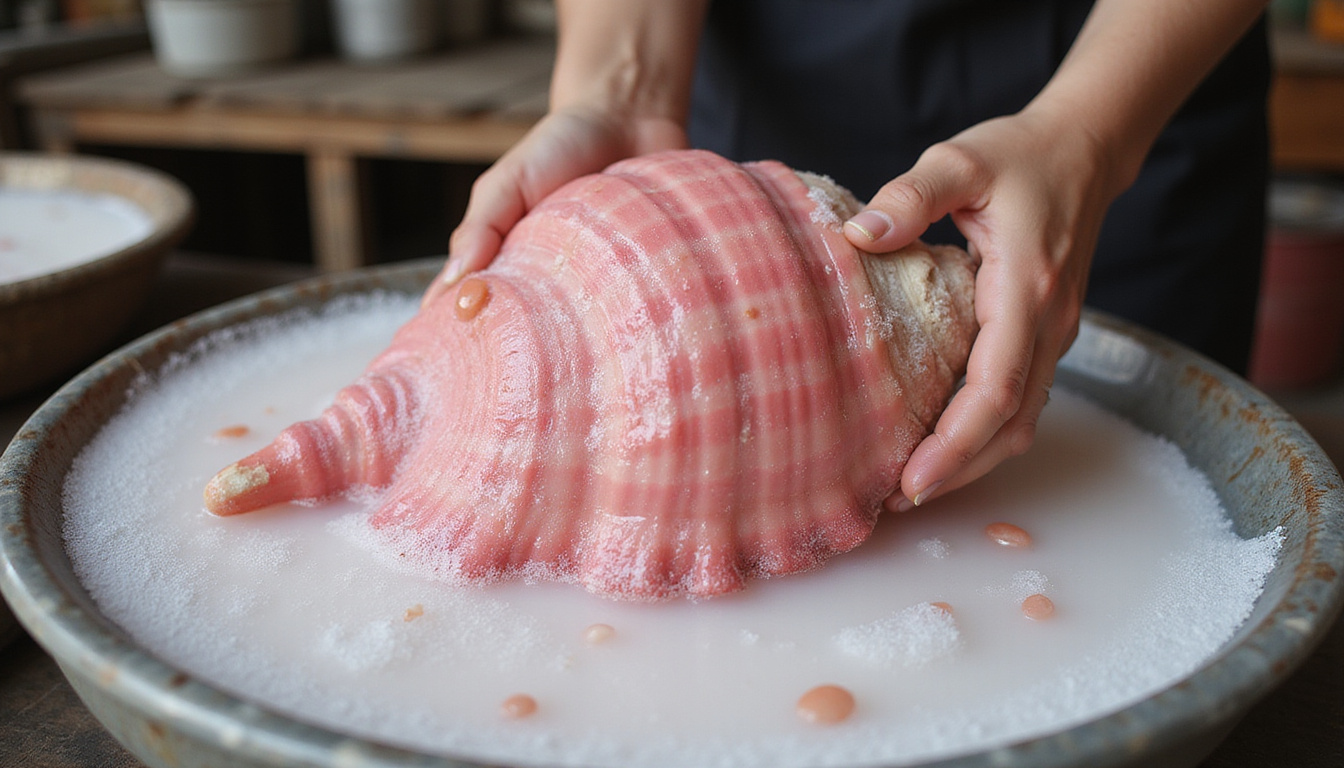
Cleaning a conch shell correctly enhances its beauty and prevents odor or decay. Rushing the process or using harsh chemicals can damage the shell’s natural gloss.
Step 1: Remove any tissue and initial debris
If your conch shell was recently collected or still has tissue:
- Freeze the shell in a bag for 24–48 hours to stop decomposition.
- Thaw and gently remove any remaining tissue with tweezers or a small tool.
- Soak the shell in fresh water for 24–72 hours, changing the water daily, to draw out remaining organic material and reduce smell.
For an already dried, empty conch shell, a rinse under running water is usually enough before deeper cleaning.
Step 2: Soak to remove odor and surface grime
Prepare a mild cleaning solution:
- Warm water
- A splash of dish soap or a small amount of baking soda
Soak the conch shell for several hours. Use a soft brush (old toothbrush or soft nylon brush) to gently scrub crevices and the outer surface. Avoid steel wool or very stiff brushes that can scratch the shell.
Step 3: Whiten carefully (if you want a lighter look)
If you prefer a whiter conch shell and don’t mind losing some natural color:
- Mix 1 part household bleach to 3–4 parts water.
- Soak the shell for no more than 10–15 minutes.
- Rinse thoroughly in fresh water and let it dry completely.
Bleach can weaken and dull the shell if overused, so do not soak for long or repeatedly. If you want to preserve natural colors, skip bleach altogether and stick with soap or baking soda solutions.
Step 4: Polish and protect the sheen
To give your conch shell a smooth, glossy finish:
- Allow the shell to air-dry fully (24 hours or more).
- Apply a small amount of mineral oil, baby oil, or food-safe mineral conditioner with a soft cloth.
- Buff gently until the shell has a subtle shine.
For display-only shells, some people use a clear acrylic spray (matte or gloss) for a protective coat. If you do this:
- Spray lightly from 8–12 inches away.
- Use multiple thin coats rather than one heavy coat.
- Only use sprays outdoors or in a well-ventilated area.
Stunning Ways to Decorate with a Conch Shell
A conch shell is a ready-made focal point. You can highlight its natural beauty or incorporate it into more elaborate designs for coastal, boho, or minimalist interiors.
1. Standalone display pieces
Let the shell’s form speak for itself:
- Place a large conch as a centerpiece on a coffee table or console.
- Set it on a small stand or easel on a bookshelf.
- Display multiple shells of varying sizes in a shadow box or glass-front cabinet.
To make the shell stand out, pair it with simple decor: a stack of neutral-colored books, a small plant, or a candle.
2. Coastal table decor
Conch shells work beautifully in tablescapes:
- Arrange one or two shells with driftwood, coral replicas, and sea glass on a tray.
- Use mini conch shells as place card holders at a dinner party.
- Fill a wide glass bowl with sand and top it with a polished conch as a dining table centerpiece.
For special events like beach weddings, a large conch shell can hold flowers or serve as a card holder at the gift table.
3. Wall art and framed displays
Transform your shell into wall decor:
- Mount lightweight conch shells on a wooden plaque or board.
- Frame high-quality photographs of your shell alongside the shell itself.
- Create a gallery wall with small shells, starfish, and nautical prints.
Use strong adhesive or small brackets when mounting heavier conch shells to ensure they’re secure.
4. Functional decor: lamps, planters, and more
A larger conch shell can be both beautiful and practical:
- Conch shell lamp: Place a small LED puck light or fairy lights inside for a soft glow.
- Air plant holder: Nestle air plants or small succulents in the opening (avoid soil and overwatering).
- Catch-all dish: Use a broad, open conch as a place to hold keys, jewelry, or coins near your entryway.
Always ensure any modifications (like drilling or wiring) are done safely and without cracking the shell.
5. Creative craft projects
If you’re into DIY, a conch shell can be the centerpiece of craft projects:
- Painted conch shell: Use acrylic paint to add patterns, mandalas, or metallic finishes.
- Holiday decor: Turn smaller shells into ornaments by adding hooks, ribbon, or glitter edges.
- Shell wind chime: Combine mini conch shells with other shells, beads, and driftwood for a soothing outdoor chime.
Seal painted surfaces with a clear topcoat to prevent chipping.
Turning a Conch Shell into a Horn (Conch Trumpet)
One of the most iconic uses of a conch shell is as a wind instrument. If you have a sturdy, thick conch shell, you can convert it into a horn.
Basic method to make a conch shell horn
- Select a shell with an intact spiral tip and comfortable hand grip.
- Mark the apex (the pointed tip) where you’ll create the mouthpiece.
- Use a rotary tool, drill, or fine saw to carefully remove the tip, creating an opening large enough for your lips.
- Smooth edges with fine sandpaper.
- Blow into the opening as you would a brass instrument, adjusting lip tension.
If you’re not experienced with tools, ask a craftsperson or instrument maker to help. Done properly, a conch shell horn can produce deep, resonant notes used in ceremonies and performances around the world.
How to Price and Sell a Conch Shell
If your goal is to sell, you need to understand the market. Not all conch shells fetch high prices, but certain specimens can be quite valuable.
Factors that affect conch shell value
- Species and rarity: Protected or rare species (legally obtained) are more sought after.
- Size: Larger conch shells typically command higher prices.
- Condition: Chips, cracks, and heavy erosion reduce value; intact lips and tips are ideal.
- Color and pattern: Vivid pink interiors or unusual patterns can increase desirability.
- Polish and cleaning: A well-cleaned, polished conch shell looks more attractive to buyers.
- Provenance: Documentation showing legal collection or age (vintage/antique status) can justify higher prices.
Research similar listings on reputable marketplaces to gauge average sale prices for your type and size of shell.
Where to sell a conch shell
You have several options:
- Online marketplaces: eBay, Etsy, or specialized shell-collecting forums.
- Antique shops: Some dealers purchase vintage natural history items and nautical decor.
- Local craft fairs: Sell cleaned or decorated shells directly to customers.
- Wholesale to artisans: Artists may buy conch shells in bulk for their own projects.
When selling online, include multiple clear photos (close-ups of the interior, exterior, and any flaws) and measurements.
Essential listing info to include
When you create a listing to sell a conch shell, make it detailed and transparent. At minimum, include:
- Species or best identification (e.g., “Queen Conch shell, likely Lobatus gigas”).
- Exact size (length, width, approximate weight).
- Condition (chips, repairs, natural wear).
- Origin (region found, approximate date collected if known).
- Any legal notes or disclaimers (e.g., “Vintage shell, purchased in 1980s in Florida; check local import rules before purchase”).
Honesty builds trust and reduces the risk of returns or disputes.
Quick Safety and Care Tips
To keep your conch shell beautiful over time:
- Avoid direct, harsh sunlight for long periods; it can fade colors.
- Dust regularly with a soft, dry cloth or feather duster.
- Keep away from extreme heat sources (radiators, fireplaces) that may brittle the shell.
- Handle large conch shells with two hands to avoid drops and cracks.
- If displaying in a bathroom, ensure proper ventilation to prevent mold or mildew.
FAQ About Conch Shells
Q1: How do I clean a conch shell from the beach without damaging it?
Rinse your conch shell in fresh water, soak it in a mild dish soap solution, and gently scrub with a soft brush. If you want a brighter look, use a very diluted bleach solution for under 15 minutes, then rinse thoroughly. Avoid harsh scrubbing tools or strong chemicals that can erode the shell’s surface.
Q2: Are conch shells worth money and how can I tell?
Some conch shells are valuable, especially large, intact specimens of desirable species like the Queen Conch. Value depends on species, size, condition, color, and legality. Compare your conch shell to similar listings on reputable sites to estimate price, and keep any documentation proving it was collected legally.
Q3: Is it legal to sell a queen conch shell online?
In many places it’s legal to own or sell a queen conch shell if it was obtained legally and local and international wildlife laws are followed. However, there are strict regulations on harvesting and exporting queen conch. Always check your country’s and the buyer’s country’s wildlife and customs regulations before shipping a conch shell.
A well-chosen and well-cared-for conch shell can elevate your decor, become a unique instrument, or bring in extra income. With proper cleaning, creative display ideas, and a clear understanding of legal and market considerations, you’ll be ready to showcase, cherish, or sell your shells with confidence.
If you’re ready to take the next step, start by choosing one conch shell from your collection today: clean it using the methods above, style it in a special place in your home, or photograph it for a trial listing online. That single action will turn a forgotten souvenir into a purposeful piece of your decor—or a surprisingly profitable item in your side hustle.
Explore the Science Behind Spirituality
This guide explored the meaning and history of good luck symbols. To discover the psychology, consciousness, and scientific perspectives behind spiritual beliefs, visit SpiritualMindScience.com.