Butterfly Secrets Every Gardener Needs to Know to Attract More Pollinators
If you want a thriving, colorful, and productive garden, understanding the humble butterfly is one of the smartest moves you can make. Butterflies are more than just pretty visitors; they’re hard‑working pollinators that help fruits, vegetables, and flowers set seed and flourish. By learning a few key secrets about how butterflies live, feed, and reproduce, you can transform your yard or balcony into a magnet for these essential insects.
Why Butterflies Matter So Much in Your Garden
Butterflies play a vital role in pollination. While they’re not as efficient as bees on a per‑visit basis, they:
- Travel long distances, spreading pollen widely
- Visit many types of flowers, adding diversity to pollination
- Help support the broader food web—birds, bats, and other wildlife eat caterpillars and adults
Pollinator numbers are declining globally due to habitat loss, pesticide use, and climate change (source: U.S. Forest Service). Offering sanctuary to butterflies in your garden isn’t just aesthetically rewarding; it’s a small but meaningful act of conservation.
Secret #1: Think Like a Butterfly—Provide for Every Life Stage
A common mistake is to plant nectar flowers and stop there. To truly support butterflies, your garden needs to serve all stages of their life cycle:
- Egg – Laid on specific “host plants” by adult females
- Caterpillar (larva) – Eats leaves of those host plants
- Chrysalis (pupa) – Requires safety and shelter
- Adult butterfly – Needs nectar, water, and sun
If any one stage is missing, butterflies may visit briefly but won’t stay, reproduce, or build a lasting population in your yard.
Host Plants: The Caterpillar’s Critical Food Source
Many butterflies are picky about where they lay eggs. Caterpillars can only eat certain plants known as host plants. A few classic examples:
- Monarchs – Milkweeds (Asclepias species)
- Black swallowtails – Dill, fennel, parsley, carrot, Queen Anne’s lace
- Painted ladies – Thistles, mallows, hollyhocks
- Gulf fritillaries – Passionflower vines
Without host plants, no caterpillars. Without caterpillars, no new butterflies.
Gardener tip: Be willing to sacrifice some leaves. Chewed foliage is a sign of success, not failure.
Secret #2: Offer a Nectar Buffet From Early Spring to Frost
Adult butterflies need nectar as their main energy source. To keep them around, provide a sequence of bloom from early spring through late fall.
The Best Flower Shapes and Colors for Butterflies
Butterflies prefer flowers that:
- Have flat or clustered tops (easy to land on)
- Are rich in nectar, not just showy
- Often come in red, purple, pink, yellow, or orange
Excellent butterfly-friendly choices include:
- Spring: Phlox, dianthus, native violets, creeping thyme
- Summer: Coneflower (Echinacea), bee balm, zinnias, butterfly bush (Buddleja), lantana, yarrow
- Late season: Asters, goldenrod, sedum ‘Autumn Joy’, hardy mums
Plant several of each type together. Small, isolated plants are harder for a butterfly to spot and less worth the energy of a visit.
Secret #3: Sun, Warmth, and Shelter Are Non‑Negotiable
Butterflies are cold‑blooded and must warm their bodies to fly. If your garden doesn’t offer the right microclimate, even great flowers may go unused.
Create a Butterfly Microclimate
Provide:
- Sunny spots: 6+ hours of direct sun is ideal
- Wind breaks: Hedges, shrubs, or fences to block harsh winds
- Basking areas: Flat stones or pavers in sunny locations where butterflies can spread their wings
On cool mornings, you’ll often see butterflies resting on rocks or dark mulch to soak up warmth before they begin foraging.
Secret #4: Water and Minerals Matter More Than You Think
Butterflies don’t drink from birdbaths the way birds do. Instead, they engage in “puddling”—sipping moisture from shallow, mineral-rich sources.
How to Make a Puddling Station
Create a simple puddling area with:
- A shallow dish or plant saucer
- Sand or fine gravel
- Water mixed with a pinch of sea salt or wood ash
Keep it just damp, not flooded. Place it in a sunny, sheltered spot. Male butterflies especially are attracted to these areas to collect minerals important for reproduction.
Secret #5: Ditch (or Dramatically Reduce) Pesticides
Many common garden sprays—both chemical and “natural”—can harm butterflies and caterpillars. If you want more butterflies, you have to accept some level of insect activity.
Smarter Pest Management for Butterfly Gardens
- Spot treat only when necessary – Avoid broadcast spraying
- Use physical controls – Hand‑pick certain pests; use row covers on vegetables not intended for butterflies
- Attract beneficial insects – Lacewings, ladybugs, and predatory wasps help keep pests in check
- Read labels carefully – Even organic treatments like Bt can kill caterpillars, including butterfly larvae
A healthy, diverse garden often balances itself over time, especially when pollinators and predators are abundant.
Secret #6: Native Plants Are a Butterfly Magnet
While butterflies will visit many ornamental plants, native plants are often the backbone of a truly effective butterfly garden. They evolved alongside local butterfly species and tend to provide:
- More accessible nectar
- Better‑timed bloom periods
- Essential host plants for specific species
Examples of Native Butterfly Favorites (Region‑Dependent)
While plant species differ by location, some general categories to look for at native plant nurseries include:
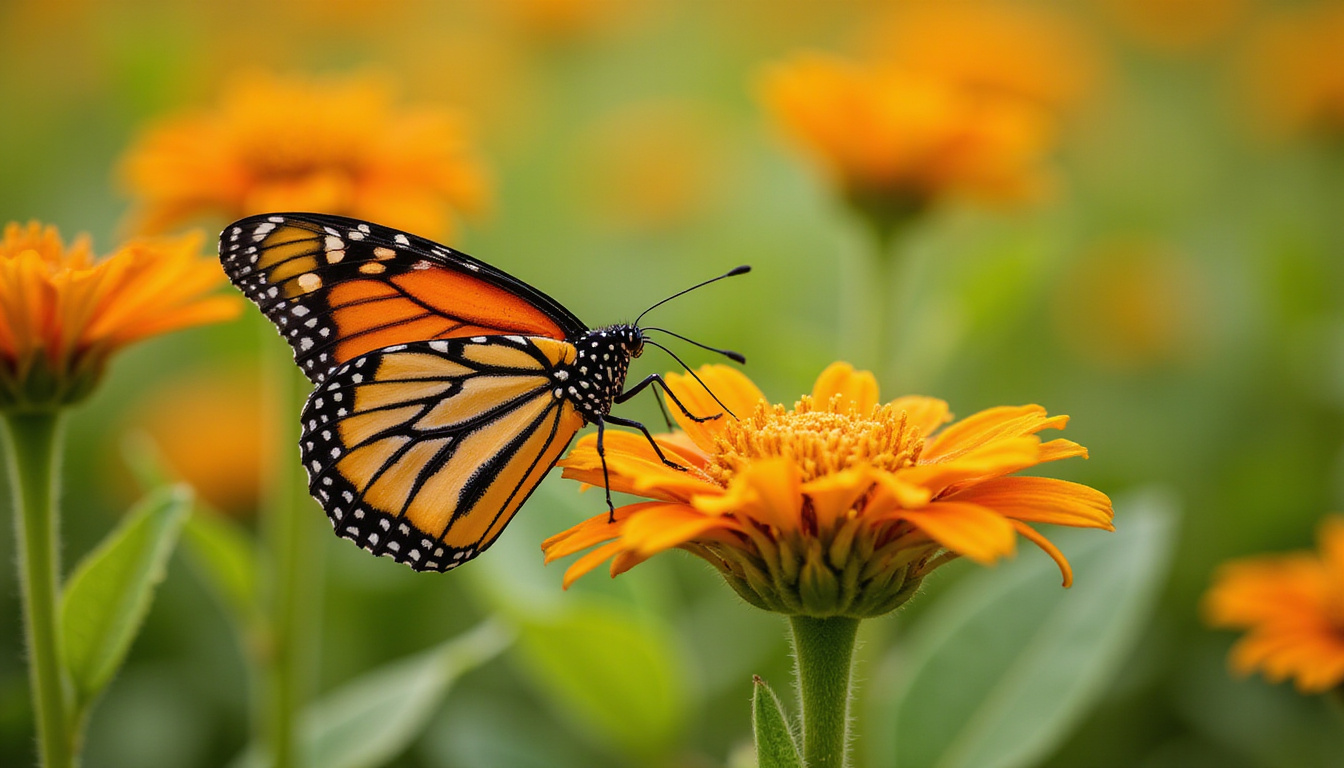
- Native milkweeds (for Monarchs)
- Native asters and goldenrods (critical late-season nectar)
- Native grasses like little bluestem (shelter and habitat)
- Regional shrubs such as buttonbush, New Jersey tea, or wild viburnums
Check with local extension services or native plant societies for a list tailored to your area.
Secret #7: Design Your Garden Like a Butterfly Highway
Butterflies are highly visual and respond better to well-structured plantings than to random scatterings of flowers.
Planting Layout That Attracts More Butterflies
Use these simple design principles:
- Cluster plants: Group 3–7 of the same species together
- Vary heights: Layer groundcovers, perennials, and shrubs to create structure
- Create “landing zones”: Leave open sunny spaces amid plantings
- Think connectivity: If you have space, create several patches of nectar and host plants so butterflies can move safely from one to another
Even a small balcony can become a mini “stopover” on the butterfly highway if it offers flowers, host plants, and some shelter from wind.
Secret #8: Plan for Continuous Color and Food
Gaps in bloom mean gaps in food supply. When nectar dries up, butterflies move on or fail to thrive.
Use this quick checklist to plan:
- Do you have early, mid, and late-season bloomers?
- Are there multiple species flowering in each season?
- Do some plants offer large, long-lasting flower heads?
- Are there evening or partial shade flowers for species active in cooler parts of the day?
Review your garden month by month and note when color or nectar seems scarce, then fill those holes next planting season.
Secret #9: Accept “Imperfect” Beauty
A butterfly‑friendly garden often looks wild compared to a manicured lawn. You might see:
- Leaves with holes from hungry caterpillars
- Spent flower heads going to seed
- Taller, more naturalistic plant groupings
This is not neglect; it’s habitat. Leaving seed heads, stems, and some leaf litter can provide overwintering sites for chrysalides and shelter for other beneficial insects.
If you’re worried about appearances, you can:
- Keep clean edges along paths and beds
- Add decorative markers or signs explaining your pollinator garden
- Maintain a few neat focal points (like pots or a trimmed hedge) to frame wilder areas
Secret #10: Observe, Record, and Adjust
Every garden is unique, and butterflies respond differently depending on local climate, plant selection, and surrounding landscape.
Make it a habit to:
- Sit and watch: Notice which flowers get the most visits and at what times of day
- Take photos or notes: Track which butterflies appear in which months
- Experiment: Swap out underperforming plants for more popular ones
- Connect locally: Join garden clubs or online groups to learn which butterfly species are common in your area and what they prefer
Over a season or two, your garden will become more finely tuned to the specific butterfly species that can thrive where you live.
Simple Starter Plan: Your First Butterfly Bed
To make all this practical, here’s one example layout for a sunny 4×8 foot bed:
-
Back row (tall):
- 2–3 clumps of native asters
- 2 clumps of goldenrod
-
Middle row (medium):
- 3 coneflowers
- 3 bee balm plants
-
Front row (low):
- 5–7 dwarf zinnias or marigolds
- A narrow strip of creeping thyme or phlox
-
Nearby features:
- 1–2 milkweed plants (off to the side if you’re short on space)
- A small puddling station
- A flat stone in full sun for basking
From this modest setup, you can expand over time, adding more host plants and nectar sources as you see which butterflies appear.
FAQ About Butterflies and Pollinator Gardens
Q1: What flowers attract butterflies the most?
Flowers with flat clusters and rich nectar are best for attracting butterflies—think coneflower, bee balm, butterfly bush, lantana, zinnias, asters, and goldenrod. Native versions of these or similar species in your region often draw the widest variety of pollinators.
Q2: How do I attract Monarch butterflies specifically?
To attract Monarch butterflies, you must grow milkweed, their only caterpillar host plant. Combine milkweed with a range of nectar plants like liatris, zinnias, and late-season asters. Avoid pesticides, and provide sunny resting spots and a small puddling area.
Q3: Can I attract butterflies in a small space or on a balcony?
Yes. Use containers with nectar plants such as zinnias, verbena, dwarf lantana, and compact milkweed varieties. Add a shallow dish with damp sand for puddling and try to position pots in a sunny, sheltered area away from strong winds.
Inviting more butterflies into your garden is less about luck and more about informed design. When you provide host plants for caterpillars, nectar for adults, warmth, water, and a pesticide‑free refuge, butterflies respond quickly—and so do bees and other pollinators.
Start with a few well-chosen plants and one small sunny corner, observe which butterflies arrive, and build from there. With each season, your space can become a richer, more vibrant ecosystem. Begin planning your butterfly garden today, and turn your yard, patio, or balcony into a living sanctuary for pollinators that will reward you with beauty, biodiversity, and better blooms for years to come.
Explore the Science Behind Spirituality
This guide explored the meaning and history of good luck symbols. To discover the psychology, consciousness, and scientific perspectives behind spiritual beliefs, visit SpiritualMindScience.com.