Buddha hand is one of the most striking and fragrant members of the citrus family. With its finger-like segments and powerful floral aroma, this unusual fruit is prized by chefs, bartenders, gardeners, and anyone who loves unique ingredients. Although it looks exotic, it’s surprisingly easy to use and even possible to grow at home with the right care.
Below, you’ll learn what Buddha hand is, how to cook and bake with it, ways to use it in drinks and around the house, and practical growing tips so you can enjoy this amazing citrus from garden to kitchen.
What Is Buddha Hand?
Buddha hand (Citrus medica var. sarcodactylis) is a variety of citron, one of the oldest cultivated citrus fruits. Unlike lemons or oranges, it rarely has juice or pulp. Instead, it’s almost entirely rind (zest) and pith, with:
- Bright yellow “fingers” extending from a central base
- An intense, sweet-floral and lemony perfume
- A thick, non-bitter pith that’s surprisingly pleasant to eat when prepared well
It’s widely used in Chinese and Japanese cultures both as a culinary ingredient and as a symbol of good luck, happiness, and longevity. In Buddhist traditions, the closed-finger form is often offered on altars, symbolizing prayerful, folded hands.
How Does Buddha Hand Taste and Smell?
Because most of the fruit is peel, the flavor and fragrance are all about the zest:
- Aroma: Strong lemon blossom, with notes of jasmine, violets, and yuzu
- Flavor: Bright and citrusy without the harsh bitterness of some citrus peels
- Texture: Firm and crunchy when raw; tender when candied or cooked
Since Buddha hand lacks juice, it’s less about squeezing and more about infusing, zesting, and candying. Think of it as a high-end “flavor bomb” rather than a juicing citrus.
Culinary Uses for Buddha Hand
1. Zest for Cooking and Baking
The zest is the star of Buddha hand. You can grate or finely chop it:
- Into cakes, cookies, and quick breads
- Over roasted vegetables or fish
- In salad dressings and marinades
- Into rice or grain dishes for aromatic lift
Because the fruit is mostly rind, you get a generous amount of zest from a single Buddha hand. Grate only the bright yellow outer layer; avoid taking too much pith if you want a cleaner, lighter flavor.
Simple Buddha Hand Zest Sugar
- Wash and dry the fruit well.
- Finely grate zest into a bowl of sugar.
- Rub with your fingers to release oils.
- Store in an airtight jar for fragrant baking sugar or to rim cocktail glasses.
2. Candying Buddha Hand for a Sweet Treat
Candied Buddha hand is one of the best ways to enjoy its unique texture and perfume. It’s similar to candied orange peel but more floral and delicate.
Candied Buddha Hand Recipe (Basic Method)
Ingredients:
- 1 Buddha hand
- Water
- 2 cups sugar (plus extra for coating)
Steps:
-
Prep the fruit
- Wash thoroughly.
- Cut into thin strips or small cubes, including the white pith.
-
Blanch
- Place pieces in a pot, cover with cold water, bring to a boil.
- Drain and repeat 1–2 times to soften and tame any bitterness.
-
Candy
- Combine 2 cups sugar with 2 cups water; bring to a simmer.
- Add the Buddha hand pieces and cook gently 45–60 minutes until translucent.
-
Dry and coat
- Remove pieces with a slotted spoon onto a parchment-lined tray.
- Let dry until tacky, then toss in granulated sugar to coat.
- Air dry several hours or overnight.
Use candied Buddha hand in:
- Panettone, fruitcakes, and holiday breads
- Scones and muffins
- Chocolate bark or truffles
- As a garnish for desserts and cocktails
3. Buddha Hand in Savory Dishes
Though often associated with sweets, Buddha hand also shines in savory recipes:
- Infused butter: Fold finely minced zest into softened butter with salt and herbs. Perfect on grilled fish, scallops, or steamed vegetables.
- Citrus-herb rubs: Combine chopped Buddha hand, garlic, rosemary, thyme, olive oil, salt, and pepper; rub on chicken or pork before roasting.
- Citrus rice: Add zest and a small handful of candied pieces to hot cooked rice with a drizzle of oil or butter.
Because the flavor is potent, start small and adjust to taste.
Buddha Hand in Drinks and Cocktails
1. Buddha Hand-Infused Spirits
The aromatic oils in Buddha hand make it ideal for infusing alcohol.
Basic Buddha Hand Vodka or Gin Infusion
- 1 bottle vodka or gin
- Zest from 1 Buddha hand (no white pith if you want clean flavor)
Steps:
- Add zest to a clean jar.
- Pour in the spirit, seal, and store in a cool dark place.
- Taste after 3–4 days; strain when the flavor is strong enough.
Use in:
- Martinis
- Gin & tonics
- Citrus-forward spritzes
- Vodka sodas with a twist
2. Buddha Hand Simple Syrup
For alcohol-free options and cocktails alike, a flavored syrup is incredibly versatile.
Buddha Hand Simple Syrup
- 1 cup water
- 1 cup sugar
- ½–1 cup chopped Buddha hand (zest plus some pith)
Steps:
- Combine water, sugar, and Buddha hand in a saucepan.
- Bring to a gentle simmer, stirring until sugar dissolves.
- Cool, strain, and refrigerate up to 2 weeks.
Use in:
- Lemonades and iced teas
- Sparkling water for a fragrant soda
- Cocktails like margaritas, daiquiris, or French 75 variations
3. Teas and Non-Alcoholic Infusions
You can also steep Buddha hand like an herbal tea:
- Thinly slice the fruit.
- Pour over hot water and steep 5–10 minutes.
- Sweeten with honey if desired.
The result is a calming, floral citrus tea. Combine with green tea, oolong, or jasmine tea for a more complex blend.
Household and Aromatic Uses
Because the scent is so intense, Buddha hand doubles as a natural air freshener and decorative object.
- Room fragrance: Place the whole fruit in a bowl on the counter; the aroma will perfume your kitchen for days.
- Potpourri: Thinly slice and dry the fruit, then add to bowls with spices like star anise, cinnamon, and cloves.
- Infused sugar or salt: Layer slices or zest with sugar or salt in a jar for a week, then remove the fruit and use the infused seasoning.
- Decor: Use in centerpieces, fruit bowls, or as an altar offering for a symbolic and sculptural element.
How to Select and Store Buddha Hand
When buying Buddha hand:
- Look for bright yellow color with minimal green.
- Avoid fruits with soft spots or mold.
- Choose fragrant fruits; the stronger the aroma, the fresher it is.
Storage tips:
- Keep whole Buddha hand loosely wrapped in the refrigerator crisper drawer; it often keeps for 2–3 weeks.
- For longer storage, grate the zest and freeze it in airtight containers or ice cube trays with a little water.
- Candied pieces and dehydrated slices extend the usable life to months.
Growing Buddha Hand at Home
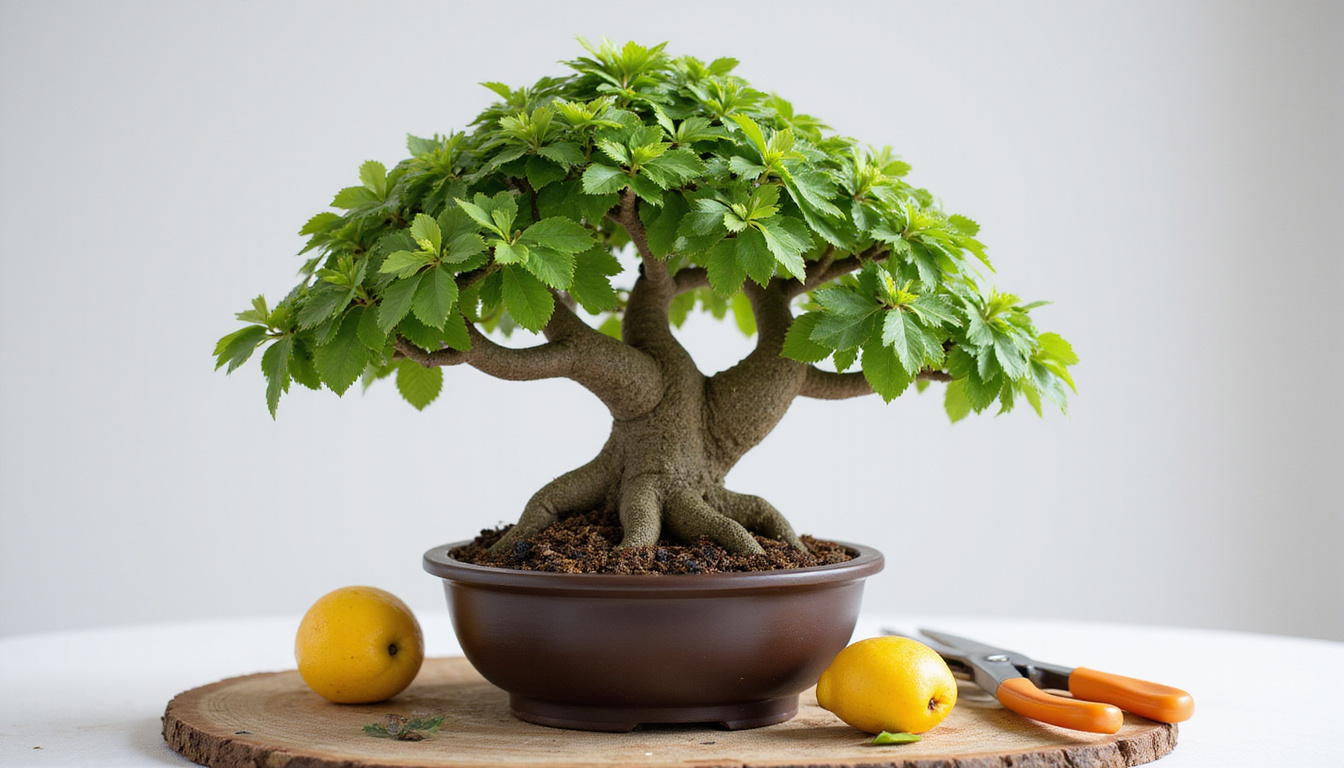
Growing a Buddha hand tree can be incredibly rewarding. It’s a small, ornamental citrus that works well in containers and warm climates.
Climate and Hardiness
Buddha hand is generally suited to USDA zones 9–11. It needs:
- Warm temperatures (ideally 60–85°F / 15–29°C)
- Protection from frost; it’s more cold-sensitive than some lemons
- Plenty of sunlight (at least 6 hours per day)
In cooler climates, it grows best in containers that can be moved indoors or into a greenhouse over winter.
Soil, Light, and Water Requirements
Soil
- Well-draining, slightly acidic soil is crucial.
- Use a high-quality citrus or cactus potting mix for containers.
- Ensure pots have excellent drainage to avoid root rot.
Light
- Full sun outdoors.
- Indoors, place near a south-facing window or use grow lights for 10–12 hours of light per day.
Water
- Keep soil evenly moist but not soggy.
- Let the top 1–2 inches of soil dry slightly before watering again.
- Avoid leaving the pot in standing water.
Fertilizing and Pruning
Fertilizer
Citrus trees like Buddha hand are heavy feeders. Use a citrus-specific fertilizer that includes micronutrients like iron, magnesium, and zinc. Follow label instructions, typically:
- Every 4–6 weeks during active growth (spring through early fall)
- Reduce or pause feeding in winter when growth slows
Pruning
- Remove dead, damaged, or crossing branches.
- Shape the tree lightly to encourage airflow and light penetration.
- Prune after major harvest or late winter before vigorous spring growth.
Container Growing Tips
If you’re growing Buddha hand in a pot:
-
Choose the right container
- Start with a pot 2–3 inches wider than the root ball.
- As the tree grows, gradually repot into larger containers (up to about 18–24 inches for a mature tree).
-
Use a saucer carefully
- Use it to catch excess water, but empty promptly so roots don’t sit in water.
-
Rotate the plant
- Turn the pot every few weeks so all sides get sunlight and growth stays even.
-
Overwintering indoors (in cold climates)
- Bring inside before nighttime temperatures drop below ~40°F (4–5°C).
- Place in the brightest spot available; supplement with grow lights if needed.
- Expect slower growth and water less frequently.
For general citrus care, extension services like the University of California’s recommendations on home citrus provide useful background that applies well to Buddha hand too (source: UCANR).
Health and Nutritional Notes
While Buddha hand isn’t eaten like an orange, its peel and pith contain:
- Vitamin C
- Dietary fiber
- Various plant compounds and essential oils
In traditional Chinese medicine, Buddha hand (known as “fo shou”) has been used for digestive and respiratory support, though these uses aren’t a substitute for medical treatment. As with any strong botanical, use in moderation and consult a professional if you have health concerns, are pregnant, or are on medications.
Quick Ideas: 7 Ways to Use Buddha Hand Today
- Grate zest into shortbread cookie dough.
- Infuse cream with sliced Buddha hand for custards or panna cotta.
- Make Buddha hand sugar and use it in coffee or tea.
- Drop a strip of peel into hot water for a simple citrus tisane.
- Add thin slices to a jar of honey for aromatic honey.
- Use candied pieces as a topping for yogurt or ice cream.
- Float a whole fruit in a decorative bowl for natural room fragrance.
FAQ About Buddha Hand Citrus
1. What is Buddha hand citrus used for in cooking?
Buddha hand citrus is mainly used for its intensely fragrant zest and pith. Cooks candy it, infuse it into spirits and syrups, grate it into baked goods, fold it into compound butters, and add it to marinades, dressings, and rice or grain dishes for a bright citrus aroma without excess bitterness.
2. How do you eat a Buddha’s hand fruit safely and enjoyably?
You typically don’t eat Buddha’s hand like an orange; instead, you eat the peel and pith once they’re chopped, candied, or incorporated into recipes. The white pith is milder than many other citrus, but it’s best enjoyed in preparations like candied Buddha hand, zest sugar, syrups, and finely minced in savory dishes.
3. Can you grow a Buddha hand tree indoors or in pots?
Yes. Buddha hand trees grow well in containers, which is ideal in cooler climates. Use a well-draining citrus mix, give the plant at least 6 hours of bright light (plus grow lights if needed), water when the top of the soil begins to dry, and feed with a citrus fertilizer. Move the pot indoors or to a protected space before frost.
Buddha hand is more than just a strange-looking citrus—it’s a powerful source of aroma, flavor, and visual appeal that can transform your cooking, cocktails, and home. Whether you candy it for holiday baking, infuse it into your favorite spirit, or cultivate a small tree on your patio, this unique fruit brings a special kind of brightness and beauty to everyday life.
If you’re intrigued, seek out a fresh Buddha hand at a specialty market or order a young tree from a reputable nursery and start experimenting. With a little curiosity and the tips above, you can turn this mysterious citrus into one of your favorite kitchen and garden companions.
Explore the Science Behind Spirituality
This guide explored the meaning and history of good luck symbols. To discover the psychology, consciousness, and scientific perspectives behind spiritual beliefs, visit SpiritualMindScience.com.