Betel leaf has been cherished for centuries in traditional medicine across Asia, and today it’s gaining fresh attention as a simple, accessible natural remedy. Whether you’ve seen betel leaf at an Asian market, in an Ayurvedic clinic, or wrapped around areca nut in “paan,” this heart‑shaped leaf is far more than a cultural symbol—it’s a powerful medicinal plant you can use in your daily life.
This guide walks you through its key benefits, safe uses, and practical home remedies you can start using right away.
What Is Betel Leaf?
Betel leaf (Piper betle) is a glossy, aromatic leaf from a vine in the pepper family. It’s widely cultivated in South and Southeast Asia, especially in India, Bangladesh, Sri Lanka, Thailand, and Indonesia.
Traditionally, betel leaves are:
- Chewed with areca nut and spices (paan)
- Used in Ayurvedic and folk medicine
- Offered in religious and cultural ceremonies
Modern research has confirmed that betel leaf contains a variety of bioactive compounds such as chavicol, eugenol, and various phenols and flavonoids, which contribute to its antimicrobial, antioxidant, and anti-inflammatory properties (source: National Library of Medicine).
Key Health Benefits of Betel Leaf
1. Natural Antimicrobial and Antiseptic
Betel leaf has strong antibacterial, antifungal, and mild antiviral effects. Traditionally, it’s been used to:
- Clean minor cuts and wounds
- Reduce skin infections
- Soothe insect bites
Those same properties make betel leaf useful in mouth care, skin care, and basic first aid at home.
2. Supports Oral Health and Fresh Breath
Long before commercial mouthwashes existed, people used betel leaf to keep their mouth clean and breath fresh.
Potential oral benefits include:
- Reducing harmful oral bacteria
- Helping prevent bad breath
- Supporting gum health
- Mildly reducing plaque buildup
Important distinction: much of the cancer risk associated with traditional paan comes from areca nut and tobacco, not the leaf itself. Using betel leaf in herbal mouth rinses or for gentle chewing without areca nut or tobacco is a different practice entirely.
3. Aids Digestion and Reduces Bloating
In Ayurveda and traditional medicine, betel leaf is considered warming and carminative (gas‑reducing). It is often used after meals to:
- Stimulate digestive juices
- Reduce gas and bloating
- Ease feelings of heaviness in the stomach
- Support overall digestion
People frequently chew a small piece of fresh leaf or drink a mild betel-leaf infusion after a heavy meal.
4. Anti-Inflammatory and Pain-Relieving Effects
Betel leaf poultices have been applied to sore joints, muscles, and inflamed areas for generations. Thanks to compounds like eugenol and other phenols, betel leaf can:
- Calm local inflammation
- Provide mild, natural pain relief
- Soothe swelling in minor injuries
It’s not a replacement for medical treatment in serious conditions, but can be a useful complementary remedy.
5. Antioxidant Protection
The leaf contains antioxidants that help neutralize free radicals in the body. While more human studies are needed, lab research suggests that betel leaf may:
- Help reduce oxidative stress
- Support cellular health
- Contribute to better overall wellness when used regularly in small amounts
Traditional Uses of Betel Leaf in Home Remedies
For Coughs and Mild Respiratory Discomfort
In folk medicine, warm betel leaves are used to ease simple coughs and congestion:
- Warm compress: Lightly warmed leaves placed on the chest are believed to help loosen phlegm.
- Mild decoction: Boiling a couple of leaves in water with ginger and honey makes a soothing herbal drink for the throat.
Always consult a healthcare provider if cough or breathing issues persist, worsen, or are accompanied by fever or chest pain.
For Women’s Wellness
In some cultures, betel leaf is used externally for women’s health:
- As part of postnatal care (external washes in some traditions)
- To support intimate hygiene (mild, external rinses only, never internal douching)
Modern gynecological advice generally discourages internal herbal douching, so betel leaf should only be used externally, diluted, and with medical guidance where needed.
For Skin and Minor Wounds
Crushed or warmed betel leaves have long been used as a household first-aid plant:
- Small cuts and abrasions
- Mild fungal infections (like between toes)
- Insect bites and minor itching
The leaf’s antiseptic and anti-inflammatory features make it handy for quick, topical applications—but always watch for any irritation or allergy.
How to Use Betel Leaf Safely at Home
You don’t need complicated recipes to benefit from betel leaf. Here are practical, simple uses you can try:
1. Digestive Chew (Without Areca Nut)
A gentle way to use betel leaf for digestion:
- Wash 1 fresh betel leaf thoroughly.
- Tear it into small pieces.
- Optionally add: a tiny pinch of fennel seeds or cardamom.
- Chew slowly after a heavy meal, then either swallow or spit out if you prefer.
Use only 1–2 small leaves a day to start, and avoid combining with areca nut or tobacco.
2. Betel Leaf Mouth Rinse
For cleaner breath and oral care:
- Boil 2–3 fresh betel leaves in about 2 cups of water for 5–10 minutes.
- Let the water cool to lukewarm.
- Strain and use as a mouth rinse once a day.
Do not swallow large amounts regularly; this is a rinse, not a beverage.
3. Betel Leaf Steam for Congestion
For mild stuffy nose or chest:
- Boil a few betel leaves in a pot of water.
- Remove from heat.
- Lean over the pot, cover head and pot with a towel, and carefully inhale the steam for a few minutes.
Keep eyes closed and maintain a safe distance from the hot water to avoid burns.
4. Topical Betel Leaf Poultice
For minor swelling or muscle ache:
- Wash a few leaves.
- Warm them gently over steam or in hot water (do not burn).
- Lightly crush to release juices.
- Apply to the affected area, cover with a clean cloth for 10–15 minutes.
Stop using if redness, burning, or irritation occurs.
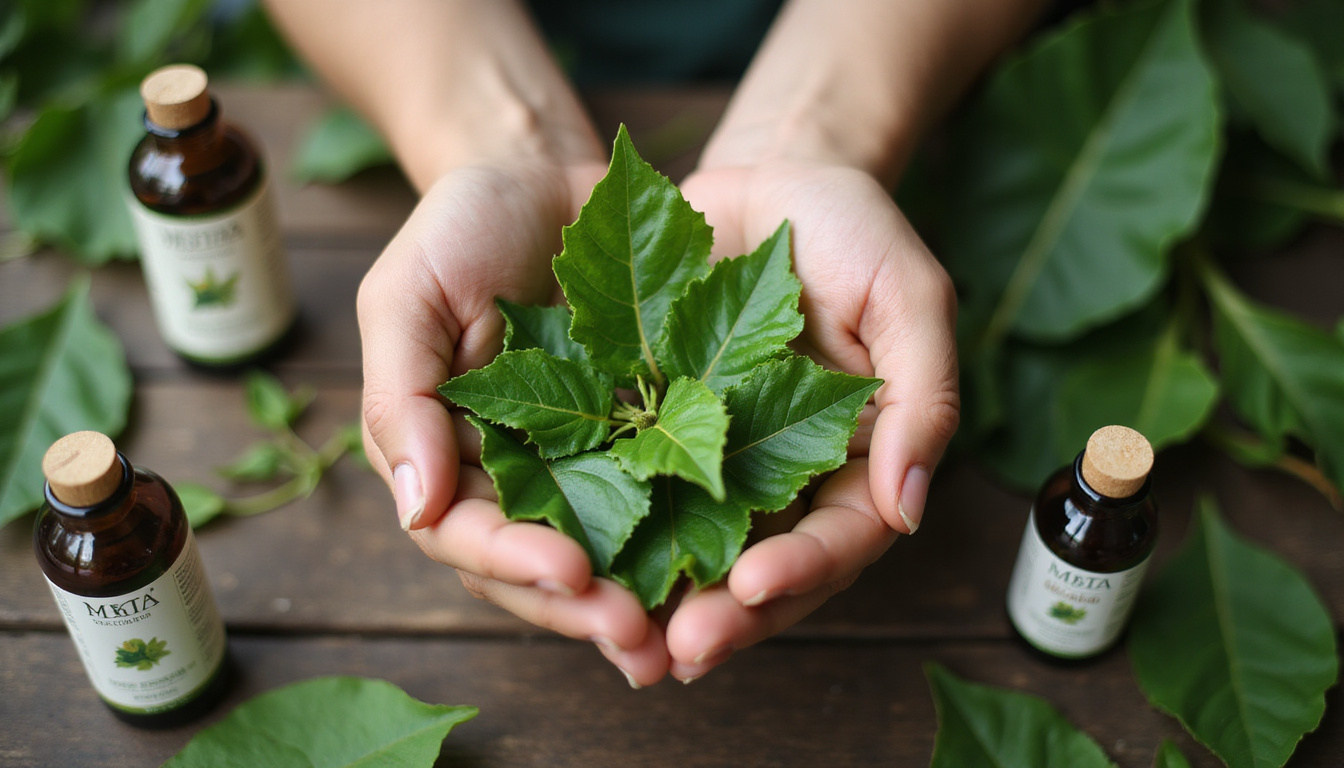
Everyday Ways to Add Betel Leaf to Your Lifestyle
You can incorporate betel leaf in small, health-conscious ways:
- Herbal water: Lightly infuse one leaf in a jug of drinking water for a mild, aromatic flavor.
- Cooking: In some regional cuisines, chopped betel leaf is used in chutneys or spiced wraps.
- Herbal blends: Combine with tulsi (holy basil), ginger, or cardamom for soothing herbal drinks.
Keep quantities modest; betel leaf is potent and best used in moderation.
Risks, Side Effects, and Precautions
While betel leaf is natural, it is not automatically safe for everyone in all amounts. Use it with these points in mind:
- Avoid areca nut and tobacco: Health dangers commonly linked to “betel chewing” come from areca nut and tobacco mixtures, which are associated with increased oral cancer risk, gum disease, and other issues. Use betel leaf alone or with safe herbs instead.
- Allergic reactions: Some people may experience mouth or skin irritation, itching, or rash. If that happens, stop immediately.
- Pregnancy and breastfeeding: Small culinary amounts are usually considered safe in traditional usage, but medicinal doses should only be used under professional guidance.
- Existing medical conditions: If you have chronic health conditions (especially liver, kidney, or serious oral disease) talk to your doctor before using betel leaf as a regular remedy.
- Children: Use only in very mild, diluted forms and under adult supervision—and consult a pediatrician for anything beyond occasional traditional use.
As with any herbal remedy, betel leaf should complement, not replace, professional medical treatment.
Quick-Start Guide: Simple Betel Leaf Remedies
Here’s a concise list of ways to start using betel leaf at home:
- After-meal chew (no areca, no tobacco) – for digestion and fresher breath.
- Mild mouth rinse – betel-leaf-infused water for daily oral hygiene.
- Steam inhalation – boiled leaves for gentle respiratory relief.
- Warm leaf poultice – for minor muscle aches and swelling.
- Flavored drinking water – a single leaf infused in water for a subtle herbal boost.
Begin with one method, observe how your body responds, and increase frequency gradually if well tolerated.
FAQ About Betel Leaf Uses and Benefits
1. What is betel leaf used for in home remedies?
Betel leaf is commonly used for digestive support, natural mouth care, minor skin issues, and basic respiratory comfort. People chew betel leaf after meals, use it in mouth rinses, apply warmed leaves as poultices, and add it to simple herbal brews.
2. Are there proven health benefits of betel leaves?
Laboratory and traditional medicine sources suggest benefits such as antimicrobial, antioxidant, and anti-inflammatory effects. While more human clinical studies are needed, many cultures have safely used betel leaves benefits for generations in small, responsible amounts (source: PubMed-indexed studies).
3. Is betel leaf safe to chew every day?
Chewing plain betel leaf in moderation (without areca nut or tobacco) is generally considered much safer than traditional paan. However, frequent or medicinal use should be discussed with a healthcare provider, especially if you have existing conditions. If you experience irritation or discomfort, reduce or stop your betel leaf chewing and seek professional advice.
Bring Betel Leaf Into Your Wellness Routine—Safely and Intentionally
Betel leaf is more than a cultural tradition—it’s a versatile, time-tested plant you can use today for gentle, natural support of digestion, oral hygiene, skin health, and general well-being. By using betel leaf thoughtfully—separate from areca nut and tobacco, in modest daily amounts—you can tap into a rich heritage of herbal wisdom.
If you’re curious to explore its benefits, start with one or two simple remedies from this guide, track how you feel, and share your plans with a qualified healthcare or Ayurvedic practitioner. Ready to make your home apothecary more powerful with simple, natural ingredients? Add fresh betel leaves to your next market list and begin experimenting—safely, mindfully, and consistently.
Throughout history, many plants and herbs have been associated with luck, protection, and prosperity. To explore their deeper spiritual, psychological, and scientific significance, visit SpiritualMindScience.com.