The bael tree (Aegle marmelos) is one of those rare plants that bridges medicine, mythology, and everyday life. Revered in Ayurveda, sacred in Hindu tradition, and surprisingly low-maintenance in the garden, bael offers more than most people realize. From digestive health and immunity to its role as a drought-tolerant fruit tree, bael can be a powerful addition to both your wellness routine and your backyard.
In this guide, you’ll learn the key health benefits of bael, how to use it safely, and practical secrets for successfully growing a bael tree at home.
What Is the Bael Tree?
The bael tree is a medium-sized, slow-growing fruit tree native to India and Southeast Asia. It’s known by several names:
- Aegle marmelos (scientific name)
- Bengal quince
- Wood apple (though this is also used for a different species in some regions)
- Bilva or Bel in Ayurveda and Sanskrit
Bael trees feature:
- Thorny branches
- Fragrant leaves in clusters of three (considered sacred)
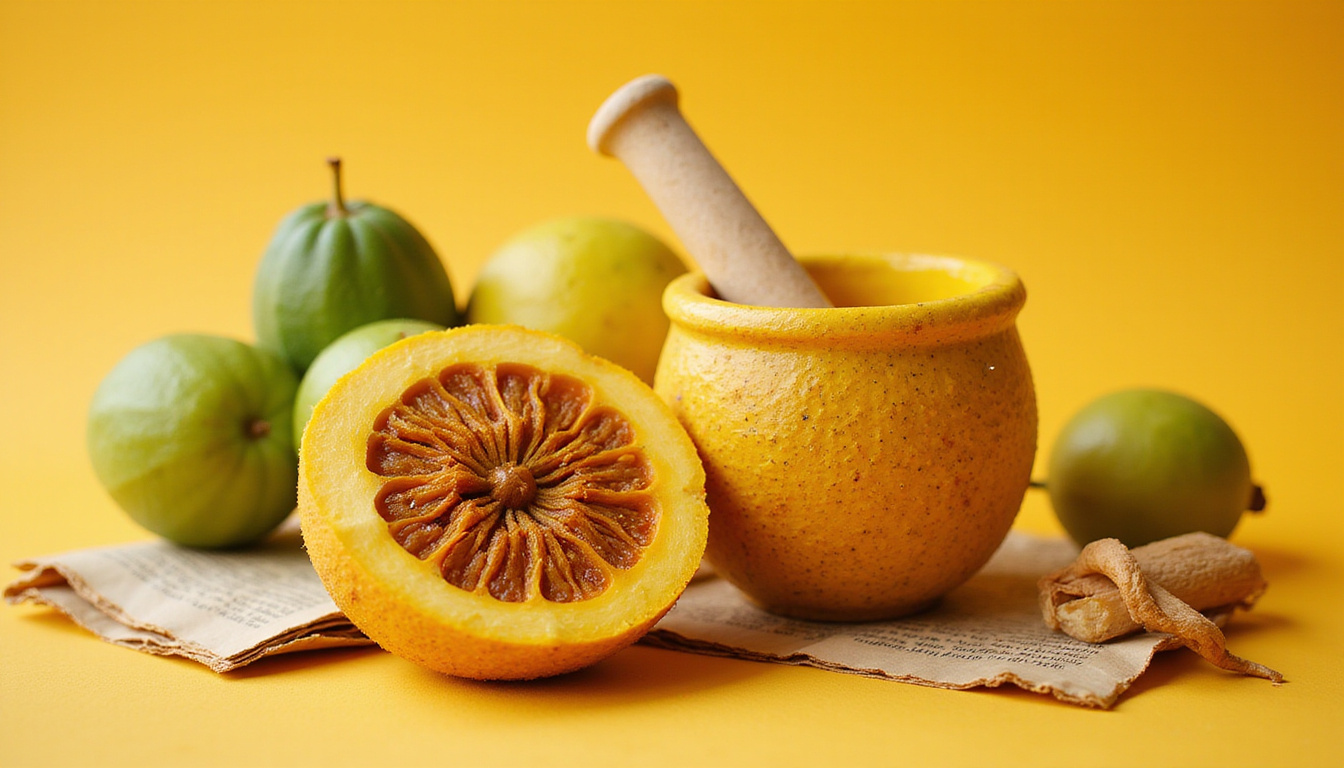
- Round, hard-shelled fruits with aromatic orange pulp inside
Traditionally, almost every part of the bael tree is used: leaves, fruit, roots, bark, and seeds. Modern research is beginning to validate many of these traditional uses.
Nutritional and Medicinal Profile of Bael
Bael fruit and leaves are rich in:
- Vitamins: Especially vitamin C, some B vitamins
- Minerals: Calcium, potassium, iron
- Fiber: Especially in the ripe fruit
- Plant compounds: Tannins, flavonoids, coumarins, and limonene
In Ayurveda, bael is classified as:
- Rasa (taste): Astringent and bitter (especially unripe fruit), sweetish when ripe
- Virya (potency): Cooling
- Vipaka (post-digestive effect): Pungent
These properties help explain why the bael tree is widely recommended for digestive disorders, pitta imbalances, and general strength.
Emerging research has noted bael’s potential antioxidant, anti-inflammatory, antimicrobial, and antidiarrheal effects (source: NIH PubMed).
Top Health Benefits of the Bael Tree
1. Supports Digestive Health
Digestive support is the most famous benefit of the bael tree.
- Unripe bael fruit is a well-known traditional remedy for diarrhea, dysentery, and irritable bowels due to its astringent tannins and antimicrobial properties.
- Ripe bael fruit is mild, cooling, and gently laxative, helping with constipation and sluggish digestion thanks to its fiber content.
Regular, moderate intake is believed to:
- Improve gut motility
- Reduce inflammation in the intestinal lining
- Help control loose stools
2. May Help Regulate Blood Sugar
Several animal studies suggest bael leaf extracts may help:
- Improve insulin sensitivity
- Lower fasting blood glucose
- Reduce oxidative stress in diabetic models
While more human studies are needed, traditional systems have long used bael leaves as part of herbal formulas for managing blood sugar. If you have diabetes, never stop or change medication without consulting your doctor; bael can be considered a complementary, not primary, approach.
3. Boosts Immunity and Fights Infections
Thanks to its vitamin C and phytochemicals, the bael tree may support the immune system by:
- Providing antioxidants that reduce oxidative stress
- Showing antimicrobial activity against certain bacteria and fungi in lab studies
- Potentially helping the body resist seasonal infections when consumed regularly
Traditional practitioners often recommend bael sherbet or bael leaf decoctions during hot seasons to maintain resilience against infections and heat exhaustion.
4. Liver and Heart Support
Preliminary research on bael extracts suggests:
- Hepatoprotective potential: May help protect liver tissue against toxin-induced damage in animal models.
- Cardiovascular support: Some components may help regulate cholesterol levels and reduce lipid peroxidation.
Again, these findings are early-stage but align with bael’s historical use as a “rasayana” – a rejuvenating, system-strengthening herb.
5. Anti-Inflammatory and Analgesic Effects
Bael tree parts, especially the root and bark, have been used in external and internal formulations for:
- Joint pain
- Mild inflammatory conditions
- Body ache and fatigue
Modern studies have noted potential anti-inflammatory and pain-relieving actions of bael extracts, which may contribute to traditional uses in arthritis and musculoskeletal complaints.
Traditional Uses: How Different Parts of the Bael Tree Are Used
Bael Fruit
- Unripe or half-ripe fruit:
- Dried and powdered for diarrhea and dysentery
- Used in decoctions with other herbs
- Ripe fruit:
- Eaten fresh as pulp
- Turned into sherbet, jam, or chutney
- Used in cooling summer drinks to prevent heatstroke and dehydration
Bael Leaves
Bael leaves are perhaps the most sacred part of the bael tree in Hindu traditions, offered to Lord Shiva in worship.
Medicinally, leaves are used as:
- Fresh juice: Traditionally used in small doses for blood sugar management and digestive strengthening
- Paste: Sometimes applied externally for inflammatory skin issues
- Decoction: For fevers, respiratory issues, and digestive complaints in some traditional systems
Bael Bark and Roots
Used far less commonly at home and more in classical formulations. They are included in:
- Ayurvedic polyherbal decoctions for fever, digestive issues, and pain
- Traditional mixtures targeting chronic inflammatory conditions
Because roots and bark can be potent, these should only be used under guidance from a qualified practitioner.
Simple Ways to Use Bael at Home
Here are practical ways to incorporate the bael tree into your routine:
1. Ripe Bael Fruit Sherbet
- Scoop the pulp from a ripe bael fruit
- Soak in water, mash, and strain
- Add a natural sweetener and a pinch of black salt or cumin
- Serve chilled as a summer cooling drink
2. Bael Fruit Powder
Many people use dried bael fruit powder:
- 1–2 teaspoons mixed in warm water after meals
- Often recommended in small doses for chronic digestive issues
3. Bael Leaf Juice (With Caution)
Traditional practice uses:
- 5–10 ml fresh bael leaf juice, diluted with water, taken once a day
- Often recommended under supervision for blood sugar and digestion
Because bael leaf preparations may interact with blood sugar medications, talk to a healthcare provider before trying this.
Safety, Side Effects, and Who Should Avoid Bael
While the bael tree is generally considered safe when used in food amounts, there are some cautions:
-
Digestive effects:
- Unripe fruit can be strongly astringent; excess use may cause constipation.
- Ripe fruit is gently laxative; high intake could lead to loose stools in some people.
-
Pregnancy and breastfeeding:
- Food amounts (occasional ripe fruit) are likely fine, but medicinal doses of root, bark, or concentrated extracts should be avoided unless directed by a professional.
-
Diabetes:
- Bael, especially leaf preparations, may lower blood sugar; monitor levels closely if you are on medications, and always inform your doctor.
-
Medication interactions:
- There’s limited data, but as with many herbs, use cautiously if you’re on multiple prescriptions, especially for blood sugar or blood pressure.
Always introduce bael gradually and watch for any reactions.
Secrets to Growing a Bael Tree in Your Garden
Beyond its health uses, the bael tree is a resilient and rewarding fruit tree for home gardeners, especially in tropical and subtropical climates.
Ideal Climate and Conditions
- Climate: Thrives in warm, dry to semi-humid regions; tolerates high heat very well.
- Hardiness: Generally suited to USDA zones around 9–11; light frost may damage young trees.
- Sunlight: Full sun is best for vigorous growth and fruiting.
Soil Requirements
Bael is surprisingly tolerant:
- Grows in poor, rocky, or sandy soils
- Handles slightly alkaline soils better than many fruit trees
- Prefers well-drained soil; avoid consistently waterlogged conditions
Adding organic compost during planting improves early growth but bael is not overly demanding.
Propagation: Seeds vs Grafted Plants
-
Seeds:
- Easy to germinate but may take longer (7–8+ years) to bear fruit.
- Offspring might not be identical to the parent tree.
-
Grafted or budded plants:
- Faster fruiting (3–5 years).
- Better fruit quality and predictability.
For home gardeners who want fruit and not just a sacred or ornamental tree, grafted plants are preferred.
Planting and Spacing
- Plant at the beginning of the rainy season if possible.
- Dig a pit (about 2 ft x 2 ft x 2 ft), mix topsoil with compost and a bit of sand for drainage.
- Space trees about 20–25 feet apart if planting more than one, as mature bael trees can spread significantly.
Watering and Fertilizing
-
Watering:
- Regular watering during the first 1–2 years to establish roots.
- Once established, bael is drought-tolerant and needs only occasional deep watering in very dry periods.
-
Fertilizer:
- A yearly application of compost or well-rotted manure is usually enough.
- Bael doesn’t require heavy fertilization; overfeeding can cause more leaves and fewer fruits.
Pruning and Maintenance
-
Minimal pruning required; focus on:
- Removing dead, diseased, or crossing branches
- Shaping the tree for a strong central structure in early years
-
Thorns are present on many bael varieties, so use gloves and eye protection while pruning.
Pests and Diseases
Bael tree is relatively hardy but watch for:
- Scale insects or aphids on young shoots
- Fruit borers in some regions
- Occasional fungal leaf spots in very humid climates
Good airflow, proper spacing, and avoiding over-watering minimize problems. Use organic controls like neem oil when needed.
Harvesting and Storing Bael Fruit
-
Maturity: Fruits generally mature in 10–12 months after flowering.
-
Signs of ripeness:
- Color changes from green to yellowish or light green
- Characteristic fragrance
- Slight change in sound when tapped (more resonant)
-
Harvest carefully: The hard shell protects the pulp, but dropping from great heights can still cause internal damage.
-
Storage: Mature bael fruits can be stored at room temperature for several weeks, making them suitable for gradual use.
FAQ: Bael Tree and Its Uses
1. What is bael fruit good for?
Bael fruit is best known for supporting digestive health, especially in conditions like diarrhea (unripe fruit) and mild constipation (ripe fruit). It’s also valued for its cooling properties in hot weather, potential benefits for blood sugar, and general strengthening effects on the gut and immunity.
2. How do you use bael leaves from a bael tree?
Traditionally, bael leaves are used as fresh juice, decoctions, or in paste form. They’re most often recommended for blood sugar balance, digestion, and certain inflammatory conditions in Ayurveda. However, leaf preparations are quite potent, so it’s wise to use them in small amounts and ideally under professional guidance.
3. Can I grow a bael plant in a pot?
Yes, a bael plant can be grown in a large container, especially in its early years:
- Choose a deep, sturdy pot with drainage holes.
- Use well-draining soil with some compost.
- Keep the pot in full sun and water regularly until established.
Container-grown trees may remain smaller and fruiting can be lighter than in-ground trees, but with patience and proper care, it is possible.
Bring the Bael Tree Into Your Life
The bael tree is more than just a hardy fruit tree; it’s a living pharmacy, a sacred plant, and a surprisingly easy addition to your garden. From digestive harmony and potential blood sugar support to vibrant, fragrant fruits and symbolic leaves, bael offers practical and spiritual value.
If you have access to a warm climate or a sunny balcony, consider planting a bael tree and exploring its traditional preparations with guidance. Start small—with a ripe bael sherbet in summer or a single potted plant—and let your experience grow over time.
Now is the perfect moment to bring this ancient ally into your modern life: seek out bael fruits at your local market, talk to an Ayurvedic or herbal practitioner about whether bael is right for you, or visit a nursery to plant your own bael tree and enjoy its benefits for years to come.
Throughout history, many plants and herbs have been associated with luck, protection, and prosperity. To explore their deeper spiritual, psychological, and scientific significance, visit SpiritualMindScience.com.