An athame is more than just a ceremonial blade; it’s a focused tool for directing energy, setting boundaries, and shaping your ritual practice. Whether you’re new to witchcraft or revisiting the fundamentals, understanding what an athame is, how to choose one, and how to use it safely can transform your magical work from tentative to confident.
What Is an Athame?
An athame is a ritual knife, usually with a double-edged blade and a black or dark handle, used primarily in Wicca and other modern pagan traditions. It’s not intended as a physical weapon or for mundane cutting. Instead, it’s a symbolic extension of your will and a tool for:
- Directing and shaping energy
- Casting and opening circles
- Consecrating tools and space
- Cutting energetic ties or cords
In many Western occult systems, the athame is associated with the Element of Air (thought, intellect, communication), though some traditions link it to Fire (will, transformation). Ultimately, your tradition and personal intuition guide how you work with it.
Choosing Your First Athame
You don’t need a museum-quality blade to start. What matters most is that the athame feels like an authentic extension of your energy and your practice.
Key Considerations
-
Blade material
- Steel (most common): Durable, traditional, easy to sharpen or keep blunt.
- Silver or silver-plated: Symbolically linked to the Moon and intuition, but more expensive.
- Ceramic, bone, or wood: Sometimes used by practitioners in restrictive environments or for a gentler energetic feel.
-
Blade edge and safety
- Blunt or dull edge: Ideal for most practitioners, especially beginners. You are not using the athame for cutting herbs or cords.
- Double-edged vs single-edged: Double-edged is traditional, but single-edged is perfectly acceptable if it feels right and is easier to handle.
-
Handle style and material
- Traditionally dark or black, but can be any color you feel drawn to.
- Wood, bone, resin, metal, or mixed materials—focus on comfort and grip.
- Handles with carved symbols or runes can be powerful, but a simple handle is just as effective once charged with your intent.
-
Size and feel in your hand
- The athame should feel balanced and comfortable.
- Too large or heavy can feel awkward and unsafe; too small may not carry the presence you want in ritual.
-
Aesthetic versus practicality
A beautifully ornate athame can be inspiring, but don’t overlook more modest options. Consistency of use, care, and intention matters more than appearances.
Cleansing and Consecrating Your Athame
Once you acquire an athame, it’s important to remove any lingering energies and dedicate it to your work.
Cleansing Methods
Choose one or more, depending on your tradition and resources:
- Smoke cleansing: Pass the athame through incense smoke (such as frankincense, sage, or rosemary), visualizing unwanted energy dissolving.
- Salt or earth: Bury or lay the blade (wrapped safely) in a bowl of salt or in clean soil for a few hours or overnight. Avoid prolonged contact if the metal is prone to corrosion.
- Moonlight: Place the athame on a windowsill during a full moon to purify and charge it with receptive, intuitive energy.
- Sound: Use a bell, chime, or singing bowl, allowing the vibration to clear residual energy.
Consecration Ritual (Simple Example)
You can adapt this to your path, but here’s a straightforward template:
-
Prepare your space
- Light a candle (Fire), place a small bowl of water (Water), a dish of salt or soil (Earth), and burn incense (Air).
- Place the athame at the center.
-
Ground and center
- Take a few deep breaths, feel your feet connecting to the earth, and calm your mind.
-
Call in sacred presence
- You may invite deities, ancestors, or simply call upon “The Powers of Nature and Spirit” according to your beliefs.
-
Elemental blessing
- Lightly touch the tip of the athame to each representation of the elements, saying something like:
- “By the powers of Earth, I ground this blade.”
- “By the powers of Air, I clear and focus this blade.”
- “By the powers of Fire, I ignite the will within this blade.”
- “By the powers of Water, I purify and consecrate this blade.”
- Lightly touch the tip of the athame to each representation of the elements, saying something like:
-
Statement of purpose
- Hold the athame between your hands and say:
- “I consecrate this athame as a tool of my will and my work. May it serve only for my highest good, in alignment with my path and ethics. So it is.”
- Hold the athame between your hands and say:
-
Closing
- Thank any forces you called, and store the athame respectfully when finished.
Working Safely with an Athame
Although the athame is a symbolic tool, it is still a blade and deserves careful, respectful handling.
Basic Safety Guidelines
- Keep it sheathed or wrapped when not in use to protect both you and the blade.
- Store out of reach of children and away from curious pets or visitors.
- Do not brandish, threaten, or use it in anger. Your emotional state imprints energetically on your tools.
- Avoid using it as a general knife. Cutting boxes, food, or cords with your athame blurs its energetic purpose and can dull or damage the blade.
- Handle mindfully during ritual. Move slowly and intentionally; avoid sweeping, dramatic gestures in crowded spaces.
Legal and Discretion Concerns
Depending on your location, there may be legal or social implications to owning and transporting ritual blades:
- Check local laws about carrying knives in public or in vehicles.
- Use a case or bag when transporting an athame to group rituals.
- In shared living situations, consider a more discreet appearance (e.g., wooden or ceramic blade, or a small, unobtrusive style).
Authoritative organizations such as the American Knife & Tool Institute provide general guidance on knife laws and safe handling practices (source: akti.org).
Common Athame Uses in Ritual
The athame’s primary job is to direct and shape energy. You can integrate it into your practice in many ways.
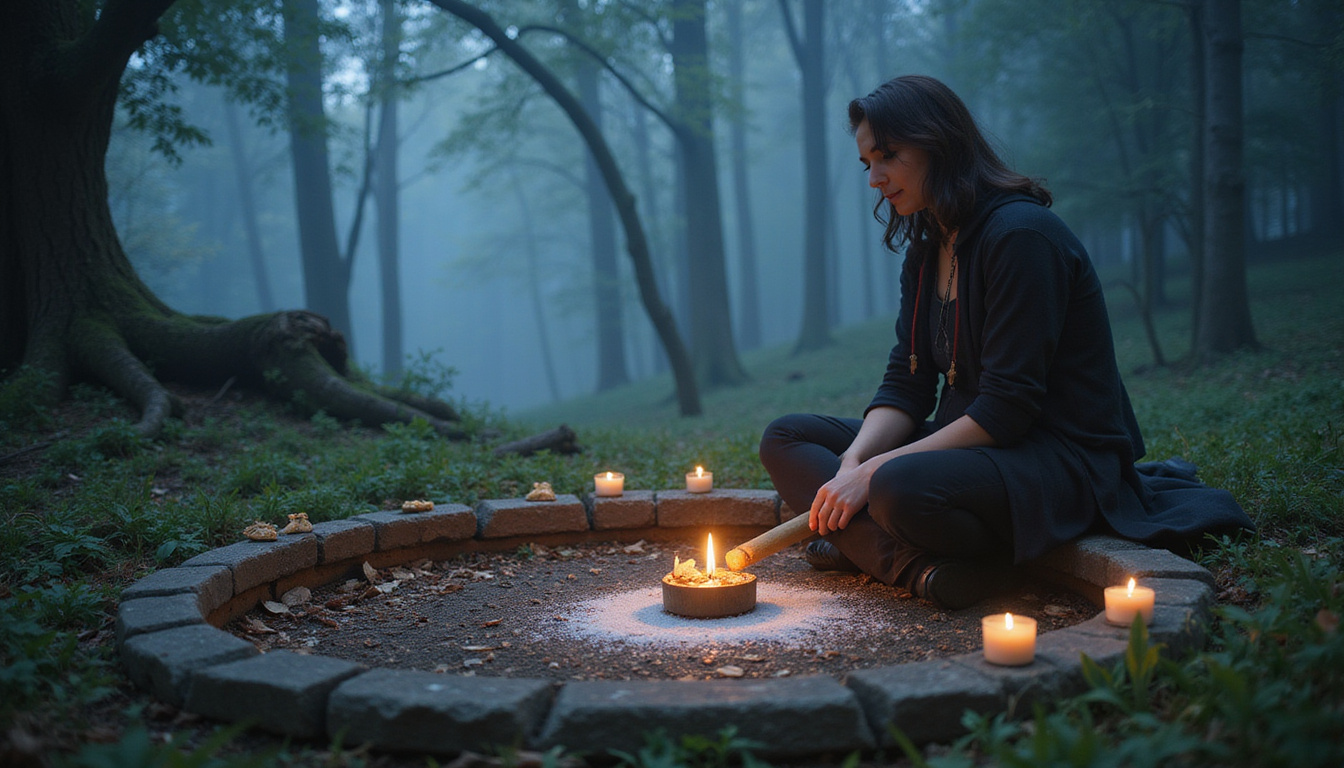
Casting and Opening the Circle
One of the most iconic uses of the athame is in circle casting:
- Stand facing east (or your chosen starting direction).
- Hold the athame out in front of you, arm relaxed, tip slightly raised.
- Visualize energy flowing from your body, through your arm, and out the tip of the blade, drawing a line of light on the ground.
- Walk the perimeter of your circle slowly, saying a simple phrase such as:
- “With this athame, I cast this circle, a boundary between the worlds.”
- Complete the circle back at your starting point.
To open the circle later, repeat the process in reverse, visualizing the light dissolving back into the earth.
Blessing and Consecrating Tools
Use the athame to:
- Trace symbols (like pentacles or runes) in the air over candles, crystals, or other tools.
- Touch the flat of the blade lightly to the item while speaking an intention or blessing.
- Direct energy during initiation or dedication rituals, always with consent and care if used around others.
Cord-Cutting and Boundary Work
The athame can be powerful for symbolic separation and boundary-setting:
- In cord-cutting rituals, use it to “cut” a cord between two candles or symbolic objects (use a real cord if you wish, but cut with a different knife and rely on the athame for energetic cutting).
- In personal rituals, trace a boundary around yourself with the blade, affirming your emotional and energetic autonomy.
Integrating the Athame into Your Personal Practice
Your relationship with your athame grows over time. You can deepen that connection in several ways.
Simple Daily or Weekly Practices
- Energetic “check-in”: Once a week, hold the athame, ground, and ask yourself: “Where do I need clearer boundaries or stronger will?”
- Full moon cleansing: Place the athame under moonlight monthly to keep its energy clear and resonant.
- Seasonal re-dedication: At Sabbats or seasonal festivals, take a moment to reaffirm the athame’s purpose in your practice.
Customizing Your Athame
Make the tool uniquely yours:
- Etch or paint meaningful symbols on the handle.
- Wrap part of the handle with colored cord or leather representing your tradition or deity.
- Attach a small charm or bead near the hilt that anchors a specific intention (e.g., protection, clarity, courage).
Always avoid modifications that compromise safety or structural integrity of the blade and handle.
Athame vs. Boline and Other Ritual Tools
Many beginners wonder how the athame fits among other ritual tools.
-
Athame:
- Purpose: Energetic work—directing will, casting circles, symbolic cutting
- Typical features: Dark handle, rarely used for physical cutting, may or may not be sharp
-
Boline (or bolline):
- Purpose: Practical, physical cutting—harvesting herbs, carving candles, trimming wicks
- Typical features: White handle, often sickle-shaped or small knife, definitely sharp
-
Wand:
- Purpose: Gentle, often more subtle energy direction; associated with inspiration and communication
- Typical features: Wood or crystal, light and easy to maneuver
Some practitioners prefer a wand over an athame, or vice versa; others use both. There’s no fixed requirement—let your path and experience guide your toolkit.
Quick-Start Checklist for Working with an Athame
Use this as a succinct reference:
- Choose a blade that is:
- Safe (preferably dull or blunt)
- Comfortable in your hand
- Energetically resonant to you
- Cleanse it (smoke, salt, earth, moonlight, or sound).
- Consecrate it with a clear statement of intent.
- Store it safely and respectfully.
- Use it for:
- Casting and opening circles
- Directing and shaping energy
- Consecrating tools and spaces
- Symbolic cutting (cord-cutting, boundary work)
- Avoid:
- Mundane cutting tasks
- Careless handling or brandishing
- Using it when angry or ungrounded
FAQ: Athame Tools, Uses, and Care
Q1: Can I use any knife as an athame?
Yes, you can dedicate almost any knife as an athame, provided you cleanse and consecrate it. However, it should be reserved strictly for ritual use and handled safely. Many practitioners prefer a blade with a distinct, non-mundane look so it’s clearly separate from kitchen or utility knives.
Q2: Do I need an athame to practice witchcraft or Wicca?
No. An athame is traditional in many Wiccan systems, but it’s not mandatory. Your finger, a wand, or even pure visualization can substitute for most energy-directing tasks. Acquire an athame only if it genuinely supports your practice.
Q3: How do I care for and store my ritual athame long-term?
Keep the blade dry, occasionally oil any metal parts to prevent rust, and store it in a sheath, box, or on a dedicated altar space. Periodically cleanse it energetically—especially after intense rituals or if others have handled it—so it remains aligned with your intention.
A well-chosen, well-cared-for athame can become a trusted companion in your spiritual life, helping you focus your will and maintain healthy boundaries in both magical and mundane realms. If you feel called to work with this tool, start with a simple, safe blade, build your own cleansing and consecration routine, and let your relationship with the athame evolve over time.
If you’re ready to deepen your practice, consider creating a small ritual today to meet your athame “formally”: cleanse it, consecrate it, and use it to cast a simple circle. The more you engage with it intentionally, the more powerfully it will serve your path.
Sacred objects often carry deep cultural and spiritual meaning. Learn how these symbols relate to history, spirituality, and the human mind by exploring more articles at SpiritualMindScience.com.