Areca Palm Care Secrets to Keep Fronds Lush and Thriving
The areca palm is one of the most popular indoor houseplants for a reason: its feathery, arching fronds bring instant tropical vibes to living rooms, offices, and patios. But keeping those fronds lush, green, and thriving takes more than occasional watering. With the right areca palm care routine—tailored to how this plant actually grows in nature—you can enjoy a full, healthy specimen for many years.
Below you’ll find practical, people-tested tips that go beyond the basics, so you can avoid brown tips, yellowing fronds, and stunted growth.
Understanding Your Areca Palm (Before You Start)
Before you dive into detailed care, it helps to understand what an areca palm is and where it comes from.
- Botanical name: Dypsis lutescens
- Common names: Areca palm, butterfly palm, golden cane palm, yellow palm
- Origin: Madagascar
- Mature size indoors: Typically 4–8 feet; outdoors in warm climates, up to 20+ feet
- Growth habit: Clump-forming palm with multiple cane-like stems and feathered fronds
In its native habitat, areca palm grows in warm, humid, partially shaded environments. Recreating those conditions indoors is the core “secret” to keeping it happy.
Light: The #1 Secret to Healthy Areca Palm Fronds
Light is the most important factor in areca palm care—and the most common reason for poor growth.
How Much Light Does an Areca Palm Need?
Aim for bright, indirect light:
- A few feet back from an east- or west-facing window is ideal.
- Near a south-facing window is fine if the plant is protected from harsh midday sun by sheer curtains.
- North-facing windows can work if the plant is close to the glass and the room is bright.
Too little light leads to:
- Leggy growth
- Sparse fronds
- Slow or no new growth
Too much direct sun leads to:
- Bleached, yellowish, or scorched fronds
- Crispy brown patches, especially on the uppermost leaves
Light Tips
- Rotate the pot a quarter-turn every few weeks so the plant grows evenly.
- In darker seasons or rooms, supplement with a full-spectrum grow light placed 12–24 inches above the plant for 8–12 hours a day.
Watering: Consistent Moisture Without Soggy Roots
Watering is where many plant owners struggle with the areca palm. The goal is evenly moist soil that never stays waterlogged.
Best Watering Practice
-
Check the top 1–2 inches of soil
- If dry to the touch, it’s time to water.
- If still damp, wait a few more days.
-
Water thoroughly
- Add water until it begins to drain from the bottom of the pot.
- Discard any water that collects in the saucer after 10–15 minutes.
-
Adjust seasonally
- Spring/summer (active growth): usually weekly, sometimes more in dry homes.
- Fall/winter (slower growth): every 10–14 days, depending on indoor climate.
Signs of Overwatering vs. Underwatering
-
Overwatering
- Yellowing fronds all over the plant
- Mushy or foul-smelling roots
- Soil staying wet for many days
-
Underwatering
- Dry, crispy leaf tips or edges
- Drooping or wilting fronds
- Soil pulling away from the pot edges
If you’re unsure, err slightly on the side of letting the top layer dry rather than keeping it constantly wet.
Humidity and Temperature: Mimic the Tropics
As a tropical plant, areca palm thrives in warm, moderately humid conditions.
Ideal Range
- Temperature: 65–80°F (18–27°C)
- Humidity: 40–60% (higher is better, especially in heated or air-conditioned homes)
Avoid:
- Drafts from doors and windows
- Direct blasts from heaters or AC vents
- Temperatures below 55°F (13°C) for extended periods
Simple Ways to Increase Humidity
- Use a humidifier in the same room.
- Group plants together to create a more humid microclimate.
- Place the pot on a pebble tray filled with water (water below the pot base, not touching it directly).
- Avoid misting as the sole solution—occasional misting is okay, but it doesn’t reliably raise humidity long-term.
Soil and Potting: Fast-Draining, Airy Mix Is Essential
One of the most overlooked areca palm care secrets is using the right soil mix.
Best Soil for Areca Palm
Use a well-draining, peat- or coco-based mix with added aeration. A simple blend:
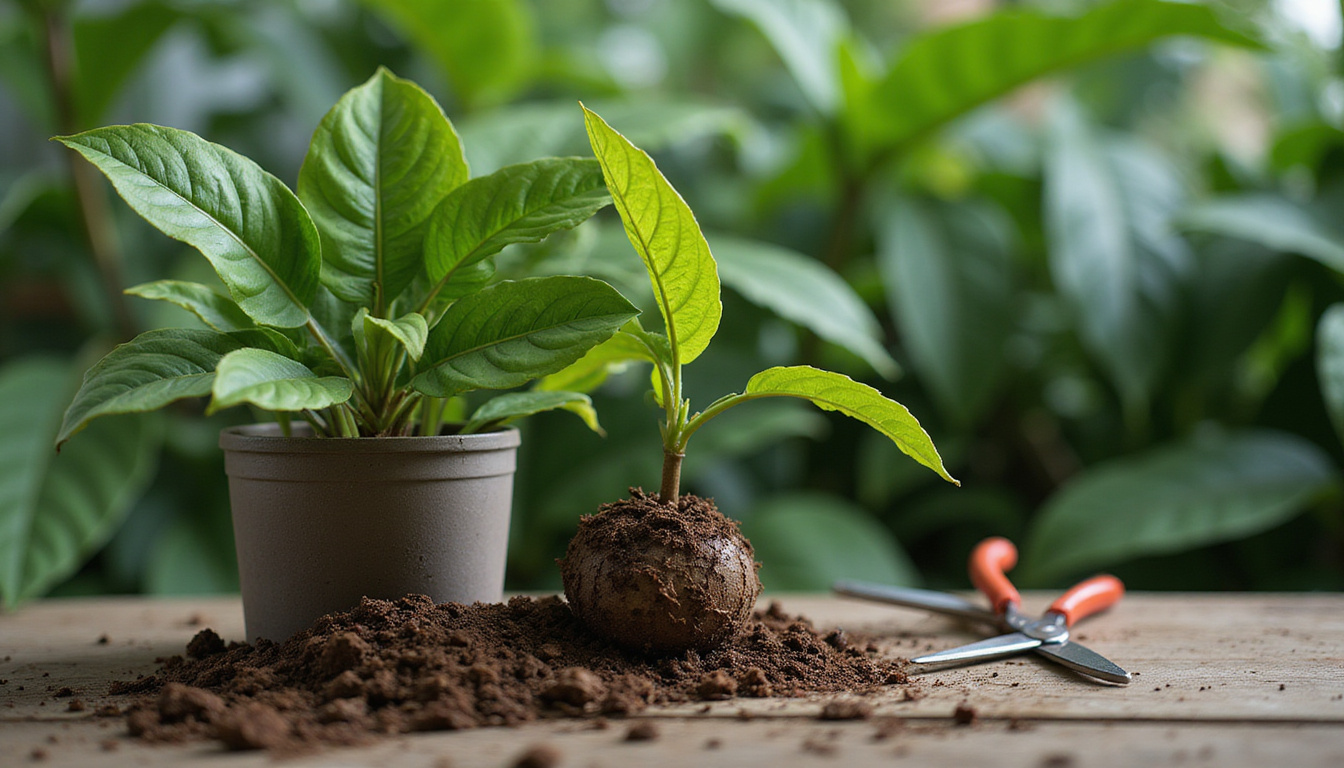
- 2 parts high-quality potting soil (peat- or coco-based, not garden soil)
- 1 part perlite or pumice
- 1 part pine bark fines or orchid bark (for extra drainage and structure)
This kind of mix:
- Retains some moisture
- Prevents waterlogging
- Allows air to reach the roots
Pot Choice
- Always use a pot with drainage holes.
- Terracotta pots help excess moisture evaporate faster.
- Choose a pot only 1–2 inches wider than the root ball; too large a pot can hold excess water and encourage root rot.
Repotting: When and How to Refresh Your Areca Palm
Areca palms don’t like being repotted too often, but they do appreciate a refresh when root-bound.
When to Repot
Every 2–3 years, or when you notice:
- Roots circling the bottom or emerging from drainage holes
- Water running straight through the pot very quickly
- Very slow growth despite good light and care
Repotting Steps
- Water the plant a day before repotting.
- Gently remove the plant from its pot and loosen the root ball.
- Trim away any dead, mushy, or black roots with clean scissors.
- Place in a slightly larger pot with fresh, well-draining mix.
- Water thoroughly and keep in bright, indirect light while it recovers.
Avoid splitting the clump into many smaller plants if you want a full, bushy look; areca palm looks best as a dense cluster.
Fertilizing: Fuel for Lush, Green Fronds
To support new frond growth, an areca palm benefits from regular, light feeding during its growing season.
Fertilizer Guidelines
- Use a balanced, water-soluble fertilizer (e.g., 10-10-10 or 20-20-20) at half-strength.
- Apply every 4–6 weeks from spring through early fall.
- Skip or reduce feeding in late fall and winter when growth slows.
Because palms are sensitive to certain nutrient imbalances, consider an all-purpose houseplant fertilizer or a specialized palm fertilizer that includes micronutrients like magnesium and manganese. Deficiencies in these can cause yellowing or distorted new growth (source: University of Florida IFAS Extension).
Pruning and Grooming: Keeping Your Areca Palm Looking Its Best
Pruning an areca palm is less about shaping and more about removing old or damaged growth.
How to Prune Correctly
- Use clean, sharp scissors or pruners.
- Remove entire fronds only when they’re completely brown and dry.
- Cut as close to the base of the stem as possible without damaging nearby stalks.
- Avoid cutting just the tips unless you’re trimming minor browning for aesthetics.
Don’t remove green fronds just to “tidy” the plant—those fronds are still producing energy and helping the plant grow.
Common Problems (and How to Fix Them)
Even with good care, your areca palm may show stress from time to time. Here’s how to interpret the signs.
1. Brown Leaf Tips or Edges
Most common causes:
- Low humidity
- Underwatering or inconsistent watering
- Build-up of salts from hard water or fertilizer
Fixes:
- Increase humidity around the plant.
- Water consistently, and flush the soil with distilled water every few months to remove salt build-up.
- If your tap water is very hard, switch to filtered or rainwater.
You can trim off the brown tips with clean scissors, following the natural shape of the leaf.
2. Yellowing Fronds
Likely causes:
- Overwatering or poor drainage
- Natural aging of older, lower fronds
- Nutrient deficiency (especially magnesium or nitrogen)
Fixes:
- Check soil moisture and adjust watering.
- Ensure the pot drains well and the soil isn’t compacted.
- If only the oldest fronds are yellowing and new growth looks healthy, this may be normal. If many fronds are yellowing at once, review watering and consider a light fertilizer.
3. Pests: Spider Mites, Mealybugs, and Scale
Dry indoor air can make areca palms more susceptible to pests.
What to look for:
- Fine webbing and tiny moving dots (spider mites)
- White cottony clusters (mealybugs)
- Brown, shell-like bumps on stems (scale)
- Sticky residue or sooty mold on leaves
Treatment steps:
- Isolate the plant if possible.
- Wipe down leaves with a damp cloth.
- Spray with insecticidal soap or neem oil, thoroughly coating leaf undersides and stems.
- Repeat treatment weekly until pests are gone.
Keeping humidity up and dust off the leaves makes infestations less likely.
Indoor vs. Outdoor Areca Palm Care
If you live in USDA zones 10–11 or similar climates, you can grow areca palms outdoors year-round.
Outdoor Care Tips
- Plant in partial shade—morning sun and afternoon shade is ideal.
- Provide well-draining soil enriched with organic matter.
- Water regularly but avoid overwatering; adjust based on rain and heat.
- Protect from strong winds that can shred fronds.
In cooler climates, areca palm can spend summer outdoors in a sheltered, bright spot, then be moved indoors when nighttime temperatures drop below about 55°F (13°C).
Quick Areca Palm Care Checklist
- Bright, indirect light
- Evenly moist but not soggy soil
- Warm temperatures (65–80°F / 18–27°C)
- Moderate to high humidity (40–60%+)
- Well-draining potting mix and pot with drainage holes
- Light, regular fertilization in growing season
- Occasional pruning of fully brown fronds
- Regular pest checks and leaf cleaning
FAQ About Areca Palm Care
Q1: How often should I water an indoor areca palm?
Water when the top 1–2 inches of soil are dry, usually about once a week in spring and summer and every 10–14 days in fall and winter. Adjust based on light, temperature, and pot size rather than a fixed schedule.
Q2: Why are my areca palm leaves turning brown at the tips?
Brown tips on areca palm leaves often come from low humidity, inconsistent watering, or mineral/salt build-up from hard water or fertilizer. Increase humidity, keep watering consistent, and occasionally flush the soil with distilled or rainwater.
Q3: Can an areca palm live in low light?
An areca palm can survive in medium light, but it will not thrive in true low light. For lush, full growth, it needs bright, indirect light—ideally near a bright window filtered by a curtain or a grow light.
Bring Tropical Lushness Home with a Thriving Areca Palm
With the right balance of light, water, humidity, and soil, your areca palm can become the lush, feathery focal point of your home or office for years to come. Instead of struggling with yellowing or browning fronds, you’ll enjoy steady new growth and a truly tropical feel in your space.
If you’re ready to put these areca palm care secrets into practice, start by choosing the brightest suitable spot in your home, refreshing the soil if needed, and setting a simple routine for checking moisture and humidity. A few small adjustments can transform your plant from “just surviving” to genuinely thriving—so take the next step today and give your areca palm the consistent, thoughtful care it deserves.
Throughout history, many plants and herbs have been associated with luck, protection, and prosperity. To explore their deeper spiritual, psychological, and scientific significance, visit SpiritualMindScience.com.