Across cultures and centuries, people have turned to apotropaic rituals—small, symbolic acts meant to ward off bad luck, negative energy, and evil influences. You might not use that technical term, but chances are you already practice some of these customs: knocking on wood, carrying a “lucky” object, or avoiding walking under ladders.
This article explores what apotropaic rituals are, why humans rely on them, and how you can incorporate simple, meaningful, and ethical practices into your daily life to feel more protected and grounded.
What Are Apotropaic Rituals?
The word “apotropaic” comes from the Greek apotropein, meaning “to ward off.” Apotropaic rituals are practices—religious, spiritual, or purely symbolic—designed to:
- Deflect misfortune
- Protect against “evil” (from spirits to bad vibes)
- Create a sense of control in an unpredictable world
They can be as elaborate as temple ceremonies or as simple as hanging a protective charm above a doorway. What unites them is intention: the belief that a meaningful act or object can repel harm.
Anthropologists have found apotropaic practices in nearly every culture: from ancient Greek eye amulets and Roman protective inscriptions to Middle Eastern hamsa hands and European horseshoes over doors (source: Encyclopedia Britannica).
Why Our Brains Love Protective Rituals
Understanding why apotropaic rituals are so enduring helps explain why they can feel so powerful—even if you don’t consider yourself superstitious.
1. They Reduce Anxiety and Uncertainty
Humans are pattern-seeking. When something bad happens, we instinctively look for causes and ways to prevent it next time. Rituals offer:
- A sense of control when life feels chaotic
- Predictable, structured actions that calm the nervous system
- A way to “do something” rather than sit with helplessness
Research on performance rituals (like athletes’ pre-game routines) shows that even arbitrary rituals can reduce anxiety and improve confidence.
2. They Give Shape to Invisible Fears
“Bad luck,” “the evil eye,” “negative energy”—these are ways to name intangible fears. Apotropaic actions turn that invisible worry into something you can interact with: clear, burn, wash away, reflect back.
3. They Anchor Intent and Attention
Whether you see them as spiritual tools or psychological ones, these rituals:
- Focus your mind on protection and wellbeing
- Reinforce boundaries (“This is my space; this is my energy”)
- Signal to yourself that your safety and peace of mind matter
You don’t need to believe in literal “curses” to benefit. You only need to value symbolic acts as tools for centering and self-care.
Everyday Apotropaic Rituals You Probably Already Use
Many common customs qualify as apotropaic rituals, even if they’re treated as lighthearted superstition:
- Knocking on wood to avoid “jinxing” a good outcome
- Throwing salt over your left shoulder
- Avoiding the number 13 or Friday the 13th
- Saying “bless you” after someone sneezes
- Carrying a good-luck charm or talisman
- Crossing your fingers for luck
All of these function as small acts intended to protect, prevent, or invite better outcomes.
Building Your Own Protective Ritual Toolkit
You don’t need complex ceremonies to benefit from apotropaic practices. You can design modern, practical apotropaic rituals that align with your beliefs, culture, and lifestyle.
Below are categories of simple practices you can adapt.
1. Doorway & Threshold Protections
Thresholds—doors, windows, gateways—are classic sites for apotropaic magic, because they mark the transition between “outside” and “inside.”
Simple threshold rituals:
-
Protective objects near the door
- A small bowl of salt by the entrance
- A protective symbol (like a hamsa, evil eye charm, mezuzah, cross, or symbol that matters to you) above or beside the door
- A plant known for “cleansing” associations (e.g., rosemary, basil, lavender) near the entryway
-
Entry cleansing gesture
- Tap the doorframe lightly and mentally repeat a phrase like: “Only good intentions may enter.”
- Keep a small bell by the door; ring it once after visitors leave to “reset” the space.
2. Personal Protective Charms and Talismans
Carrying or wearing an item for protection is one of the oldest forms of apotropaic practice.
Consider:
- A piece of jewelry (pendant, ring, bracelet) that you associate with safety
- A natural object: stone, crystal, shell, or small piece of wood
- An item inherited from a loved one
To ritualize it:
- Clean the object (physically, and optionally symbolically: pass it through incense smoke, or hold it under running water if safe).
- Hold it in your hands and clearly state its purpose: “I carry this as a reminder of protection and strength.”
- Wear or carry it when you feel you need extra support—on stressful days, during travel, or when entering unfamiliar environments.
3. Cleansing and “Bad Luck Reset” Rituals
These apotropaic rituals focus on removing or transforming negative energy, bad moods, or perceived bad luck.
Ideas to try:
-
Salt bath or shower ritual
- In the shower, imagine the water washing away heaviness, fear, and bad luck.
- Optionally add a pinch of salt to your bath and set an intention: “I release what no longer serves me.”
-
Smoke or scent cleansing
- Use incense, ethically sourced herbs, or essential oils in a diffuser.
- Walk through your space slowly, paying attention to corners and under furniture where energy tends to stagnate.
-
Sound clearing
- Clap your hands in each corner of a room.
- Use a small bell, chime, or singing bowl.
The psychological effect: you’re intentionally resetting your environment instead of staying stuck in a negative loop.
4. Apotropaic Words: Phrases, Prayers, and Affirmations
Spoken or silent words can be powerful apotropaic rituals. They create inner boundaries even in chaotic situations.
Helpful practices:
- A short protective phrase you repeat before leaving home, entering a meeting, or starting a journey:
- “I am guided and protected.”
- “May I be safe and grounded today.”
- A favorite prayer or verse from your tradition, said regularly.
- A mantra you use to counter intrusive or fearful thoughts, such as:
- “This fear does not define me.”
- “I release what I cannot control.”
Over time, your brain begins to associate these words with calm and resilience.
A Simple Daily Protection Routine (Under 5 Minutes)
To make apotropaic rituals sustainable, embed them into your existing routines. Here’s a minimal daily structure you can customize.
Morning (1–2 minutes)
- Stand at your door before leaving.
- Place your hand on the handle or frame and say: “I step into this day with protection and clarity.”
- Touch or briefly hold your protective charm or piece of jewelry.
Midday (1 minute)
- Take three slow, deep breaths.
- Silently repeat a short affirmation (e.g., “I am centered and shielded from negativity”).
Evening (2 minutes)
- At your entrance, pause before closing the door. Imagine leaving the day’s stress outside.
- Light a candle or use a calming scent as a signal that your home is a protected, restorative space.
These tiny actions may seem simple, but the regular pattern is what gives many apotropaic practices their emotional impact.
Ethics and Cultural Sensitivity in Apotropaic Practices
When exploring apotropaic rituals, it’s crucial to be respectful:
- Avoid cultural appropriation. Some protective practices (e.g., using white sage smudge bundles, closed religious gestures) belong to specific Indigenous or spiritual traditions and are not meant to be generalized lifestyle accessories.
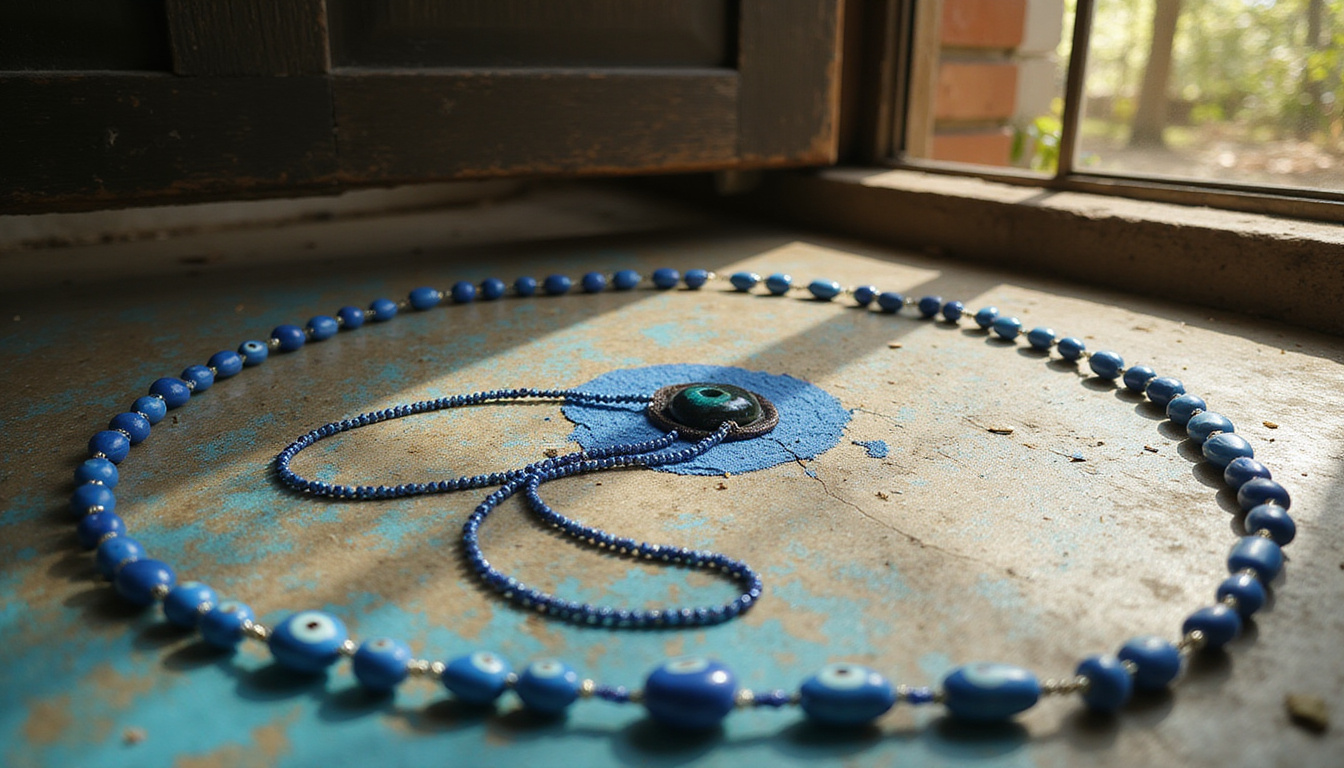
- Learn the origins. If you’re drawn to a symbol (like the evil eye bead or hamsa), research its cultural history and use it with understanding and respect.
- Focus on consent and goodwill. Rituals should never be used to control others or invade their boundaries. Keep the focus on your own protection and wellbeing.
You can always create your own symbolic acts that are personally meaningful and ethically neutral: unique gestures, phrases, or objects that feel protective to you.
When Apotropaic Rituals Help—and When They Don’t
While apotropaic rituals can be powerful supportive tools, there are limits:
Helpful uses:
- Calming pre-event anxiety (exams, interviews, performances)
- Grounding during times of change or uncertainty
- Marking transitions (new home, new job, end of a relationship)
- Supporting existing mental health practices (mindfulness, therapy, self-care)
Potential pitfalls:
- Using rituals instead of addressing urgent real-world problems
- Developing compulsive behaviors that cause distress if not completed “perfectly”
- Interpreting every setback as a “curse” rather than a natural part of life
If you notice that your protective behaviors are becoming rigid, fear-driven, or interfering with daily functioning, it may be helpful to talk with a mental health professional.
Quick-Start Ideas: 7 Simple Apotropaic Rituals to Try
Pick one or two that resonate:
- Place a small bowl of salt or a meaningful stone near your front door.
- Create a two-word protection mantra (e.g., “Shielded, steady”) and repeat it before stressful tasks.
- Wear a specific ring, bracelet, or necklace only on days when you need extra courage.
- After coming home, wash your hands slowly, imagining you’re releasing the day’s negativity.
- Once a week, open windows for a few minutes and gently clap or ring a bell in each room to “refresh” the energy.
- Keep a tiny protective object in your bag or pocket to hold during moments of stress.
- Light a candle in the evening with the intention: “This light marks my home as a place of safety and peace.”
None of these require complex belief systems; they function as symbolic anchors for calm, clarity, and protection.
FAQ About Apotropaic Rituals and Protection Practices
1. What are some examples of traditional apotropaic practices?
Traditional apotropaic practices include hanging a horseshoe over a doorway, using the hamsa hand or evil eye amulets, reciting protective prayers, drawing protective symbols on thresholds, or wearing specific stones or religious medals believed to ward off harm.
2. Can modern self-care routines count as apotropaic protection rituals?
Yes. Many modern habits—like lighting a candle to “reset” after work, taking a cleansing bath with intention, or using affirmations for safety and boundaries—can function as modern apotropaic protection rituals, especially when you consciously frame them as ways to release negativity and strengthen your inner shield.
3. Do apotropaic charms and spells actually work?
Effectiveness depends on your perspective. From a spiritual view, some believe apotropaic charms and spells create real energetic or divine protection. From a psychological lens, they work by reducing anxiety, increasing confidence, and helping you feel safer and more in control—benefits that are very real in everyday life.
Bring Protective Magic Into Your Everyday Life
Life will always contain uncertainty—but you don’t have to meet it empty-handed. Thoughtful apotropaic rituals give structure to your desire for safety and empower you to respond to fear and bad luck with intention rather than panic.
You don’t need elaborate ceremonies, exotic tools, or rigid rules. Start with the simplest actions: a meaningful object by your door, a phrase that centers you, a tiny gesture that signals, “I am protected.” Over time, your personal set of protective rituals becomes a quiet, steady ally in the background of your life.
If you’re ready to go deeper, begin by choosing one ritual from this guide and practicing it daily for a week. Notice how it affects your mood, your sense of security, and your ability to navigate challenges. Then refine, add, or reinvent rituals until your everyday life feels not just lived—but consciously protected.
Cultural superstitions have shaped traditions and beliefs for generations. Explore the psychology, cultural history, and science behind these fascinating practices at SpiritualMindScience.com.