From carved lions at temple gates to cats on ship decks, apotropaic animals have been part of human life for thousands of years. The term “apotropaic” comes from the Greek apotrépein, meaning “to ward off,” and it captures a universal human impulse: using symbols, rituals, and especially animals—real or imagined—to push back against bad luck, evil spirits, and misfortune.
This article explores how animal guardians developed in ancient cultures, why they still appear in modern superstitions, and what these beliefs reveal about the human need for protection and meaning.
What Are Apotropaic Animals?
Apotropaic animals are real or mythical creatures believed to possess protective power. People use them in images, statues, jewelry, stories, or even in everyday habits to:
- Ward off evil spirits
- Protect homes, crops, and cities
- Bring good luck and prosperity
- Guard travelers and sailors
These beliefs aren’t just random superstitions. Anthropologists see apotropaic animals as a kind of “emotional technology”: they help people feel safer and more in control of an unpredictable world.
Ancient Civilizations and Their Animal Protectors
Many ancient societies built entire religious and social systems around apotropaic animals. Here are some of the most influential examples.
Egypt: Cats, Scarabs, and Crocodiles
Ancient Egypt is one of the clearest cases where animals and protection are tightly linked.
-
Cats: Revered for their ability to hunt snakes and rodents, cats were seen as sacred to the goddess Bastet. Keeping a cat was more than pest control—it was considered a way to protect the household from both physical and spiritual harm.
-
Scarab beetles: Scarabs symbolized rebirth and the rising sun. Scarab amulets were carried to protect the wearer in this life and the next; they’re among the most iconic apotropaic animal symbols from Egypt.
-
Crocodiles: Feared predators, yet also divine, crocodiles were associated with Sobek, a god of strength and protection. In some regions, their presence nearby was thought to shield communities.
These animal symbols were everywhere—in jewelry, tombs, wall paintings, and everyday household items.
Mesopotamia: Hybrid Guardians of Thresholds
In ancient Mesopotamia (modern Iraq and surrounding areas), colossal hybrid creatures guarded palaces and cities.
- Lamassu: Human-headed winged bulls or lions placed at gateways, meant to intimidate enemies and repel evil spirits.
- Lions: Associated with Ishtar/Inanna, lions symbolized royal power and divine protection in battle.
These figures show how apotropaic animals often combine physical strength with sacred meaning, doubling their perceived power.
Greece and Rome: Owls, Snakes, and Gorgons
The Greeks and Romans filled their homes, temples, and ships with animal imagery for defense.
- Owls: Connected with Athena, goddess of wisdom and war strategy, owls were believed to bring insight and favorable outcomes, especially to soldiers and leaders.
- Snakes: Both feared and revered, snakes were seen as guardians of sacred spaces and household altars. The Romans kept snake imagery in domestic shrines as protectors of the family.
- Gorgoneion: The head of Medusa, with her snake hair, appears on shields, armor, and buildings. Though not a real animal, it clearly uses animal traits apotropaically—snakes, fangs, and a petrifying gaze—all designed to scare off evil.
These symbols show that apotropaic animals could be both friendly guardians and terrifying monsters; what mattered was their ability to repel harm.
The Fascinating World of Hybrid and Mythical Beasts
Not all apotropaic animals are real creatures. Many cultures invented hybrids with exaggerated features specifically for protection.
Griffins, Dragons, and Other Hybrids
- Griffins (lion-eagle hybrids) appear across the ancient Near East and Greek art, guarding treasures and tombs. The combination of king-of-beasts and king-of-birds amplifies their status.
- Dragons in East Asia are benevolent, rain-bringing protectors, while in medieval Europe they become dangerous foes, yet their image is still used heraldically to signal strength and fearlessness.
- Sphinxes, chimeras, and other hybrids often appear on thresholds, tombs, and city walls, marking the boundary between safe and unsafe space.
Why Hybrids Work So Well as Guardians
Mythical apotropaic animals often combine traits that humans fear or admire:
- Sharp teeth and claws (offense)
- Wings (mobility, divine connection)
- Human intelligence (strategy, speech)
- Size and power (intimidation)
By concentrating these traits in one being, societies created a perfect supernatural bouncer—terrifying to enemies, reassuring to those under its protection.
Everyday Life: Household and Folk Animal Guardians
Apotropaic animals weren’t limited to temples and palaces. Ordinary people used them in homes, farms, and villages.
Farm Animals as Protectors
Many traditional societies believed certain farm animals had special protective roles:
- Dogs: Guarding homes and herds, dogs naturally fit as apotropaic animals. In some traditions, a barking dog was said to detect spirits or unseen threats.
- Roosters: Their crowing at dawn symbolized the banishing of darkness and evil. Rooster motifs were commonly carved on weathervanes and rooftops as spiritual alarms.
- Horses: In parts of Northern Europe, small wooden or ceramic horse figures were kept as charms to protect against misfortune, especially for travelers.
Household Symbols and Talismans
People frequently used animal imagery in:
- Door carvings and lintels
- Pottery and cooking vessels
- Wall hangings and tapestries
- Jewelry, amulets, and children’s charms
For example, the carved lion door knockers on European houses are not just decorative; they echo much older beliefs in lions as protectors of thresholds.
Apotropaic Animals in Religion and Spirituality
Across major religions and spiritual systems, animal protectors appear as symbols of divine presence and safeguarding.
Christianity: Lambs, Lions, and Roosters
While Christian theology distances itself from “superstition,” Christian art is full of symbolic animals:
- Lamb: Represents innocence and Christ’s sacrifice, offering spiritual protection through faith.
- Lion: A symbol both of Christ (Lion of Judah) and of courage; lions on church doors and tombs recall earlier apotropaic symbolism.
- Rooster on church spires: Besides practical wind-direction usage, the rooster symbolizes vigilance and repentance. Its high placement suggests a watchman over the community.
Hinduism, Buddhism, and East Asian Traditions
- Naga (serpent beings) in Hindu and Buddhist art guard temples and sacred waters.
- Lions (often stylized) appear outside Buddhist temples and Chinese imperial buildings as protective pairs.
- Fu Dogs (Shishi/Lion Dogs) in Chinese culture, usually stone statues flanking gates, are classic apotropaic animals that protect homes and institutions from harmful influences.
These religious uses link animal guardians directly to the sacred, blending spiritual belief with psychological comfort.
Modern Superstitions: Do We Still Believe in Animal Guardians?
Even in technologically advanced societies, apotropaic animals quietly persist in popular culture and personal habits.
Common Modern Examples
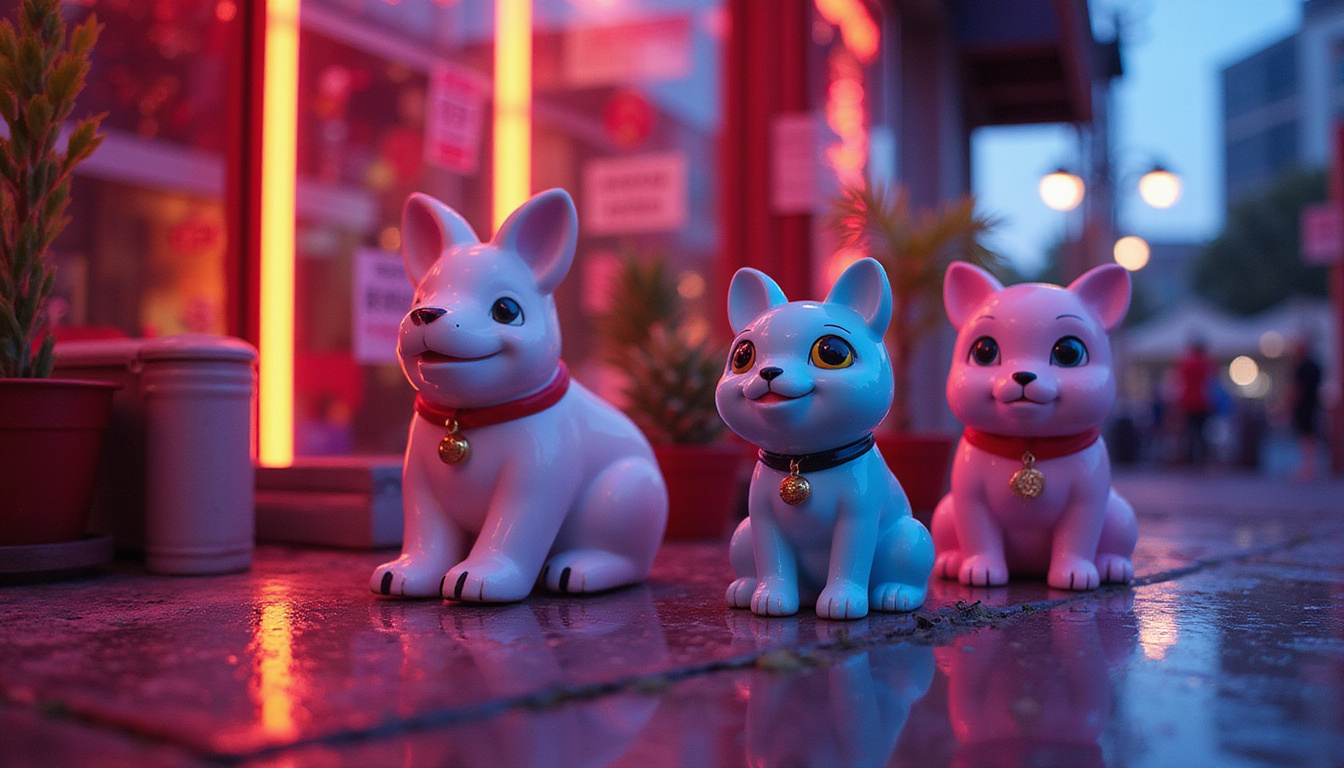
- Lucky cat (Maneki-neko): The raised-paw cat in shops and restaurants in Japan (and worldwide) is believed to beckon good fortune and ward off financial misfortune.
- Black cats: In some cultures, they’re omens of bad luck; in others (like parts of the UK and Japan), they’re lucky. Either way, they hold apotropaic power—people alter their behavior because of them.
- Rabbit’s foot: Carried as a charm to bring luck and deflect misfortune, this is a direct survival of older European and African animal-based magical traditions.
- Eagle, wolf, and bear tattoos: For some, these are not just aesthetic; they’re chosen as personal guardians symbolizing strength, courage, or resilience.
We also see stylized animal mascots for sports teams, military units, and brands, often chosen specifically for their protective or powerful symbolism.
Psychology Behind Modern Belief
Research on superstition and ritual suggests that apotropaic behaviors:
- Reduce anxiety in high-uncertainty situations (exam luck charms, pre-game rituals)
- Increase a sense of control, even when there’s no objective effect (source: American Psychological Association)
- Strengthen group identity when symbols are shared (team mascots, national animals)
Apotropaic animals, whether on keychains or company logos, serve these same functions today.
Why Humans Keep Inventing Apotropaic Animals
From a modern scientific perspective, animals can’t literally repel “evil spirits.” Yet the persistence of apotropaic animals across time and culture points to some deep human needs.
1. Managing Fear and Uncertainty
Life has always been risky—disease, storms, war, economic upheaval. Apotropaic animals function like psychological armor, giving people:
- A symbolic ally in the face of danger
- Rituals to perform when they feel powerless
- A reassuring narrative: “I am not unprotected.”
2. Making the Invisible Visible
Many threats are invisible—germs today, spirits or curses in the past. By giving harm a physical counterpart (a lion on the gate, a dragon over the roof), people feel they can at least gesture toward controlling the unseen.
3. Connecting with Nature and the Sacred
Apotropaic animals keep humans connected to the natural world and, for believers, to divine forces. They embody admired traits—courage, speed, foresight—and let people symbolically “borrow” those qualities.
How Apotropaic Animals Appear in Today’s Design and Culture
Even if we don’t consciously think “this statue will repel demons,” apotropaic symbolism still shapes modern aesthetics.
You can see echoes of apotropaic animals in:
-
Architecture
- Gargoyles on Gothic cathedrals
- Lion heads on fountains and doors
- Dragon motifs on roofs in East Asia
-
Fashion and Jewelry
- Animal pendants worn as “good luck” pieces
- Designer collections featuring tigers, snakes, or bees as recurring protective themes
-
Pop Culture and Media
- Patronus animals in the Harry Potter series, explicitly protective spirit animals
- Superhero logos (bats, spiders, panthers) functioning as modern mythic animal guardians
These uses show that the language of apotropaic animals still resonates, even when wrapped in entertainment or style.
FAQ: Common Questions About Apotropaic Animals
1. What are some famous examples of apotropaic animals in history?
Well-known historical apotropaic animals include Egyptian cats and scarab beetles, Mesopotamian lamassu (winged bulls or lions), Greek and Roman owls and snakes, Chinese lion dogs (fu dogs), and medieval European gargoyles shaped like beasts and monsters. Each of these was used to guard spaces, people, or valuables from harm.
2. Are modern “lucky animals” really apotropaic creatures?
Yes. When people display a lucky cat, carry a rabbit’s foot, wear a wolf pendant for protection, or tattoo a lion as a personal guardian, they’re engaging in apotropaic behavior. The form is updated, but the function—using an animal symbol to repel bad luck or invite good fortune—remains the same.
3. Can apotropaic animal symbols affect us even if we don’t believe in them?
They can, at least psychologically. Studies on superstition show that rituals and charms can reduce anxiety, boost confidence, and influence performance by changing mindset. Even if you don’t consciously believe an apotropaic animal has “magic,” its presence can act as a focusing symbol, a reminder of strength, vigilance, or protection.
Bringing Ancient Guardians Into Your Modern Life
Apotropaic animals, from temple lions to lucky cats, reveal something timeless about humans: we seek allies—symbolic or real—against the things we fear most. Whether you approach them as historical curiosities, psychological tools, or meaningful spiritual symbols, these animal guardians connect you to a long, global tradition of protection and hope.
If you’re intrigued by apotropaic animals and how they still shape your environment, start paying attention: notice the lion heads on buildings, the animal charms in your friends’ jewelry, the mascots your culture reveres. Then consider choosing an animal symbol that represents the qualities you want to cultivate—courage, resilience, wisdom—and integrate it intentionally into your space or daily life. By doing so, you’re not just adopting a decorative motif; you’re stepping into an ancient human practice of turning fear into strength through the power of animal guardianship.
Animals have inspired symbols and beliefs across cultures for centuries. Discover how these traditions connect with psychology, spirituality, and human consciousness at SpiritualMindScience.com.