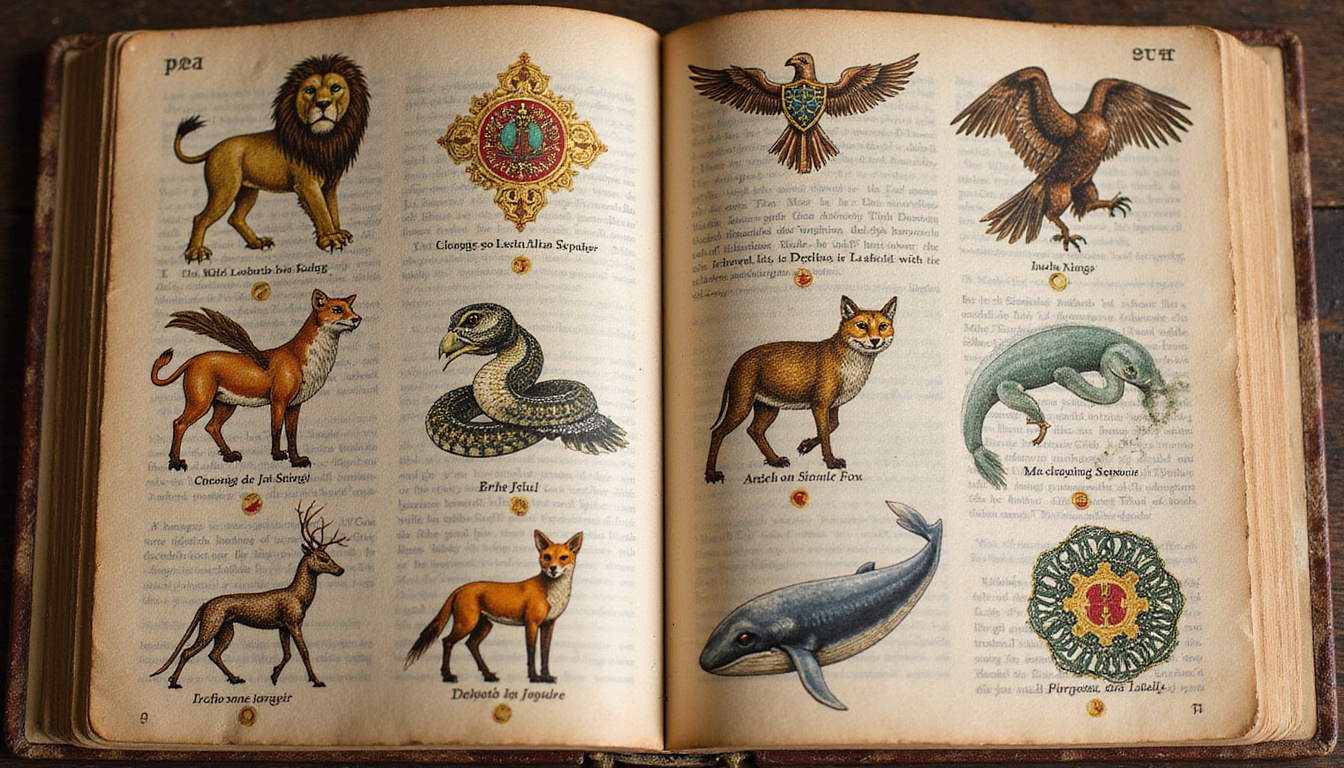
Across cultures and centuries, people have turned to animals to express complex ideas about power, love, fear, and transformation. Exploring animal symbolism examples can help you better understand myths, literature, dreams, spiritual practices, and even modern branding and tattoos. When you recognize what different creatures traditionally represent, you gain a rich vocabulary of images that can deepen your self‑understanding and creative expression.
Below, we’ll decode 10 powerful animals, unpack their hidden meanings, and show how you can apply this symbolic language in everyday life.
Why animal symbolism matters
Animal symbols aren’t just poetic decorations. They serve real psychological and cultural purposes:
- Storytelling: Authors and filmmakers use animals to suggest traits instantly (a “snake” for betrayal, a “lion” for courage).
- Dream interpretation: Many dream systems see animals as embodiments of instinct, emotion, or intuition.
- Spiritual practice: Indigenous traditions, shamanic paths, and modern spiritualities use animal guides to represent teachings and challenges.
- Personal identity: People choose animal tattoos, jewelry, or mascots to express core values or aspirations.
Understanding animal symbolism examples lets you “read” these signs more fluently—whether they appear in your dreams, your social feed, or your favorite novel.
1. Lion symbolism: courage, authority, and solar power
The lion may be one of the most recognizable animal symbols in the world.
Key meanings:
- Courage and bravery: “Heart of a lion” has become shorthand for facing fear.
- Royalty and leadership: Lions appear on coats of arms, national flags, and royal crests across Europe, Africa, and Asia.
- Solar and masculine energy: In many cultures, the lion is linked to the sun—radiant, dominant, and protective.
Cultural examples:
- In ancient Egypt, lion-headed deities like Sekhmet represented both destruction and healing.
- In medieval Europe, the “King of Beasts” became a symbol of nobility and divine right to rule.
In dreams or art: A lion may point to your relationship with power—are you owning your authority, fearing domination, or confronting your own inner “king” or “queen”?
2. Eagle symbolism: vision, freedom, and spiritual height
Eagles soar high above the landscape, making them natural symbols of vision and transcendence.
Key meanings:
- Clarity and foresight: Their keen sight stands for insight, higher perspective, and wisdom.
- Freedom and independence: The open sky becomes a metaphor for liberation.
- Spiritual ascent: Many traditions see birds of prey as messengers between earth and heaven.
Cultural examples:
- The bald eagle in the United States symbolizes national strength and freedom.
- In Roman culture, the eagle was associated with Jupiter and imperial power.
- Indigenous North American traditions often see eagles as sacred beings carrying prayers to the Creator.
In personal symbolism: An eagle might invite you to “rise above” drama and see the big picture, or to claim your independence.
3. Wolf symbolism: loyalty, wildness, and the pack instinct
Among animal symbolism examples, the wolf is one of the most paradoxical: feared predator or wise guide?
Key meanings:
- Loyalty and family bonds: Wolves mate for long periods and care for their packs, symbolizing devotion and cooperation.
- Instinct and wildness: They stand for the untamed part of human nature.
- Teacher and pathfinder: In some traditions, a wolf is a guide through difficult transitions.
Cultural examples:
- In Roman myth, a she-wolf nurses Romulus and Remus, founders of Rome.
- In many Native American cultures, the wolf is revered as a teacher or pathfinder.
- Modern media often casts wolves as symbols of “lone” outsiders, though real wolves are highly social.
In dreams or meditation: Ask whether the wolf reflects healthy instincts and boundaries—or fears about being “devoured” by group expectations.
4. Snake symbolism: transformation, healing, and taboo
Snakes provoke strong reactions, which is exactly why their symbolism is so rich.
Key meanings:
- Transformation and rebirth: Shedding skin represents renewal and life cycles.
- Healing and medicine: The rod of Asclepius—symbol of modern medicine—features a snake (source: [World Health Organization](https://www.who.int/about/who-we-are/ emblem)).
- Temptation and forbidden knowledge: In Abrahamic traditions, the serpent is associated with seduction and the fall from paradise.
- Kundalini energy: In yogic philosophy, coiled serpents symbolize spiritual energy rising through the spine.
Cultural examples:
- In Mesoamerican myth, Quetzalcoatl, the feathered serpent, is a god of wind, wisdom, and creation.
- In ancient Greece, snakes were connected to oracles and prophetic insight.
In your life: A recurring snake symbol might suggest you’re undergoing deep change, confronting fears, or exploring taboo knowledge.
5. Owl symbolism: wisdom, mystery, and the night mind
Owls, with their silent flight and huge eyes, are quintessential symbols of insight.
Key meanings:
- Wisdom and knowledge: Linked to Athena, Greek goddess of wisdom.
- Intuition and the subconscious: Owls see in the dark, just as intuition “sees” what logic can’t.
- Mystery and omens: In some cultures, owls foretell death or major change, in others they’re guardians.
Cultural examples:
- Ancient Greeks placed owls on coins to represent knowledge and prosperity.
- In many Indigenous American views, owls can signal either protective ancestors or warnings, depending on the tribe.
As a symbol: Owls often appear when you need to trust intuition, study deeply, or navigate emotional “darkness.”
6. Butterfly symbolism: metamorphosis and the soul
Among animal symbolism examples, butterflies are perhaps the purest image of transformation.
Key meanings:
- Metamorphosis: Caterpillar → chrysalis → butterfly becomes a living metaphor for personal growth.
- Impermanence and beauty: Their short lifespan reflects the fleeting nature of joy and appearance.
- The soul or spirit: Many cultures link butterflies to departed souls visiting the living.
Cultural examples:
- In ancient Greece, the word “psyche” meant both “soul” and “butterfly.”
- In Mexico’s Día de los Muertos traditions, monarch butterflies are sometimes seen as returning ancestors.
In practice: Butterfly imagery is ideal when you’re marking a life transition—recovery, coming out, changing careers, or embracing a new identity.
7. Bear symbolism: strength, introspection, and cycles of rest
The bear brings together raw power and deep rest.
Key meanings:
- Strength and protection: Bears are fierce defenders of their young and territory.
- Introspection and dreaming: Hibernation symbolizes retreat, inner work, and renewal.
- Earth and maternal energy: Many myths depict bear-mothers or earth goddesses with bear traits.
Cultural examples:
- In Siberian and circumpolar cultures, the bear is often seen as a powerful ancestor or spirit.
- In North American Indigenous art, bears can stand for healing, courage, and guardianship.
Personal reflection: Bear energy might ask you to set strong boundaries, protect what matters, or honor your need for rest and solitude.
8. Fox symbolism: cleverness, adaptability, and trickster energy
Foxes are small, but symbolically they punch above their weight.
Key meanings:
- Cunning and strategy: Foxes find creative ways to survive, symbolizing intelligence and resourcefulness.
- Adaptability: They thrive near humans, in cities, forests, and fields.
- Trickster and shapeshifter: Many myths cast foxes as seducers or magical beings.
Cultural examples:
- In Japanese folklore, the kitsune (fox) can shape-shift, sometimes into a human, representing both wisdom and mischief.
- European tales often show foxes as sly and deceptive, warning against naivety.
In daily life: A fox symbol may nudge you to think outside the box, use wit over brute force, or question appearances.
9. Horse symbolism: power, journey, and partnership
Horses changed human history by making long-distance travel and heavy work possible.
Key meanings:
- Vitality and life-force: Their speed and stamina symbolize physical energy and drive.
- Journey and freedom: Horses stand for movement, migration, and life paths.
- Partnership: The human–horse bond embodies cooperation between instinct and intellect.
Cultural examples:
- In Celtic myth, the horse goddess Epona protects travelers and warriors.
- The four horsemen in Christian apocalyptic imagery represent forces of conquest, war, famine, and death.
Self-inquiry: Seeing or choosing horse symbolism may relate to ambition, freedom, or how well you’re “riding” your own impulses.
10. Dolphin symbolism: play, communication, and emotional intelligence
Dolphins blend high intelligence with joy and sociability.
Key meanings:
- Playfulness and joy: Their acrobatics and games embody lightheartedness.
- Communication and connection: Complex vocalizations symbolize emotional expression and empathy.
- Protection and rescue: Maritime lore is filled with stories of dolphins helping humans.
Cultural examples:
- In ancient Greece, dolphins were sacred to Apollo and Aphrodite and seen as guides of souls.
- Modern culture often uses dolphins to symbolize harmony with nature and compassionate intelligence.
In your world: Dolphin imagery may invite you to loosen up, deepen communication, or lean into empathy and group support.
How to use animal symbolism in your own life
You don’t need to belong to a specific tradition to use animal symbolism consciously. These steps can help:
- Notice recurring animals. Track animals you see in dreams, meditation, media, and real life that feel significant.
- Research multiple traditions. Meanings can vary—compare several sources before deciding what resonates.
- Ask what trait speaks to you. When a wolf appears, is it loyalty, solitude, or danger that stands out most?
- Create personal associations. Your experience matters. If you were bitten by a dog, your dog symbolism will differ from the norm.
- Express it creatively. Use animals in journaling, art, altar spaces, tattoo ideas, or brand concepts to anchor your intentions.
Quick reference list: 10 animal symbolism examples and meanings
- Lion – Courage, leadership, solar power
- Eagle – Vision, freedom, spiritual height
- Wolf – Loyalty, instinct, the pack
- Snake – Transformation, healing, taboo
- Owl – Wisdom, mystery, intuition
- Butterfly – Metamorphosis, soul, impermanence
- Bear – Strength, protection, introspection
- Fox – Cunning, adaptability, trickster energy
- Horse – Power, journey, partnership
- Dolphin – Play, communication, emotional intelligence
This overview gives you a starting vocabulary for decoding animal symbolism wherever you find it.
FAQ about animal symbolism examples
Q1: What do different animals symbolize in dreams?
In dream work, animals often mirror instincts or emotions. For instance, dream wolves may reflect your social needs or fears of exclusion, while dream snakes can point to hidden fears or changes. Always combine general animal symbolism examples with your personal feelings during the dream for more accurate insight.
Q2: How can I find my personal spirit animal meaning?
Many people discover a “spirit” or “power” animal through meditation, recurring dreams, or meaningful encounters. Once a specific animal keeps showing up, research that creature’s traits and cultural meanings, then journal about how those traits relate to your life. Your personal animal symbolism examples may evolve over time as you change.
Q3: Are animal symbolism meanings the same in every culture?
No. Meanings can differ dramatically. For example, owls can be wise guardians in Greek tradition yet ominous in parts of Africa and Latin America. When exploring animal symbolism examples, it’s wise to look at several cultural contexts and then decide which symbolism feels ethically and personally appropriate to use.
Bring animal symbolism into your story
Animal symbols are powerful shortcuts to meaning. By learning a handful of core animal symbolism examples, you can better interpret your dreams, enrich your creative projects, and choose symbols that truly match your values and intentions.
If you’re ready to go deeper, start by picking one or two creatures that fascinate you. Research their myths, watch them in nature or documentaries, and explore how their qualities echo your own life. Over time, you’ll build a personal symbolic “zoo” you can draw on for guidance, protection, and inspiration—letting the animal world speak directly to your imagination and your path forward.
Animals have inspired symbols and beliefs across cultures for centuries. Discover how these traditions connect with psychology, spirituality, and human consciousness at SpiritualMindScience.com.