Animal Superstitions People Still Believe and the Surprising Science Behind Them
All around the world, animal superstitions shape what people fear, what they cherish, and even the choices they make every day. From avoiding black cats to wishing on ladybugs, we constantly attach meaning to animal encounters—often without realizing it. While many of these beliefs sound harmless or even charming, some of them still influence how animals are treated and how we understand nature.
This article explores popular animal superstitions people still believe, the cultural stories that keep them alive, and the surprising science that explains why these myths took hold in the first place.
Why Do Animal Superstitions Exist in the First Place?
Before diving into specific examples, it helps to understand why animal superstitions are so common.
Humans evolved to be pattern-seeking creatures. When something good or bad happened, our ancestors instinctively looked for a cause. Animals—always present in daily life—became convenient symbols:
- A hunting trip goes well after seeing a specific bird? That bird becomes a lucky omen.
- A family member falls ill after a visit from a stray dog? That dog might be seen as a warning sign.
Psychologists call this apophenia: the human tendency to see patterns or connections where none exist. It’s closely related to confirmation bias, where we remember the times a superstition “worked” and ignore all the times it didn’t.
Culturally, these stories got passed down because they served a purpose. They could:
- Reinforce social rules (“Don’t harm that animal; it brings good luck.”)
- Explain the unexplainable (disease, death, sudden fortune)
- Provide a sense of control in an unpredictable world
Science doesn’t support most animal superstitions, but understanding the psychology behind them helps explain why they’re so enduring.
Black Cats: Harbingers of Bad Luck or Misunderstood Companions?
Black cats are among the most famous symbols of bad luck, especially in Western cultures. In some countries, crossing paths with a black cat is still considered a sign that misfortune is coming.
The Origins of the Black Cat Myth
The superstition traces back largely to the Middle Ages in Europe, when black cats became linked to witchcraft. Some people believed witches could transform into cats, or that cats were their “familiars” (spiritual helpers). Because black cats were harder to see at night, they seemed more mysterious and suspicious.
Over time, religious fear, plague-era panic, and storytelling combined to paint black cats as unlucky or evil.
The Reality: Cultural Differences and Cat Science
Not all cultures see black cats as unlucky. In Japan and parts of the UK, a black cat crossing your path can be considered good luck. Sailors’ wives once kept black cats for protection and fortune while their husbands were at sea.
From a scientific and behavioral standpoint, black cats are no different from any other cat. Their coat color is due to genetics (specifically the melanocortin 1 receptor gene). Interestingly, some research suggests that the mutation responsible for black fur may also provide health benefits, potentially making them more resistant to certain diseases (source: National Institutes of Health).
So if anything, black cats might be biologically a bit hardier—not cursed.
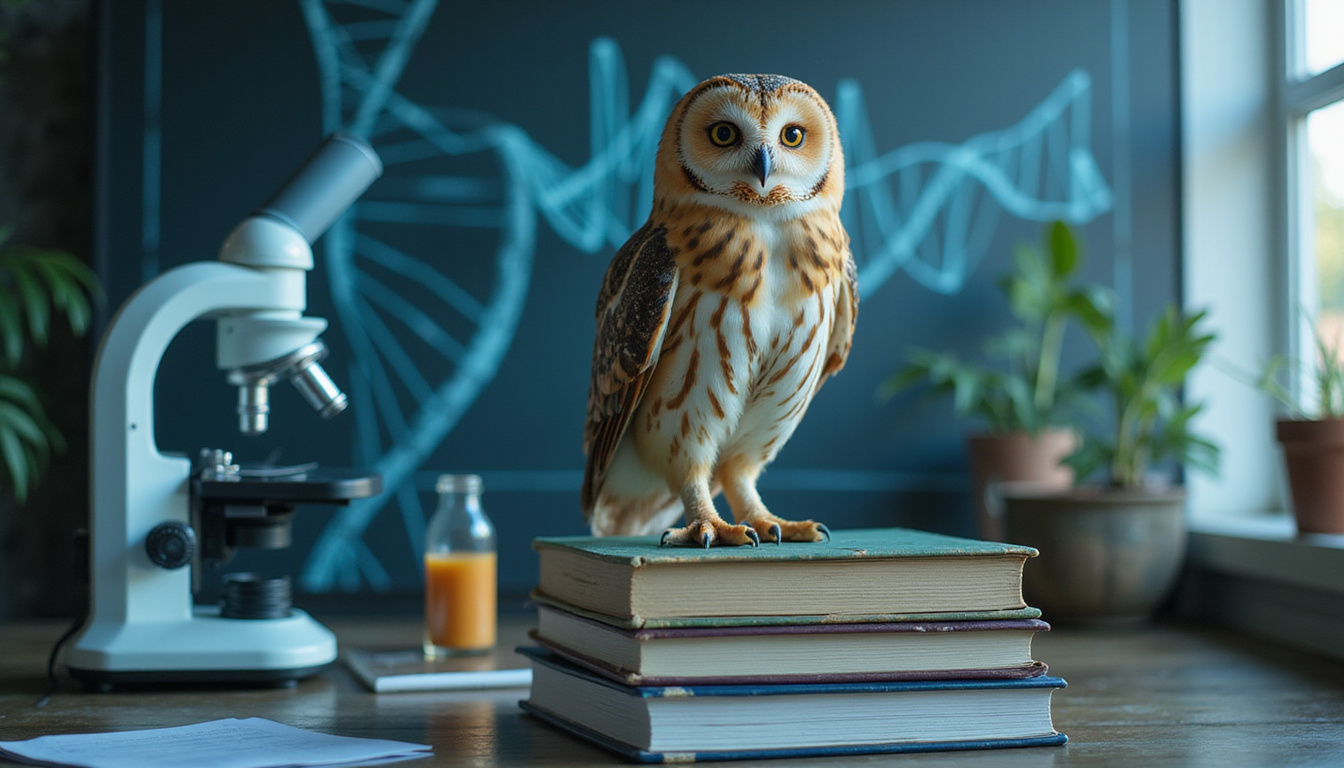
Owls and Death: Night Watchers or Bad Omens?
In many cultures, seeing or hearing an owl is still associated with death or bad news. Their calls, active nightlife, and piercing eyes can feel eerie, so they’ve become powerful symbols in folklore.
Cultural Stories Behind the Owl Superstition
- In parts of Africa and Europe, an owl hooting near a house was thought to predict a death in the family.
- Some Native American traditions have viewed owls as messengers from the spirit world or guardians of the dead.
- In ancient Rome, owls were sometimes seen as omens of disaster.
Yet in other traditions, owls are symbols of wisdom, like the owl of Athena in ancient Greece.
The Science: Why Owls Feel So Mysterious
Owls seem “supernatural” because of their unique adaptations:
- Silent flight: Specialized feathers reduce turbulence, making their wingbeats nearly silent.
- Forward-facing eyes: Like humans, making their stare feel intense.
- Nocturnal behavior: We tend to fear what we can’t see clearly at night.
But these traits are purely evolutionary. Owls are night hunters that rely on stealth and precision, not on predicting human misfortune. The “omen” is in our minds, not in the bird.
Bats: Vampires of the Sky or Unsung Ecosystem Heroes?
Bats are another frequent target of animal superstitions. From vampire legends to modern fear around disease, bats are often cast as villains.
Where Bat Superstitions Come From
In folklore and fiction, bats are often associated with:
- Vampires and blood-drinking (inspired loosely by vampire bats)
- Darkness and caves (places people instinctively fear)
- Witchcraft and sorcery (ingredients in spells and potions in old stories)
These images paint bats as creepy, dangerous creatures—yet this is deeply misleading.
The Science: What Bats Actually Do for Us
Most bats don’t drink blood. The vast majority:
- Eat insects, helping control pests that threaten crops and spread disease
- Pollinate plants and disperse seeds, supporting forests and fruit production
From a public health perspective, bats can carry viruses, yes—but so can many mammals. The risk usually increases when people disturb natural habitats or handle wild animals without precautions.
Ecologists consistently highlight bats as crucial for ecosystems and agriculture, not as supernatural agents of harm.
Dogs Howling at Night: Ghost Warnings or Natural Communication?
In many cultures, a dog howling at night is seen as a sign that spirits are near, or that death or misfortune is approaching.
Folklore Around Dog Howls
- Some European traditions claimed that a howling dog outside a home predicted a death inside.
- In parts of the Middle East and South Asia, persistent howling is sometimes linked to jinn, spirits, or haunting.
This belief survives in small ways: people may feel uneasy or think “something bad is coming” when a dog starts howling.
The Science of Howling: What Dogs Are Really Saying
Howling is a form of long-distance communication inherited from wolves. Dogs howl to:
- Respond to certain sounds (sirens, music, other dogs)
- Express anxiety, separation distress, or territorial behavior
- Seek attention or reunite with their social group
Research shows many dogs howl at high-pitched sounds not because they sense ghosts, but because those sounds activate instinctive communication behaviors. They’re not predicting death; they’re vocalizing in a way their ancestors did.
Butterflies, Moths, and Souls: Delicate Spirits or Natural Metamorphosis?
Butterflies and moths occupy a softer side of animal superstitions. They’re often seen as messengers from the dead or symbols of the soul.
Symbolism Around Butterflies and Moths
- In some cultures, a butterfly entering your house means a loved one is visiting or bringing news.
- White moths are sometimes seen as the spirit of a deceased relative.
- Butterflies often symbolize transformation, rebirth, or life after death.
These beliefs are emotionally powerful and can offer comfort during grief.
The Science Behind the Magic
The real story of butterflies and moths is metamorphosis. They:
- Begin as eggs
- Become caterpillars (larvae)
- Enter the chrysalis/cocoon stage
- Emerge as winged adults
This dramatic transformation naturally lends itself to spiritual symbolism. But from a biological standpoint, it’s a complex hormonal and genetic process, not a soul changing form.
Still, the awe we feel watching a butterfly emerge is real—and that sense of wonder is worth preserving, even if we separate it from superstition.
Insects, Spiders, and “Lucky” or “Unlucky” Bugs
Not all animal superstitions are about fear. Some are surprisingly positive—especially when they involve small creatures.
Common “Lucky” and “Unlucky” Creatures
People often believe:
- Ladybugs bring good luck and money, especially if they land on you.
- Crickets in the house bring prosperity and should not be killed.
- Spiders in the morning bring bad luck; in the evening, good news is coming.
- Dragonflies are signs of positive change or protection.
Most of these beliefs come from farming traditions, seasonal changes, and the obvious visibility of these insects at certain times of year. If a good harvest coincided with more ladybugs, people connected the two.
Scientific Perspective
Many of these insects do offer real benefits:
- Ladybugs eat plant pests like aphids.
- Crickets and other insects help recycle organic material in ecosystems.
- Spiders control mosquito and fly populations.
The “luck” they bring is ecological and practical, not magical. A field full of ladybugs really can mean healthier crops—just not in the mystical sense folklore suggests.
Why Animal Superstitions Stick: The Psychology Behind Belief
Even when we know better, animal superstitions can feel compelling. That’s because they tap into deep psychological tendencies:
-
Pattern recognition
We link unrelated events—like seeing an owl and later hearing bad news. -
Emotional weight
Events like death, illness, or sudden fortune are so emotionally charged that we look extra hard for meaning. -
Cultural repetition
Stories, movies, and family sayings reinforce the same symbols over generations. -
Cognitive ease
A simple story (“Black cats are unlucky”) is easier to remember than complex reality (“Nothing about coat color affects your life outcomes”).
Superstitions can be comforting when they offer explanation or a sense of control. The key is recognizing them as stories—not facts—and making sure they don’t lead to animal cruelty or fear.
How Animal Superstitions Affect Real Animals
It might seem like animal superstitions are harmless, but they can have real-world effects:
- Persecution of certain species: Black cats, owls, snakes, and bats are sometimes killed or avoided because of fear or myths.
- Conservation challenges: Animals seen as “evil” or unlucky may get less public support for protection.
- Pet adoption bias: Black cats and black dogs are sometimes adopted less readily from shelters due to lingering biases and media portrayals.
On the positive side, “lucky” animals can benefit from reverence or protection. But for meaningful conservation, we need to value animals based on ecological roles and welfare—not myths.
How to Think More Critically About Animal Superstitions
If you want to keep the cultural richness of folklore while embracing science, you don’t have to abandon these stories entirely. You can:
- Appreciate them as myths and symbols, not literal truths.
- Teach children the science behind animal behavior alongside legends.
- Support animal welfare and conservation efforts for “unlucky” animals.
- Notice your own biases when you react strongly to certain species.
By doing this, you honor tradition while also respecting animals as they truly are.
Quick List: Common Animal Superstitions Around the World
Here’s a brief overview of widespread beliefs you might still encounter:
- Black cat crossing your path = bad luck (or good luck, depending on the country).
- Owl hooting near the house = impending death or misfortune.
- Bat in the house = sign of death or serious illness.
- Dog howling at night = spirit nearby or coming tragedy.
- Butterfly or moth in the home = message from a deceased loved one.
- Ladybug landing on you = good luck and financial gain.
- Killing a cricket or spider = bad luck or loss of money.
- Seeing a single magpie = sorrow; two magpies = joy (“One for sorrow, two for joy…”).
These beliefs are powerful cultural artifacts—but they’re not predictions of the future.
FAQ: Common Questions About Animal Superstitions
Q1: Are animal superstitions based on any real science?
Most animal superstitions aren’t supported by science. They’re grounded in historical events, fears, and cultural storytelling rather than evidence. However, many “lucky” animals (like ladybugs or bats) really do benefit ecosystems, which might have helped strengthen their positive reputations in some traditions.
Q2: Why do some cultures see the same animal superstitions differently?
Different histories, religions, and environments lead to different symbolic meanings. For example, black cats are considered unlucky in some Western cultures but lucky in parts of Japan and the UK. The same animal can carry opposite superstitions because local stories and events shaped them in unique ways.
Q3: How can we reduce the harm caused by negative animal superstitions?
Education is key. Teaching kids and adults about animal behavior, ecology, and conservation helps replace fear with understanding. Sharing scientific facts, supporting shelters and wildlife organizations, and challenging harmful myths—especially those targeting “unlucky” species—can all reduce the negative impact of animal-related beliefs.
Moving Beyond Myths: A Call to See Animals Clearly
Animal superstitions are a fascinating window into human psychology and culture. They show how deeply we crave meaning, and how ready we are to project our hopes and fears onto the creatures around us. But when myths lead to fear, neglect, or cruelty, it’s time to question them.
You don’t have to give up the stories you grew up with. Instead, enrich them with curiosity and knowledge. The next time a black cat crosses your path, an owl calls at night, or a butterfly drifts through your garden, take a moment to see the real animal behind the superstition.
Then, take action: support a local shelter, donate to a wildlife charity, or simply share what you’ve learned about animal superstitions with someone else. The more we replace fear with understanding, the better life becomes—for us and for the animals who share our world.
Animals have inspired symbols and beliefs across cultures for centuries. Discover how these traditions connect with psychology, spirituality, and human consciousness at SpiritualMindScience.com.