From elaborate mating dances to solemn mourning practices, animal rituals reveal far more than simple instinct. Around the world, scientists observe animals repeating complex, symbolic behaviors that hint at culture, memory, and even a sense of meaning. Far from being mechanical creatures driven only by survival, many species perform ritualized actions that look strikingly similar to human ceremonies.
This growing body of research is transforming how we see the minds and societies of animals—and challenging our assumptions about what makes humans unique.
What Are Animal Rituals?
In behavioral science, animal rituals are repeated, structured behaviors performed in similar ways across time or groups. They often:
- Follow a predictable sequence
- Go beyond what’s strictly “necessary” for survival
- Carry social or emotional meaning within the group
Examples include:
- Courtship displays and mating dances
- Grooming sessions with clear social rules
- Group howls or choruses
- Mourning behaviors around dead individuals
Unlike reflexes or random play, rituals have a recognizable pattern. They can be observed, documented, and—most importantly—shared and passed on within a social group, which hints at something similar to culture.
Why Do Animals Have Rituals?
Rituals don’t arise by accident. In animal societies, they usually serve one or more key functions:
-
Communication
Rituals convey information: “I’m ready to mate,” “I’m not a threat,” “We belong to the same group.” The formality of a ritual reduces ambiguity. -
Conflict Management
Formalized behaviors help avoid danger. Ritualized threats, for example, allow animals to settle disputes without deadly fights. -
Social Bonding
Many animal rituals, like grooming or synchronized movements, strengthen trust and cooperation. -
Learning and Culture
When rituals are copied by younger animals, they transmit knowledge and social norms across generations. -
Emotional Processing
Particularly in mourning and reunion rituals, animals appear to use structured behaviors to respond to intense emotional events.
The deeper researchers look, the more they find that animal rituals are not just instinctive scripts—but flexible social tools used with surprising intelligence.
Courtship and Mating: Performance and Precision
Courtship is one of the most dramatic contexts for animal rituals. The stakes are high, and so is the level of performance.
Birds: Choreographed Dances and Artistic Displays
Many birds rely on elaborate ritual sequences to attract mates:
- Bowerbirds build intricate “bowers”—elaborate structures decorated with shells, flowers, and even bits of plastic. Males arrange items by color and symmetry and perform courtship dances within or near the bower. Females inspect these rituals with clear discernment, choosing based on quality and style (source: National Geographic).
- Birds-of-paradise in New Guinea use complex dances, vocalizations, and even feather transformations, creating what look like costume changes and stage shows.
These rituals show creativity, planning, and aesthetic sense. Some individual birds innovate new moves or decorations, and successful displays get copied, much like human cultural trends.
Insects and Fish: Structured Sequences
Even “simpler” creatures perform highly ritualized courtship:
- Jumping spiders wave legs, drum, and perform precise body movements to signal species identity and quality.
- Cuttlefish use dynamic color-changing skin patterns combined with body postures in stylized sequences.
- Many fish species engage in synchronized swimming, nest-building, and choreographed approaches before mating.
These rituals reduce the risk of miscommunication and ensure both partners are correctly identified and ready—vital in crowded, diverse ecosystems.
Social Rituals: Grooming, Greetings, and Alliances
Beyond reproduction, animal rituals are the glue that holds social groups together.
Primates: Grooming as Social Currency
Among monkeys and apes, grooming is one of the most important rituals:
- Grooming removes parasites, but its deeper value is social.
- Individuals groom allies, higher-ranking group members, or those they want to appease.
- Grooming episodes follow rules: who starts, how long it lasts, and how it’s reciprocated can all carry meaning.
Chimpanzees, for example, sometimes perform greeting rituals—like hand-clasp grooming—where two chimps reach up and clasp hands while grooming each other’s armpits. Different groups have distinct versions of this ritual, suggesting cultural variation.
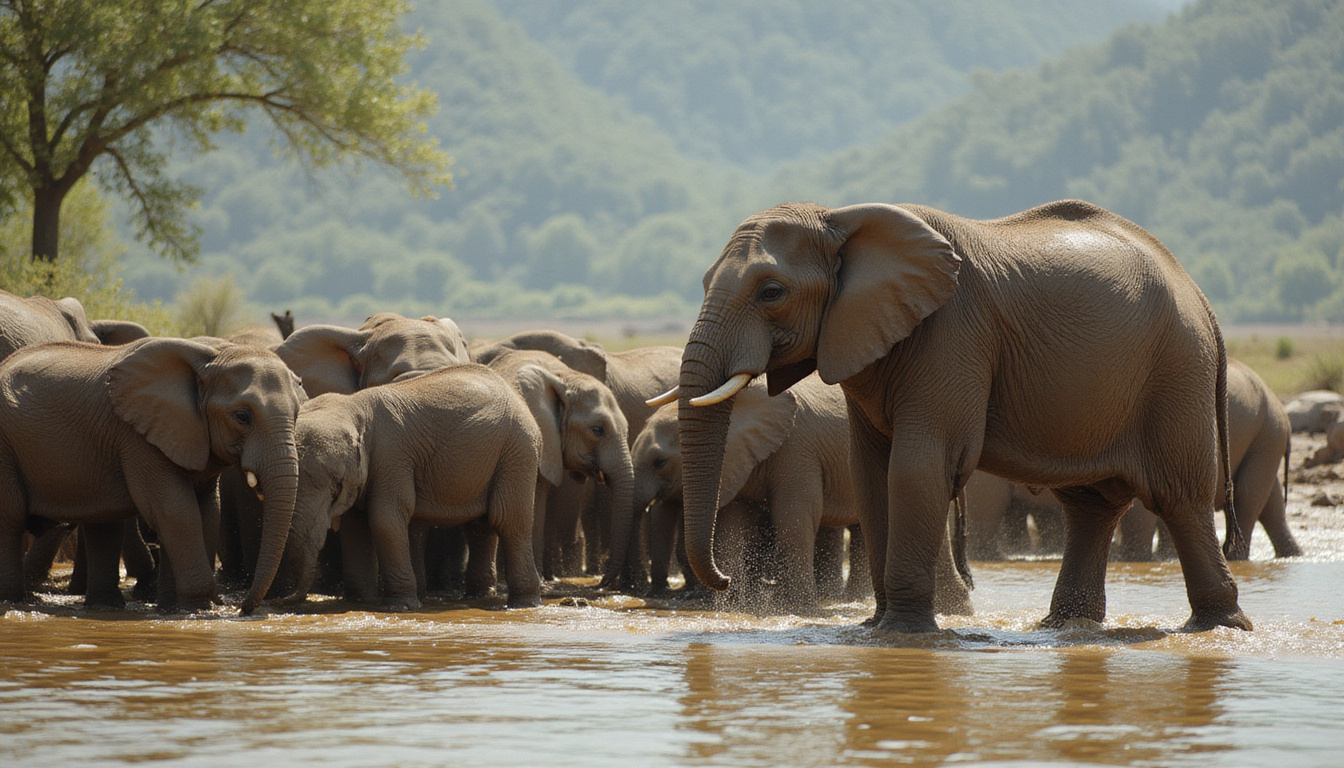
Elephants: Trunks, Touch, and Togetherness
Elephants perform complex greeting and bonding rituals:
- When herd members reunite, they may flap ears, trumpet, entwine trunks, and urinate in excitement.
- Family groups engage in coordinated movements and “celebratory” behavior when greeting long-absent individuals.
- Calming touch with trunks serves as reassurance in times of stress.
These repeated patterns are not random; they closely follow social rules linked to hierarchy, kinship, and emotional state.
Dolphins and Whales: Synchronized Movements
Marine mammals also rely on ritual:
- Dolphins use coordinated leaps, synchronized swimming, and body rubbing to maintain bonds and possibly display alliances to others.
- Some whale species breach, slap tails, or spy-hop in patterns that may function as both communication and collective ritual, especially in feeding and travel contexts.
Such behaviors help individuals navigate the complexities of large, long-lived social groups in vast ocean environments.
Aggression and Peacekeeping: Rituals That Avoid Bloodshed
Not all ritualized behaviors are friendly, but many help avoid lethal violence.
Ritualized Aggression
Many animals use symbolic displays instead of outright attacks:
- Stags clash antlers in structured contests with clear rules; they rarely fight to the death.
- Lizards perform push-ups, head-bobbing, and body inflation to signal strength without immediate fighting.
- Wolves show threatening postures (raised hackles, bared teeth) in stylized form, often ending disputes before serious injury.
These ritual displays function like negotiations. They allow each side to assess the other’s strength, backing off when necessary while preserving social order.
Reconciliation Rituals
After conflict, some species use peacemaking behaviors:
- Bonobos and chimpanzees use grooming, touch, and play-like interactions as reconciliation rituals after fights.
- Ravens and other corvids may engage in affiliative behaviors, such as gentle contact or sharing food, after aggression.
These patterns stabilize relationships, prevent long-term feuds, and preserve group cohesion.
Death and Mourning: The Most Mysterious Animal Rituals
Some of the most striking examples of animal rituals occur around death, an area once thought to be uniquely human.
Elephants and Their Dead
Elephants are famous for their responses to carcasses:
- They gently touch bones and tusks with trunks and feet.
- They may stand quietly near a deceased elephant, sometimes for long periods.
- Family members may return to the bones of relatives months or years later.
These repeated, patterned interactions look like mourning rituals, though scientists are cautious about over-interpreting. At minimum, they show clear recognition and emotional salience around death.
Cetaceans: Carrying and Guarding the Dead
Whales and dolphins sometimes:
- Support dead or dying calves at the surface for hours or days.
- Remain near a dead pod-mate, circling or nudging the body.
- Emit distinctive vocalizations during these events.
These behaviors consume enormous energy and offer no obvious survival advantage, suggesting a powerful emotional and social drive behind these rituals.
Primates and Grief
Chimpanzees, gorillas, and other primates have been observed:
- Staying close to the bodies of dead infants or group members.
- Carrying deceased infants for days.
- Showing reduced playfulness, appetite, and social activity, reminiscent of grief.
While we cannot fully access their inner experience, the consistency of these patterns across groups and species indicates structured, communal responses to death.
Cultural Transmission: When Rituals Become Tradition
A hallmark of human culture is the passing down of symbolic practices. Increasingly, scientists find similar patterns in animals.
Social Learning and Local Styles
Many ritual-like behaviors vary by region, forming “traditions”:
- Chimpanzee communities differ in hand-clasp grooming styles, courtship gestures, and tool-use rituals, even in similar environments.
- Songbirds develop local “dialects”—learned vocal patterns that function like regional accents and song traditions.
- Orca (killer whale) pods have distinct call repertoires, hunting practices, and social displays, passed down through generations.
These variations can’t be explained purely by genetics or ecology. Instead, they show culture: group-specific, socially learned behavior.
Flexibility and Innovation in Animal Rituals
Rituals are not rigid scripts. Animals sometimes:
- Combine existing behaviors into new sequences.
- Adopt new objects or locations into established rituals (e.g., urban birds using human trash as display items).
- Adjust timing, partners, or intensity depending on context.
This flexibility implies cognitive complexity—animals are not just following fixed instructions but using rituals as adaptable tools for social life.
What Animal Rituals Reveal About Intelligence
Studying animal rituals offers fresh insight into nonhuman minds:
-
Memory and Anticipation
Rituals require remembering sequences and anticipating others’ responses. -
Perspective-Taking
Animals often adjust rituals depending on who is watching or participating, hinting at an understanding of others’ minds. -
Emotional Sophistication
Bonding, reconciliation, and mourning rituals suggest emotional lives rich enough to warrant structured social responses. -
Symbolic Seeds
Some displays, songs, and gestures take on meanings beyond their immediate physical function, approaching symbolic communication.
Taken together, these findings blur once-sharp boundaries between “instinct” and “culture,” between “simple” animal behavior and “complex” human social life.
Key Types of Animal Rituals at a Glance
To summarize, many species use ritual for multiple purposes:
- Mating and Courtship Rituals
- Dances, displays, nest-building, song repertoires
- Bonding and Social Order Rituals
- Grooming, greeting sequences, synchronized movement
- Aggression and Peacekeeping Rituals
- Threat displays, dominance posturing, reconciliation behaviors
- Parenting and Care Rituals
- Feeding routines, protective positioning, reunion ceremonies
- Mourning and Death Rituals
- Vigil-like behavior, body care, bone-touching, vocalizations
These categories overlap, but together they show how deeply ritual is woven into animal societies.
FAQ: Common Questions About Animal Rituals
1. Do all animals have rituals, or only intelligent species?
Ritual-like behaviors appear across many groups, from insects to mammals. However, more flexible, socially transmitted animal rituals are most evident in cognitively complex species such as primates, elephants, cetaceans, corvids, and some social carnivores and birds.
2. How do scientists study animal ritual behavior without human bias?
Researchers focus on observable patterns: repetition, sequence, context, and social function. They use long-term observation, video analysis, and cross-population comparisons to distinguish true ritualized behavior from random actions, while being cautious about projecting human emotions onto rituals in animals.
3. Are animal rituals really a form of culture?
Many scientists argue yes, especially when behaviors are socially learned, vary by group, and persist over generations. Examples include chimp greeting styles, bird song dialects, and whale vocal traditions—clear cases where animal ritual behaviors act as cultural markers.
Animal rituals challenge the idea that meaning, tradition, and ceremony belong only to humans. They reveal complex minds working to communicate, bond, negotiate, and process life’s biggest moments—from birth and mating to conflict and death.
If this fascinates you, take the next step: support organizations that protect intelligent, social species; visit ethical wildlife sanctuaries; or explore primary research on animal behavior. The more we learn about animal rituals, the better we can understand—and safeguard—the rich, intricate societies we share this planet with.
Animals have inspired symbols and beliefs across cultures for centuries. Discover how these traditions connect with psychology, spirituality, and human consciousness at SpiritualMindScience.com.