Animal cults have existed for thousands of years, shaping belief systems, social structures, and even political power. From ancient Egypt’s reverence for cats to modern extremist groups using animal imagery and sacrifice, animal cults reveal how deeply humans project spiritual meaning onto the natural world. Beneath the surface, these practices can be beautiful, unsettling, or outright dangerous—sometimes all at once.
This guide explores what animal cults are, how they’ve shaped history, where they cross into harmful territory, and why they’re still relevant today.
What Are Animal Cults?
At their core, animal cults are religious or spiritual groups that place animals at the center of worship, ritual, or identity. This can include:
- Literal worship of animals as divine beings
- Rituals involving animal sacrifice or veneration
- Symbolic use of animal archetypes in secret societies
- Modern groups that build identity around animal-related beliefs
Not all animal-focused belief systems are cults. Many traditional religions and Indigenous practices respectfully honor animals without coercion, secrecy, or harm. The concept of “cult” typically implies:
- High levels of control over members
- Dogmatic, unquestionable beliefs
- Secrecy, manipulation, or exploitation
- Potential harm to animals, people, or both
Understanding this spectrum helps distinguish between cultural traditions and more dangerous or exploitative animal cults.
Ancient Roots: When Animals Were Gods
Long before organized world religions, humans looked to animals for clues about survival, power, and the divine. Many early animal cults emerged in this context.
Egypt: Cats, Crocodiles, and Sacred Bulls
Ancient Egypt is one of the clearest examples of animal-centered worship:
- Cats (Bastet): Cats were seen as protectors of the home and were associated with the goddess Bastet. Killing a cat—even accidentally—could be a serious crime.
- Apis Bull: The Apis bull was considered a living manifestation of the god Ptah, then Osiris. It lived in special temple quarters and received elaborate funerary rites when it died.
- Crocodiles (Sobek): In some regions, crocodiles were mummified and worshipped as manifestations of the god Sobek.
These ancient animal cults weren’t fringe; they were integrated into state religion and political order, reinforcing pharaonic power and social hierarchy.
Greece, Rome, and Beyond
Other early cultures also developed powerful animal cult elements:
- Artemis and sacred deer in Greece
- Roman military standards featuring the eagle, treated with semi-sacred reverence
- Pre-Christian Celtic traditions, which associated animals like boars, ravens, and stags with gods and warriors
Here, animals were rarely seen as “just animals.” They were embodiments of traits—strength, cunning, fertility, or death—and often acted as intermediaries between human and divine realms.
Totems, Shamanism, and Clan Animal Cults
In many Indigenous societies, animals function as spiritual guides, protectors, or clan symbols. While some observers label these as “animal cults,” that term can be misleading or disrespectful when applied broadly.
Totem Animals and Clan Identity
Totemism links a group’s identity with a particular animal:
- A clan is “of the bear,” “of the wolf,” or “of the eagle”
- Stories explain a mythical kinship with that animal
- Taboos, rituals, and responsibilities develop around how the animal is treated
These systems often regulate hunting practices, encourage ecological balance, and reinforce social cohesion rather than resemble coercive cults.
Shamanic Animal Alliances
Shamanic traditions worldwide feature animal spirits as:
- Guides into other realms
- Healers and protectors
- Symbols of transformation (e.g., shape-shifting into wolves, birds, or big cats)
While this can look like an animal cult from the outside, its primary focus is often harmony and balance, not obedience or control. The distinction is important when discussing animal cults in a global, cross-cultural context.
When Animal Cults Turn Dangerous
Not all animal cults are benign. Some cross clear ethical and legal lines, harming animals and people alike.
Exploitation, Sacrifice, and Cruelty
Historically and today, some groups use animals in:
- Violent sacrifice meant to appease deities or gain power
- Torture or staged suffering as part of initiation rites
- Illegal wildlife trafficking framed as “sacred” or “traditional”
Modern law enforcement has occasionally linked animal mutilation or ritualized abuse with occult-style cults or extremist subcultures. While some sensational claims are exaggerated, there are documented cases where ritual practices directly harmed animals and, at times, escalated to violence against humans.
Psychological Control Through Animal Symbolism
Animals can become powerful psychological tools in cult-like groups:
- Leaders claim a “totemic” status: wolf, lion, serpent, etc.
- Members are told they are spiritually superior to “ordinary humans” because of their animal connection
- Symbols (like goats, snakes, or ravens) are used to cement group identity and demonize outsiders
In such contexts, animal cults are less about animals themselves and more about manipulation, power, and belonging.
Modern Animal Cults and Fringe Movements
Contemporary animal cults take a variety of forms, ranging from eccentric to dangerous.
Neo-Pagan and Occult Revivals
The 20th and 21st centuries saw a revival of interest in:
- Animal-based deities
- Familiars and spirit animals
- Rituals involving animal symbolism
Most neo-pagan or occult practitioners use animal energies symbolically or through ethical, non-harmful rites. But fringe groups may blend animal worship with conspiracy theories, apocalyptic beliefs, or leader worship in ways that mirror classical cult dynamics.
Online Subcultures and Identity Cults
Digital spaces have allowed new animal-centric identities to emerge:
- Groups that see themselves as spiritually non-human (e.g., certain otherkin or therian communities)
- Online “packs,” “covens,” or “tribes” adopting specific animal roles
- Radical or extremist groups using wolves, dogs, or predatory animals in their propaganda
These communities are not automatically cults. The line gets crossed when there is:
- Isolation from friends and family
- Financial or sexual exploitation
- Pressure to enact violence or cruelty in the name of the group’s animal-based ideology
Animal Cults in Popular Culture
Film, television, and literature love the eerie aesthetic of animal cults:
- Horror movies featuring goat- or crow-centered covens
- Crime shows where animal sacrifice hints at deeper conspiracies
- Fantasy stories with wolf clans and dragon cults
This storytelling feeds public fascination and fear, sometimes overshadowing more nuanced historical and cultural realities. While some fictional portrayals are purely imaginative, others draw loosely from real-world practices, from ancient Egyptian temples to contemporary occult offshoots.
Why Humans Keep Creating Animal Cults
The persistence of animal cults tells us something about human psychology and society.
Projection of Human Fears and Hopes
We project qualities onto animals:
- Wolves as ruthless or noble
- Cats as mystical or duplicitous
- Birds as messengers between worlds
Animal cults crystallize these projections into structured practices: ritual, myth, and social roles built around the traits we think animals embody.
Control Over Nature—and Each Other
Worshiping, sacrificing, or “channeling” animals can offer a symbolic sense of control over:
- The unpredictability of the natural world
- Life and death (through hunting, sacrifice, or resurrection myths)
- Social order (via animal-based hierarchies and taboos)
Cult leaders often leverage animal imagery to claim special power—over both nature and their followers.
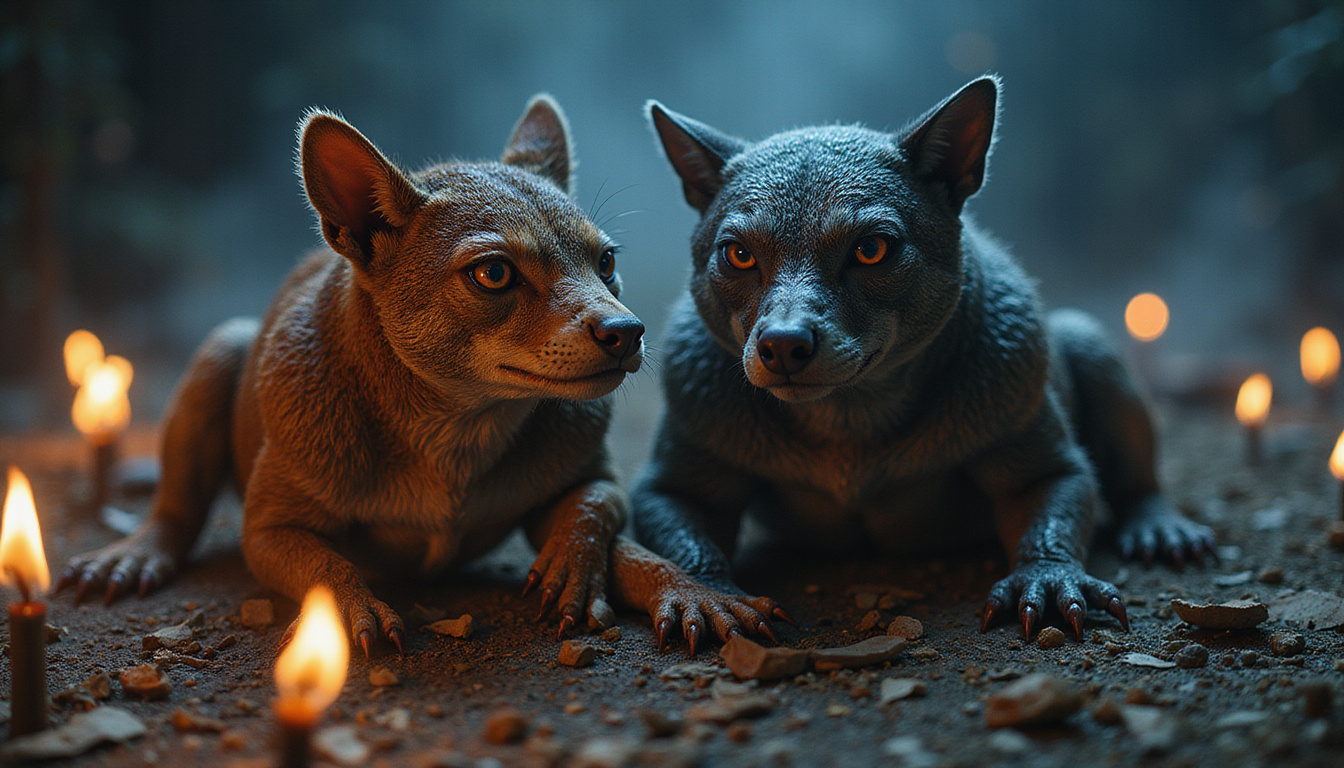
The Need for Belonging and Meaning
Animal cults give members:
- A clear identity (“we are the wolves,” “we serve the serpent”)
- A shared story that explains suffering and purpose
- Rituals that provide emotional intensity and group cohesion
This deep psychological appeal explains why animal cults can be so compelling, even when they seem irrational or dangerous from the outside.
Spotting Harmful Animal Cult Patterns
Not every group with strong animal symbolism is a cult. But if you suspect a group may be veering into harmful animal cult territory, look for warning signs:
- Rigid leadership: One or a few people claim special animal-based authority or divinity.
- Us-versus-them mentality: Outsiders are seen as spiritually inferior or dangerous.
- Secrecy and isolation: Pressure to cut off family or non-believing friends.
- Coercive rituals: Animal sacrifice, self-harm, or illegal acts framed as spiritual duties.
- Financial or sexual exploitation: Members are pushed into giving money, property, or intimacy to the group or leader.
Experts on cult behavior emphasize that the problem is rarely the symbol (e.g., a wolf, snake, or cat) and almost always the structure of control and abuse around it (source: Cult Education Institute).
Ethical Alternatives: Respecting Animals Without Cult Dynamics
You can appreciate the spiritual or symbolic power of animals without falling into cult-like patterns or supporting cruelty.
Consider:
- Learning from Indigenous and traditional teachings that emphasize balance and reciprocity with animals
- Supporting animal sanctuaries and conservation organizations rather than groups with opaque, ritualized practices
- Exploring mythology, art, and literature that respectfully interprets animal symbolism
- Practicing personal rituals or meditations that honor animals ethically and privately, without hierarchical control or harm
This approach allows you to connect with the wonder animals inspire—intelligence, beauty, resilience—without perpetuating exploitation.
FAQ About Animal Cults
What are animal worship cults and how are they different from mainstream religion?
Animal worship cults are groups that treat specific animals as divine beings or central spiritual symbols, often with secretive rituals and strong leader control. Mainstream religions may include animals in symbolism or mythology, but they typically don’t revolve entirely around a single animal species or demand extreme obedience based on animal-focused beliefs.
Are there still animal sacrifice cults today?
Yes, some fringe religious or occult groups still perform animal sacrifice, sometimes illegally. However, such practices are not representative of most modern spiritual paths that incorporate animals. Many countries now regulate or ban cruel ritual slaughter, and legal protections for animals are increasing in response to public concern.
Are spiritual animal groups or totem communities considered animal worship cults?
Most spiritual animal or totem communities are not cults. They often focus on personal growth, identity, or cultural heritage. They become closer to harmful animal cults when there is manipulation, isolation, exploitation, or pressure to harm animals or people in the name of belief.
Animal cults, in all their forms, act as a mirror for human hopes, fears, and power struggles. They remind us how easily our fascination with animals can be turned into reverence, control, or abuse.
If you’re intrigued by the mysterious world of animal cults, use that curiosity as a starting point for deeper, more ethical engagement with animals and belief. Explore history and anthropology, learn from credible cultural and religious scholars, and support organizations that protect animals rather than exploit them. Then, share what you discover—whether in conversation, writing, or creative work—to help others move from fascination and fear toward understanding and responsibility.
Animals have inspired symbols and beliefs across cultures for centuries. Discover how these traditions connect with psychology, spirituality, and human consciousness at SpiritualMindScience.com.