Animal archetypes are everywhere: in myths, movies, dreams, brand logos, and even the way we describe people in everyday life (“lone wolf,” “social butterfly,” “eagle eye”). These universal symbols tap into deep, instinctive patterns in the human mind. By decoding animal archetypes, you can better understand your hidden traits, unconscious motivations, and the powerful lessons your psyche is trying to communicate.
This guide breaks down what animal archetypes are, why they matter, and how to work with them for self-discovery, creativity, and personal growth.
What Are Animal Archetypes?
In psychology and mythology, archetypes are universal patterns or symbols that show up across cultures and eras. Think of them as “templates” of behavior and personality lodged in the collective unconscious, a concept popularized by Carl Jung (source: AEON / Intro to Jung).
Animal archetypes are specific archetypes expressed through animals. They represent:
- Instincts and drives (fight, flight, play, nurture)
- Roles and energies (leader, trickster, protector, healer)
- Emotional states (fearful, bold, loyal, curious)
Because animals are less “filtered” than humans, we project raw qualities onto them: courage onto a lion, cunning onto a fox, transformation onto a butterfly. These projections then become symbols our unconscious mind uses to communicate with us.
Why Animal Archetypes Matter for Personal Growth
You don’t need to be spiritual, mystical, or even particularly “into animals” to benefit from understanding animal archetypes. They matter because they:
-
Reveal hidden aspects of your personality
The animals you’re drawn to (or strongly repelled by) often mirror traits you favor, deny, or haven’t yet integrated. -
Offer intuitive guidance
Recurrent animal symbols in dreams, meditation, or daily life can point to themes you need to address—boundaries, courage, rest, transformation, or leadership. -
Provide emotionally rich shortcuts
Saying “I need to bring out my inner lion” often feels clearer and more energizing than listing abstract traits like assertiveness, focus, and bravery. -
Enhance creativity and storytelling
Writers, artists, and brand builders use animal archetypes to create compelling, instantly recognizable characters and identities.
By decoding these patterns, you gain a more vivid map of who you are and who you’re becoming.
The Psychology Behind Animal Archetypes
Animal archetypes blend several layers of meaning:
- Biological reality: How an animal actually behaves (wolves hunt in packs; owls are nocturnal and keen-sighted).
- Cultural symbolism: How societies interpret that behavior (wolves as loyal or dangerous; owls as wise or ominous).
- Personal experience: Your unique memories and emotions around certain animals (a childhood dog, a traumatic encounter, a beloved story).
When an animal shows up repeatedly in your inner or outer life, it’s rarely random. Your mind is choosing a symbol that efficiently captures:
- A challenge or opportunity
- A pattern of behavior
- A way of responding to your environment
Recognizing that symbol gives you language for what’s happening under the surface.
7 Powerful Animal Archetypes and What They Reveal
There are countless animal archetypes, and their meanings can shift by culture, but some patterns are widely recognized. Use these as starting points, not rigid categories.
1. The Lion – Courage, Leadership, and Presence
The lion archetype is about:
- Stepping into leadership
- Radiating confidence and authority
- Protecting what matters
If you’re drawn to lions, you may be:
- Learning to own your voice and power
- Called to lead, mentor, or protect others
- Ready to stop playing small or hiding your strengths
Shadow side: arrogance, domination, or stubborn pride. The lesson: lead with courage, but anchor it in humility and responsibility.
2. The Wolf – Instinct, Loyalty, and Belonging
The wolf archetype centers on:
- Intuition and gut knowing
- Family, tribe, and pack dynamics
- Navigating freedom vs. belonging
If wolf energy resonates with you, you may be:
- Learning to trust your instincts over external approval
- Re-negotiating your relationship to family or community
- Balancing your need for independence with your need for connection
Shadow side: feeling like an outcast or “lone wolf,” distrust of others, or over-attachment to the group. The lesson: find your true pack and honor your inner compass.
3. The Owl – Wisdom, Insight, and Seeing in the Dark
The owl archetype symbolizes:
- Seeing through illusions
- Awareness of subconscious patterns
- Comfort with the “night” — mystery, endings, and the unknown
If you often notice owls or feel drawn to them, you may be:
- Going through a period of deep reflection or shadow work
- Developing intuition, discernment, or spiritual insight
- Learning to sit with uncertainty instead of forcing quick answers
Shadow side: detachment, overthinking, or feeling haunted by what you uncover. The lesson: use insight to heal and guide, not to distance yourself from life.
4. The Butterfly – Transformation and Rebirth
The butterfly archetype is perhaps the clearest symbol of:
- Change, evolution, and growth
- Moving through stages: caterpillar → chrysalis → butterfly
- Letting go of old identities
If butterfly symbolism keeps appearing, you may be:
- In or approaching a major life transition
- Shedding outdated roles, beliefs, or relationships
- Learning patience with in-between phases where nothing seems clear
Shadow side: resisting change, trying to rush transformation, or clinging to comfort. The lesson: trust the process; metamorphosis requires both surrender and time.
5. The Snake – Healing, Power, and Renewal
The snake archetype is complex and often misunderstood. It can represent:
- Life force and creative energy
- Shedding old skins—patterns, habits, narratives
- Deep healing and regeneration
If you’re intrigued or unsettled by snakes, you may be:
- Being asked to release an identity or behavior that’s outlived its purpose
- Facing fears around power, sexuality, or authenticity
- Entering a phase of profound inner healing
Shadow side: manipulation, secrecy, or fear of your own power. The lesson: power is neutral; how you wield it defines its impact.
6. The Deer – Sensitivity, Gentleness, and Grace
The deer archetype points to:
- High sensitivity and empathy
- Gentleness as strength, not weakness
- Moving gracefully through change or conflict
If deer energy calls to you, you may be:
- Learning to honor your sensitivity instead of hiding it
- Called to create peaceful, supportive environments
- Practicing compassionate boundaries
Shadow side: avoidance, people-pleasing, or feeling overwhelmed. The lesson: you can be gentle and strong, sensitive and well-protected.
7. The Fox – Cleverness, Adaptability, and Strategy
The fox archetype embodies:
- Intelligence, wit, and resourcefulness
- Finding creative paths around obstacles
- Adapting quickly to changing circumstances
If you resonate with foxes, you may be:
- Navigating complex social or work situations
- Learning to “work smarter, not harder”
- Discovering the power of subtlety and timing
Shadow side: manipulation, trickery, or chronic mistrust. The lesson: use your sharp mind for wise strategy, not deception.
How to Discover Your Personal Animal Archetypes
You don’t have just one animal archetype; you have a constellation that shifts with seasons of your life. To discover yours, explore these areas:
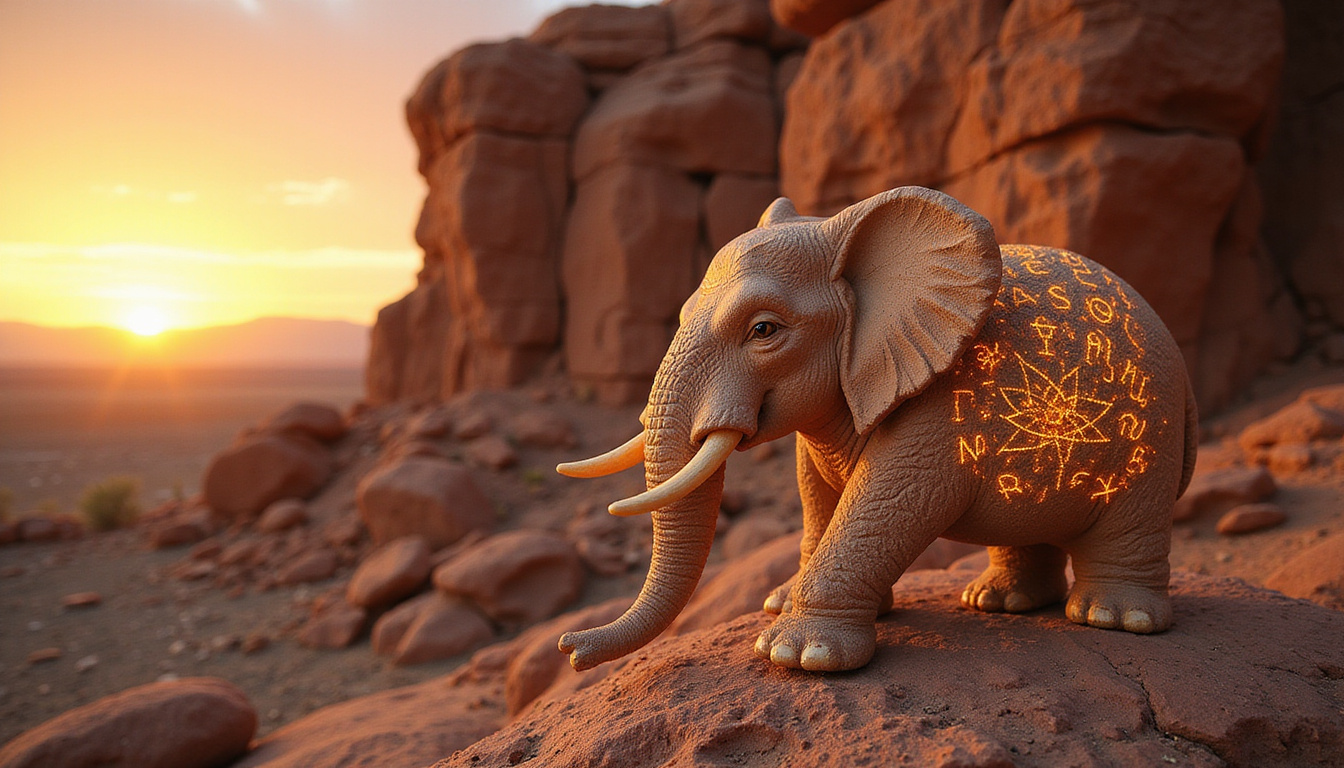
1. Childhood Fascinations
Ask yourself:
- Which animals did I love or identify with as a child?
- Were there any animal characters I felt “were me” in stories or cartoons?
- Did I have recurring dreams about specific animals?
These early connections often reveal core, lifelong archetypal patterns.
2. Strong Emotional Reactions
Notice:
- Animals you adore or collect images of
- Animals you’re irrationally afraid of or repulsed by
- Species that seem to “follow” you in films, books, or conversations
Intense attraction or aversion usually indicates important material for self-understanding.
3. Recurring Symbols in Dreams and Synchronicities
Keep a simple record for a few weeks:
- Any animals in your dreams
- Unexpected animal encounters (in real life, media, or conversation)
- The context: what you were thinking, feeling, or going through at the time
Over time, patterns emerge, and you’ll see which animal archetypes are most active for you right now.
Working With Animal Archetypes in Daily Life
Once you’ve identified a few key animal archetypes, you can consciously engage with them:
-
Use them as “anchors” for qualities you want to grow
- Channel lion energy before a big presentation.
- Call on owl insight when journaling or making big decisions.
-
Create small rituals or reminders
- Wear jewelry or colors associated with your current archetype.
- Keep an image or figure of the animal where you’ll see it often.
-
Ask, “What would this animal do?”
In a challenge, imagine your chosen archetype facing the situation:- How would a deer set boundaries kindly?
- How would a fox handle office politics?
- How would a butterfly approach a life transition?
-
Journal with prompts
- “If my inner wolf could speak, what would it say about my relationships?”
- “What old skin is my inner snake asking me to shed?”
- “Where is my lion needed in my life right now?”
These practices make the symbolism practical instead of abstract.
Common Mistakes When Interpreting Animal Archetypes
To get real value from animal archetypes, avoid these traps:
-
Taking any meaning as absolute
Symbols are contextual. A snake might mean danger in one dream and healing in another, depending on the story, your feelings, and life situation. -
Ignoring your own emotional response
Your reaction matters more than any dictionary definition. A “traditionally” noble animal might feel threatening to you—and that contrast is meaningful. -
Romanticizing one archetype, rejecting others
Many people chase only “positive” animals (eagle, lion, dolphin) and shun scavengers or predators. Yet vulture, hyena, or spider energies can teach powerful lessons about recycling, resilience, and creativity.
Remember: no animal is inherently good or bad. Each archetype carries both gifts and shadows.
Quick Reference: Applying Animal Archetypes
Use this simple list as a practical starting point:
- Lion – Courage, leadership, visibility
- Wolf – Instinct, loyalty, healthy belonging
- Owl – Wisdom, intuition, shadow work
- Butterfly – Transformation, letting go, new beginnings
- Snake – Power, healing, shedding old patterns
- Deer – Sensitivity, compassion, graceful strength
- Fox – Strategy, adaptability, mental agility
When a challenge arises, ask which archetype is most supportive—and then borrow its traits intentionally.
FAQ: Understanding and Using Animal Archetypes
Q1: How do I know which animal archetypes are truly “mine”?
Look for repeated patterns over time: animals you loved as a child, ones that show up in dreams, and symbols you’re drawn to in art or stories. The animal archetypes that feel emotionally charged—comforting, inspiring, or unsettling—are usually the ones most active for you.
Q2: Can animal archetypes change during different life stages?
Yes. Your primary animal archetypes can shift as you grow. You might embody deer-like sensitivity in your teens, wolf-like independence in your 20s, and owl-like wisdom later in life. Pay attention to which animals feel most relevant to your current challenges and goals.
Q3: Are animal archetype meanings the same in every culture?
No. While some themes overlap, cultural context shapes how animal archetypes are interpreted. For instance, snakes can symbolize evil in some traditions and healing or sacred power in others. Always combine cultural meaning with your personal response and life situation.
Step Into Your Own Living Myth
Animal archetypes are not just abstract ideas; they are living symbols reflecting your inner landscape. When you work with them consciously, you:
- Name powerful forces within you—courage, intuition, sensitivity, strategy.
- Recognize the seasons of your life—times of hibernation, migration, transformation.
- Turn your personal journey into a meaningful, ongoing story.
If you’re ready to decode your own symbolic ecosystem, start today: list the three animals that feel most significant to you right now. Explore what each could be mirroring about your fears, strengths, and desires. Then choose one archetype to actively embody this week—in how you speak, decide, and show up.
Your inner lion, wolf, owl, or butterfly is already there, waiting. Step toward it with curiosity, and let these animal archetypes guide you into a more authentic, empowered, and vividly lived life.
Animals have inspired symbols and beliefs across cultures for centuries. Discover how these traditions connect with psychology, spirituality, and human consciousness at SpiritualMindScience.com.