If you’ve only used clove as a holiday spice, you’re missing out on one of the most versatile ingredients in your kitchen. This tiny, aromatic flower bud has been prized for centuries in traditional medicine, natural cleaning, and DIY beauty. From easing tooth discomfort to making your home smell amazing, clove is a surprisingly powerful ally when used correctly and safely.
In this guide, you’ll discover what clove is, why it’s so potent, and how to use it for health, home, and beauty—along with practical recipes you can start using today.
What Is Clove and Why Is It So Powerful?
Clove is the dried flower bud of the Syzygium aromaticum tree, native to Indonesia and used in Ayurvedic, Chinese, and Western herbal traditions. Its distinctive warm, spicy aroma comes from its essential oil, which is rich in a compound called eugenol.
Key properties of clove and clove oil:
- Strong antimicrobial (bacteria- and fungus-fighting)
- Mild analgesic (numbing, pain-relieving)
- Antioxidant
- Warming and stimulating
Because of these properties, clove has found its way into dentistry, traditional remedies, natural cleaners, and even skincare formulas. However, it’s also highly concentrated, which means you must dilute and use it with care.
Always talk with a healthcare professional before using clove medicinally, especially if you’re pregnant, breastfeeding, on blood-thinning medication, or giving it to children.
Health Uses of Clove: Comfort, Digestion, and Immunity Support
Clove has a long history in traditional medicine. While it’s not a replacement for professional care, it can offer gentle support for some everyday issues.
1. Clove for Tooth Discomfort and Oral Care
Clove oil has been used in dentistry for generations, mainly because eugenol has a mild numbing and antiseptic effect.
Simple clove tooth relief (short-term):
- Add 1 drop of clove essential oil to 1 teaspoon of carrier oil (like coconut or olive oil).
- Dip a cotton swab into the mix.
- Apply only to the affected tooth or gum, avoiding the tongue and cheeks.
- Use sparingly, up to a few times a day, for no more than a few days.
You can also:
- Chew (gently) on a whole clove near the sore area, then spit out when the flavor fades.
- Avoid swallowing concentrated oil or using it straight (undiluted), as it can burn tissues.
This approach is for temporary comfort, not a cure. Always see a dentist for any persistent tooth or gum problem.
2. Clove for Digestion and Gas Relief
In traditional systems, clove is used to support digestion and reduce gas and bloating.
Clove digestion tea recipe:
- 1 cup hot water
- 2–3 whole cloves
- Optional: 1 small piece of ginger and a slice of lemon
Steep 5–10 minutes, strain, and sip after meals. Start with 1 cup per day and see how you feel. Avoid if you have known issues with ulcers or spicy foods, and consult your provider if you’re on medications.
3. Clove as an Antioxidant and Immune Support
Clove is rich in antioxidants, which help neutralize free radicals in the body. Some lab and animal studies suggest clove and eugenol may have anti-inflammatory and antimicrobial activity (source: NIH – National Library of Medicine).
Common ways people use clove for general wellness:
- As a spice in curries, stews, and baked goods
- Added whole to teas and chai
- In small amounts in herbal blends for seasonal support
Focus on culinary amounts rather than concentrated supplements unless your healthcare provider directs otherwise.
Home Uses of Clove: Natural Cleaning and Fresh-Smelling Spaces
Clove’s strong scent and antimicrobial activity make it a favorite in natural home-care recipes.
4. Clove as a Natural Air Freshener
You don’t need synthetic sprays to make your home smell inviting. Clove can add a warm, cozy aroma that feels perfect in cooler seasons.
Stovetop simmer pot:
- A small saucepan of water
- 5–10 whole cloves
- Optional: orange peels, a cinnamon stick, a slice of ginger
Simmer on the lowest heat, topping up water as needed. The steam carries the fragrance throughout your kitchen and nearby rooms.
DIY clove potpourri:
- Dried orange slices
- Cinnamon sticks
- Star anise
- Whole cloves
Mix, place in bowls around the home, and refresh every few weeks.
5. Clove in Natural Cleaning Sprays
Because clove oil can inhibit some microbes in lab tests, it’s often included in DIY cleaners. It can’t replace disinfectants where strict sanitation is needed, but it can be great for everyday cleaning.
Clove cleaning spray (for non-porous surfaces):
- 1 cup white vinegar
- 1 cup distilled water
- 15–20 drops total essential oils (for example: 8 drops clove, 7 drops lemon, 5 drops tea tree)
Combine in a spray bottle, shake before each use, and:
- Spray on sinks, counters, and tiles.
- Let sit a few minutes, then wipe clean.
Avoid use on natural stone (like marble or granite) due to vinegar.
6. Clove for Pest and Odor Control
The strong smell of clove may help deter some insects and freshen closed spaces.
Ways to use it:
- Place sachets of whole cloves in drawers or closets.
- Stick whole cloves into an orange or lemon and hang in a pantry to help deter pantry moths and add fragrance.
- Add a few drops of clove oil to cotton balls, place where ants or moths are a problem, and replace weekly.
Keep these out of reach of children and pets.
Beauty Uses of Clove: Skin, Hair, and Aromatherapy
Clove’s warmth and spiciness make it appealing in DIY beauty, but it’s also a strong irritant if misused. Dilution and patch testing are essential.
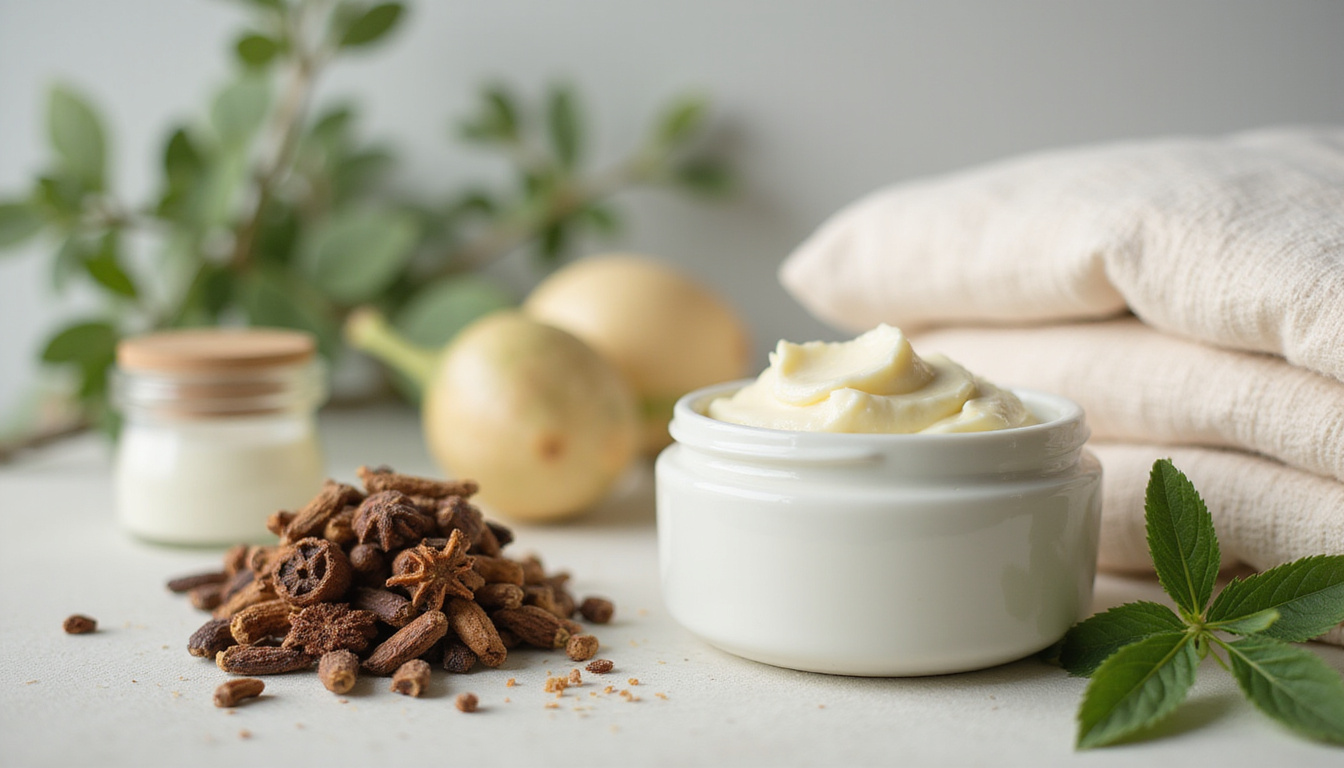
7. Clove for Skin (With Care)
Clove oil is sometimes used in small amounts for its antimicrobial and warming sensation. Undiluted, it can cause burns or allergic reactions, so treat it with respect.
Guidelines:
- Always dilute clove essential oil in a carrier oil.
- Use low concentrations: 0.5–1% for the face (that’s about 1–2 drops per 2 teaspoons of carrier oil).
- Patch-test on a small area of skin for 24 hours before broader use.
Warming massage oil (for sore muscles, not for face):
- 2 tablespoons sweet almond or jojoba oil
- 1 drop clove essential oil
- 2 drops lavender essential oil (optional)
Massage gently onto tight muscles, avoiding broken skin and sensitive areas. Do not use on children, and avoid during pregnancy unless your provider approves.
8. Clove for Hair and Scalp
Clove is sometimes added to hair oils to create a stimulating, warming scalp massage. This can feel relaxing and may support scalp circulation.
Simple clove hair oil:
- 2 tablespoons coconut or jojoba oil
- 1–2 drops clove essential oil
Massage into the scalp, leave for 15–20 minutes, then shampoo out thoroughly. Use once a week at most and stop if you notice any irritation.
9. Clove in DIY Aromatherapy Blends
The scent of clove is comforting and grounding, often used in blends that feel cozy and uplifting.
Diffuser blend ideas (for a 200–300 ml water diffuser):
- Cozy Home: 2 drops clove, 3 drops orange, 1 drop cinnamon
- Focus Blend: 1 drop clove, 3 drops rosemary, 2 drops lemon
- Winter Comfort: 2 drops clove, 2 drops cedarwood, 2 drops frankincense
Do not run diffusers continuously; use in 30–60 minute intervals, and ensure good ventilation, especially around children and pets.
How to Buy, Store, and Use Clove Safely
Because clove is so potent, quality and storage matter.
Buying Tips
- Choose whole cloves that are plump, with unbroken buds and a strong aroma.
- For clove essential oil, look for:
- Latin name on the label (Syzygium aromaticum)
- “100% pure essential oil,” no added fragrance
- Dark glass bottle with a tight cap
Storing Clove
- Keep whole cloves and ground clove in an airtight container, away from light, heat, and moisture.
- Whole cloves can stay fragrant for a year or more; ground clove loses potency faster (about 6 months).
- Store essential oil in a cool, dark place and use within 1–3 years, checking for any change in smell.
Safety Checklist
- Never swallow clove essential oil directly.
- Avoid undiluted clove on skin or mucous membranes.
- Keep all forms away from infants and young children.
- Avoid large medicinal doses if you’re on blood thinners, have liver disease, are pregnant, or are planning surgery, unless cleared by your healthcare provider.
- For teeth issues, use clove as a temporary measure and always follow up with a dentist.
Quick Reference: Practical Ways to Use Clove
Here’s a simple list to recap some of the most useful ideas:
- Tooth relief: Diluted clove oil on a cotton swab for temporary comfort.
- Digestive tea: Whole cloves steeped with ginger and lemon.
- Simmer pot: Clove, citrus peels, and cinnamon for a fragrant home.
- Cleaning spray: Vinegar, water, and clove oil for everyday surfaces.
- Potpourri: Dried fruit, spices, and whole clove for natural scent.
- Pest sachets: Whole cloves in small bags for closets or drawers.
- Massage oil: Highly diluted clove oil in a carrier for tense muscles.
- Hair oil: A drop or two of clove oil in coconut or jojoba for scalp massage.
- Diffuser blends: Clove with citrus, woods, or florals for mood-setting aromas.
FAQ: Common Questions About Clove
1. What are clove benefits for health?
Clove benefits may include mild support for tooth discomfort, digestion, and general antioxidant intake when used in small, culinary amounts. Its main active compound, eugenol, has shown antimicrobial and anti-inflammatory effects in lab studies, but clove should not replace medical treatment and must be used cautiously in concentrated forms.
2. How can I use clove oil at home safely?
Use clove oil only diluted in a carrier oil or cleaning solution. For skin, stay under 1% dilution and patch-test first. For cleaning or scent, add a few drops to vinegar sprays, simmer pots (in whole form), or diffusers. Never ingest clove oil straight, avoid eye contact, and keep away from kids and pets.
3. Is clove good for hair and skin?
Clove can be helpful in very low concentrations in DIY hair and skin formulas due to its warming and antimicrobial qualities. It may support a clean scalp environment and add a pleasant scent to hair oils. However, it can also irritate, especially on sensitive skin, so use minimal amounts, dilute well, test carefully, and discontinue if any redness or burning occurs.
Bring the Power of Clove Into Your Daily Routine
Clove is far more than a baking spice. With its unique blend of flavor, fragrance, and natural potency, it can support everyday comfort, keep your home fresh, and even enhance your beauty rituals—when used with care and respect.
Start small: add a few whole cloves to your next tea, simmer a cozy pot on the stove, or create a simple cleaning spray. As you get comfortable, you can experiment with more clove-based recipes that fit your lifestyle.
If you’re ready to transform this humble spice into a multi-purpose tool for health, home, and beauty, choose a project from this guide and try it today. Your kitchen cabinet may already hold one of the most surprising and powerful botanicals you’ll ever use.
Throughout history, many plants and herbs have been associated with luck, protection, and prosperity. To explore their deeper spiritual, psychological, and scientific significance, visit SpiritualMindScience.com.