Farmers have prayed, danced, and sung to the skies for as long as there have been crops in the ground. Across continents and centuries, communities have used rainmaking rituals to try to call in the clouds, protect their harvests, and survive drought. While modern irrigation, weather forecasting, and climate science dominate agriculture today, these ancient practices still carry surprising value—both cultural and practical—for boosting crop resilience and community well-being.
This guide explores how rainmaking rituals developed, how some “actually work” in indirect yet real ways, and how farmers today can respectfully draw lessons from them.
Why humans turned to rainmaking rituals in the first place
Agriculture depends on seasonal rain. When monsoons are late or clouds pass without dropping water, entire communities can face hunger. Long before meteorology existed, people noticed patterns:
- Certain winds preceded rain
- Birds flew differently before storms
- The air felt “heavy” before a downpour
With no scientific framework to explain these changes, communities developed symbolic actions—rainmaking rituals—to communicate with perceived weather spirits, gods, or ancestors.
Underneath the symbolism, three very practical goals emerged:
- Coordinating community action – Bringing people together to plan, plant, and protect crops.
- Coping with uncertainty – Reducing anxiety during drought through shared beliefs and ceremony.
- Reinforcing ecological knowledge – Encoding weather and seasonal patterns into stories and rituals.
Today we understand that no ritual can literally force clouds to release water. But many rain rites “work” in other, important ways—by strengthening social cooperation, encouraging good land stewardship, and keeping traditional climate knowledge alive.
African rainmaking rituals: Community, ancestors, and the land
Many of the world’s most intricate rainmaking systems developed in Africa, where seasonal rains are central to survival.
The rain chiefs and diviners
In parts of southern and eastern Africa, traditional societies recognized rainmakers or rain chiefs—specialists believed to communicate with spiritual forces that controlled rain.
Typical elements included:
- Offerings to ancestors at sacred hills, rivers, or trees
- Restrictions on behavior (taboos) during periods of drought
- Communal feasts when the first rains arrived
Among the Shona of Zimbabwe, for example, rain ceremonies honor mhondoro (royal ancestral spirits). Elders and spirit mediums mediate between the living and these ancestors to ask for rain and protection for crops.
How these rituals “work” today
Anthropologists and development experts have found that these rainmaking rituals often:
- Encourage collective decision-making on when to plant
- Preserve sacred groves and water sources (protected as spiritual sites)
- Maintain oral records of past droughts and floods, informing long-term planning
In some communities, rainmaking rituals have been formally acknowledged within local water governance, blending tradition with modern management.
Native American rain dances and crop ceremonies
Across North America, Native American nations developed sophisticated agricultural systems in often harsh climates. Rainmaking rituals were integral to these systems.
Pueblo and Hopi ceremonies
In the arid Southwest, Hopi and Pueblo communities host ceremonies like the Snake Dance and other kachina rituals that are deeply tied to rain and crop fertility.
Common themes:
- Masked dances representing rain-bringing spirits
- Chants and songs mimicking thunder, wind, or the sound of rain
- Ritual timing synced with planting and monsoon seasons
These ceremonies function as spiritual acts and also as calendrical markers, helping communities coordinate farming around seasonal shifts.
Plains rain dances
Further north and east, some Plains tribes performed rain dances during drought, involving:
- Circular group dancing
- Specific regalia with feathered headdresses and rattles
- Face painting and symbolic colors for clouds, lightning, and water
Again, whether rain arrived immediately or not, these rainmaking rituals unified the community in crisis and reaffirmed their relationship with the land.
Asian rainmaking: Dragons, dragons kings, and monsoon prayers
Asia holds some of the oldest recorded rainmaking rituals, often intertwined with state power and organized religion.
Chinese dragon and Dragon King rites
In traditional Chinese belief, Dragons or Dragon Kings control rain and water. For centuries, emperors and local officials conducted rain ceremonies that involved:
- Processions to Dragon King temples
- Offerings of incense, food, and sometimes paper effigies
- Public prayers during severe drought
These official rites demonstrated that rulers were fulfilling their duty to secure “timely wind and rain” for the people.
Indian monsoon and temple rituals
Across India, Hindu communities developed countless rain-centered rituals. Examples include:
- Special pujas (prayers) to deities like Indra, Varuna, or local rain gods
- Processions with agricultural icons or deities through the fields
- Fasting or charity as acts of devotion to ask for rain
In some villages, stone or clay icons of rain gods are bathed, decorated, or carried in chariots, symbolizing the desired cleansing rain over the land.
European traditions: Rogation processions and weather saints
Even in temperate Europe, where rainfall is relatively reliable, rainmaking rituals played a role in rural life.
Christian Rogation Days
From the early Middle Ages, European Christians held Rogation processions—days of prayer for crops and protection from drought, flood, and blight.
These processions:
- Walked the boundaries of fields and parishes
- Included litanies and blessings over the land
- Marked key periods in the agricultural calendar (spring and planting)
Villagers believed these ceremonies helped secure the right amount of rain at the right time. Practically, they reinforced community responsibility for shared fields and water channels.
Weather saints and local customs
Farmers also invoked specific saints known for controlling weather, such as:
- St. Medard in France
- St. Swithun in England
- St. Isidore the Farmer in Spain
Folk sayings linked saint days with weather patterns, creating a simple form of long-term observation encoded in memory.
Do rainmaking rituals actually bring rain?
Scientifically, rain depends on atmospheric conditions: temperature, humidity, air pressure, and the presence of condensation nuclei (particles on which water vapor condenses). No study has shown that performing a ritual directly changes these physical processes.
However, rainmaking rituals can appear to “work” for several reasons:
-
Timing and seasonality
Many communities perform rites when atmospheric patterns already favor rain—e.g., just before monsoon season. Statistically, rain is more likely soon after, even without the ritual. -
Selective memory
People remember the year the ritual “worked” and forget years it did not, reinforcing belief. -
Indirect practical benefits
Rituals may encourage:- Better soil preparation and mulching before expected rains
- Water conservation and communal maintenance of canals or wells
- Crop diversification and planting of drought-tolerant varieties
These practical actions, inspired by spiritual belief, genuinely improve crop survival—even if the sky pays no attention to the dance.
For a deeper understanding of rainfall and climate processes, organizations like the World Meteorological Organization provide accessible explanations of how rain forms and why patterns are changing under global warming (source).
How ancient rainmaking knowledge supports modern farming
When viewed with respect rather than romanticism, traditional rainmaking rituals contain useful lessons for boosting crops under climate stress today.
1. Embedded local climate knowledge
Ritual calendars preserve:
- When the rains usually start and end
- Which winds precede storms
- Which birds or insects appear right before weather changes
Integrating this with modern forecasts can sharpen a farmer’s planting decisions and irrigation planning.
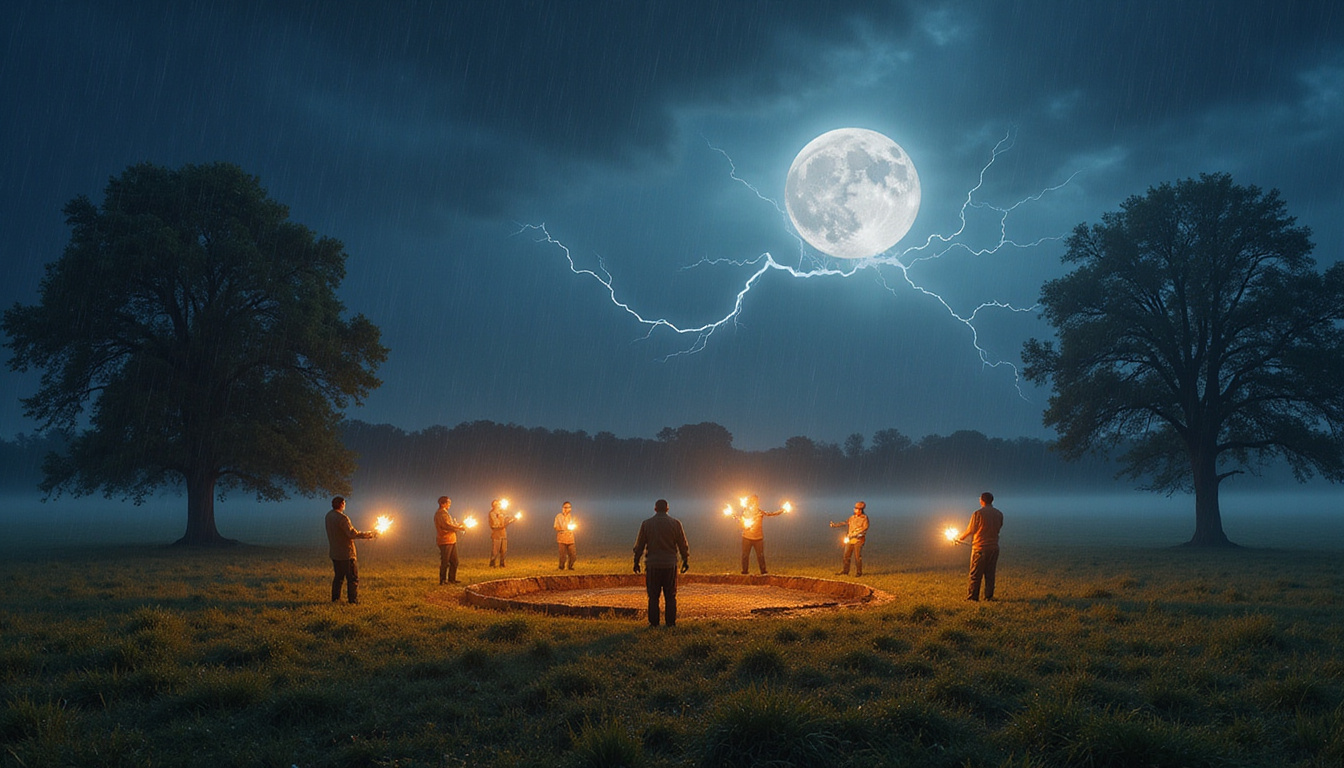
2. Stronger community cooperation
Many rain rites require collective participation—vital in drought when competition for water can escalate conflict. They promote:
- Shared rules on well usage and irrigation turns
- Joint maintenance of canals, dikes, or terraces
- Collective decision-making on crop choices
The result: more resilient water and soil systems that benefit everyone’s harvest.
3. Land and water stewardship
Sacred springs, groves, or stones associated with rain gods are often informal conservation zones. Over generations, this can lead to:
- Better water quality
- More forest cover in key watersheds
- Healthier biodiversity, which supports pollination and pest control
Respecting these sites can complement formal environmental laws, especially in regions where enforcement is weak.
Integrating rituals and science on today’s farms
If you’re a farmer, gardener, or community organizer, you don’t need to choose between tradition and technology. You can use both.
Here are ways to honor rainmaking rituals while maximizing crop success:
-
Use rituals as planning anchors
- Align ceremonies with important farm tasks: planting, mulching, canal cleaning.
- Treat the ritual date as a deadline for practical work.
-
Pair ceremonies with climate information
- Check seasonal forecasts and soil moisture data.
- Discuss this information during or around the ritual so decisions blend wisdom and data.
-
Turn rain rituals into education moments
- Share traditional stories about droughts and floods.
- Demonstrate modern practices like drip irrigation, rainwater harvesting, or drought-tolerant seeds.
-
Protect sacred natural sites
- Recognize groves, springs, and hills used in rain rites as conservation areas.
- Involve elders and youth in caretaking and monitoring.
-
Document your own “ritual calendar”
- Note dates of ceremonies, first rains, floods, pests, and crop yields.
- Over years, this personal record becomes a powerful local climate tool.
Ethical considerations: Respect, consent, and cultural survival
If you are not from a community that practices traditional rainmaking, approach these rituals carefully:
- Don’t appropriate sacred ceremonies for tourism or personal branding.
- Seek consent before observing or photographing rituals.
- Support local leadership in deciding how, where, and with whom ceremonies are shared.
Instead of copying rituals, focus on:
- Learning from the values they carry: cooperation, respect for land, long-term thinking.
- Supporting indigenous and local groups working on land rights, water access, and climate adaptation.
This builds the kind of relationships that help both people and crops thrive, especially under changing climate conditions.
Quick-start checklist: Applying ancient wisdom to your fields
Use this list to bring the spirit of rainmaking rituals into a modern, productive agricultural system:
- Create a seasonal calendar marking local rainfall patterns and key farm tasks.
- Organize at least one annual community gathering focused on water and crops.
- Combine gatherings with practical actions: cleaning canals, repairing terraces, planting trees.
- Identify and protect key water sources and natural features in your area.
- Build partnerships between elders, farmers, youth, and local scientists.
- Keep simple records of rainfall, planting dates, and yields to refine your practices.
FAQ: Common questions about rainmaking and crops
1. Do traditional rainmaking rituals really influence weather patterns?
There is no scientific proof that rituals can directly alter atmospheric processes that create rain. However, rainmaking rituals can indirectly improve farming outcomes by promoting coordinated planting, water conservation, and land stewardship, all of which help crops withstand dry periods.
2. Can modern farmers still benefit from ancient rainmaking practices?
Yes—when approached respectfully. Farmers can benefit from the ecological and seasonal knowledge embedded in traditional rituals, the social unity they foster, and the emphasis they place on caring for soil, water, and biodiversity. These factors all contribute to more resilient yields.
3. How can I incorporate rainmaking traditions without disrespecting local cultures?
Focus on principles, not imitation. Learn from the underlying ideas—community cooperation, honoring water sources, tracking seasonal change—rather than copying specific dances or prayers. If you live near communities that practice rainmaking rituals, ask permission, listen, and follow their guidance on what may be shared.
Bring ancient wisdom into your next growing season
You don’t need to believe that a dance will move the clouds to recognize the power of rainmaking rituals. For thousands of years, they have helped communities face drought, remember the rhythms of their climate, and treat water as sacred instead of guaranteed. In an era of increasing climate uncertainty, those lessons are more relevant than ever.
As you plan your next planting season, consider how you can weave some of this wisdom into your own work: gather people together, honor your local water sources, track the changing seasons carefully, and pair traditional insights with the best modern science you can access. If you’re part of a farming group, cooperative, or community garden, start a conversation about how to build your own rain-focused traditions and resilience practices.
The clouds may not answer every time—but your crops, your soil, and your community almost certainly will.
Cultural superstitions have shaped traditions and beliefs for generations. Explore the psychology, cultural history, and science behind these fascinating practices at SpiritualMindScience.com.