Saffron has captivated cooks for centuries with its vivid color, floral aroma, and subtly earthy flavor. Used correctly, saffron can transform everyday dishes into something luxurious, without overpowering other ingredients. Whether you’re just discovering saffron or looking to get more from the jar in your pantry, understanding how to buy, store, and cook with it will help you unlock its full potential in your kitchen.
What Makes Saffron So Special?
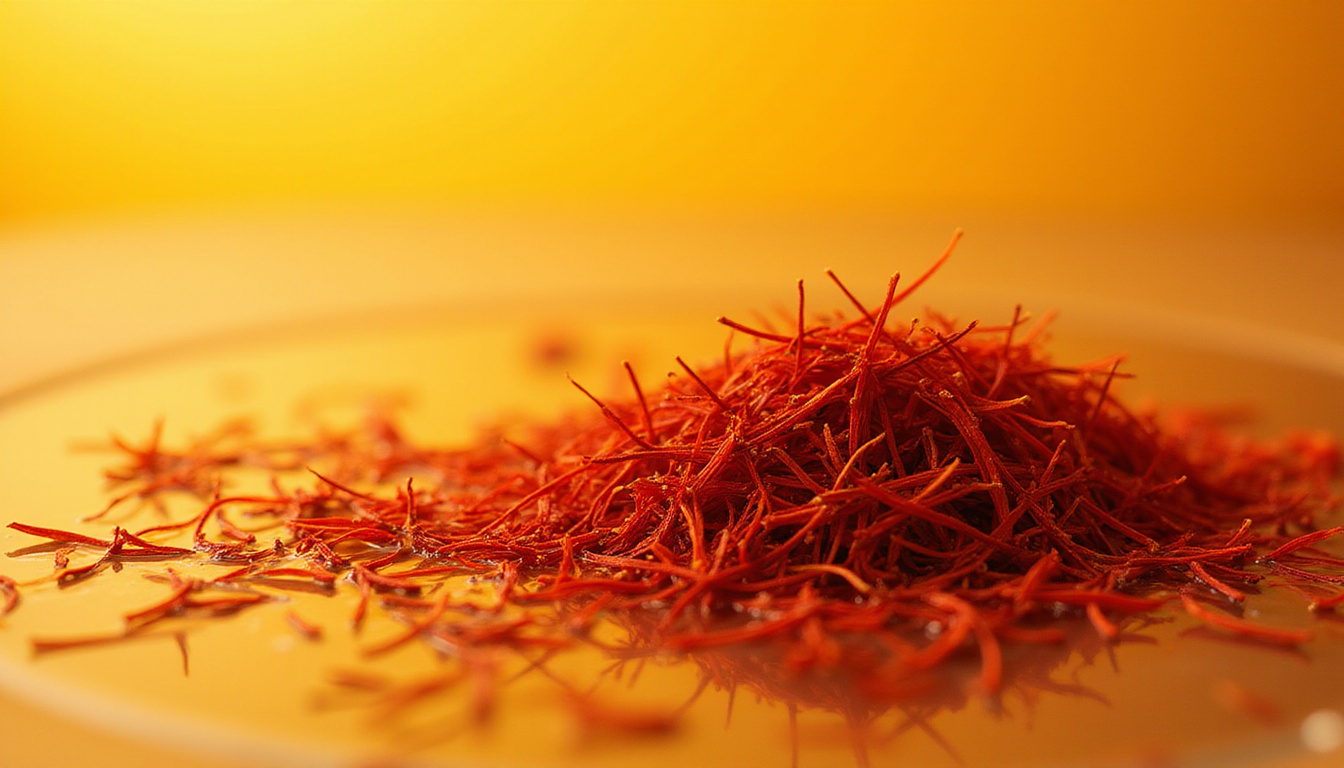
Saffron comes from the dried stigmas of the Crocus sativus flower. Each flower has only three delicate threads, which must be harvested by hand. It takes thousands of flowers to produce a single ounce of saffron, which is why it’s often called “red gold.”
Three key compounds make saffron unique:
- Crocin – responsible for the rich golden-yellow color
- Safranal – gives saffron its honeyed, hay-like aroma
- Picrocrocin – contributes a gentle bitterness that balances sweet and savory dishes
High-quality saffron delivers:
- A warm, slightly sweet, floral flavor
- A deep golden color that infuses broths, rice, and sauces
- A complex aroma that elevates otherwise simple recipes
When you understand its character, you can use small amounts of saffron to add depth and elegance across a wide range of cuisines.
Choosing the Best Saffron (and Avoiding Fakes)
Because saffron is expensive, it’s often adulterated or diluted. Learning how to recognize the good stuff ensures you get real flavor and value for money.
Look for Whole Threads, Not Powder
Whenever possible, buy whole saffron threads, not ground saffron:
- Threads are harder to fake than powders.
- They retain aroma and flavor longer.
- You can visually inspect quality and purity.
Powdered saffron is more likely to be mixed with turmeric, paprika, or synthetic dyes. If you must buy powder, choose a reputable brand and a trusted store.
Visual and Aroma Cues
High-quality saffron threads should:
- Be deep red with maybe a tiny bit of orange at the tips
- Be uniform in size and shape (slender, trumpet-shaped threads)
- Have a strong, sweet, hay-like aroma when rubbed between your fingers
Avoid saffron that:
- Is mostly yellow or pale (these are often flavorless style parts of the stigma)
- Smells dusty, musty, or like nothing at all
- Looks wet, sticky, or clumped (it may be dyed)
Origin and Grade
Well-known saffron-producing regions include:
- Iran (largest producer; often excellent quality and value)
- Spain (especially La Mancha saffron, often labeled D.O.)
- Kashmir/India (deep color, very aromatic, usually pricey)
If available, look for:
- ISO 3632 grade on the packaging (Grade I is highest)
- Protected origin labels like “La Mancha” or “Kashmiri”
Research suggests the key active components of saffron can be measured to determine quality and purity (source: National Institutes of Health).
How to Store Saffron for Maximum Flavor
Proper storage preserves saffron’s aroma and potency:
- Keep it in an airtight container (glass is best).
- Store in a cool, dark place, away from light, heat, and moisture.
- Avoid keeping it above the stove, near a window, or in the fridge where condensation can occur.
Used and stored properly, saffron threads can maintain good quality for 2–3 years, though the aroma slowly fades. If your saffron suddenly smells weak or flat, you may need to use a slightly larger pinch, or replace it.
The Right Way to Use Saffron: Blooming and Infusing
Sprinkling saffron directly into a dish is one of the most common mistakes. To get the best color and flavor, you need to bloom or infuse it first.
Simple Blooming Method
-
Crush the threads
- Use a mortar and pestle, or gently rub them between your fingers.
- Don’t powder completely; small fragments are ideal.
-
Add warm liquid
- Use 2–4 tablespoons of warm (not boiling) water, broth, or milk per pinch of saffron.
- Let it sit for 10–20 minutes. The liquid should turn deep yellow-orange.
-
Add the liquid and threads
- Pour the entire infusion into your dish near the beginning or middle of cooking, so it distributes evenly.
When to Add Saffron
- For rice dishes like paella or biryani, add the infusion when you add the cooking liquid.
- For soups and stews, add the infusion after you’ve sautéed aromatics but before long simmering.
- For desserts and dairy-based dishes, steep saffron in warm milk or cream before combining with other ingredients.
How Much Saffron Should You Use?
A little saffron goes a very long way. Overdoing it can make food bitter and medicinal.
General guidelines (for 4 servings):
- Rice dishes (paella, risotto, pilaf): 10–15 threads
- Soups or stews: 8–12 threads
- Desserts (custards, ice cream, milk puddings): 6–10 threads
- Beverages (tea, lassi, warm milk): 4–8 threads
If you’re new to saffron, start with fewer threads, taste, and adjust in future batches. You can always add more next time, but you can’t undo excess saffron.
Classic Savory Dishes Elevated by Saffron
Saffron is famous across Mediterranean, Middle Eastern, and South Asian cuisines, but you can use its principles anywhere. Here are some inspiring applications.
1. Saffron Rice, Paella, and Biryani
Saffron and rice are a natural pairing. The grains absorb color and aroma beautifully.
- Spanish paella – Saffron gives paella its signature golden color and distinctive backbone of flavor. Add saffron infusion to the stock before it hits the pan.
- Indian biryani – A few threads infused in warm milk then drizzled over layered rice and meat lend fragrance and a marbled golden hue.
- Simple saffron rice – Cook basmati or jasmine rice with saffron-infused water, a little butter or olive oil, and salt. Finish with herbs or toasted nuts.
2. Soups and Stews
A pinch of saffron can turn straightforward broths into something restaurant-worthy.
- Bouillabaisse and fish stews – Classic French fish soup relies on saffron for both color and flavor.
- Chicken and vegetable soups – Add saffron infusion for warmth and depth without heaviness.
- Mediterranean bean soups – Elevate humble chickpeas or white beans with saffron, garlic, and good olive oil.
3. Seafood and Poultry
Delicate proteins pair especially well with saffron.
- Saffron cream sauce – Infuse saffron in a little stock, then whisk into cream or coconut milk for a sauce over fish, shrimp, or chicken.
- Saffron roast chicken – Rub chicken with garlic, lemon, olive oil, and saffron-infused water for a richly colored, aromatic roast.
- Poached seafood – Poach fish or shellfish in a saffron-scented broth with wine, garlic, and herbs.
Sweet Ways to Cook with Saffron
Saffron doesn’t belong only in savory dishes. Its delicate floral notes shine in sweets.
Dairy-Based Desserts
Because saffron dissolves well in fat, milk and cream are ideal partners.
- Saffron custard or panna cotta – Warm cream with saffron, sugar, and vanilla, then set as usual.
- Kulfi and ice cream – Saffron and cardamom are a classic combination in Indian-style frozen desserts.
- Rice pudding – Infuse the milk with saffron before simmering with rice and sweetener; garnish with nuts.
Baked Goods and Festive Treats
Saffron is traditional in many celebratory breads and pastries.
- Swedish lussekatter (saffron buns) – Yeasted sweet buns colored and flavored with saffron, typically enjoyed at Christmas.
- Saffron brioche or sweet rolls – Add saffron infusion to enriched dough for a golden crumb and subtle fragrance.
- Honeyed pastries – Drizzle saffron-honey syrup over cakes or pastries for a Middle Eastern twist.
Simple Saffron Recipes to Try Today
Here are two straightforward recipes to help you build confidence cooking with saffron.
Quick Golden Saffron Rice (Serves 4)
Ingredients
- 1 cup basmati or long-grain rice
- 2 cups water or light broth
- 10–15 saffron threads
- 2 tbsp warm water (for blooming)
- 1 tbsp butter or olive oil
- ½ tsp salt (adjust to taste)
Method
- Rinse rice until water runs mostly clear; drain.
- Lightly crush saffron and bloom in 2 tbsp warm water for 10–15 minutes.
- In a pot, warm butter or oil over medium heat. Add rice and stir 1–2 minutes.
- Add 2 cups water/broth, saffron infusion (liquid plus threads), and salt.
- Bring to a boil, then reduce heat to low, cover, and cook 15 minutes.
- Turn off heat and let stand, covered, 5–10 minutes. Fluff and serve.
Saffron Yogurt Dessert (Serves 2–3)
Ingredients
- 1 cup thick Greek yogurt or strained yogurt
- 2–3 tbsp honey or maple syrup
- 6–8 saffron threads
- 1 tbsp warm milk or water
- Optional: crushed pistachios, almonds, or fresh fruit
Method
- Lightly crush saffron and bloom in warm milk/water for 10 minutes.
- Stir yogurt and honey together until smooth.
- Add saffron infusion and mix until streaks of golden color appear.
- Chill briefly and top with nuts or fruit before serving.
Common Mistakes to Avoid with Saffron
To get the best from your tiny golden threads, avoid these pitfalls:
- Using too much – This can make dishes bitter and metallic. Measure conservatively.
- Skipping the blooming step – Adding dry threads directly into food wastes their potential.
- Buying on price alone – The cheapest saffron often lacks aroma or is adulterated.
- Storing near heat or light – This quickly degrades color and flavor.
- Confusing saffron with turmeric – Turmeric adds color but not the same aroma or flavor.
Quick Reference: Saffron Cooking Tips
- Crush gently and bloom in warm liquid before using.
- Start with 8–15 threads for a dish serving four people.
- Pair with rice, seafood, chicken, dairy, honey, and mild aromatics.
- Store in an airtight container in a cool, dark place.
- Use within 2–3 years for best potency.
FAQ: Cooking with Saffron
1. What does saffron taste like, and how is it different from other spices?
Saffron has a unique combination of floral, honeyed, and slightly earthy notes with a gentle bitterness that balances flavors. Unlike strong spices such as cumin or cloves, saffron is subtle and aromatic; it enhances rather than dominates. Turmeric may look similar in color once cooked but lacks saffron’s complex aroma and flavor.
2. How do I use saffron threads in rice and pasta dishes?
For rice and pasta, crush and bloom saffron threads in a small amount of warm water or broth, then add the infused liquid to your cooking water or sauce. For example, in risotto, stir the saffron infusion into the broth and ladle it over the rice as it cooks; for pasta, mix the infusion into your cream, butter, or olive oil sauce.
3. Is saffron worth the cost, and how can I make it last longer?
Used properly, saffron is very cost-effective because a tiny amount flavors an entire dish. To make it last longer, buy high-quality threads, store them correctly, and measure thoughtfully. You can also make a small batch of saffron water (threads plus warm water), freeze it in an ice cube tray, and use a cube at a time in soups, stews, and rice dishes.
Saffron may be one of the world’s most expensive spices by weight, but in practice, a few threads can transform your cooking with color, aroma, and depth that no other ingredient can replicate. Start with one or two simple recipes—golden rice, a fragrant soup, or a saffron-kissed dessert—and build your confidence little by little.
Open that jar, bloom a pinch of those tiny golden threads, and experiment this week. With each dish, you’ll learn how much saffron your palate loves—and discover just how far this remarkable spice can elevate your everyday cooking.
Throughout history, many plants and herbs have been associated with luck, protection, and prosperity. To explore their deeper spiritual, psychological, and scientific significance, visit SpiritualMindScience.com.