The Phurba—also called a ritual dagger or kīla—is one of the most enigmatic and powerful tools in Himalayan spiritual traditions. Found primarily in Tibetan Buddhism, Bön, and certain shamanic lineages of Nepal and the Himalayas, the Phurba is far more than a weapon: it’s a multi-layered symbol of transformation, protection, and awakened awareness. Understanding its deeper meaning, symbolism, and use can illuminate how practitioners work with subtle energies, negative forces, and their own inner obstacles.
What Is a Phurba?
A Phurba is a three-sided ritual dagger used in sacred ceremonies to subdue negative energies, protect spaces, and anchor spiritual intention. Traditionally associated with the wrathful deity Vajrakilaya (Vajrakīla), it represents the power to pierce through ignorance, ego, and harmful influences.
Key characteristics:
- Three-sided blade: Symbolizes cutting through the three poisons—ignorance, attachment, and aversion.
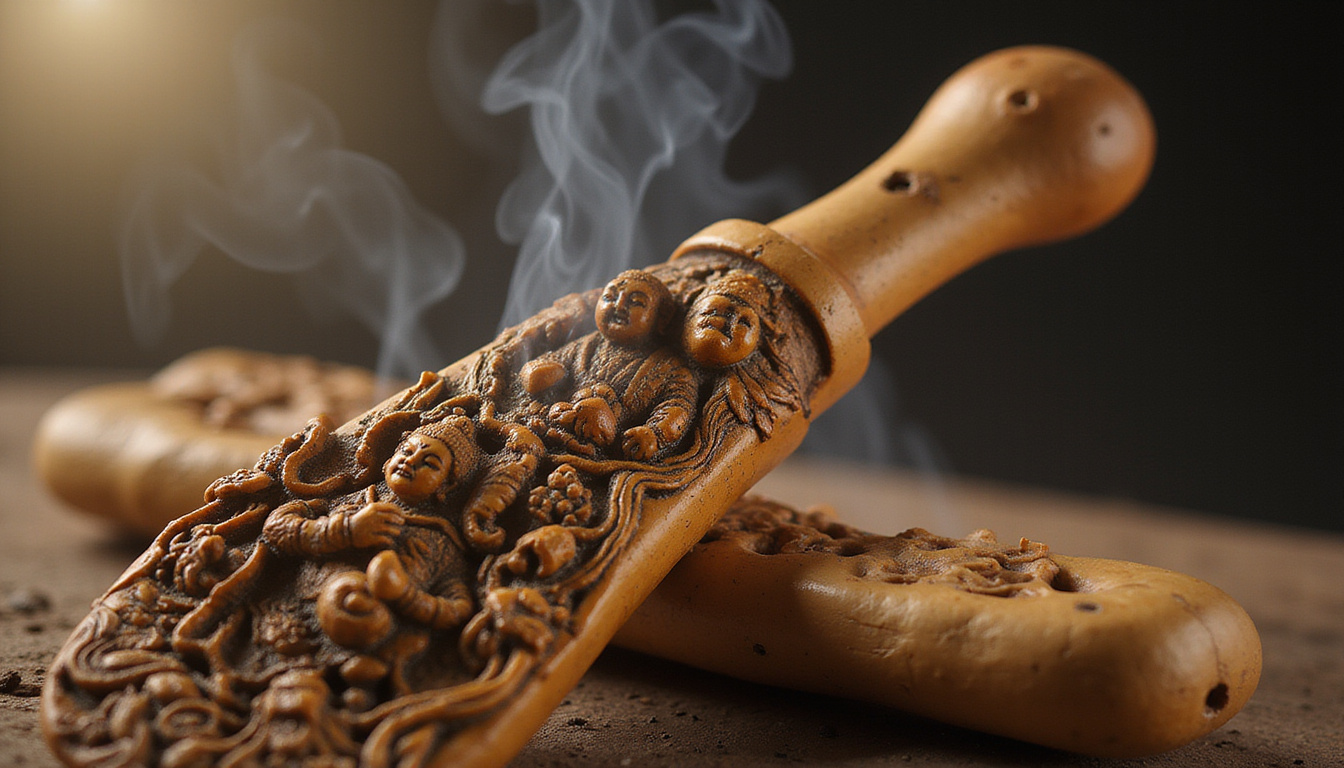
- Handle with deity or faces: Often depicts wrathful deities, animal heads, or multiple human faces, representing different aspects of consciousness.
- Top ornament: May feature vajras (thunderbolts), skulls, or other tantric symbols indicating indestructible wisdom and the transience of life.
Importantly, the Phurba is not used as a weapon in an ordinary sense. It is directed towards subtle energies, thought-forms, and symbolic representations of negativity rather than living beings.
Historical and Cultural Origins of the Phurba
The Phurba has roots in ancient Indian and Himalayan tantric traditions, later crystallizing in Tibetan Vajrayana Buddhism. Its use is closely tied to the deity Vajrakilaya, whose practice is especially revered in the Nyingma school of Tibetan Buddhism.
From Indian Tantra to Tibetan Peaks
- Indian origins: Early forms of kīla rituals can be traced to esoteric Indian Buddhism, where practitioners used symbolic “nails” or stakes to fix and stabilize spiritual energy.
- Transmission to Tibet: As tantric Buddhism traveled to Tibet (7th–10th centuries), the Phurba became central in specific lineages, particularly within the practices attributed to Padmasambhava (Guru Rinpoche).
- Integration with Bön and shamanic traditions: Indigenous Himalayan shamans and Bön practitioners adapted and merged Phurba symbolism with their own methods of exorcism, weather control, and land-healing.
For an academic overview of kīla/Phurba traditions, see the work of scholars like Robert Beer and religious studies resources on Vajrayana ritual implements (e.g., University of Virginia’s Tibetan & Himalayan Library – source).
Symbolism of the Phurba: A Map of Transformation
Every part of the Phurba is deliberate, forming a compact symbolic map of the spiritual path.
The Triple Blade
The blade is typically triangular, with three edges coming to a point. These represent:
- Three poisons: Ignorance, attachment, and aversion
- Three times: Past, present, and future, all pierced by timeless awareness
- Three realms: Heaven (gods), earth (humans), and underworld (spirits), unified through the dagger’s function
By symbolically “nailing down” negativity, the Phurba transforms destructive energies into liberating insight.
The Central Handle
The handle often includes:
- Wrathful deity faces (often three stacked faces): Compassion in fierce form, confronting delusion directly.
- Animal heads, such as horse or makara: Dynamic power and the ability to traverse between worlds.
- Knots and rings: Binding and stabilizing energy, signifying vows and commitments.
Wrathful expressions are not about cruelty; they represent fierce compassion—the energy needed to break through deep-rooted patterns and protect beings from harm.
The Top Ornament
Common features include:
- Vajra (dorje): Symbol of indestructible, diamond-like wisdom.
- Skull motifs: Impermanence and the transformation of death into liberation.
- Lotus base: Pure intention and bodhicitta (the awakening mind) as the foundation of the practice.
Together, these elements reflect the journey from confusion to clarity, with the Phurba representing both the method and the result.
How Practitioners Use the Phurba in Ritual
In living traditions, the Phurba is a dynamic ritual tool, not a static symbol. Monks, lamas, shamans, and household practitioners use it in diverse ways.
Purification and Protection
One of the primary uses is to purify spaces and offer protection:
- A practitioner may plant the Phurba into a bowl of rice, a stand, or the ground during ceremonies to stabilize the energies of a place.
- During exorcism or clearing rituals, practitioners visualize negative forces being pinned and transformed at the point of the dagger.
- Phurbas are sometimes placed at the corners of ritual spaces to create a symbolic protective boundary.
Healing and Energy Work
Healers in Tibetan and Himalayan traditions may:
- Use the Phurba to cut energetic cords or attachments (symbolically), visualizing the blade severing unhealthy patterns.
- Perform soul retrieval or spirit-reconciliation rituals, guiding lost aspects of vitality back into balance.
- Employ the Phurba as a focal point for mantras, channeling intention through the object.
In all these uses, physical contact is often secondary to mental visualization and mantra recitation. The outer movement supports inner transformation.
Different Types of Phurbas and Their Materials
Not every Phurba is the same. Form and material often reflect the intended use and lineage.
Materials
Common materials include:
- Brass or bronze: Durable and widely used in Tibetan ritual objects.
- Iron or steel: Associated with strength and the ability to subdue demons or very dense negativity.
- Copper or mixed alloys: Sometimes used to balance various energetic qualities.
- Wood or bone: Employed in certain shamanic or village practices; bone may symbolize mortality and karmic purification.
Sacred metals—such as meteoric iron—may be used in highly consecrated Phurbas, said to carry particularly strong protective qualities.
Forms and Variants
- Ceremonial Phurba: Larger, ornate pieces used on altars and in group rituals.
- Personal Phurba: Smaller and more discreet, carried by practitioners as a protective talisman.
- Shamanic Phurba: Sometimes rougher, incorporating feathers, cords, or natural materials, emphasizing connection to land spirits and ancestral forces.
While outward forms differ, the core symbolism of piercing ignorance and stabilizing awakened awareness remains consistent.
Ethical Considerations: Respecting a Sacred Tool
For practitioners and collectors alike, approaching the Phurba with respect is crucial. It’s not a casual ornament or exotic souvenir.
Consider the following:
- Cultural sensitivity: The Phurba is central to living traditions and communities. Present it, display it, or use it with awareness and humility.
- Avoiding misuse: Using the Phurba to intimidate, cosplay violence, or perform sensationalized “occult” acts conflicts with its spiritual intent.
- Consecration and guidance: If you intend to use a Phurba in practice, seek instruction from a qualified teacher familiar with Vajrakilaya or Phurba lineages.
- Clear intention: Even if used symbolically or meditatively, your intention—protection, compassion, clarity—matters more than theatrics.
Treating the Phurba as a sacred implement rather than a curiosity aligns you with its deeper purpose.
Can You Work with a Phurba as a Modern Seeker?
You do not need to be a monk in the Himalayas to respectfully engage with the symbolism of the Phurba. However, depth and authenticity depend on your approach.
For Practitioners within Buddhism or Bön
If you are part of a Buddhist or Bön community:
- Ask your teacher whether Phurba practice is appropriate for your level and commitments.
- Receive the necessary empowerments and instructions before undertaking formal Vajrakilaya or kīla practices.
- Use the Phurba as directed, combining mantra, visualization, and ritual gesture.
For Spiritual Seekers Outside the Tradition
If you are not initiated but feel drawn to the Phurba:
- Start with study: Learn about Tibetan Buddhism, Vajrayana symbolism, and ethical frameworks.
- Work with visualization practices such as imagining cutting through fear, anger, or negative thought patterns, even without the physical dagger.
- If you own a Phurba:
- Place it respectfully on a clean surface or altar.
- Use it as a symbolic reminder to transform harmful habits and protect your integrity.
- Avoid claiming ritual expertise or performing ceremonies on others without proper training.
Approaching the Phurba as a teacher of inner transformation rather than merely a magical tool supports genuine growth.
Practical Ways to Honor the Phurba’s Meaning
Regardless of background, you can integrate the core lessons of the Phurba into daily life:
-
Identify what needs to be “pierced”
Notice recurring patterns—fear, jealousy, self-sabotage—that cause harm. -
Set a clear intention
Decide that you will confront, not avoid, these tendencies. The Phurba’s edge symbolizes that clarity. -
Visualize transformation
Imagine the triple blade cutting through the root of a specific negative habit and pinning it in place so it can no longer run your life. -
Anchor with an action
Take a real-world step aligned with your intention: a difficult conversation, a boundary, or a changed routine. -
Revisit and refine
Just as the Phurba is used repeatedly in ritual, return to this process as patterns reappear, deepening your ability to respond skillfully.
Used this way, the Phurba’s symbolism becomes a psychological and spiritual practice, not just a religious artifact.
Frequently Asked Questions About the Phurba
What is a Phurba used for in Tibetan rituals?
In Tibetan and Himalayan rituals, the Phurba dagger is used to subdue negative forces, protect sacred spaces, and transform obstacles. Practitioners symbolically “nail down” harmful energies, binding them so they can no longer create chaos, and then dedicate the practice to the benefit of all beings.
Is a Tibetan Phurba dangerous or evil?
A Tibetan Phurba is not evil; it is a sacred tool of protection and transformation. Its fierce appearance reflects wrathful compassion—the strong, direct energy needed to cut through deep-rooted ignorance and negativity. Any danger comes not from the object itself but from misunderstanding or misusing it without respect.
Can I own and display a Buddhist Phurba if I’m not Buddhist?
Non-Buddhists can own and display a Buddhist Phurba if they do so respectfully. It’s best to learn its meaning, avoid using it as a novelty or prop, and place it in a clean, elevated spot. If you wish to use it ritually or for energy work, seek guidance from experienced teachers to ensure your practice is ethical and aligned with its authentic purpose.
Embrace the Phurba as a Symbol of Courageous Transformation
The Phurba is a concentrated symbol of what real spiritual work demands: courage, clarity, and the willingness to face our darkest patterns head-on. Whether you encounter it in a monastery, a book, or on your own altar, it invites you to stop avoiding what hurts and to pierce directly through confusion into insight.
If you feel called to go deeper with the Phurba—through study, guided practice, or respectful acquisition—let that call be more than curiosity. Seek out qualified teachers, reputable sources, and authentic communities that honor its lineage. Begin using its symbolism to confront what holds you back, protect what matters, and stabilize your highest intentions.
Take the next step now: choose one fear, habit, or doubt you’re ready to pierce through, and let the spirit of the Phurba guide you toward transformation and genuine spiritual protection.
Sacred objects often carry deep cultural and spiritual meaning. Learn how these symbols relate to history, spirituality, and the human mind by exploring more articles at SpiritualMindScience.com.