Money Fern Care Secrets: Grow Lush Leaves and Wealth
The money fern is winning hearts as a compact, elegant houseplant that’s said to attract prosperity while adding lush greenery to your home. Whether you’re drawn to its delicate foliage or its lucky symbolism, learning proper money fern care is the key to keeping it vibrant, healthy, and—according to tradition—supportive of abundance in your life.
Below, you’ll find a practical guide to caring for a money fern, including light, water, soil, humidity, and propagation tips, plus a short FAQ and a call-to-action to help you get started.
What Is a Money Fern?
The name “money fern” is commonly used for a few small, fern-like plants sold as good-luck greenery. Most often, it refers to:
- Pteris cretica or related Pteris species with fine, arching fronds
- Adiantum species (maidenhair-type), sometimes marketed under “wealth” or “money” names
- Other small ferns marketed for prosperity or feng shui
Regardless of the exact species, money ferns share some core traits:
- Delicate, finely divided fronds
- Preference for high humidity and consistent moisture
- Sensitivity to harsh direct sun and dry air
The good news: if you treat your money fern like a classic indoor fern—moist, humid, and protected from extremes—it will usually respond with fresh fronds and dense growth.
Light Requirements: Gentle, Indirect, and Consistent
Light is where many plant owners go wrong with a money fern. These plants evolved on forest floors and cliff faces, not in open, blazing sun.
Ideal Light for Money Fern
- Bright, indirect light: Place your money fern near an east- or north-facing window, or a bit back from a bright south/west window where the light is filtered.
- Avoid harsh midday sun: Strong direct rays can scorch fronds, causing pale or brown patches.
- Adaptable to lower light: It can live in medium light, but growth will be slower and more sparse.
Signs your money fern needs more light
- Slow or no new fronds for months
- Pale, stretched (leggy) growth
- Soil staying wet for a very long time (because the plant isn’t using water quickly)
Signs of too much light
- Crispy, brown tips or edges on fronds
- Bleached or yellow patches where the sun hits directly
- Fronds curling or shriveling on the side facing the window
If you must keep your money fern in a brighter spot, use a sheer curtain to diffuse light, or move it a foot or two back from the window.
Watering: Moist, Not Soggy
Proper watering is at the core of money fern care. These plants like even moisture but are easily damaged by waterlogged soil.
How Often to Water Your Money Fern
The goal: keep the soil consistently lightly moist, never bone-dry and never swampy.
- Check the top layer: When the top 1–2 cm (about ½ inch) of soil feels slightly dry, it’s time to water.
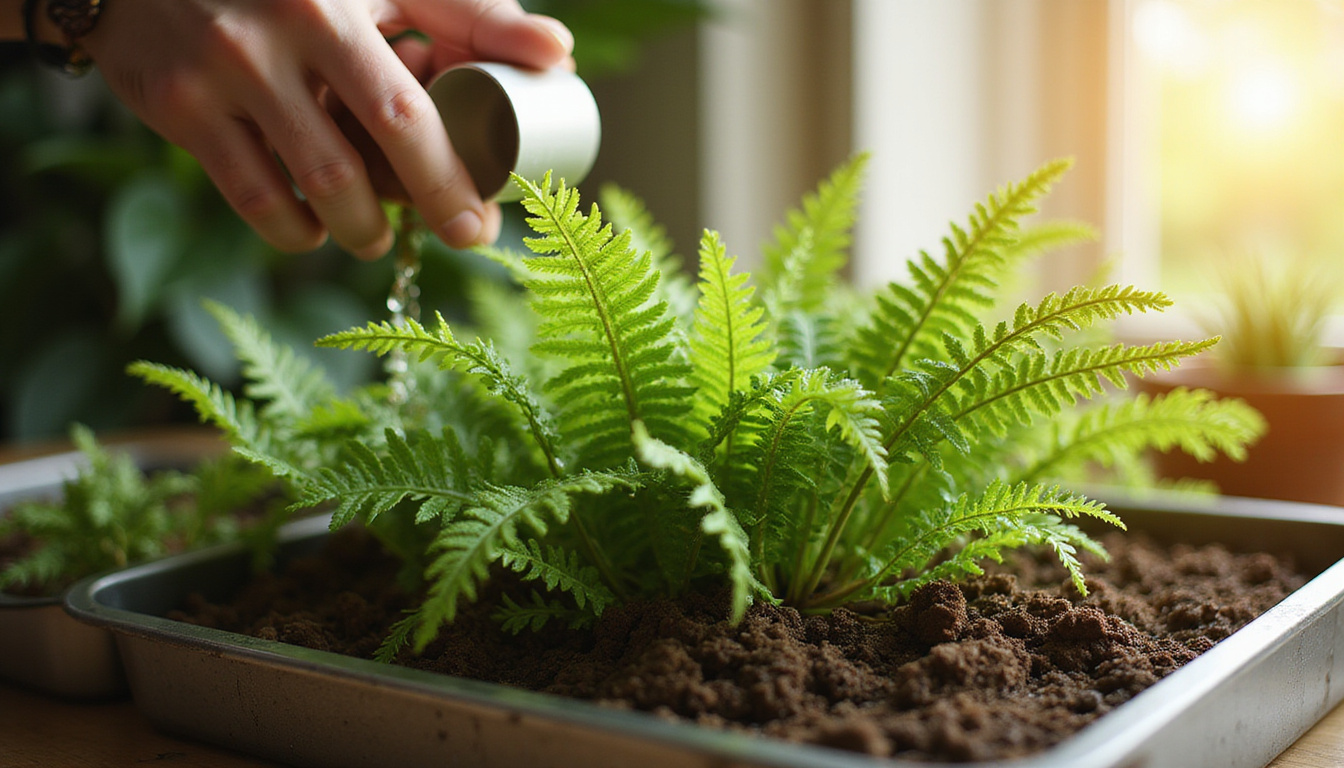
- Water thoroughly: Water until it runs from the drainage holes, then discard any water collected in the saucer.
- Adjust by season:
- Spring/Summer (active growth): Water more often; the plant will use moisture quickly.
- Fall/Winter: Water less, but don’t let it fully dry out.
Common Watering Mistakes
-
Overwatering
- Symptoms: Yellowing fronds, limp or mushy stems, sour or musty smell from soil.
- Cause: Soil staying wet constantly, poor drainage, pot without drainage holes.
-
Underwatering
- Symptoms: Dry, crispy fronds; browning from the tips inward; fronds dropping.
- Cause: Soil allowed to dry out deeply or for long periods.
Use room-temperature water, and if your tap water is very hard or chlorinated and you see persistent brown tips, consider filtered or dechlorinated water.
Soil and Potting: Light and Airy Wins
A money fern prefers a light, moisture-retentive yet free-draining mix.
Best Soil Mix for a Money Fern
Use:
- High-quality indoor plant or fern potting mix, or
- DIY mix:
- 2 parts all-purpose potting soil
- 1 part peat moss or coco coir (for moisture retention)
- 1 part perlite or fine bark (for drainage and aeration)
The soil should:
- Hold moisture but not stay heavy and wet
- Crumble easily when squeezed, rather than forming a dense clump
Choosing the Right Pot
- Drainage holes are essential: A money fern will quickly decline in a pot without drainage.
- Size modestly: Choose a pot only 2–4 cm (1–1.5 inches) wider than the current root ball. Oversized pots can hold excess water and lead to root rot.
- Material:
- Plastic or glazed ceramic retains moisture (good for those who forget to water).
- Unglazed terracotta dries faster (better if you tend to overwater).
Repot every 1–2 years when roots fill the pot or growth slows noticeably.
Humidity and Temperature: Recreating a Forest Floor
Ferns, including your money fern, thrive in high humidity and mild temperatures.
Ideal Humidity
Aim for:
- 50–70% humidity for best growth
- Minimum 40% to prevent constant browning tips
If your home is dry (especially in winter with heating), consider:
- Humidifier near your plant
- Pebble tray: Place the pot on a tray filled with pebbles and water (water level below pot base) to increase local humidity.
- Grouping plants together to create a more humid microclimate
Light misting can help briefly, but raising overall room humidity is more effective.
Temperature Range
Money fern prefers:
- 18–24°C (65–75°F) as an ideal range
- Avoid temperatures below 10–12°C (50–55°F)
Keep the plant away from:
- Drafty windows and doors
- Direct heat from radiators, vents, or fireplaces
- Air conditioners blowing directly on the foliage
Sudden shifts in temperature and dry air are two of the biggest reasons a money fern declines indoors.
Fertilizing for Lush, Green Fronds
While not heavy feeders, money ferns do appreciate a light, regular nutrient boost during the growing season.
How to Fertilize a Money Fern
- When: Spring through early fall
- Frequency: Every 4–6 weeks
- Type: Balanced, water-soluble fertilizer (e.g., 10-10-10 or 20-20-20) diluted to ¼–½ strength
Pour the diluted solution onto already-moist soil to avoid root burn. In fall and winter, you can stop fertilizing or reduce to once every 2–3 months, as growth naturally slows.
Warning signs of over-fertilizing:
- Brown, burned leaf edges
- White crust on the soil surface
- Wilting despite moist soil
If you suspect overfeeding, flush the soil thoroughly with plain water and wait a month before fertilizing again.
Pruning, Grooming, and Keeping It Beautiful
A well-groomed money fern not only looks fuller but also channels energy into new growth.
Simple Money Fern Grooming Routine
- Remove dead or yellowing fronds: Cut them off at the base using clean scissors or pruning shears.
- Trim brown tips: If only the tips are brown, you can trim just the damaged part, following the natural shape of the leaflet.
- Dust occasionally: Use a soft brush or damp cloth to remove dust from fronds; dust blocks light and slows photosynthesis.
Encouraging Bushier Growth
- Provide steady bright, indirect light
- Keep humidity high and watering consistent
- Avoid frequent repotting; slightly root-bound ferns can be more lush
- Light, regular feeding in the growing season supports new frond production
Propagating Your Money Fern
Most true ferns, including money fern types, are easiest to propagate by division, rather than spores, especially for home growers.
Step-by-Step Division
- Best time: Early spring, just as new growth begins.
- Remove from pot: Gently slide the plant out and examine the root ball.
- Divide:
- Look for natural clumps or sections.
- Use your hands or a clean knife to separate the root ball into 2–4 sections, each with several fronds and a good root portion.
- Repot: Plant each division into its own small pot with fresh, lightly moist fern mix.
- Aftercare:
- Keep in a warm, humid, bright (indirect light) spot.
- Keep soil lightly moist but not soaked.
- Avoid fertilizing for 4–6 weeks while roots establish.
With patience, each division becomes a full new money fern, giving you more plants for your home or to share.
Pests and Problems: Common Issues and Fixes
Healthy, well-cared-for ferns resist pests, but stress can make your money fern vulnerable.
Common Pests
- Spider mites: Webbing between fronds, tiny specks that move, stippled leaves.
- Scale or mealybugs: Small bumps or cottony clusters on stems and leaf bases.
What to do:
- Rinse the plant gently but thoroughly with lukewarm water.
- Wipe affected areas with a cotton swab dipped in diluted alcohol (for scale/mealybugs).
- Follow with a treatment of insecticidal soap or neem oil, repeated weekly until resolved (source: University of California IPM).
Environmental Stress
- Crispy edges, fronds dropping
- Causes: Low humidity, underwatering, heat drafts
- Yellowing and limpness
- Causes: Overwatering, poor drainage, cold drafts
Correct the underlying conditions (light, water, humidity, potting mix) and trim damaged fronds. New, healthy growth is the best sign your money fern is recovering.
Money Fern and Wealth: Symbolism and Placement
Beyond its natural beauty, the money fern is popular as a symbol of luck, wealth, and fresh beginnings, especially in feng shui practices and modern home décor.
Symbolic Tips for Placement
While not scientifically proven, many people enjoy using symbolic placement as a fun ritual:
- Near the entrance: Thought to invite prosperity and positive energy.
- Home office or workspace: Symbolizes growth in career and income.
- Wealth corner (back left corner from the front door, in classical feng shui): Commonly chosen spot for “money” plants.
Wherever you place it, the key idea is consistency and intention: caring for your money fern becomes a daily reminder to nurture your financial health and personal growth.
Quick Care Checklist for Money Fern
Use this as a handy reference:
- Light: Bright, indirect light, no harsh midday sun
- Water: Keep soil lightly moist; never bone-dry or waterlogged
- Soil: Light, airy mix with good drainage
- Pot: Must have drainage holes; avoid oversized pots
- Humidity: Aim for 50–70%; use humidifier or pebble tray if needed
- Temperature: 18–24°C (65–75°F), no cold drafts
- Feeding: Diluted balanced fertilizer every 4–6 weeks in spring/summer
- Grooming: Remove yellow/brown fronds, keep dust-free
- Propagation: Divide in early spring for new plants
FAQ: Money Fern Care Questions
1. Why are the leaves on my money fern turning brown?
Browning fronds on a money fern usually indicate low humidity, underwatering, or excess direct sun. Check that:
- The soil isn’t drying out completely
- The plant is not in harsh midday sunlight
- Humidity is at least 40–50%
Trim off fully brown fronds, increase humidity, and adjust your watering and light.
2. Can a money fern grow in low light?
A money fern can survive in moderate to low light, but it will grow more slowly and may become sparse. For a fuller, lusher appearance, aim for bright, indirect light—for example, near a bright window but not in direct sun.
3. Is a money fern a good indoor plant for beginners?
Yes, a money fern is a good indoor plant for beginners who can provide regular watering and some humidity. If your home is extremely dry or you frequently forget to water, you may find it a bit challenging. A small humidifier and a simple watering schedule (checking soil twice a week) make money fern care much easier.
Bring Prosperity and Greenery Into Your Space
A thriving money fern is more than just a decorative touch—it’s a daily reminder of growth, balance, and the potential for abundance in your life. With the right mix of gentle light, consistent moisture, and cozy humidity, your plant will reward you with fresh fronds and vibrant, lush foliage all year long.
If you’re ready to invite both beauty and symbolism of prosperity into your home, start today: choose a healthy money fern, set it up in a bright, humid spot, and put these care secrets into practice. With just a little attention and intention, you’ll be growing lush leaves—and, perhaps, a little more wealth and wellbeing in your life, too.
Throughout history, many plants and herbs have been associated with luck, protection, and prosperity. To explore their deeper spiritual, psychological, and scientific significance, visit SpiritualMindScience.com.