Spirit animal names have fascinated people for centuries, from ancient shamans to modern spiritual seekers on social media. Whether you’re curious about what animal represents you, or you want to use spirit animal names to deepen your self-understanding, exploring this topic can reveal surprising insights about your strengths, challenges, and purpose.
Below, you’ll learn what spirit animals really are (and what they’re not), how to find your own, and how to interpret their messages in a respectful, grounded way.
What Are Spirit Animal Names, Really?
At the simplest level, spirit animal names are symbolic titles or identities drawn from animals that reflect aspects of your personality, life path, or inner power.
Examples might include:
- Wolf of Insight
- Soaring Hawk
- Quiet Deer
- Fire Fox
- Wise Owl
Each animal carries specific traits and energies. When a particular animal keeps showing up in your dreams, meditations, art, or daily life, that may be a “spirit animal” calling your attention to a particular quality within you.
A Note on Cultural Respect
The term “spirit animal” is often used loosely online, but it has deep roots in Indigenous and shamanic traditions. In many Native American and other Indigenous cultures, animal spirits and totems are part of sacred belief systems and ceremonies. Using spirit animal names playfully is very different from participating in these traditions.
If you explore spirit animals:
- Acknowledge the spiritual wisdom Indigenous cultures have preserved.
- Use the concept as personal symbolism, not as a replacement for authentic cultural practices.
- Avoid claiming ceremonial roles or titles you’re not part of.
For general self-reflection, you can treat spirit animal names as symbolic guides rather than literal spiritual authorities.
Why Spirit Animal Names Resonate So Deeply
Why are so many people drawn to spirit animal names? Because animals mirror core human traits in simple, powerful ways. They’re free of the masks and stories we build around ourselves.
Spirit animal symbolism can help you:
- Recognize your gifts (courage, perception, stamina, empathy).
- Name your challenges (impulsiveness, fear, pride, isolation).
- Understand your natural style of thinking, feeling, and acting.
- Align with environments where you naturally thrive.
Psychologically, this is similar to working with archetypes—universal symbols that reflect patterns in human behavior and personality (Carl Jung wrote extensively about this concept, which underpins a lot of modern symbolic work and personality systems – see more on archetypes from the American Psychological Association, for example: APA – Archetypes (source)).
Common Spirit Animal Names and What They Reveal
Below are some of the most popular spirit animal names and the traits they commonly reveal. Use this as a starting point, not a rigid rulebook—your personal connection always matters more than any list.
1. Wolf – The Intuitive Pathfinder
You might connect with Wolf if:
- You value loyalty and deep bonds over large social circles.
- You’re independent, but not truly a loner—you need “your people.”
- Your intuition about people and situations is uncannily accurate.
Shadow side: Overprotectiveness, difficulty trusting new people, or feeling like an outsider.
Hidden power: Your ability to sense underlying dynamics and quietly lead from the edge rather than the center.
2. Owl – The Silent Knower
You might connect with Owl if:
- You notice hidden patterns others miss.
- You’re drawn to the night, reflection, or deep conversations.
- You often “just know” something before facts appear.
Shadow side: Isolation, overthinking, or seeming detached.
Hidden power: Seeing through illusions and guiding others through confusion and change.
3. Eagle or Hawk – The Visionary
You might connect with Eagle/Hawk if:
- You’re big-picture oriented and hate getting stuck in small details.
- You feel restless when your life feels “too small” or stagnant.
- Travel, wide horizons, and freedom matter deeply to you.
Shadow side: Impatience with slower people, difficulty committing, or chasing constant novelty.
Hidden power: Strategic vision and the ability to rise above drama and see the broader path.
4. Bear – The Grounded Protector
You might connect with Bear if:
- People see you as strong, steady, and protective.
- You swing between strong activity and deep rest/phases of withdrawal.
- You’re naturally nurturing, especially of your home and loved ones.
Shadow side: Stubbornness, emotional hibernation, or explosive anger when pushed too far.
Hidden power: Embodied strength, emotional resilience, and the bravery to stand firm when it matters.
5. Deer – The Gentle Empath
You might connect with Deer if:
- You’re highly sensitive to your environment and other people’s moods.
- You avoid confrontation, but feel things deeply.
- You’re drawn to beauty, peace, and kindness.
Shadow side: People-pleasing, avoidance of necessary conflict, or feeling easily overwhelmed.
Hidden power: Soft power—your compassion, subtle influence, and ability to create safe, peaceful spaces.
6. Fox – The Clever Adaptable One
You might connect with Fox if:
- You’re quick-witted and pick things up fast.
- You’re good at reading social cues and adapting your behavior.
- You can be playful, mischievous, and strategic.
Shadow side: Tendency to avoid vulnerability by joking or dodging commitment; being perceived as “too clever.”
Hidden power: Creative problem-solving, social intelligence, and the knack for finding unconventional paths.
7. Cat – The Independent Mystic
You might connect with Cat if:
- You need a lot of autonomy and alone time.
- You move between affection and distance on your own terms.
- You’re drawn to mystery, magic, or intuitive practices.
Shadow side: Being misunderstood as aloof, unreliable, or selfish.
Hidden power: Self-possession, strong boundaries, and the ability to navigate between seen and unseen realms of experience (logic and intuition, outer life and inner life).
How to Discover Your Own Spirit Animal Name
You don’t have to wait for a quiz to tell you who you are. Finding your spirit animal names is a process of honest observation and symbolic listening.
1. Notice Recurring Animal Symbols
Pay attention to animals that repeat in your life over a period of weeks or months:
- Animals in your dreams.
- Creatures that keep showing up in media, art, books.
- Animals you keep randomly encountering in real life.
- Childhood favorites you were inexplicably obsessed with.
Patterns matter more than one-time appearances.
2. Journal on Your Connections
Pick one animal you feel drawn to and ask yourself:
- What three words describe this animal’s energy?
- How does it respond to danger, comfort, or opportunity?
- Where do I see those patterns in my own life?
- What do I admire about it? What annoys me?
You’ll begin to see parallels between the animal’s behavior and your natural tendencies.
3. Allow for Multiple Spirit Animal Names
You might find:
- A primary spirit animal name that reflects your core nature.
- A seasonal or current guide that relates to what you’re facing now.
- A shadow companion that represents traits you suppress or dislike but need to integrate.
For example, you might be a “Wolf of Insight” at your core, guided temporarily by “Phoenix of Rebirth” as you go through big life changes.
Creating a Personal Spirit Animal Name
Once you have a sense of your symbolic animal, you can craft a spirit animal name that resonates with your deeper traits and hidden power.
Use this simple formula:
[Animal] + [Trait, Element, or Symbolic Quality]
Some ideas:
- Wolf of Insight
- Rising Phoenix
- Serpent of Change
- Ocean Dolphin
- Quiet Deer of Dawn
- Fire Fox
- Moon Cat
- Thunder Bear
Tips for Naming
- Let it feel right more than sound cool.
- Try saying it out loud—your body’s response matters.
- You can change or refine it as you grow.
Using Spirit Animal Names for Personal Growth
Spirit animal names are most powerful when they move beyond aesthetic and become tools for self-awareness and change.
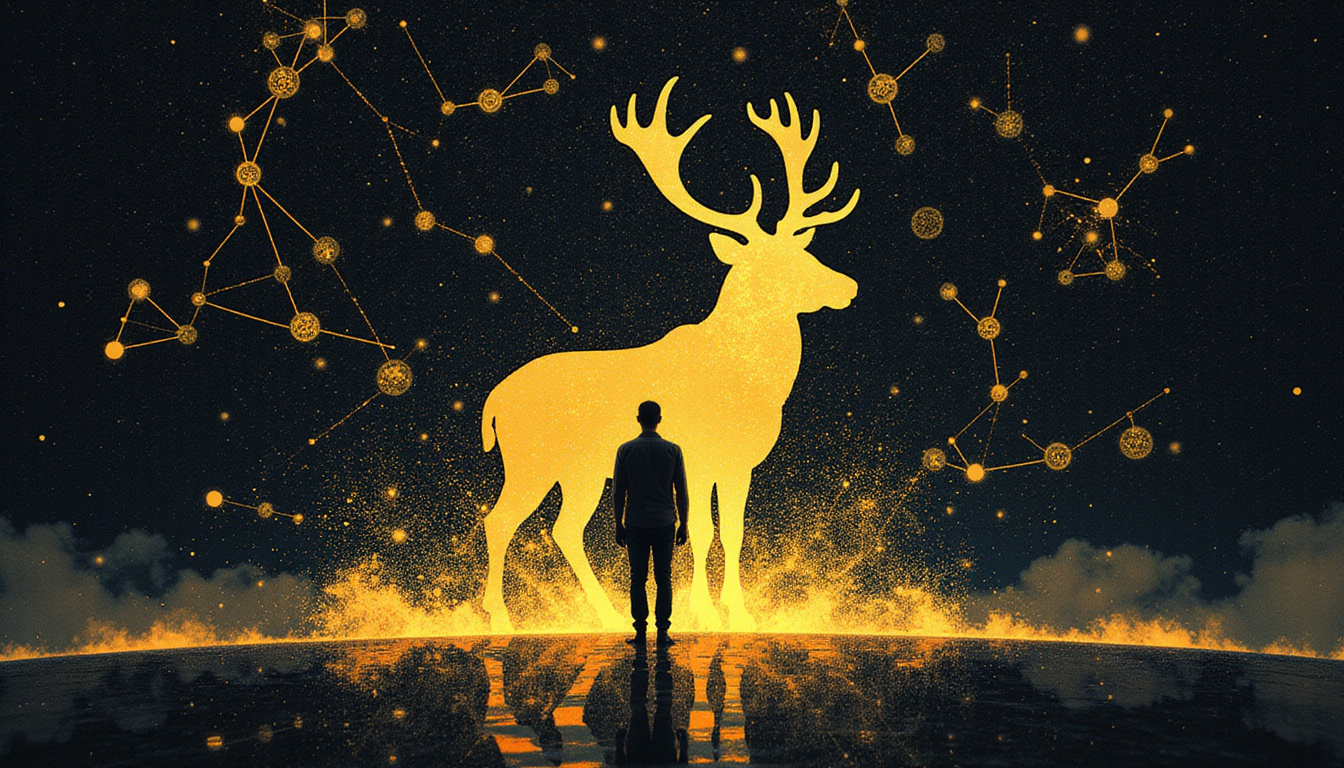
Here are some practical ways to use them:
-
Daily Intention
Take a moment each morning to say your spirit animal name and ask:
“What would [my animal] do today in this situation?”
Let that guide a single decision or action. -
Shadow Work
If you have a “shadow” spirit animal (for example, Snake when you’re afraid of transformation), ask:- What am I resisting that this animal embodies?
- How could embracing a small piece of this trait help me grow?
-
Creative Anchors
Draw, paint, write, or create music with your animal in mind. Use it as a muse to access parts of yourself you don’t normally express. -
Boundaries and Confidence
When you need courage, call on your animal:- A Bear might help you say “no” with strength.
- A Hawk might help you detach from drama and see clearly.
- A Deer might help you stay soft yet firm.
One List: Signs You’ve Found the Right Spirit Animal Name
Use this checklist to see if your spirit animal name truly fits you:
- You feel a subtle “yes” in your body when you say it.
- It reflects both your strengths and your struggles.
- It feels like an aspiration as much as a description.
- You don’t feel the need to justify it to others.
- It helps you make sense of your reactions, desires, and fears.
- It gently challenges you to grow into your fuller self.
If you nod at most of these, you’re close to—or already at—the right name.
Respectful and Grounded Practice with Spirit Animal Names
To keep your work with spirit animal names meaningful and respectful:
- Use them as personal symbols, not as a way to impersonate or appropriate specific Indigenous traditions.
- Don’t claim to be a “shaman” or “tribal” guide unless you are legitimately recognized as such in that community.
- Stay curious rather than dogmatic. Symbols are powerful because they’re flexible and layered.
Spirit animal work is ultimately about relationship: between you and the natural world, you and your deeper self, you and the cycles of change in your life.
FAQ: Common Questions About Spirit Animal Names
1. How do I find my true spiritual animal name?
Your spiritual animal name often emerges from patterns—not a single meditation or quiz. Look at recurring animals in dreams, memories, art, and daily life, then reflect on how their behaviors mirror your own. Combine the animal with a meaningful quality (e.g., “Hawk of Clarity”) so the name reflects your core traits or current growth edge rather than just sounding cool.
2. Can I have more than one spiritual animal guide?
Yes. Many people sense multiple spiritual animal guides over a lifetime. You might have a lifelong core guide (like Wolf or Owl) and temporary guides that appear during certain phases (like Phoenix during transformation or Turtle during healing). Different spirit animal names can represent different roles: protector, teacher, shadow, or healer.
3. Are spirit animal name generators accurate?
Online spirit animal name generators can be fun starting points, but they’re not definitive. True spirit animal names come from personal resonance, lived experience, and reflection—not random outputs. If a generated name deeply moves you or feels eerily accurate, explore why it resonates, then refine it so it fully matches your own inner truth.
Step Into Your Own Spirit Animal Name
You don’t need anyone’s permission to explore spirit animal names as a tool for self-discovery and empowerment. The animals that show up for you—Wolf, Owl, Deer, Fox, Bear, or something far more unusual—are mirrors of your own hidden power and true traits.
Take time this week to:
- Notice which animals keep appearing in your world.
- Journal their qualities and how they show up in you.
- Craft one spirit animal name that feels honest, brave, and slightly beyond your comfort zone—something you’re ready to grow into.
Then, start living with it. Whisper it to yourself before a big decision, write it at the top of your journal, or use it as a quiet compass when you feel lost.
If you’d like help refining your spirit animal names based on your personality, dreams, or life challenges, share a few details and the animals you feel drawn to—and I can help you shape a name that truly reflects who you are becoming.
Animals have inspired symbols and beliefs across cultures for centuries. Discover how these traditions connect with psychology, spirituality, and human consciousness at SpiritualMindScience.com.