Elderberry Remedies and Recipes: Unlock Natural Immunity and Wellness
Elderberry has become one of the most talked-about natural remedies for immune support—and for good reason. Long used in traditional medicine, elderberry is now backed by modern research for its potential to shorten the duration of colds and flu-like symptoms. In this guide, you’ll learn what makes elderberry so powerful, how to use it safely, and how to make simple, delicious elderberry remedies and recipes at home.
What Is Elderberry?
Elderberry refers to the dark purple berries of the Sambucus tree, most commonly Sambucus nigra (European elder). These berries have been used for centuries in herbal medicine as a:
- Natural immune booster
- Cold and flu remedy
- Support for respiratory health
- Antioxidant-rich food
The berries themselves are not typically eaten raw in large amounts because they can cause digestive upset and, in some cases, mild toxicity. However, when properly cooked, processed, or extracted (as in syrups, teas, and tinctures), elderberry becomes a safe, potent ally for overall wellness.
Health Benefits of Elderberry
1. Immune System Support
Elderberry is rich in antioxidants, especially anthocyanins, which give the berries their deep purple color. These compounds help:
- Neutralize free radicals
- Support normal inflammatory responses
- Strengthen the body’s natural defenses
Research suggests that elderberry extract may reduce the duration and severity of cold and flu symptoms when taken at the first sign of illness, possibly by helping to inhibit viral replication and support immune function (source: NIH / NCBI).
2. Antioxidant and Anti-Inflammatory Properties
Oxidative stress is linked to chronic conditions like heart disease, diabetes, and cognitive decline. Elderberry’s high antioxidant content helps protect cells from oxidative damage. Its bioactive compounds may also support healthy inflammatory pathways, which is important for joint health, cardiovascular health, and overall vitality.
3. Respiratory and Sinus Relief
Traditionally, elderberry has been used to help alleviate:
- Congestion
- Sinus pressure
- Mild coughs
Its soothing properties can be particularly beneficial during cold and flu season, especially when combined with other immune-supportive herbs such as echinacea, ginger, and thyme.
4. Nutrient-Rich Berry
Elderberries contain:
- Vitamin C
- Dietary fiber
- Flavonoids and phenolic acids
Together, these nutrients support immune function, digestion, and overall wellness, making elderberry a valuable addition to a holistic health routine.
Safety First: How to Use Elderberry Properly
Elderberry is generally considered safe when processed correctly and taken in moderate amounts, but there are important precautions:
- Do not eat large amounts of raw elderberries. Raw berries, leaves, stems, and roots contain cyanogenic glycosides that can cause nausea, vomiting, and diarrhea. Cooking neutralizes these compounds.
- Avoid leaves, stems, and unripe berries. Only use ripe, dark-purple berries and discard any green parts.
- Pregnant or breastfeeding? Consult your healthcare provider before using elderberry, as there’s limited safety data for these groups.
- Autoimmune conditions or immune-suppressing medications: Elderberry may stimulate immune function, so always check with your practitioner first.
Always purchase from reputable sources or harvest carefully from known, uncontaminated areas, and when in doubt, talk to an herbalist or healthcare professional.
Forms of Elderberry: Which Is Right for You?
You can incorporate elderberry into your routine in several convenient forms:
- Elderberry syrup: Popular for families and kids; easy to take by the spoon or add to drinks.
- Elderberry tincture: Alcohol-based extract; very concentrated and shelf-stable.
- Elderberry tea: Comforting, hydrating, and ideal during a cold.
- Elderberry gummies: Tasty and kid-friendly (watch sugar content).
- Elderberry capsules: Convenient for consistent dosing with minimal taste.
The best form depends on your preferences, lifestyle, and any dietary restrictions.
Core Elderberry Remedy: Classic Elderberry Syrup Recipe
Homemade elderberry syrup is one of the most popular ways to enjoy the benefits of elderberry. It’s simple, cost-effective, and customizable.
Ingredients
- 1 cup dried elderberries (or 2 cups fresh, stemmed)
- 4 cups water
- 1–2 cinnamon sticks (or 1 tsp ground cinnamon)
- 4–6 slices fresh ginger (or 1–2 tsp dried ginger)
- 4–6 whole cloves (optional)
- 1 cup raw honey (or maple syrup for vegan version; adjust to taste)
Instructions
-
Combine ingredients (except honey).
Add elderberries, water, cinnamon, ginger, and cloves to a saucepan. -
Simmer gently.
Bring to a boil, then reduce heat and simmer uncovered for 45–60 minutes, or until the liquid has reduced by roughly half. -
Mash and strain.
Remove from heat. Gently mash the berries with the back of a spoon, then strain through a fine-mesh sieve or cheesecloth into a glass bowl. Press well to extract all liquid. -
Cool and sweeten.
Allow the liquid to cool until it’s lukewarm. Stir in honey or maple syrup until fully dissolved. -
Bottle and refrigerate.
Pour into a clean glass jar or bottle. Store in the refrigerator for up to 4–6 weeks.
Suggested Usage (Not Medical Advice)
- Adults: 1 tablespoon daily for general support; up to 1 tablespoon every 2–3 hours at the first sign of symptoms (for a few days only).
- Children over 1 year: 1–2 teaspoons daily; reduce dose during illness as appropriate.
(Never give honey to children under 1 year old. Use maple syrup or unsweetened preparations instead, and consult a pediatrician.)
Always treat these as general, traditional guidelines—not as a substitute for medical advice.
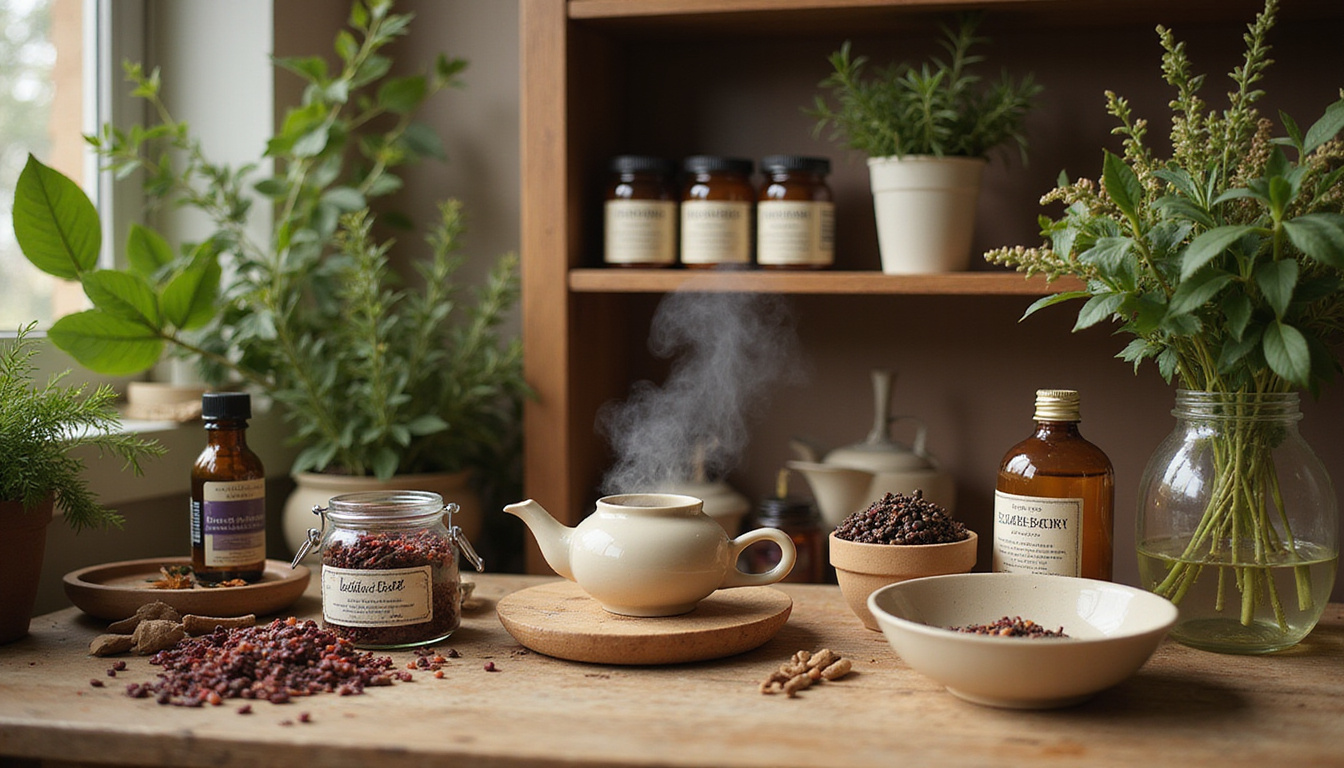
Soothing Elderberry Tea for Cold and Flu Season
Elderberry tea is a warming, hydrating way to support your body, especially when you feel run down.
Simple Elderberry Tea
Ingredients
- 1–2 tablespoons dried elderberries
- 1½–2 cups water
- 1 teaspoon dried ginger or a few slices fresh
- ½ teaspoon cinnamon (optional)
- Honey or lemon to taste
Instructions
- Add elderberries, water, and ginger to a small pot.
- Bring to a gentle boil, then simmer for 15–20 minutes.
- Strain into a mug, add cinnamon, honey, and/or lemon if desired.
- Sip warm, up to 2–3 cups per day during cold season.
This tea can also be chilled and used as a base for refreshing herbal iced tea blends.
Everyday Elderberry Recipes for Wellness and Enjoyment
You don’t have to wait until you’re sick to enjoy elderberry. These recipes integrate it into your daily life in fun, delicious ways.
1. Elderberry Immunity Gummies
A fun way to get a daily elderberry boost, especially for kids and picky adults.
Ingredients
- 1 cup strong elderberry tea or diluted elderberry syrup
- 2–3 tablespoons gelatin (or agar-agar for vegan, follow package instructions)
- 2–4 tablespoons honey or maple syrup
- Silicone molds or a shallow glass dish
Instructions
- Warm the elderberry tea/syrup until just hot (not boiling).
- Whisk in gelatin slowly until fully dissolved.
- Remove from heat; stir in sweetener.
- Pour into molds or dish and refrigerate until firm (1–2 hours).
- Pop out gummies or cut into cubes. Store in the fridge for up to 1–2 weeks.
2. Elderberry Immune-Boosting Smoothie
Blend a quick smoothie to support your immune system year-round.
Ingredients
- 1 banana (fresh or frozen)
- ½ cup mixed berries (blueberries, strawberries, etc.)
- 1–2 tablespoons elderberry syrup
- 1 cup unsweetened yogurt or dairy-free yogurt
- ½–1 cup water or plant milk
- Optional: 1 tablespoon chia or flax seeds
Instructions
- Add all ingredients to a blender.
- Blend until smooth, adding more liquid as needed.
- Taste and adjust sweetness or thickness.
3. Elderberry “Wellness Shot”
For a concentrated boost, especially at the onset of sniffles.
Ingredients
- 1–2 tablespoons elderberry syrup
- Juice of ½ lemon
- ½–1 teaspoon grated fresh ginger
- Pinch of cayenne (optional)
- 2–3 tablespoons water
Instructions
- Combine all ingredients in a small glass.
- Stir well and drink in one or two sips.
You can take this once daily during high-exposure times, such as travel or when people around you are sick.
How to Choose Quality Elderberry Products
If you’re buying elderberry rather than making it yourself, keep these tips in mind:
- Check the species. Look for Sambucus nigra or Sambucus canadensis on the label.
- Avoid unnecessary additives. Choose products without artificial colors, flavors, or high-fructose corn syrup.
- Review concentration and dosage. Standardized extracts give clearer dosing; follow label directions.
- Look for third-party testing. Reputable brands often test for purity, potency, and contaminants.
- Consider your needs. Syrups for taste, capsules for convenience, tinctures for shelf life and potency.
Who Should Avoid or Be Cautious with Elderberry?
While elderberry is helpful for many people, some should be cautious or avoid it:
- Individuals with autoimmune diseases (e.g., lupus, rheumatoid arthritis, MS)
- Those taking immunosuppressant medications (e.g., after organ transplant)
- People with severe allergies to berries or plants in the Adoxaceae family
- Pregnant and breastfeeding individuals, unless cleared by a provider
If you’re unsure, discuss elderberry with a qualified healthcare practitioner familiar with your health history and medications.
FAQ: Elderberry Remedies and Wellness
Q1: Can I take elderberry every day for immune support?
Many people use elderberry daily during cold and flu season or periods of high stress and exposure. Moderate, short-term daily use is generally considered safe for most healthy adults. For long-term, year-round use, it’s wise to cycle it (for example, 3–4 weeks on, 1 week off) and consult a healthcare provider if you have any underlying conditions.
Q2: What’s the difference between elderberry syrup and elderberry extract?
Elderberry syrup is typically made by simmering elderberries with water and herbs, then adding a sweetener like honey—making it tasty, but less concentrated. Elderberry extract or tincture is usually an alcohol-based, more potent preparation. Extracts offer stronger doses in small amounts, while syrup is more kid-friendly and easier to incorporate into food and drinks.
Q3: Is elderberry good for colds and flu?
Studies suggest that elderberry may reduce the duration and severity of cold and flu-like symptoms when taken early in the course of illness. It’s not a cure, but it can be a valuable part of a broader approach that includes rest, hydration, proper nutrition, and, when necessary, medical care. Always seek professional guidance for severe or persistent symptoms.
Bring Elderberry Into Your Wellness Routine
Used wisely, elderberry can be a powerful, natural tool to support your immune system and overall well-being. From soothing syrups and comforting teas to everyday smoothies and gummies, there are countless ways to harness the benefits of this remarkable berry.
If you’re ready to unlock the full potential of elderberry, start by trying one recipe from this guide today—then experiment and make it your own. And if you want deeper guidance on integrating herbal remedies safely into your health plan, consider consulting with a qualified herbalist or holistic practitioner who can tailor recommendations to your unique needs.
Your immune health is one of your greatest assets—nourish it naturally, consistently, and intentionally with the help of elderberry.
Throughout history, many plants and herbs have been associated with luck, protection, and prosperity. To explore their deeper spiritual, psychological, and scientific significance, visit SpiritualMindScience.com.