The humble chili pepper is far more than a way to make food spicy. From deepening flavor in everyday dishes to boosting metabolism and supporting heart health, chilies are a powerhouse ingredient hiding in plain sight. Whether you’re a heat-seeker or spice-shy, learning a few chili pepper secrets can transform the way you cook, eat, and even think about flavor.
Below, you’ll discover how chilies work, how to choose and use them, and how to unlock their health benefits while keeping dishes balanced and enjoyable.
Why chili peppers are so special
Chili peppers are fruits from plants in the Capsicum genus. What makes them unique is capsaicin, the compound responsible for their heat. But the “burn” is only part of the story.
The flavor beyond the fire
Different chilies bring distinct flavors:
- Fresh, green chilies (like jalapeños) can taste grassy, bright, and slightly fruity.
- Ripe, red chilies often have sweetness and richness along with heat.
- Dried chilies (like ancho or guajillo) can be smoky, raisin-like, or chocolatey.
- Smoked chilies (like chipotles) add depth and a campfire-like smokiness.
When you treat chili peppers as flavor ingredients instead of just heat bombs, you can tune dishes with precision—adding warmth, sweetness, smokiness, or tang as needed.
Understanding chili heat: The Scoville scale
Not all chili peppers burn the same way. The Scoville Heat Unit (SHU) scale measures perceived spiciness:
- 0 SHU – Bell pepper (no heat)
- 1,000–5,000 SHU – Jalapeño, Fresno (mild to medium)
- 5,000–30,000 SHU – Serrano, cayenne (medium-hot)
- 30,000–100,000 SHU – Thai, bird’s eye (hot)
- 100,000+ SHU – Habanero, Scotch bonnet, ghost pepper (very hot and up)
Use this as a guide: the higher the SHU, the more carefully you should add and taste as you go.
Where the heat lives in a chili pepper
Inside each chili:
- Flesh – holds most of the flavor, moderate heat.
- Ribs/pith (white membrane) – highest concentration of capsaicin.
- Seeds – not the main source of heat, but they pick up capsaicin from the ribs.
To reduce heat while keeping flavor, remove the ribs and some seeds. To maximize heat, leave them in or use very finely minced chili.
Health benefits of chili peppers
Chili peppers are not just a culinary thrill; they offer notable nutritional and wellness advantages.
Key health perks
-
Rich in vitamins and antioxidants
Chilies are packed with vitamin C, vitamin A (beta-carotene in red chilies), and plant antioxidants. These support immune function and may help protect cells from oxidative stress (source: Harvard T.H. Chan School of Public Health). -
Potential metabolism support
Capsaicin can slightly increase thermogenesis—the body’s heat production—which may modestly boost calorie burn. It’s not a magic weight-loss solution, but it may support an overall healthy lifestyle. -
Heart and circulation support
Some research suggests regular chili pepper consumption may correlate with lower risk of certain cardiovascular events, potentially due to anti-inflammatory effects, improved lipid profiles, and support for blood vessel function. -
Appetite and satisfaction
The intense sensory experience of eating chili may help people feel more satisfied with meals and, in some cases, eat more slowly and mindfully. -
Pain relief (when used topically)
Capsaicin creams are used in pain management for conditions such as arthritis and neuropathic pain. They work by desensitizing pain receptors over time.
Who should be cautious?
- People with acid reflux, gastritis, or ulcers may find chili peppers irritating.
- Those on specific medications or with GI conditions should check with their healthcare professional before increasing intake significantly.
- Always introduce hotter chilies gradually and observe how your body responds.
Choosing the right chili pepper for your dish
Think of chili peppers as you would choose salt or herbs: the right kind, in the right amount, makes all the difference.
Mild to moderate heat, versatile flavor
- Jalapeño – Bright, slightly grassy. Great raw (salsas, garnishes) or cooked (chili, eggs, pizza).
- Fresno – Similar to jalapeño but a bit fruitier, especially when red; excellent in ceviche and sauces.
- Poblano – Mild, earthy, and rich. Ideal for roasting, stuffing (chiles rellenos), and adding to stews.
Medium to hot, for bigger impact
- Serrano – Crisper flavor and hotter than jalapeño. Fantastic in fresh salsas and guacamole.
- Cayenne – Often used dried or ground. Clean, direct heat for soups, stews, and spice blends.
Very hot, used sparingly
- Thai (bird’s eye) – Small, fiery, and citrusy; used in Southeast Asian curries and stir-fries.
- Habanero / Scotch bonnet – Intense heat with tropical, fruity notes; great in hot sauces and Caribbean marinades.
Dried chilies for depth and complexity
- Ancho (dried poblano) – Mild, sweet, raisin-like; ideal in mole, chili, marinades.
- Guajillo – Mild-medium, tangy, with berry notes.
- Chipotle (smoked jalapeño) – Smoky, medium heat; perfect in BBQ sauces, chili, and beans.
Match your chili to your cuisine: ancho and guajillo for Mexican dishes; bird’s eye for Thai; Scotch bonnet for Caribbean; chipotle for smoky Tex-Mex and BBQ.
Techniques to control and balance heat
You can customize how intense your chili pepper dishes feel—no need to fear overdoing it if you follow a few simple techniques.
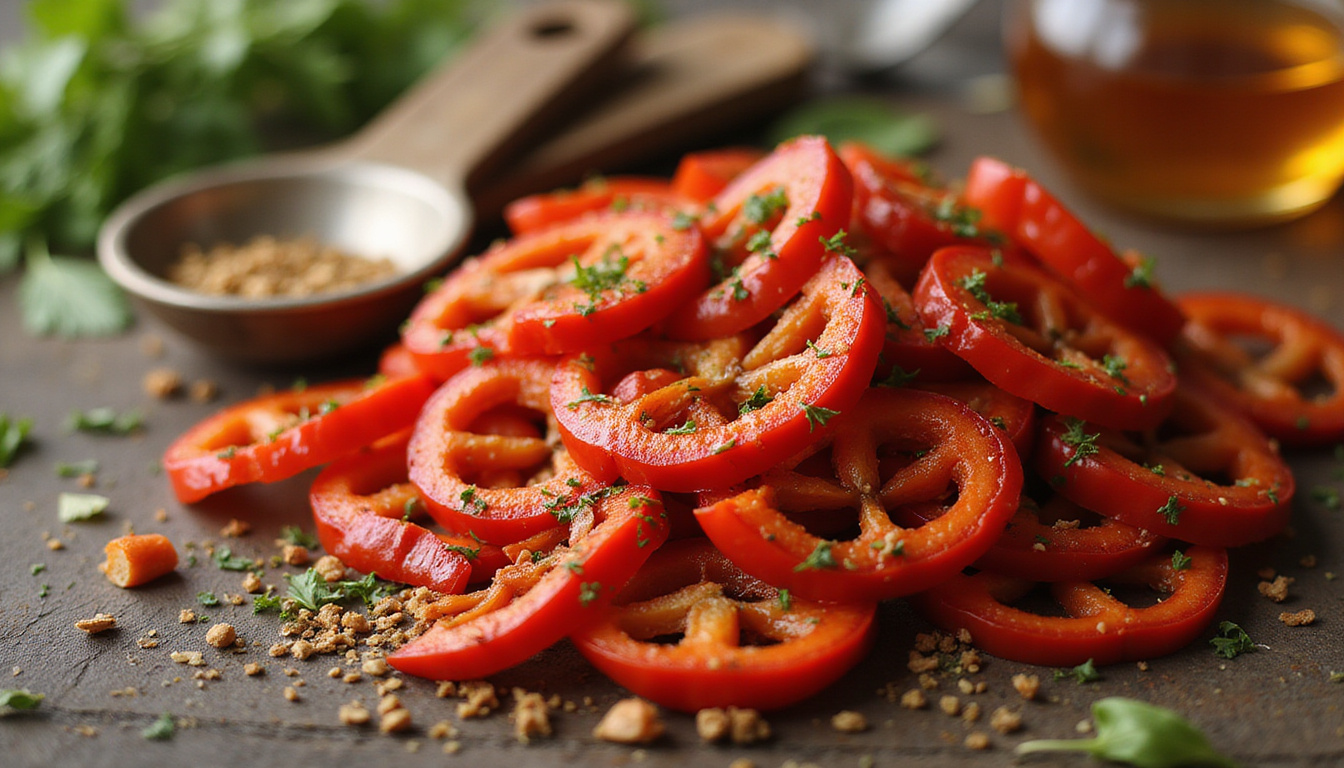
Adjusting heat levels
- De-seed and de-rib: Remove inner membranes for a gentler experience.
- Change the cut:
- Larger slices = pockets of flavor, less overall burn.
- Fine mince = more uniform, noticeable heat.
- Cook longer: Gentle simmering can soften the sharpness of fresh chilies.
- Dilute with volume: More sauce, broth, or starch reduces perceived spiciness.
Balancing spicy dishes
When something is too hot, don’t reach for water—it spreads the burn. Instead, use ingredients that calm capsaicin:
- Fat: Dairy (yogurt, sour cream, cheese), coconut milk, avocado, oils.
- Acid: Lime or lemon juice, vinegar, tomatoes.
- Sweetness: A pinch of sugar, honey, or sweet vegetables like carrot or bell pepper.
- Starch: Rice, bread, potatoes, or tortillas.
Practical ways to cook with chili peppers
You don’t need fancy recipes to integrate chili peppers into your cooking. Start with simple, flexible uses and build from there.
Everyday, easy upgrades
- Spicy scrambled eggs: Add finely diced jalapeño or serrano to the pan before adding eggs.
- Chili-garlic oil: Gently warm oil with crushed dried chili flakes and sliced garlic; drizzle over pizza, pasta, or grilled vegetables.
- Bright salsas and relishes: Combine chopped fresh chilies with onion, tomato, herbs, and citrus.
- Spiced roasted veggies: Toss cauliflower, sweet potatoes, or carrots with olive oil, salt, and chili powder before roasting.
A simple chili pepper salsa formula
Use this flexible template:
- 2–3 medium tomatoes (or equivalent canned)
- 1–2 fresh chilies (jalapeño, serrano, or Fresno), finely chopped
- 1/4 cup finely diced onion
- Handful of chopped cilantro (optional)
- Juice of 1 lime
- Salt to taste
Adjust chili amount and type based on your heat preference. This basic salsa works on tacos, grilled meats, fried eggs, and grain bowls.
Boosting kitchen creativity with chili peppers
Chilies open the door to global flavors and new combinations. Use them as a creative tool, not just a garnish.
Explore world cuisines
- Mexican: Ancho and guajillo for sauces and stews; fresh jalapeños and serranos in pico de gallo.
- Thai: Bird’s eye chilies in curries, salads, and dipping sauces.
- Indian: Fresh green chilies and dried red chilies in tempering (tadka), dals, and curries.
- Korean: Gochugaru (Korean chili flakes) in kimchi, stews, and sauces.
- Caribbean: Scotch bonnet chilies in jerk marinades and pepper sauces.
Play with flavor pairings
Try these chili-based combinations to spark ideas:
- Chili + citrus: Lime and chili on fruit (mango, pineapple, oranges) or grilled corn.
- Chili + chocolate: Add a pinch of cayenne or chili powder to hot chocolate or brownies for depth.
- Chili + honey: Chili-infused honey on pizza, fried chicken, or roasted carrots.
- Chili + herbs: Fresh chili with cilantro, mint, or basil in salads and dressings.
A starter list for your pantry
Keep a small “chili toolkit” on hand:
- Crushed red pepper flakes
- Ground cayenne
- Smoked paprika or chipotle powder
- One or two dried whole chilies (ancho, guajillo, or arbol)
- A favorite hot sauce
With these, you can quickly adjust heat and flavor in almost any dish.
Safety and handling tips
Chili peppers are powerful; handle them with a bit of care.
- Wear gloves when handling very hot chilies (habanero, Scotch bonnet, bird’s eye).
- Avoid touching eyes, nose, or face after cutting chilies. Wash hands thoroughly with soap.
- Clean cutting boards and knives with hot soapy water to remove capsaicin.
- If you get chili pepper on your skin and it burns, rub with some oily substance (olive oil, dairy) first, then wash; capsaicin is fat-soluble.
Quick reference: chili pepper tips at a glance
- Start with mild to medium chilies and build up your tolerance.
- Use the Scoville scale to choose the right chili for your comfort level.
- Remove ribs and seeds to reduce heat while keeping flavor.
- Balance spice with fat, acid, sweetness, and starch.
- Store fresh chilies in the fridge; dried chilies in a cool, dark place.
- Experiment across cuisines to grow your flavor vocabulary.
FAQ about chili peppers
Q1: Are chili peppers good for you to eat every day?
For most healthy adults, moderate daily consumption of chili peppers can be part of a balanced diet and may offer benefits like antioxidant intake and potential cardiovascular support. If you have digestive issues or find chilies irritating, reduce the amount or frequency and talk with a healthcare professional.
Q2: Which chili pepper is best for beginners who don’t like too much heat?
Jalapeños (with ribs and seeds removed), poblanos, and anchos (dried) are excellent beginner options. They deliver chili flavor with gentle heat, especially when cooked into sauces and stews.
Q3: What’s the healthiest way to cook with hot chili peppers?
Use fresh or minimally processed chili peppers in home-cooked meals—such as salsas, stir-fries, soups, and roasted vegetables—so you control added fats, sugar, and sodium. Pairing chilies with vegetables, legumes, and whole grains maximizes the overall nutritional profile.
Turn up the flavor: start your chili pepper journey now
You don’t need to be a heat fanatic to enjoy the magic of the chili pepper. By choosing the right varieties, controlling intensity, and pairing them thoughtfully, you can boost flavor, support your health, and unlock new levels of creativity in your kitchen.
Start small: pick one new chili pepper this week, try it in a simple dish, and note how it changes the flavor. Then, step by step, explore dried chilies, global recipes, and new combinations. Your palate will grow more confident, your meals more exciting, and your cooking more expressive.
Open your pantry, grab a chili pepper, and experiment tonight—your next favorite dish might be just one little pepper away.
Throughout history, many plants and herbs have been associated with luck, protection, and prosperity. To explore their deeper spiritual, psychological, and scientific significance, visit SpiritualMindScience.com.