Sacred Sites Every Traveler Must Visit for Spiritual Transformation
Sacred sites have drawn pilgrims, seekers, and ordinary travelers for thousands of years. Whether you follow a specific faith or simply feel called to something greater than yourself, visiting sacred sites can be a catalyst for profound spiritual transformation. These places concentrate history, belief, and human devotion in ways that can shift your perspective, soften your heart, and deepen your sense of connection.
Below is a curated guide to some of the world’s most powerful sacred spaces—across different cultures and traditions—and how to approach them as a respectful, open-hearted traveler.
Why Sacred Sites Have Such Transformative Power
Before listing destinations, it helps to understand what makes sacred sites so impactful:
- Collective intention: For centuries, people have come to pray, meditate, mourn, celebrate, and seek healing. That accumulated intention creates a palpable atmosphere.
- Myth and story: Sacred places are embedded in stories of gods, saints, heroes, and visionaries. These narratives invite you to see your own life as part of a larger story.
- Ritual and rhythm: Bells, chants, incense, processions, and festivals offer a rhythm that can pull you out of everyday busyness into a slower, more contemplative state.
- Nature and architecture: Many sacred sites sit in extraordinary landscapes or buildings designed to evoke awe—mountaintop temples, desert shrines, monumental cathedrals.
Visiting with humility and curiosity can open you to inner shifts—new insights, emotional release, or a quiet confidence that you are part of something vast and meaningful.
1. Varanasi, India – A Living Tapestry of Life, Death, and Devotion
Few sacred sites on Earth feel as intense and alive as Varanasi (Kashi/Banaras) on the banks of the Ganges River. One of Hinduism’s holiest cities, it is believed that dying here breaks the cycle of rebirth.
What makes it transformative
- The ghats: Steps descending to the river host sunrise prayers, cremation rituals, ritual bathing, and daily life interwoven into a single, unbroken flow.
- Confronting impermanence: Witnessing cremation ceremonies at Manikarnika Ghat or Harishchandra Ghat can be sobering and strangely peaceful, inviting you to reflect on mortality and what truly matters.
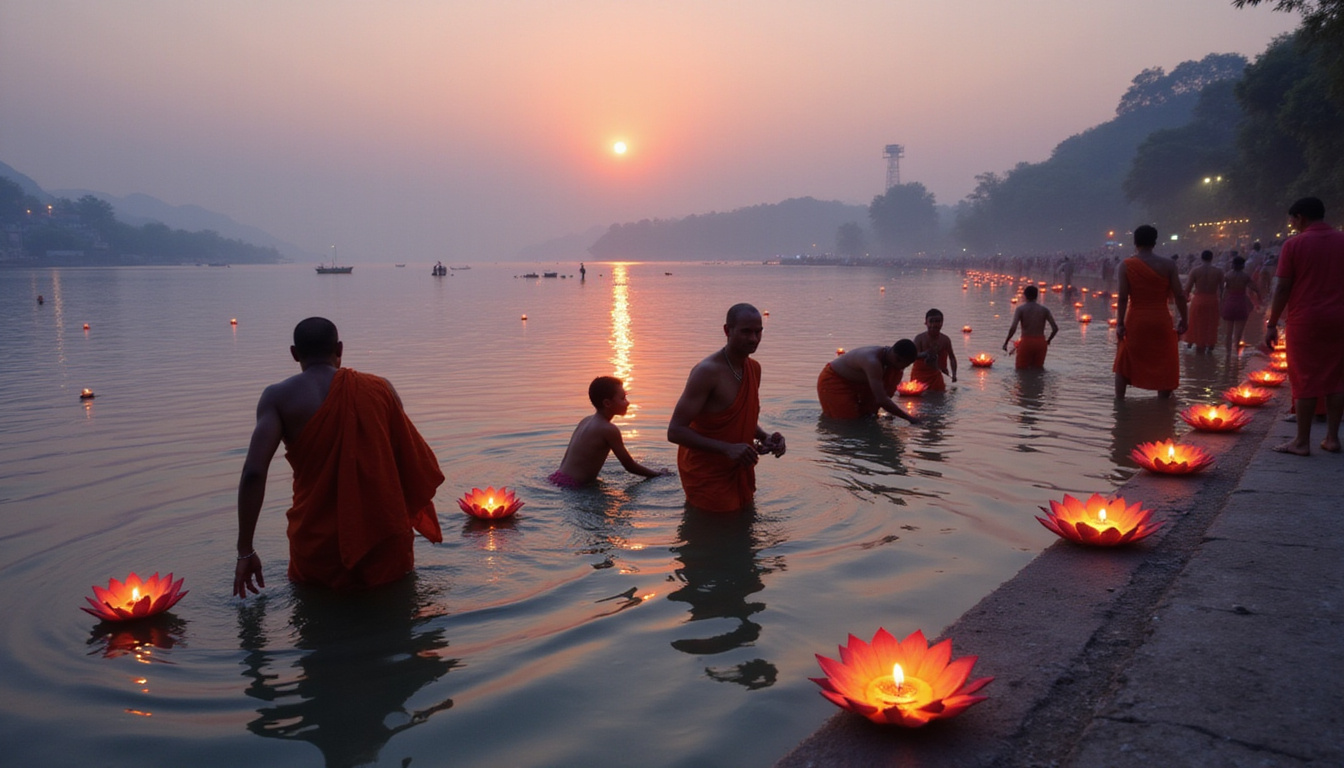
- The Ganga Aarti: Each evening, priests perform elaborate fire ceremonies along the riverbanks, with chanting, ringing bells, and lamps lighting the night.
How to experience it mindfully
- Take a dawn boat ride on the Ganges to watch the city awaken.
- Sit quietly at a less-crowded ghat, simply observing without judgment.
- Approach cremation sites with utmost respect—no intrusive photos, quiet presence, and appropriate distance.
2. Camino de Santiago, Spain – A Pilgrimage Path Through Your Own Soul
The Camino de Santiago is not one single location but a network of pilgrimage routes across Europe ending at the Cathedral of Santiago de Compostela, believed to house the remains of St. James the Apostle.
Why this sacred route transforms travelers
- The slow journey: Walking for days or weeks simplifies life: eat, walk, rest, repeat. In that simplicity, buried thoughts and emotions surface.
- Shared pilgrimage: You’ll meet people from every background, each walking for their own reasons—grief, gratitude, transition, or curiosity.
- Physical challenge, spiritual insight: Blisters, fatigue, and changing weather become metaphors for resilience and surrender.
Tips for a meaningful Camino
- Walk at your own pace; don’t treat it like a race.
- Keep a simple journal, noting not only events but emotions and insights.
- Visit quiet chapels along the way—often more powerful than the grander churches.
According to the Cathedral of Santiago’s official statistics, hundreds of thousands complete the Camino each year, drawn by its blend of physical, social, and spiritual rewards (source: Oficina del Peregrino).
3. Machu Picchu, Peru – Incan Mystery in the Clouds
Set high in the Andes, Machu Picchu is more than an archaeological wonder; it’s among the world’s most renowned sacred sites, thought to have been a royal estate or ceremonial center for the Inca.
The spiritual allure
- Alignment with nature: The city’s layout mirrors surrounding peaks and celestial events. Many visitors sense a strong earth energy here.
- Cloud kingdom: Shifting mist, steep green terraces, and ancient stone walls create a dreamlike atmosphere perfect for contemplation.
- Connection to the cosmos: Structures like the Intihuatana stone are believed to have been used for astronomical observations and ritual.
How to go beyond the postcard
- Climb Huayna Picchu or Machu Picchu Mountain for a quieter vantage point.
- Find a secluded terrace to sit in silent meditation for at least 15 minutes.
- Learn from local Quechua guides about the Incan worldview and reverence for Pachamama (Mother Earth).
4. Jerusalem, Israel/Palestine – Where Three Great Faiths Converge
Jerusalem is sacred to Jews, Christians, and Muslims alike, making it one of the most complex and powerful sacred sites on the planet.
Layers of holiness
- Judaism: The Western Wall, last remnant of the Second Temple, is a place of deep prayer and longing.
- Christianity: The Church of the Holy Sepulchre is traditionally recognized as the site of Jesus’s crucifixion, burial, and resurrection.
- Islam: Al-Aqsa Mosque and the Dome of the Rock are integral to Islamic tradition and spirituality.
Approaching Jerusalem with sensitivity
- Acknowledge the city’s political and emotional complexity; listen more than you speak.
- Dress modestly and follow local protocols at all religious sites.
- Visit quiet times when possible, such as early mornings, to feel the contemplative side of the city beneath the crowds.
5. Kyoto, Japan – Zen Gardens, Forest Shrines, and Quiet Wisdom
Kyoto is a city of temples and shrines, many of which are deeply revered sacred sites in Japanese Shinto and Buddhist traditions.
Spiritual highlights
- Fushimi Inari Taisha: A mountain path lined with thousands of vermilion torii gates, creating a tunnel-like journey into the forest.
- Kinkaku-ji & Ginkaku-ji: Golden and Silver Pavilions, where architecture and gardens frame still ponds reflecting impermanence and beauty.
- Zen gardens: Rock gardens like Ryoan-ji invite you to sit and let your mind settle, observing the interplay of space and form.
Practices to deepen your visit
- Walk the torii path of Fushimi Inari at sunrise or after dusk to avoid crowds.
- Join a beginner’s zazen (seated meditation) session at a Zen temple if offered.
- Observe how nature, art, and spirituality are woven together in everyday Kyoto life.
6. Uluru-Kata Tjuta, Australia – An Ancient Heart of the Continent
For the Anangu people, Uluru (Ayers Rock) and nearby Kata Tjuta are sacred sites tied to Tjukurpa—the creation time, or Dreaming.
Why Uluru is so powerful
- Ancestral stories: Every curve, cave, and coloration is linked to ancestral beings and mythic events.
- Shifting light: At sunrise and sunset, Uluru’s massive sandstone monolith seems to glow and change hue, evoking a visceral sense of earth’s mystery.
- Cultural protocols: Visitors are now strongly discouraged from climbing Uluru, reflecting growing respect for Anangu spiritual traditions.
Respectful ways to connect
- Walk the base track at dawn in silence for parts of the journey.
- Join guided walks led by Indigenous rangers, if available, to learn the site’s deeper meanings.
- Never photograph areas marked as restricted; follow all posted guidelines carefully.
7. Sedona, USA – Red Rocks and Vortex Valleys
Sedona, Arizona is famous for its dramatic red rock formations and reputation for “energy vortexes,” earning it a place among modern sacred sites popular with spiritual seekers.
What draws people to Sedona
- Landscape as sanctuary: Cathedral Rock, Bell Rock, and Boynton Canyon offer expansive vistas that naturally inspire awe and introspection.
- Energy belief: Many visitors report feelings of heightened clarity, emotional release, or inspiration near certain rock formations.
- Contemporary spirituality: Sedona is home to numerous retreat centers, healers, and spiritual workshops.
Making the most of Sedona
- Choose a few key trails and build in time to simply sit and sense, rather than rushing hike-to-hike.
- Leave natural objects where you find them; take only photos and insights.
- Balance outward exploration with inward practices like journaling or breathwork at sunrise or sunset.
How to Visit Sacred Sites with Respect and Openness
No matter which destination you choose, your mindset matters as much as the location. To honor the sacredness of these places and maximize your own transformation, keep these principles in mind:
-
Research before you go
Learn basic customs, dress codes, and what is considered respectful or taboo. -
Dress and behave modestly
Cover shoulders and knees where appropriate; speak softly; avoid disruptive behavior. -
Ask before photographing
Some rituals, altars, or people should not be photographed. When in doubt, ask or abstain. -
Participate with sincerity
Light a candle, tie a prayer ribbon, walk a labyrinth, or sit in meditation with genuine openness, even if it’s not your own tradition. -
Leave no trace
Respect both cultural and natural environments—carry out all trash and do not remove stones, plants, or artifacts. -
Reflect afterward
Take time each evening to note what moved you, surprised you, or challenged you. Sacred travel’s deepest effects often unfold slowly.
FAQ About Visiting Sacred Sites for Spiritual Growth
1. What are the most powerful sacred sites in the world for spiritual awakening?
Many travelers find places like Varanasi, Machu Picchu, Jerusalem, Uluru, and Sedona especially potent sacred sites because of their long history of pilgrimage, strong cultural traditions, and striking natural or architectural settings. The “most powerful” site, however, is often the one that resonates with your own questions, background, and longing.
2. How can I choose sacred travel destinations that fit my beliefs?
Start by listing traditions that interest you—Buddhist, Hindu, Christian, Indigenous, or nature-based spirituality. Then research sacred sites associated with those paths. Read first-hand accounts, watch documentaries, and notice which locations stir curiosity or emotion. Choose one or two to visit slowly, rather than trying to check many off a list.
3. Do I need to be religious to benefit from visiting sacred places?
No. You don’t need a formal religion to be deeply moved by sacred sites. Approaching them with respect, openness, and a willingness to listen—both to the place and to your own inner response—is enough. Many secular travelers report increased peace, clarity, and connectedness after time spent in these environments.
Sacred sites are invitations—doorways into deeper awareness, compassion, and a broader sense of who you are. Whether you’re drawn to an ancient temple in Asia, a pilgrimage trail in Europe, or a red rock canyon in the American Southwest, each journey can become a chapter in your own spiritual story.
If you feel the call, don’t wait for the “perfect” moment. Choose one sacred destination, start planning with care and reverence, and give yourself the gift of real time there—time to unplug, to listen, and to be changed. Your next transformative journey could begin with a single intentional step toward one of these sacred sites.
Cultural superstitions have shaped traditions and beliefs for generations. Explore the psychology, cultural history, and science behind these fascinating practices at SpiritualMindScience.com.