Bayberry is one of those old-fashioned plants that keeps proving its worth in modern life. From traditional herbal uses to fragrant candles and hardy landscape shrubs, bayberry offers a surprising range of benefits. Whether you’re an herbal enthusiast, a home gardener, or simply looking for natural ways to freshen and protect your home, this shrub deserves a closer look.
In this guide, you’ll learn about bayberry’s key benefits, how to grow it, and smart ways to use it around the house—plus important safety notes and FAQs.
What Is Bayberry?
“Bayberry” typically refers to the northern bayberry (Myrica pensylvanica) and the closely related wax myrtle (Myrica cerifera). These are aromatic, hardy shrubs native to North America, found along coasts, wetlands, and open woodlands.
Key characteristics:
- Evergreen to semi-evergreen foliage with a clean, resinous scent
- Grey, wax-coated berries used historically for candles and medicine
- Adaptability to poor, sandy, or salty soils
- Wildlife value, providing food and cover for birds and pollinators
Traditionally, bayberry bark and roots were used in herbal medicine, while the berries were boiled to obtain wax for slow-burning, clean-smelling candles.
Traditional and Modern Herbal Uses of Bayberry
For centuries, herbalists have turned to bayberry for a variety of wellness purposes. While modern clinical research is limited, its long-standing use gives insight into why it remains popular in herbal circles.
Astringent and Tonic Properties
Bayberry root bark is known as a strong astringent, meaning it helps tighten and tone tissues. Herbalists have used it for:
- Supporting healthy gums
- Helping manage occasional diarrhea
- Topical application on minor cuts or abrasions (in diluted form)
Its warming, stimulating nature also led to its historical use as a general tonic during cold seasons.
Respiratory and Circulatory Support (Traditional Use)
In traditional North American and European herbalism, bayberry has been used:
- In teas or tinctures for occasional sore throats
- To support circulation and promote warmth in cold extremities
- As part of herbal combinations for seasonal wellness
It’s important to note: these uses are based on traditional practice, not modern medical trials. If you have any health condition or take medication, always consult a qualified healthcare practitioner before using herbal bayberry.
Digestive Support
Because of its astringent and warming properties, small amounts of bayberry have been incorporated into herbal blends to:
- Support healthy digestion after heavy or greasy meals
- Provide occasional soothing support for loose stools
- Promote overall digestive tone when used short term
Bayberry is potent and should not be overused. Oversized or long-term doses can be irritating or counterproductive.
How to Use Bayberry Safely as a Herbal Preparation
If you’d like to explore herbal bayberry, it’s crucial to use it thoughtfully and sparingly.
Common forms:
- Dried root bark tea – A small amount simmered gently, often blended with milder herbs
- Tincture – Liquid extract used in drop doses under guidance of an herbal professional
- Topical washes or gargles – Strong teas diluted and used externally, then spat out
Basic safety guidelines:
- Avoid large or long-term internal doses.
- Do not use during pregnancy or breastfeeding.
- People with liver disease, serious chronic illness, or on regular medications should get medical advice before use.
- Discontinue use if you notice digestive upset, headache, or skin irritation.
For in-depth safety information on herbal medicines, the U.S. National Institutes of Health offers a helpful gateway to evidence-based resources (see the Office of Dietary Supplements at the NIH: https://ods.od.nih.gov – source).
Growing Bayberry in Your Garden
Beyond its health-related uses, bayberry is a fantastic landscape plant—especially if you want something tough, low-maintenance, and wildlife-friendly.
Ideal Growing Conditions
Bayberry is adaptable but thrives best when you match its coastal roots:
- Light: Full sun to light shade (more sun = denser growth and more berries)
- Soil: Sandy or loamy, well-draining; tolerates poor, infertile soil
- pH: Slightly acidic to neutral
- Moisture: Moderate; tolerates drought once established
- Climate: Northern bayberry is hardy to about USDA Zones 3–7; wax myrtle to Zones 7–10
It’s also salt-tolerant, making it ideal for seaside gardens or areas exposed to road salt.
Planting and Care Tips
-
Site selection
Choose a spot with at least 6 hours of sun, where the shrub can reach its mature size—often 5–10 feet high and wide, depending on species and variety. -
Planting
- Dig a hole twice as wide as the root ball and about the same depth.
- Loosen roots, place the plant so the top of the root ball is level with soil, and backfill.
- Water deeply after planting.
-
Watering and mulching
- Water regularly the first year to establish roots.
- Add a 2–3 inch mulch layer around the base (but not touching the stem) to conserve moisture and suppress weeds.
-
Fertilization
Bayberry can fix atmospheric nitrogen via root associates, so it often needs little or no fertilizer. Over-fertilizing can reduce its natural toughness. -
Pruning
- Lightly prune in late winter or early spring to shape.
- Remove dead, damaged, or crossing branches.
- For a hedge, shear lightly once or twice a year after flowering.
Bayberry and Wildlife
One of bayberry’s greatest garden benefits is its wildlife value:
- Birds (such as yellow-rumped warblers) eat the waxy berries, especially in winter.
- Dense branches provide nesting and shelter.
- Flowers support pollinators with early-season nectar and pollen.
To ensure berries, plant several shrubs; bayberry plants are often dioecious (separate male and female plants), so you may need both to get fruit.
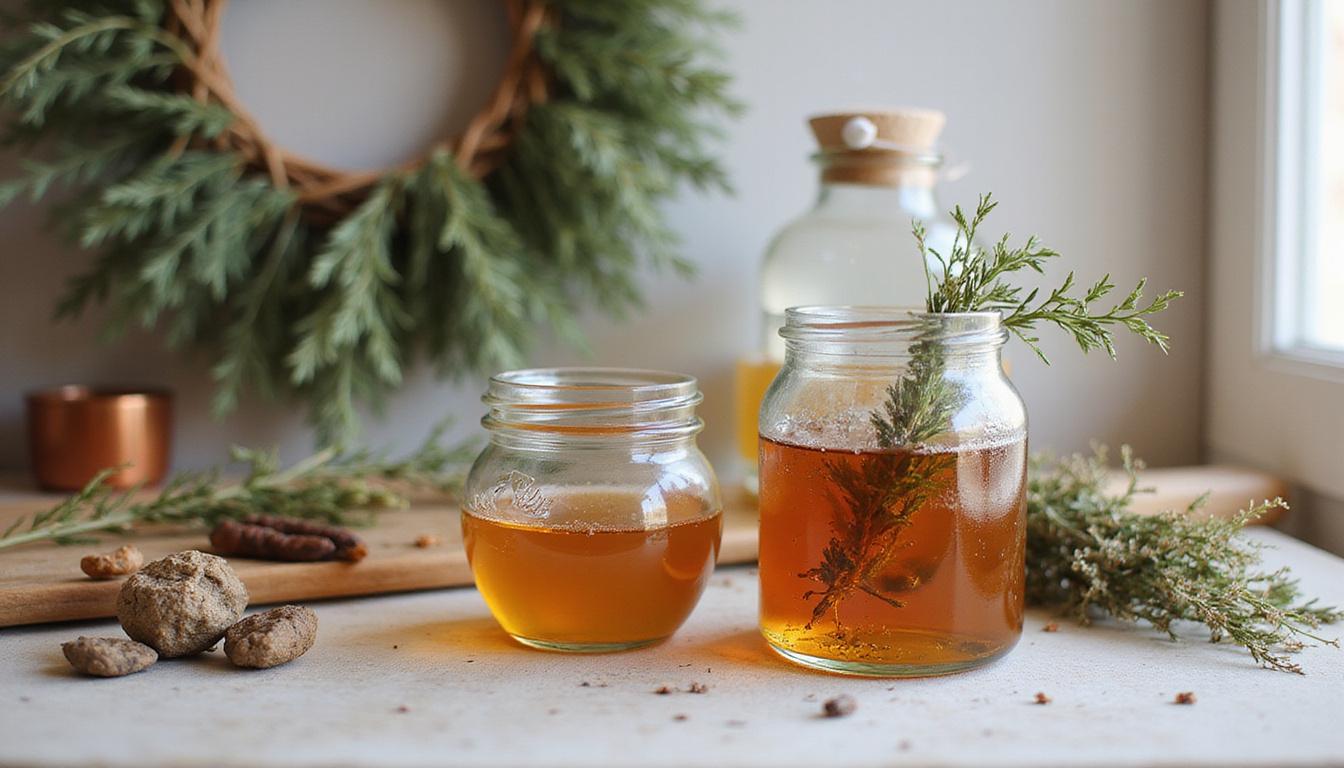
Home Uses: Fragrance, Decor, and Practical Benefits
While herbal use requires caution, home and craft uses of bayberry are far more straightforward and safe for most people.
Bayberry Candles
Historically, bayberry berries were boiled until their wax floated to the surface, then skimmed and purified. The resulting bayberry wax was:
- Clean-burning and long-lasting
- Lightly fragrant with a resinous, evergreen scent
- Considered special and reserved for holidays or important events
Traditional lore claims that burning a bayberry candle on Christmas Eve or New Year’s Eve brings good fortune if burned all the way down.
Today, pure bayberry wax candles are rarer and more expensive, but you can still find them—or make your own by blending bayberry wax with beeswax or soy wax.
Natural Fragrance and Potpourri
The foliage and twigs of bayberry hold their scent well when dried. Around the home, they can be used for:
- Evergreen wreaths and garlands
- Potpourri bowls mixed with other aromatic herbs
- Drawer or closet sachets (well-contained to avoid staining fabric)
Lightly crushing dried leaves releases more aroma. Always test for skin sensitivity before handling extensively.
Simple DIY Bayberry Projects
If you have access to a bayberry shrub (and permission to harvest), you can try:
- Evergreen arrangements – Combine bayberry sprigs with pine, cedar, or holly in vases (no need for floral foam; just water).
- Winter centerpieces – Use bare branches with berries in simple jars or bottles.
- Scented bundles – Tie small bunches of leaves and hang in mudrooms or near entryways.
These decorative uses capture bayberry’s clean, resinous fragrance without involving ingestion or intensive processing.
Environmental Benefits of Bayberry
Planting bayberry isn’t just good for you—it’s good for your local ecosystem.
Soil and Erosion Control
Because of its dense root system and tolerance for poor, sandy soils, bayberry is particularly useful for:
- Stabilizing slopes and banks
- Controlling erosion in coastal or windy sites
- Rehabilitating disturbed or infertile ground
Its nitrogen-fixing ability also improves soil quality over time, helping neighboring plants thrive.
Low-Input Landscaping
Bayberry is ideal for low-maintenance, sustainable landscapes:
- Needs little irrigation once established
- Rarely requires fertilizers
- Generally has few serious pests or diseases
- Handles wind, salt, and air pollution better than many ornamentals
For homeowners seeking to reduce water use and chemical inputs, bayberry is a smart choice.
Quick Pros and Cons of Bayberry
To decide whether bayberry belongs in your garden or home, weigh these points:
Pros
- Tough, drought- and salt-tolerant shrub
- Provides food and shelter for wildlife
- Attractive, aromatic foliage and berries
- Useful for natural crafts and candles
- Can improve poor soil over time
Cons
- Some species need male and female plants to set berries
- Can spread and become large if not pruned
- Herbal use requires caution and guidance
- Not ideal for very small, formal gardens
FAQs About Bayberry
1. What is bayberry used for traditionally?
Traditionally, bayberry has been used in herbal medicine as an astringent and warming tonic, particularly for supporting gums, digestion, and seasonal wellness. The berries were also processed to make bayberry candles, prized for their clean, long-lasting burn and subtle evergreen scent.
2. Are bayberry leaves and berries safe to use at home?
Bayberry leaves and berries are generally safe for decorative and aromatic uses—such as wreaths, potpourri, or natural arrangements—when not ingested. Internal herbal use of bayberry root bark or concentrated extracts should be done cautiously, under the guidance of a knowledgeable practitioner, especially if you are pregnant, nursing, or have health conditions.
3. How do you grow bayberry shrubs successfully?
To grow bayberry shrubs, plant them in full sun to light shade, in well-draining, preferably sandy or loamy soil. Water regularly during the first year, then only as needed. Prune lightly in late winter to maintain shape. For berries, ensure you have both male and female plants or plant several shrubs so cross-pollination can occur.
Bring Bayberry’s Benefits into Your Life
Bayberry is more than just another shrub—it’s a resilient, multi-purpose plant that can support wildlife, stabilize your soil, perfume your home, and connect you with centuries of herbal and homestead tradition. Whether you start by planting a few bayberry bushes near your driveway, crafting a winter centerpiece from fragrant branches, or exploring its cautious use in herbal form, this hardy native has a lot to offer.
If you’re ready to experience bayberry’s many benefits for yourself, choose a suitable spot in your garden, visit a reputable nursery for the right variety, and begin with small home projects like simple decorations or a bayberry candle. With just a few thoughtful steps, you can bring the timeless charm and practicality of bayberry into your everyday life.
Throughout history, many plants and herbs have been associated with luck, protection, and prosperity. To explore their deeper spiritual, psychological, and scientific significance, visit SpiritualMindScience.com.