If you’re looking to welcome more abundance, calm, and good vibes into your home, houseplants for luck are a beautiful place to start. Across cultures and traditions, certain plants are believed to draw in prosperity, nurture harmony, and clear away negative energy—and even if you’re a skeptic, there’s no denying that living greenery can improve mood, boost focus, and freshen the air in your space (source: NASA Clean Air Study).
Below you’ll find a practical, people-first guide to popular lucky houseplants, what they symbolize, and how to care for them so they actually thrive instead of withering on your windowsill.
Why people believe in “lucky” houseplants
The idea of houseplants for luck shows up in feng shui, Vastu Shastra, and folklore from around the world. While each tradition has its own rules, a few themes repeat:
- Round, lush leaves are associated with coins, wealth, and steady growth.
- Strong, upright stems symbolize resilience, ambition, and forward momentum.
- Soft, flowing foliage is linked to peace, healing, and emotional balance.
- Healthy, thriving plants are seen as a mirror for the energy in the home.
You don’t have to follow any system perfectly. Think of these plants as living symbols: they remind you to care for your space, be intentional with your goals, and make room—practically and emotionally—for good things to grow.
1. Money Tree (Pachira aquatica): classic prosperity magnet
If you’ve ever seen a braided-stem plant on a shop counter, you’ve probably met the Money Tree. In feng shui, it’s one of the most popular houseplants for luck and wealth.
Why it’s considered lucky
- Braided trunks are said to “lock in” fortune.
- Leaves grow in clusters of five, symbolizing the five elements (wood, fire, earth, metal, water) in balance.
- Often placed in offices, entryways, or the “wealth corner” of a room.
Care tips
- Light: Bright, indirect light; avoid harsh midday sun.
- Water: When the top 1–2 inches of soil are dry. Don’t let it sit in water.
- Placement tip: Near your home office, workspace, or where you handle finances to reinforce your intentions around money and career.
2. Jade Plant (Crassula ovata): the “money plant” of succulents
The Jade Plant is a thick-leaved succulent traditionally given as a housewarming or business-opening gift to wish prosperity and good fortune.
Why it’s considered lucky
- Plump, coin-shaped leaves symbolize savings and growing wealth.
- Evergreen nature represents longevity and stability.
- Said to encourage entrepreneurial success and steady income.
Care tips
- Light: Bright light; a sunny windowsill is ideal.
- Water: Infrequently—let soil dry completely between waterings.
- Placement tip: Near the front door or in the southeast area of your home (feng shui wealth area) to “welcome” abundance.
3. Lucky Bamboo (Dracaena sanderiana): harmony and good fortune
Despite its name, Lucky Bamboo isn’t a true bamboo, but it has a long-standing reputation in feng shui as one of the most accessible houseplants for luck.
Why it’s considered lucky
- Number of stalks is symbolic:
- 2 stalks: love and partnership
- 3 stalks: happiness, wealth, and long life
- 8 stalks: growth and prosperity
- Straight, vertical canes represent resilience and upward growth.
Care tips
- Light: Low to bright, indirect light; very versatile.
- Water: Keep roots in clean, chlorine-free water; change weekly or use filtered water.
- Placement tip: On a desk or in the living room to balance energy and invite smooth progress in projects.
4. Peace Lily (Spathiphyllum): calm, clarity, and emotional healing
As the name suggests, the Peace Lily is associated with serenity, protection, and a gentle, cleansing energy.
Why it’s considered lucky
- Elegant white “flowers” (actually bracts) are linked with purity and peace.
- Thought to absorb negativity and tension in the environment.
- Often recommended to create a tranquil, supportive atmosphere.
Care tips
- Light: Medium to low light; great for darker corners.
- Water: Keep soil lightly moist; it wilts to signal when it’s thirsty, then bounces back after watering.
- Placement tip: Bedrooms, meditation corners, or any space where you want more emotional peace.
5. Snake Plant (Sansevieria): protection and strong boundaries
The Snake Plant, also called Mother-in-Law’s Tongue, is one of the easiest houseplants for luck and energetic protection.
Why it’s considered lucky
- Upright, sword-like leaves symbolize strength and boundaries.
- In some traditions, believed to guard against envy, gossip, and negative energy.
- Known for being tough, adaptable, and long-lived—a symbol of resilience.
Care tips
- Light: Low to bright, indirect light; extremely forgiving.
- Water: Very sparingly; let soil dry completely and then some.
- Placement tip: Near entryways or doorways as a “guardian” plant.
6. Pothos (Epipremnum aureum): easy-going abundance and flow
Pothos, also known as Devil’s Ivy, is loved for its trailing vines and hardiness—perfect if you want houseplants for luck without much maintenance.
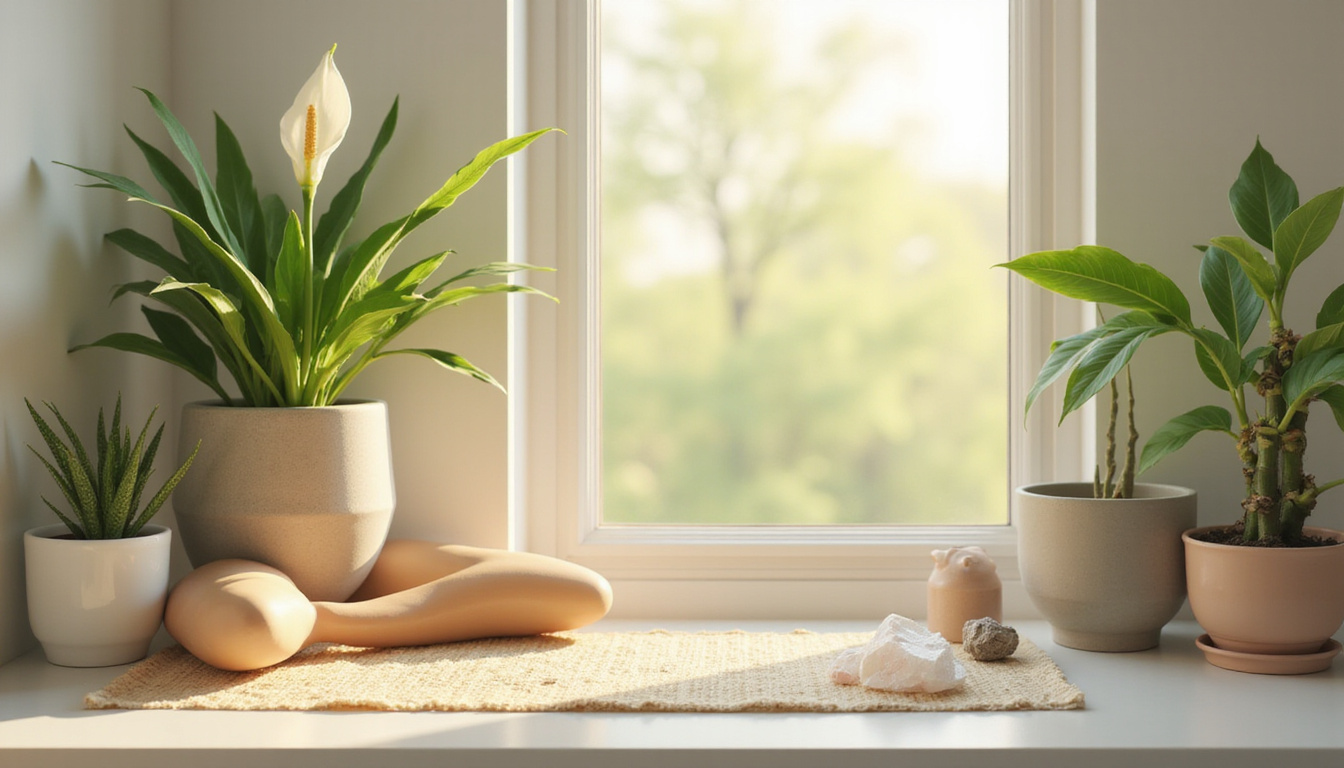
Why it’s considered lucky
- Trailing growth symbolizes money and opportunities “flowing” into your life.
- Variegated leaves bring visual movement and lightness to a room.
- Associated with vitality, adaptability, and clearing stagnation.
Care tips
- Light: Low to bright, indirect light; very adaptable.
- Water: When the top inch of soil is dry. It tolerates occasional neglect.
- Placement tip: High shelves or hanging planters in living areas to encourage positive energy circulation.
7. Rubber Plant (Ficus elastica): steady growth and grounded energy
The Rubber Plant makes a striking statement with its large, glossy leaves and tree-like form.
Why it’s considered lucky
- Large, rounded leaves evoke stability and “big” ambitions.
- Grows into a substantial indoor tree, symbolizing long-term growth.
- Dark, rich foliage is often associated with grounding and security.
Care tips
- Light: Bright, indirect light; avoid full, burning sun through glass.
- Water: When top 1–2 inches of soil are dry; doesn’t like soggy roots.
- Placement tip: Corners of living rooms or offices where you want a strong, calming presence.
8. Orchids: refined love, beauty, and spiritual growth
Orchids carry layered meanings: love, grace, luxury, and spiritual refinement, making them powerful symbolic houseplants for luck in relationships and self-development.
Why they’re considered lucky
- Long-lasting blooms symbolize enduring love and commitment.
- Exotic beauty tied to attraction, creativity, and inspiration.
- Some traditions link them to fertility and harmonious family life.
Care tips
- Light: Bright, indirect light; an east-facing window is ideal.
- Water: Typically once a week; let roots dry slightly first, then water thoroughly.
- Placement tip: Bedrooms or shared spaces to nurture connection and appreciation.
9. Basil, Rosemary & Mint: herbal luck for home and kitchen
Lucky plants aren’t limited to ornamentals. Culinary herbs can be powerful houseplants for luck, especially around health, creativity, and daily abundance.
Why herbs are considered lucky
- Basil: In some cultures, associated with prosperity, protection, and blessings.
- Rosemary: Linked to memory, clarity, and warding off negativity.
- Mint: Symbolizes fresh starts, cleansing, and attracting small everyday blessings.
Care tips
- Light: 4–6 hours of bright light or supplemental grow lights.
- Water: Keep soil evenly moist but not waterlogged; herbs dry out faster in small pots.
- Placement tip: On a kitchen windowsill to “season” your home life with prosperity and well-being.
Simple ways to maximize the “luck” of your houseplants
You don’t need to be an expert in feng shui or metaphysics to use houseplants for luck thoughtfully. A few practical habits go a long way:
-
Choose plants that match your lifestyle
If you travel or forget to water, pick tough plants (snake plant, pothos, jade) rather than high-maintenance ones. -
Keep them genuinely healthy
A struggling plant can feel discouraging; prioritize light, proper watering, drainage, and occasional feeding. -
Be intentional with placement
- Entryway: welcoming wealth and good experiences
- Desk or home office: career, focus, and opportunity
- Bedroom: peace, rest, and relationships
- Living room: social harmony and overall energy
-
Declutter around them
Plants can’t “fix” chaos. Clear surfaces and clutter so your space feels open to new things. -
Set a small ritual
When you water or prune, quietly affirm what you’re inviting in (prosperity, calm, healing). This links caretaking with your goals.
Quick-reference list: beginner-friendly lucky houseplants
If you’re just starting, these options balance symbolic meaning with easy care:
- Snake Plant – protection, resilience, low light tolerant
- Pothos – flow of abundance, forgiving care
- Money Tree – classic prosperity symbol, bright indirect light
- Jade Plant – wealth and savings, drought tolerant
- Peace Lily – peace and purification, handles low light
Start with one or two instead of filling your whole home at once; you can always add more as your confidence grows.
FAQ about lucky indoor plants
1. What are the best indoor plants for positive energy?
Many people choose Peace Lily, Snake Plant, Pothos, and Money Tree as indoor plants for positive energy. These are often described as purifying, calming, or uplifting, and they’re relatively easy to care for, which helps keep your space looking and feeling vibrant.
2. Which houseplants attract money and wealth?
Popular houseplants that attract money include the Money Tree, Jade Plant, Lucky Bamboo, and Pothos. Traditions like feng shui often recommend placing them in the southeast area of your home or near the entrance or workspace to symbolize financial growth and opportunity.
3. How do I arrange houseplants for good luck in my home?
To use lucky indoor plants effectively, focus on three zones:
- Entryway: a healthy plant to “welcome” good fortune.
- Workspace: a Money Tree, Jade, or Lucky Bamboo to support focus and prosperity.
- Rest areas (bedroom, reading nook): Peace Lily or Snake Plant for calm and protection.
Always pair arrangement with good care—healthy plants are considered the strongest good-luck symbols.
Surround your life with living reminders of what you’re growing
Ultimately, houseplants for luck are about more than superstition. They’re living companions that make your air cleaner, your rooms softer, and your routine more mindful. Every time you water, repot, or trim a leaf, you’re practicing care, patience, and intention—the same qualities that quietly attract real-world prosperity, peace, and positive energy.
If you’re ready to shift the energy in your space, choose one or two of the plants above and bring them home this week. Start small, care for them consistently, and watch how tending to a bit of green reshapes not just your room, but your mood, mindset, and sense of what’s possible.
Throughout history, many plants and herbs have been associated with luck, protection, and prosperity. To explore their deeper spiritual, psychological, and scientific significance, visit SpiritualMindScience.com.