Animal imagery is one of the oldest and most powerful tools in human communication—and one of the most underused in modern content. From ancient cave paintings to brand mascots and viral memes, we instinctively respond to animals as symbols. When you harness animal imagery with intention, your writing, branding, and storytelling become more memorable, emotionally resonant, and persuasive.
This guide walks you through what animal imagery is, why it works so well, and how to use it strategically to transform your content.
What Is Animal Imagery?
Animal imagery is the use of animals—real or imagined—as symbols, metaphors, or visual motifs to communicate ideas, emotions, and values.
You see it everywhere:
- A lion to represent courage or leadership
- An owl symbolizing wisdom
- A fox suggesting cleverness or cunning
- A dove standing for peace or hope
In content and marketing, animal imagery can show up as:
- Descriptive language (“He moved like a wolf in the shadows.”)
- Visual design (logos, icons, illustrations, photography)
- Storytelling (brand mascots, character archetypes, narratives)
- Conceptual framing (“busy bees,” “black sheep,” “top dog”)
Because these associations are deeply rooted in culture and psychology, they let you communicate complex ideas quickly and memorably.
Why Animal Imagery Works So Well on Human Brains
The power of animal imagery isn’t accidental. It’s grounded in how we’re wired.
1. Hardwired attention to animals
From an evolutionary standpoint, noticing animals meant survival: predator, prey, or partner. Research in cognitive psychology and evolutionary biology shows we’re especially attuned to animals in our visual field (source: National Institutes of Health).
In content terms: an image or metaphor involving an animal is more likely to catch and hold attention than an abstract symbol.
2. Instant emotional associations
Animals carry immediate emotional “shortcuts”:
- Wolves: danger, loyalty, pack
- Horses: freedom, strength, journey
- Butterflies: transformation, delicacy
- Snakes: danger, transformation, betrayal
You don’t have to explain these meanings; your audience feels them. That emotional charge makes your message stickier and more persuasive.
3. Universal yet adaptable symbolism
Animal symbolism is:
- Widespread: Almost every culture uses it.
- Flexible: Meanings can shift from culture to culture or brand to brand.
- Layered: One animal can carry several nuanced meanings at once.
This makes animal imagery a versatile tool whether you’re writing fiction, designing a brand, or crafting a marketing campaign.
Types of Animal Imagery You Can Use in Content
Not all animal imagery looks the same. Understanding the main types helps you choose the right tool for your message.
1. Metaphors and similes
These are direct comparisons:
- “He was a lone wolf in the industry.”
- “They moved like a swarm of bees, efficient and coordinated.”
- “Her ideas spread like a flock of birds taking flight.”
Use this type of animal imagery to:
- Make abstract concepts concrete
- Add emotional color to flat descriptions
- Create vivid mental pictures
2. Symbolic characters and mascots
A mascot is essentially recurring animal imagery in character form:
- Geico gecko (approachable, quirky, memorable)
- Twitter bird (communication, speed, global reach)
- Lacoste crocodile (sporty, bold, distinctive)
Symbolic animal characters can:
- Personify your brand values
- Make complex products more relatable
- Create continuity across campaigns
3. Visual motifs and design elements
Even subtle visual animal imagery—patterns, icons, silhouettes—can add layers of meaning:
- A feather motif for lightness, freedom, or elegance
- Antlers in design for wilderness, strength, or heritage
- Whale imagery for depth, calm, or scale
These work well in:
- Websites and UI
- Packaging
- Social media graphics
- Book covers and album art
4. Narrative and archetypes
Full stories built around animal archetypes are powerful:
- The underdog who rises
- The black sheep who changes the system
- The wise owl guiding the hero
This narrative form of animal imagery is especially effective in:
- Brand storytelling
- Case studies
- Speeches and presentations
- Long-form content
Choosing the Right Animal for Your Message
Not every animal fits every story. Matching symbol to strategy is crucial.
Align with your core values
Start with the qualities you want to emphasize:
- Strength, leadership → Lion, eagle, wolf
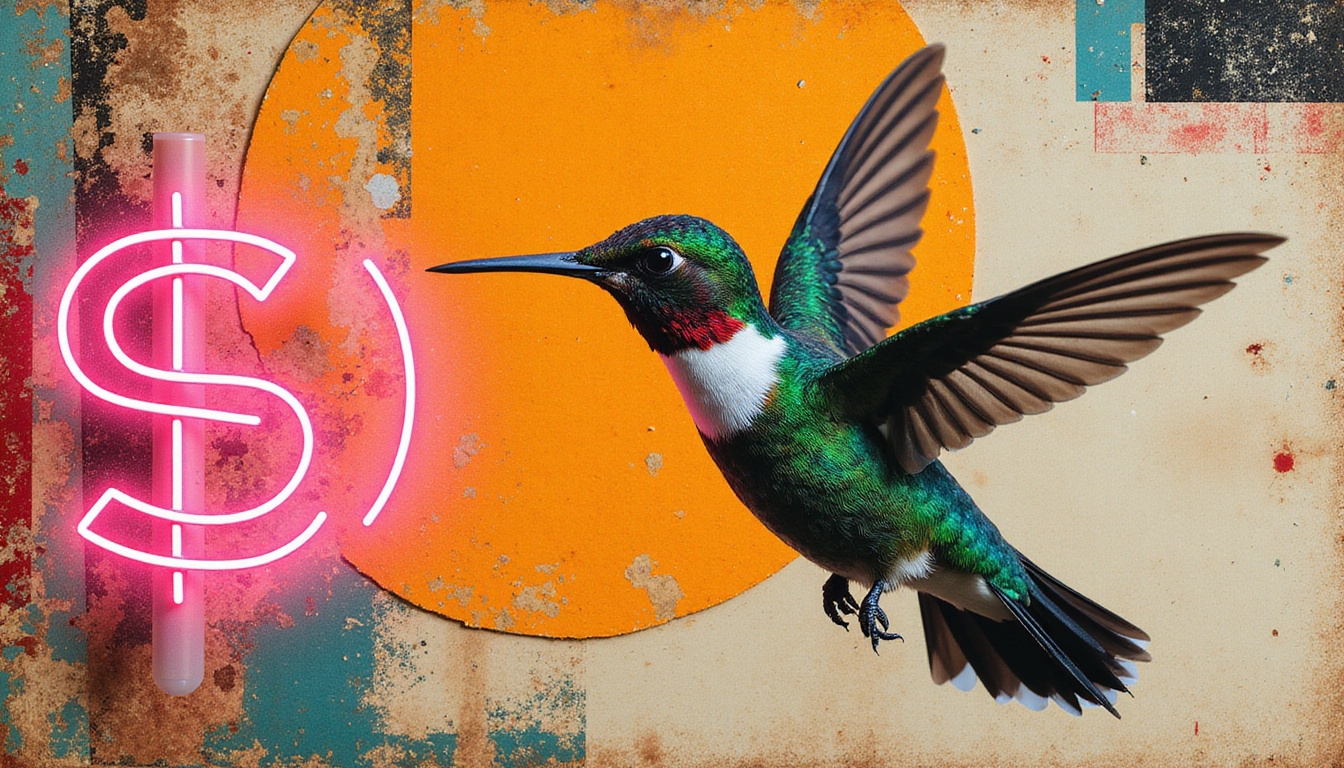
- Agility, speed → Cheetah, hummingbird, falcon
- Transformation, growth → Butterfly, snake, phoenix (mythic)
- Community, collaboration → Bees, ants, dolphins, wolves
- Stability, reliability → Elephant, tortoise, ox
Then ask:
- Does this animal naturally embody the traits I want to highlight?
- Does it resonate with my audience’s culture and context?
- Has a competitor already used it heavily?
Consider cultural and contextual differences
Animal imagery is not one-size-fits-all. For example:
- Owls: wisdom in Western culture; omens in some other cultures
- Dogs: loyalty in many places; unclean in some religious contexts
- Pigs: abundance and luck in some traditions; taboo in others
When creating global content, research how your chosen animal is perceived in key markets before committing.
Avoid worn-out clichés
Some animal images are so overused they’ve lost impact:
- “Busy as a bee”
- “Lone wolf”
- “Lion-hearted”
You can still use these, but consider:
- Twisting them: “Not a lone wolf—more like the wolf who built the pack.”
- Choosing less common animals: octopus (multi-tasking, intelligence), crow (strategy, resourcefulness).
Practical Ways to Use Animal Imagery Across Content Types
You don’t have to rebrand everything around an animal to benefit. Here’s how to integrate animal imagery in subtle but effective ways.
1. In copy and storytelling
Use animal imagery to:
- Clarify abstract ideas
- Add emotion and memorability
- Create concise, powerful comparisons
Examples:
- SaaS product: “Think of it as the border collie of your tech stack—relentlessly organized and always herding your data into the right place.”
- Leadership article: “A great leader knows when to be the lion at the front and when to be the goose in formation, taking turns facing the wind.”
2. In branding and visual identity
Consider how animal imagery can:
- Anchor your logo or icon
- Provide a recurring motif in illustrations
- Shape your brand’s “personality”
For instance:
- A cybersecurity firm may use a falcon: vigilance, sharp vision, speed.
- A wellness brand might feature whales: calm, depth, connection to nature.
- A creative agency might embrace chameleons: adaptability, creativity, change.
3. In content marketing and campaigns
Possible applications:
- A recurring animal “guide” for a blog series
- Animal-themed campaign names (“The Falcon Framework” for speed optimization)
- Seasonal campaigns tied to specific creatures (migration, hibernation, metamorphosis)
By threading animal imagery through a campaign, you create continuity and make the message easier to recall.
Best Practices for Effective, Ethical Animal Imagery
Powerful symbolism comes with responsibility. Use animal imagery thoughtfully.
1. Be intentional, not random
Ask before including any animal reference:
- What specific idea or emotion is this supposed to convey?
- Does this animal clearly communicate that to my audience?
- Is it improving clarity or just decorating the text?
If an analogy doesn’t sharpen your point, cut it.
2. Respect real animals and ecosystems
While animal imagery is symbolic, it influences how people view real animals and nature.
- Avoid glorifying cruelty (e.g., blood sport metaphors) unless critically examined.
- Be cautious with fear-based predator imagery in sensitive contexts.
- Consider pairing powerful animal imagery with subtle nods to conservation or respect.
This not only avoids ethical pitfalls but can add depth and integrity to your brand.
3. Keep it inclusive
Some animal metaphors can unintentionally reinforce stereotypes or insult groups of people (e.g., calling people “sheep,” “pigs,” or “rats” as shorthand for negative traits).
Safer alternatives:
- Focus on aspirational qualities: courage, adaptation, cooperation.
- Avoid animal comparisons that reduce people to negative caricatures.
A Simple Framework for Adding Animal Imagery to Your Content
Use this quick process when you want to enhance a piece with strong visual symbolism:
-
Define the core message
What single idea or emotion must the audience take away? (e.g., “rapid transformation,” “quiet reliability”) -
List relevant traits
Identify 3–5 qualities: fast, agile, precise; or calm, enduring, protective. -
Match traits to animals
Brainstorm animals that naturally align. Don’t edit yet—just list. -
Check cultural and brand fit
Remove animals that clash with your audience, industry, or existing brand. -
Choose your role for the animal
Will it be:- A one-line metaphor?
- A recurring visual?
- A full mascot or character?
-
Test for clarity and resonance
Share with a few people in your target audience. Ask what the animal makes them feel and think. Adjust if their associations don’t match your goal.
Common Mistakes to Avoid with Animal Imagery
To keep your symbolism sharp and effective, watch out for these pitfalls.
-
Overloading your content
Too many animals in one piece dilutes meaning. Stick to one central animal image, or a small, coherent set. -
Forcing the metaphor
If you’re bending over backwards to justify why your B2B software is “like a tiger,” it’s probably not the right choice. The best animal imagery feels obvious in hindsight. -
Ignoring audience sensitivity
For certain audiences, some animals may be sacred, taboo, or strongly associated with trauma or prejudice. Do your research. -
Being inconsistent
If you anchor your brand in eagle symbolism, but your tone is timid and your visuals are soft and pastel, the disconnect will be felt. Align voice, visuals, and behavior with your chosen animal imagery.
FAQ About Animal Imagery in Content and Storytelling
1. How can I use animal imagery in literature or fiction without being cliché?
Focus on depth, not just surface traits. Instead of “the lion is brave,” explore unexpected angles: a lion past his prime, a wolf who questions the pack, a crow who chooses empathy over cunning. Subverting typical animal imagery creates freshness and complexity.
2. What is symbolic animal imagery in branding, and why is it effective?
Symbolic animal imagery in branding uses an animal (or part of one—wing, feather, claw) to represent the brand’s values and promise. It’s effective because people remember concrete symbols better than abstract concepts, and animals come with rich built-in associations you can leverage.
3. Are there cultural differences in animal symbolism I should know before using animal-themed imagery?
Yes. The same animal can carry opposite meanings in different cultures. Before you commit to a core animal symbol, research how it’s perceived in your major markets and among your key audience segments. When in doubt, test: share the imagery and ask people what it communicates to them.
Bring Your Ideas to Life with Strategic Animal Imagery
When you embed thoughtful animal imagery into your writing, branding, or campaigns, you tap into something primal and universal. Your content becomes more:
- Visually vivid
- Emotionally compelling
- Easy to understand and remember
Instead of another generic message lost in the noise, your work stands out—like a bright cardinal in a winter forest.
If you’re ready to sharpen your storytelling, clarify your brand, or refresh your content strategy, start experimenting with the animals that best express who you are and what you stand for. Choose your symbols carefully, align them with your values, and let that magnetic visual symbolism carry your message further than words alone ever could.
Animals have inspired symbols and beliefs across cultures for centuries. Discover how these traditions connect with psychology, spirituality, and human consciousness at SpiritualMindScience.com.