Puja Thali Guide: Create Stunning Decor and Ritual Setups
A beautifully arranged puja thali does more than just hold ritual items—it sets the tone for your entire prayer or festive celebration. Whether you’re preparing for Diwali, Navratri, Raksha Bandhan, Karva Chauth, a daily aarti, or a special family ceremony, the right thali can blend spiritual meaning with aesthetic charm. This guide will walk you through everything you need to know: from choosing the right plate and essentials, to decorating it in a way that feels both beautiful and deeply personal.
What Is a Puja Thali and Why It Matters
A puja thali is a dedicated plate or tray on which you arrange all the items required for a Hindu ritual or aarti. It serves three key purposes:
- Organization: Keeps all essentials in one place during the ritual.
- Symbolism: Represents the offering of your devotion and gratitude.
- Aesthetics: Enhances the spiritual and festive atmosphere.
Traditionally, a puja thali is made of metal like brass, copper, silver, or steel. In modern homes, you’ll also see beautifully decorated wooden, glass, or even disposable eco-friendly plates. What matters most is the intention and care you put into arranging it.
Choosing the Right Puja Thali: Materials & Sizes
Your choice of thali influences both practicality and symbolism. Here’s a quick overview of common options:
Brass Puja Thali
- Pros: Traditional, durable, holds auspicious significance in many households.
- Best for: Daily puja, temple-style setups, traditional homes.
- Care: Regular cleaning with lemon and salt or brass polish to prevent tarnish.
Silver Puja Thali
- Pros: Considered highly auspicious, often used for special ceremonies and festivals.
- Best for: Weddings, naming ceremonies, Diwali, or as a family heirloom.
- Care: Clean with silver polish or gentle DIY paste (baking soda and water).
Copper Puja Thali
- Pros: Revered in Vedic rituals, believed to have purifying properties (source: National Institutes of Health on copper’s antimicrobial qualities).
- Best for: Rituals involving water or panchamrit, more traditional families.
- Care: Clean with tamarind, lemon, or special copper cleaner.
Stainless Steel or Melamine Thali
- Pros: Affordable, easy to maintain, sturdy—great for everyday use.
- Best for: Busy households, families with kids, rental spaces.
- Care: Simple dishwashing, minimal tarnish issues.
Glass, Wooden, or Decorative Thali
- Pros: Visually striking, customizable; great for gifting and festive décor.
- Best for: Rakhi thali, Karva Chauth, Diwali decor, themed home altars.
- Care: Handle gently; keep away from open flames and excess oil.
Size Tip:
- Small (6–8 inches): Ideal for simple daily aarti.
- Medium (9–11 inches): Flexible for most pujas and festivals.
- Large (12+ inches): For elaborate rituals, combined offerings, or family ceremonies.
Essential Items to Place on a Puja Thali
The items you use can vary by region and tradition, but most puja thalis include these core elements:
-
Diya (Oil Lamp)
- Usually filled with ghee or oil and cotton wicks.
- Symbolizes removal of darkness and ignorance.
-
Agarbatti / Dhoop (Incense)
- For fragrance and purification of the environment.
- Often placed in a small incense holder.
-
Kumkum (Vermilion) & Haldi (Turmeric)
- Used for tilak on deities and participants.
- Often kept in small bowls attached or placed on the thali.
-
Rice (Akshata)
- Colored or plain rice used in rituals and blessings.
- Represents abundance and prosperity.
-
Flowers and Petals
- Marigold, rose, jasmine, or seasonal blooms.
- Offer fragrance, color, and devotion.
-
Kalash or Small Water Container
- For sprinkling or offering water during the ritual.
- May be a miniature kalash, especially in a compact puja thali.
-
Prasad (Offerings)
- Sweets, fruits, dry fruits, or homemade delicacies.
- Served later to participants as blessings.
-
Bell (Ghanti)
- Rung at the start or during aarti to invoke divine presence.
-
Small Cloth or Napkin
- To keep hands clean and wipe any spills.
How to Arrange a Puja Thali: Step-by-Step
A well-arranged puja thali is both practical and visually balanced. Here’s a simple method:
-
Start with the Centerpiece
- Place the diya in the center or slightly towards the front.
- Ensure it’s stable and away from easily flammable decor.
-
Add the Tilak Elements
- Keep kumkum, haldi, and rice in small katoris (bowls) around the diya.
- Place them symmetrically for a neat look.
-
Position Incense and Dhoop
- Keep the incense holder at the back or side where smoke won’t go directly into anyone’s face.
- Leave space so sticks don’t fall over onto other items.
-
Place Flowers and Petals
- Line the outer rim of the thali with flower petals.
- Add a small flower near the diya or in front of your preferred deity photo/idol.
-
Arrange Prasad
- Place sweets or fruits at the front or in a small bowl so they don’t roll around.
- Cover lightly with a clean cloth until it’s time to offer.
-
Include Bell and Other Accessories
- Keep the bell where you can easily pick it up.
- Add matchbox, camphor, or extra wicks on the side if you use them.
Practical Tip:
Before lighting the diya, gently lift the puja thali and check balance. You should be able to carry it without items sliding or tipping.
Decorating Your Puja Thali: Creative Ideas
A decorative puja thali instantly uplifts your altar and festive photos. You can go as simple or elaborate as you like.
1. Traditional Decorative Styles
-
Rangoli Outline:
Draw a small rangoli border on the plate with acrylic colors (for a permanent design) or colored rice/haldi/kumkum (for temporary designs). -
Mirror and Bead Work:
Use craft mirrors, beads, stones, and sequins to make floral or geometric designs with fabric glue. -
Lace and Gota Borders:
Stick lace, gota patti, or zari borders along the rim of your thali for an instant festive look.
2. Minimal and Modern Styles
-
Metallic Shine:
Use a plain brass or copper puja thali, polished well. Add just a ring of white flowers or eucalyptus leaves for an elegant, minimalist vibe. -
Monochrome Theme:
Choose one color family—like all white (jasmine, white candles, simple steel thali) or all red and gold (marigold, kumkum, red thread). -
Glass or Mirror Plate:
A glass thali with sleek tea-light candles and fresh petals can look very contemporary while still being reverent.
3. Festive-Themed Thalis
-
Diwali Puja Thali:
Focus on diyas, glitter, and bright colors. Add tiny lantern or diya motifs using stickers or paint. -
Raksha Bandhan Thali:
Highlight the rakhi, roli-chawal containers, and sweets. Decorate with brother–sister themed charms or little hearts. -
Karva Chauth Thali:
Coordinate your thali with your outfit color. Add a small decorated sieve and glass for water, with intricate henna-style designs around the rim.
Eco-Friendly Puja Thali Options
Sustainable choices can coexist beautifully with tradition:
- Use reusable metal thalis instead of plastic or thermocol.
- Decorate with fresh flowers, leaves, and natural colors (turmeric, kumkum, sindoor) instead of synthetic glitter.
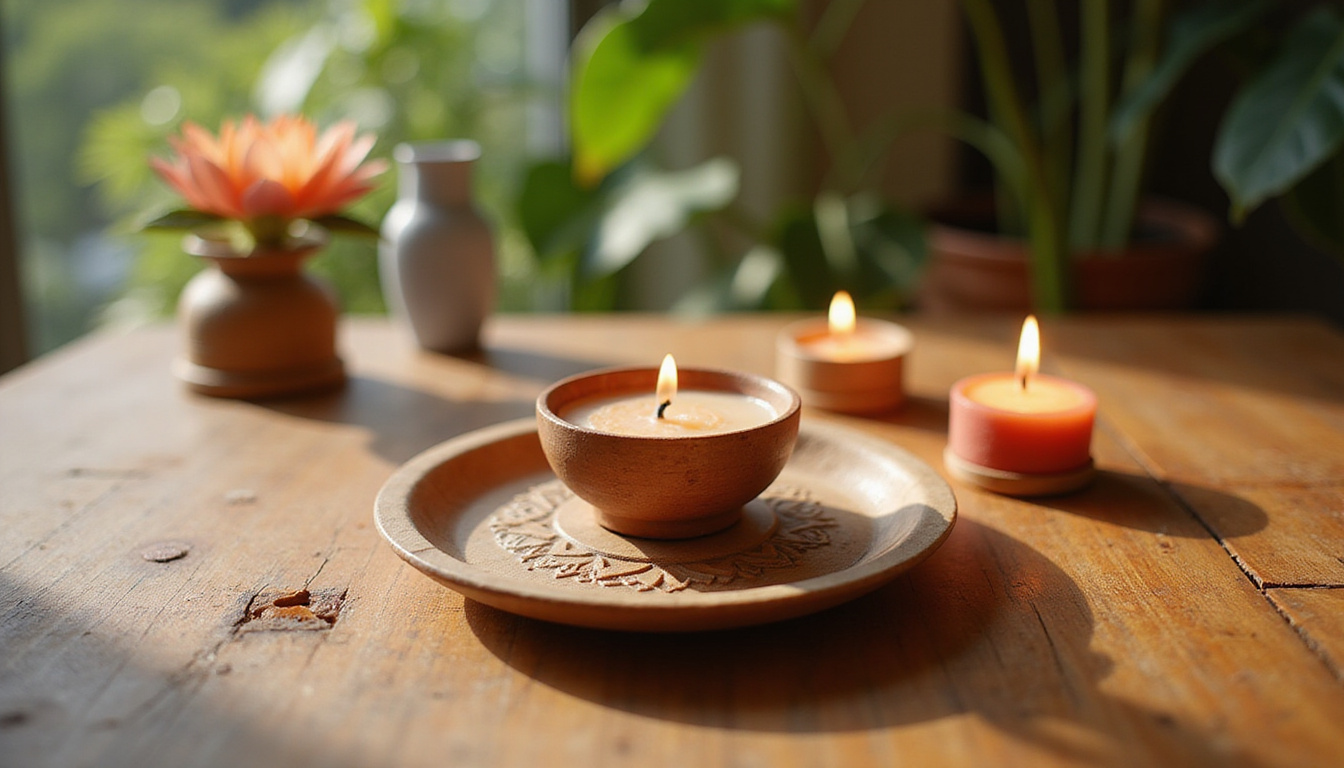
- Opt for earthen diyas instead of plastic or battery-operated ones, whenever fire safety allows.
- For large gatherings, choose areca leaf or palm leaf plates as temporary puja thalis.
This approach reduces waste and aligns rituals more closely with respect for nature, a core spiritual value in many traditions.
Safety and Cleanliness Tips for Your Puja Thali
Because a puja thali often combines fire, oil, and food, a few precautions go a long way:
-
Fire Safety:
- Keep wicks trimmed, and don’t overload diyas with oil.
- Avoid placing decorative paper or fabric too close to the flame.
- Never leave a lit thali unattended, especially around children or pets.
-
Hygiene with Prasad:
- Use a clean thali; wash and dry it thoroughly before placing food.
- Cover prasad when not in use, especially outdoors.
-
Post-Puja Care:
- Dispose of used flowers and incense ash respectfully (many people place them under trees or in compost).
- Clean wax or oil stains promptly to maintain shine and hygiene.
Using a Puja Thali for Different Occasions
The same basic puja thali can be adapted for multiple rituals with slight changes:
-
Daily Aarti:
- Keep it simple: diya, incense, kumkum, and a bell.
- Store it near the altar for quick use morning and evening.
-
Festivals (Diwali, Navratri, Janmashtami):
- Add extra diyas, more flowers, and a variety of prasad.
- Use a larger, more decorative thali.
-
Weddings and Housewarmings:
- Include rice, coconut, betel leaves, and coins as symbols of prosperity.
- Often a silver or meticulously decorated puja thali is used.
-
Rakhi and Bhai Dooj:
- Focus on roli-chawal, rakhi, sweets, and a small diya.
- Personalize with your sibling’s favorite colors or motifs.
Quick Checklist: What to Include on a Puja Thali
Use this simple checklist before your next ritual:
- [ ] Clean puja thali (metal, glass, or decorated plate)
- [ ] Diya with oil/ghee and wicks
- [ ] Incense sticks/dhoop and holder
- [ ] Kumkum, haldi, and rice (akshata)
- [ ] Fresh flowers or petals
- [ ] Prasad (sweet or fruit)
- [ ] Small water container or kalash
- [ ] Bell (ghanti)
- [ ] Matchbox or lighter
- [ ] Cloth/napkin
FAQs About Puja Thalis
1. Which metal is best for a puja thali set?
Many people prefer brass or copper puja thali sets for daily rituals because they’re traditional and durable. Silver is often chosen for special occasions as it’s considered highly auspicious. Ultimately, the “best” metal is the one you can maintain easily and use with reverence.
2. How do I decorate a puja thali for Diwali?
For a Diwali puja thali decoration, start with a polished metal or colorful plate. Add multiple diyas, marigold petals, rangoli designs on the surface, and small katoris for kumkum and haldi. Incorporate tiny bells, mirror work, or diya-shaped stickers along the rim to reflect the festival of lights.
3. Can I use a normal plate as a pooja thali?
Yes, you can use a regular plate as a pooja thali if you don’t have a dedicated one. Just ensure it’s clean, spacious enough for your items, and reserved for sacred use whenever possible. Adding a simple border of flowers or a cloth underlay can instantly make it feel more special.
A thoughtfully arranged puja thali transforms a simple ritual into a meaningful experience. The shapes, colors, scents, and light you bring together become an outward expression of your inner devotion. You don’t need expensive materials—just attention, creativity, and sincerity.
If you’re ready to elevate your next ceremony, start by choosing one thali you’ll dedicate to your spiritual practice. Gather the essentials, add a personal decorative touch, and make it a cherished part of your home altar. Over time, that puja thali will hold not just ritual items, but memories, blessings, and a sense of peace that you—and your loved ones—return to again and again.
Sacred objects often carry deep cultural and spiritual meaning. Learn how these symbols relate to history, spirituality, and the human mind by exploring more articles at SpiritualMindScience.com.