Religious relics have fascinated believers and skeptics alike for centuries. From fragments of the True Cross to the bones of ancient saints, these sacred artifacts sit at the crossroads of faith, history, and human psychology. They inspire devotion, stir controversy, fuel pilgrimages, and sometimes hide surprising secrets and scandals behind their glass cases and golden reliquaries.
In this article, we’ll explore what religious relics are, why they matter so much, how they’ve been abused or faked, and the enduring power they have in shaping communities and cultures.
What Are Religious Relics?
In most major religions, religious relics are physical objects connected to a holy person, event, or place. They are believed to carry spiritual significance, making the divine feel tangible.
In Christian tradition, relics are often divided into three categories:
- First-class relics – Physical remains of a saint or holy person: bones, hair, blood, or even incorrupt bodies.
- Second-class relics – Items that belonged to or were used by the holy person: clothing, rosaries, tools.
- Third-class relics – Objects that have touched a first-class relic or a shrine, believed to share a measure of its holiness.
Other religions hold similar concepts:
- In Buddhism, relics of the Buddha and enlightened teachers—such as teeth or bone fragments—are enshrined in stupas.
- In Islam, relics such as hairs of the Prophet Muhammad or his cloak are preserved in a few historic sites, though mainstream Islamic theology is generally cautious about relic veneration.
- In Hinduism, sacred objects can include items associated with gurus, deities’ images, or physical remains of saints.
Despite theological differences, the pattern is the same: a longing to touch history and the sacred through physical things.
Why Religious Relics Hold Such Power
The influence of religious relics is not just about superstition or legend. These objects satisfy deep human needs that transcend culture and era.
A Tangible Connection to the Sacred
Abstract beliefs can feel distant; relics make them physical. Seeing or touching a relic can:
- Make a spiritual figure feel more “real”
- Bridge the gap between past and present
- Offer comfort in suffering through a symbol of God’s closeness
Believers often report a heightened sense of presence, awe, or peace near revered artifacts.
Identity, Memory, and Community
Relics often become anchors of collective identity:
- A town might be known for the relic it houses.
- National shrines with famous relics become focal points of patriotism as well as faith.
- Families pass down small relics or devotional objects as heirlooms, weaving faith into their story.
In this way, religious relics function as both spiritual and social glue.
Miracles and Pilgrimages
Throughout history, many relics have been associated with reported miracles: healings, protections from disasters, or answered prayers. Whether scientifically verifiable or not, these stories:
- Attract pilgrims from across regions or nations
- Shape local economies (inns, markets, guides)
- Reinforce the perceived power of the relic and the beliefs around it
The medieval pilgrimage routes to sites like Santiago de Compostela or Rome were built, in large part, around relics said to house extraordinary power.
Secrets Hidden in Sacred Artifacts
Behind the polished surfaces of reliquaries lie forgotten stories, forensic puzzles, and, sometimes, quiet deceptions.
Hidden Origins and Mysterious Journeys
Many religious relics have traveled vast distances across centuries of war, trade, and conquest. Over time, their paper trails faded:
- Documentation was lost in fires or invasions.
- Oral traditions replaced written records.
- New legends grew to fill gaps in the history.
Modern historians and scientists have started to piece together these journeys using methods like:
- Carbon dating of organic materials
- DNA analysis of bones and hair
- Provenance research in old archives
In some cases, findings support traditional claims; in others, they reveal later additions or misattributions.
Science Meets Devotion
A classic example is the investigation of the Shroud of Turin, believed by many to be the burial cloth of Jesus. Carbon dating tests in 1988 suggested a medieval origin, but the results are still debated, with arguments about sample contamination and testing methods (source: British Museum).
Similar scientific scrutiny has been applied to:
- Bones attributed to early martyrs
- Relics of the Buddha
- Alleged remains of biblical figures
Even when science questions authenticity, communities often continue venerating relics—not because of their proven age, but because of the spiritual meaning they’ve accumulated.
Scandals, Forgeries, and the Relic Trade
Where there is devotion, there is often opportunity for exploitation. Religious relics have been at the center of scandals for over a thousand years.
The Medieval Relic Boom
By the Middle Ages, Europe was flooded with relics. Chroniclers joked that:
- There were enough fragments of the True Cross to build a ship.
- Multiple churches claimed the same saint’s head or arm.
- Several cities held what they all called “the” Holy Foreskin of Jesus.
Some of these were sincere mistakes; others were intentional forgeries meant to draw pilgrims—and their money.
To protect believers, church authorities attempted to regulate the trade, requiring documentation and condemning obvious fakes. Nonetheless, a thriving black market persisted.
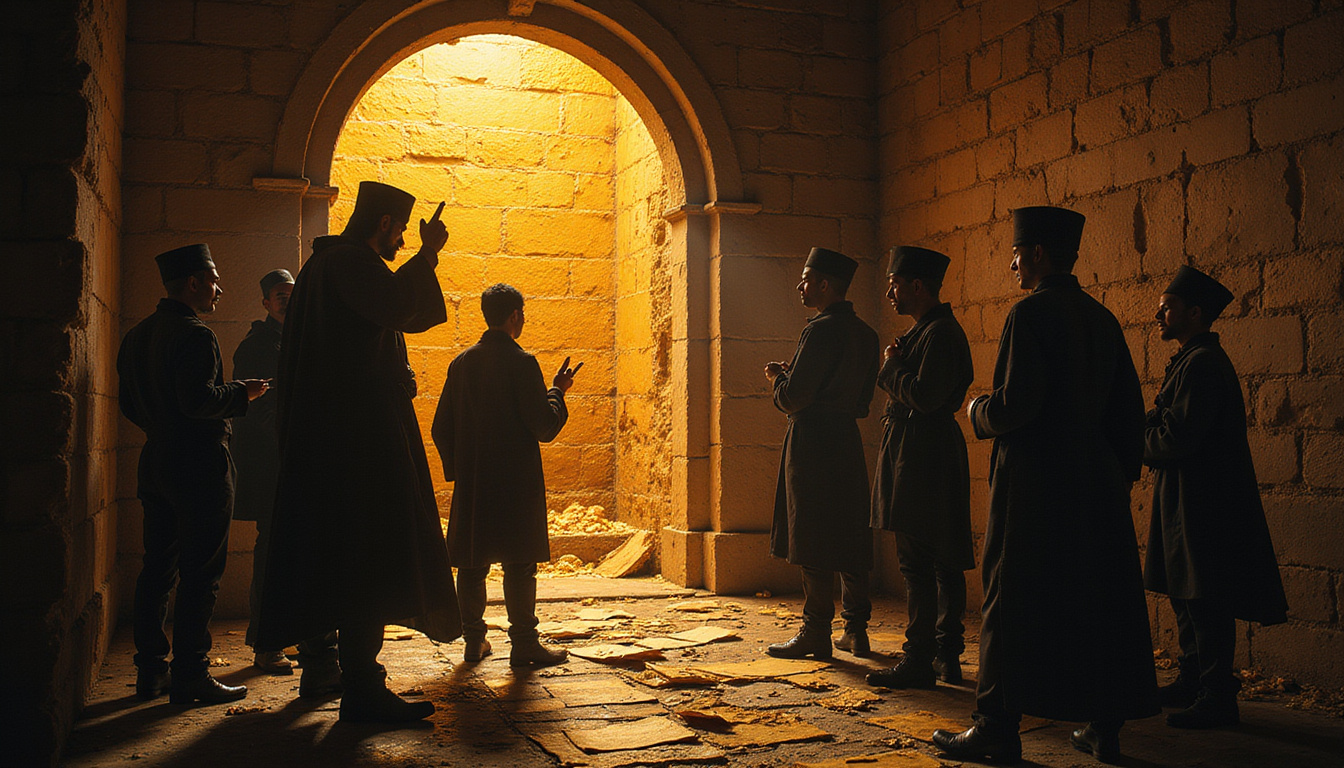
Relics for Sale: A Profitable Piety
The buying and selling of religious relics has taken many forms:
- Merchants hawking tiny bone splinters as saintly remains.
- Wealthy nobles buying prestigious relics to elevate their chapels.
- “Relic hunters” looting graves or ancient monasteries during wars.
Officially, the Catholic Church forbids the sale of relics (they can be gifted or transferred, but not commodified). Yet online marketplaces and private dealings make enforcement difficult.
Modern Exposés and Scandals
In recent decades, journalists and scholars have uncovered:
- Mass-produced “relics” of modern saints sold to unsuspecting buyers.
- Fabricated documentation used to pass off ordinary bones as ancient martyrs.
- Mislabeling of relics in older churches, where custodians had no idea of dubious origins.
Such scandals can shake trust, but they’ve also prompted many institutions to audit their collections and improve transparency.
The Emotional and Social Power Behind Religious Artifacts
Despite secrets and scandals, religious relics continue to draw millions. Their power goes beyond questions of authenticity.
Symbols That Shape Behavior
Devotion to religious relics has inspired:
- Acts of charity and conversion
- Building of hospitals, schools, and hospices near pilgrimage centers
- Social movements for peace or reform rooted in shared faith experiences
Pilgrimages can be life-changing: journeys of reflection, repentance, or healing that reshape priorities and relationships.
Coping With Suffering and Mortality
Relics, especially those associated with martyrdom or sacrifice, provide:
- A framework for understanding suffering in light of spiritual hope
- A “focal point” for prayers when words fail
- A sense of continuity between the living and the dead
For many, venerating relics is not about magic, but about honoring a life of holiness and asking for intercession in a physical, embodied way.
Cultural Heritage and Tourism
Even for non-believers, religious relics matter as part of world heritage. Visiting a shrine or reliquary often means:
- Encountering extraordinary art and architecture
- Learning about historical events and local traditions
- Participating in a shared human story of meaning-seeking
Cities like Rome, Jerusalem, Varanasi, or Lumbini blend religious devotion with cultural tourism, where relics and shrines sit at the heart of both.
How Different Faiths Approach Relics
The role of religious relics varies widely across traditions.
- Catholic and Orthodox Christianity: Relic veneration is formalized and widespread. Churches often place relics in altars, and major feasts celebrate translations (movements) of relics.
- Protestant Christianity: Most Protestant traditions, influenced by Reformation critiques, reject relic veneration as potentially idolatrous, focusing instead on Scripture and preaching.
- Buddhism: Relics of the Buddha and saints are highly revered but are often framed as reminders of impermanence and enlightenment rather than magical objects.
- Hinduism: Holy objects, temples, and personal items of gurus or saints may be honored as carriers of divine presence.
- Islam: While certain relics of the Prophet and early figures exist and are respected, mainstream doctrine emphasizes the Qur’an and sunnah; relic-based devotion is often viewed with caution.
Understanding these differences helps explain why religious relics can be sources of both unity and conflict, admiration and suspicion.
Visiting Religious Relics Respectfully
If you’re planning to visit a shrine or site that houses religious relics, a few simple guidelines can help you navigate respectfully:
- Learn the local customs before you go (dress codes, silence, photography rules).
- Observe, then participate: Watch how locals behave and mirror their reverence.
- Avoid sensationalism: These are sacred spaces for many; treat them as such even if you’re a tourist.
- Separate curiosity from ridicule: It’s fine to question and research, but mocking others’ beliefs closes doors to understanding.
- Support responsibly: If you give donations, understand how funds are used and consider broader community needs.
Approached this way, encounters with religious relics can become meaningful cultural and personal experiences, regardless of your own beliefs.
FAQ: Common Questions About Religious Relics
1. Are religious relics real or fake?
Many religious relics have uncertain origins. Some are historically plausible and supported by early documentation; others likely arose from misidentification, legend, or even forgery. The authenticity of religious relics often sits on a spectrum rather than a simple true/false line. For believers, the spiritual value can remain even when historical certainty is impossible.
2. Why do people venerate religious artifacts and relics?
People venerate religious artifacts and relics because they offer a tangible connection to the divine and to inspiring figures of the past. They serve as focal points for prayer, symbols of hope in suffering, and anchors of community identity. For many, relics are not worshiped themselves, but honored as signs pointing beyond themselves to God or ultimate truth.
3. Is it wrong or idolatrous to honor sacred relics?
Views differ. Some religious traditions consider relic veneration a legitimate expression of reverence, emphasizing that honor given to a relic is directed to the person and the God they served, not to the object itself. Other traditions, especially some Protestant communities and more iconoclastic movements, see reliance on religious relics as a distraction from pure faith. Whether it is seen as idolatrous depends largely on the theology and practice of the community in question.
Religious relics will likely always stand at the fascinating intersection of faith, history, science, and human longing. They reveal not only what people believe, but how deeply they desire to touch what they believe in.
If you’re intrigued by the stories and mysteries behind religious relics, take the next step: explore a local shrine, museum, or historic place of worship, read further research, or speak with practitioners from different traditions. Engaging firsthand with these artifacts and the communities around them can transform distant legends into living encounters—and give you a richer, more nuanced understanding of how sacred objects continue to shape our world today.
Sacred objects often carry deep cultural and spiritual meaning. Learn how these symbols relate to history, spirituality, and the human mind by exploring more articles at SpiritualMindScience.com.