If you’ve ever tasted a sun-warmed fig right off the branch, you know why a healthy fig tree is worth the effort. With just a bit of focused care, your fig tree can reward you with bigger, sweeter, and more abundant fruit year after year. Whether you’re growing in the ground or in a container, these practical tips will help you understand what your fig really needs—and what to avoid.
Understanding your fig tree: basics that matter
Before diving into pruning schedules or fertilizer blends, it helps to understand what kind of plant a fig tree is.
- Botanical name: Ficus carica
- Type: Deciduous fruit tree
- Climate preference: Warm, Mediterranean-like conditions
- Key needs: Full sun, warmth, and well-draining soil
Most common fig tree varieties are self-fertile, meaning you don’t need a second tree for pollination. That’s great news for small gardens and container growers.
Two important points that affect harvest size and sweetness:
- Heat and light drive sugar production. The more sun and warmth your fig tree gets (within reason), the sweeter the fruit.
- Root stress reduces performance. Poor drainage, cramped containers, or overwatering can stunt growth and reduce fruit quality.
Choosing the right spot for your fig tree
Location can make or break your fig harvest. A great variety in the wrong spot will underperform, while an average variety in a perfect location can thrive.
Sunlight and exposure
Aim for:
- At least 6–8 hours of direct sun daily
- Shelter from cold winds, especially in cooler climates
- A south- or southwest-facing exposure is ideal in many regions
More sun generally equals more sugar in the fruit—one of the main factors in sweetness.
Soil and drainage
Figs are not overly fussy about soil fertility, but they are very particular about drainage.
Ideal soil conditions:
- Well-draining (no standing water after rain)
- Loamy or sandy loam is best
- pH between 6.0 and 6.5 is ideal, but figs tolerate a broader range
If you have heavy clay soil:
- Plant on a slight mound to lift roots above the wettest zone.
- Work in coarse compost and some grit to improve structure.
- Consider growing your fig tree in a large container instead.
Watering your fig tree for size and sweetness
Water is a balancing act: too little, and fruits will be small or drop prematurely; too much, and fruit can split or become watery and bland.
General watering guidelines
- Young or newly planted trees: Keep soil consistently moist, not soggy, during the first 1–2 growing seasons.
- Established trees in the ground: Deeply water every 7–10 days during hot, dry spells.
- Container-grown figs: Check soil frequently; water when the top 1–2 inches are dry.
To encourage bigger, sweeter fruits:
- Avoid erratic watering. Big swings from very dry to very wet can cause fruit splitting and drop.
- Mulch around the base with 2–4 inches of organic material (wood chips, straw, or shredded leaves), keeping it a couple of inches away from the trunk. This helps maintain even soil moisture and moderates soil temperature.
Feeding your fig tree: fertilizer and nutrients
A fig tree doesn’t need heavy feeding to produce good crops, but the right nutrients at the right time can significantly boost fruit size and quality.
When and how to fertilize
For trees in the ground:
- In early spring (just before new growth starts), apply a balanced fertilizer such as 10-10-10 or 5-5-5.
- In late spring or early summer, you can apply a light second dose if growth seems weak.
For container figs:
- Use a balanced liquid fertilizer every 3–4 weeks from early spring through mid-summer, then taper off to help the tree harden off before winter.
Avoid over-fertilizing
Too much nitrogen = lots of lush leaves, fewer and smaller fruits.
Watch for signs of excess nitrogen:
- Very vigorous, soft, green shoots
- Minimal flowering or fruiting
- Large leaves and a “jungly” look without much fruit
If you see this, reduce or stop nitrogen-rich fertilizers and add a bit of potassium (like a low-nitrogen fruit tree fertilizer) to support fruiting instead.
Pruning techniques for bigger, better figs
Thoughtful pruning is one of the most powerful tools you have to improve fruit size and sweetness. It helps direct the tree’s energy toward quality rather than just quantity.
Basic pruning goals
- Maintain an open structure to let in light and air
- Remove dead, diseased, or crossing branches
- Control height for easier harvest and better ripening
When to prune
- Major pruning: Late winter or very early spring, while the fig tree is dormant.
- Light summer pruning: Optional, to manage size and redirect energy, but don’t overdo it during fruiting.
How to prune for better harvests
For most backyard growers, an open, vase-like shape works well:
- Remove any dead or damaged wood down to healthy tissue.
- Cut out crossing branches that rub or shade the interior.
- Shorten very long, unbranched shoots to encourage more fruiting laterals.
- Keep height manageable (often 6–10 feet), so sunlight reaches all fruit and harvesting is easy.
Figs tend to bear on new growth that arises from last year’s wood, so you don’t want to remove all the previous season’s branches. Aim for a balance: keeping enough older framework wood while renewing some each year.
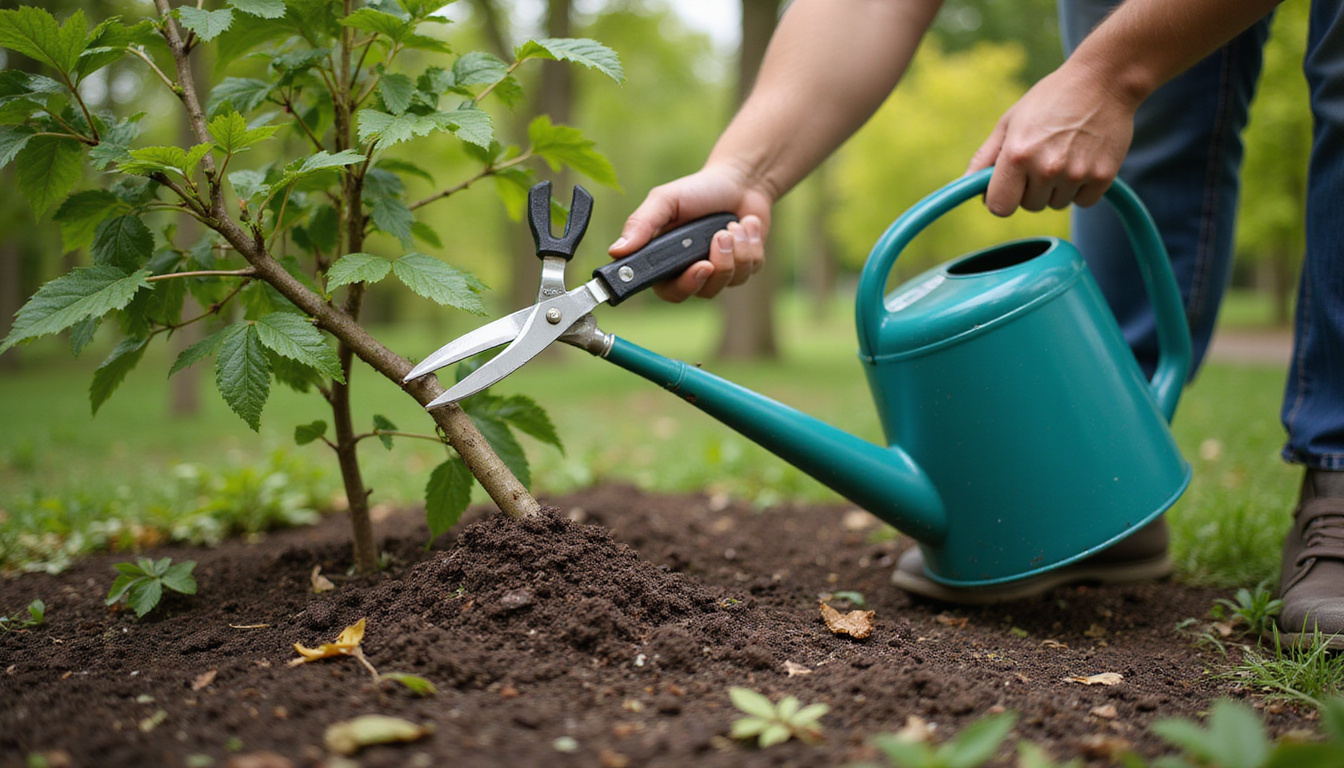
Container fig tree care for high-yield harvests
Growing a fig tree in a pot is ideal for small spaces or colder climates where in-ground planting isn’t feasible. Containers also naturally limit root growth, often increasing fruiting.
Choosing the right container
- Start with a 15–20 gallon pot (or at least 18 inches across).
- Use a container with good drainage holes.
- Choose a high-quality potting mix, not garden soil.
Special considerations for potted figs
Container figs:
- Dry out faster, so monitor moisture closely.
- Often need more regular feeding due to nutrient leaching.
- May need root pruning or repotting every 2–3 years to prevent becoming root-bound and stressed.
When repotting:
- Gently loosen the root ball.
- Trim back circling roots.
- Replant into fresh potting mix, either in the same pot or one slightly larger.
Protecting your fig tree from pests, diseases, and stress
Healthy fig trees are fairly resistant, but there are a few common issues that can affect yield and fruit quality.
Common pests
- Scale insects: Small, shell-like bumps on stems and leaves.
- Aphids: Soft, tiny insects on new growth, often leaving sticky honeydew.
- Birds and squirrels: Often the biggest “pests” when fruit starts to ripen.
Controls:
- For insects: Spray with insecticidal soap or horticultural oil according to label directions.
- For birds and squirrels: Use netting or individual fruit bags as fruit begins to soften and change color.
Disease and environmental issues
Figs rarely suffer from severe diseases in home gardens, but you might see:
- Leaf spots or rust: Brown or orange spots on leaves; remove affected leaves and avoid overhead watering.
- Fruit drop: Often related to heat, drought stress, or sudden changes in watering.
- Splitting fruit: Typically caused by irregular watering or heavy rain near ripening.
Maintaining consistent moisture and good sanitation (removing fallen fruit and leaves) goes a long way toward preventing problems.
For region-specific guidance, local agricultural extension services are invaluable (for example, see many U.S. state extension resources, such as those compiled by the USDA, for climate-appropriate advice) (source).
Harvesting figs at peak sweetness
The way you harvest can influence both the flavor of your current crop and the productivity of future years.
How to know when a fig is ripe
Unlike many fruits, figs do not ripen significantly once picked. For best sweetness:
- The fig softens noticeably to a gentle squeeze.
- Color deepens; variety-dependent, but generally richer and darker.
- The neck of the fig bends or droops slightly on the stem.
- Some varieties may show a drop of nectar at the eye (the bottom opening).
If you have to tug hard, it’s probably not ready.
Harvesting best practices
- Pick with a gentle upward twist or use clean pruning snips.
- Harvest every 1–2 days during peak season, as figs ripen quickly.
- Place figs gently in a shallow container; stacked figs bruise easily and spoil faster.
Fresher, tree-ripened figs are always sweeter. Since they’re highly perishable, enjoy them right away or refrigerate and use within a few days.
Seasonal fig tree care checklist
To keep it simple, here’s a quick seasonal overview for your fig tree:
Spring
- Check for winter damage and prune as needed.
- Apply balanced fertilizer if appropriate.
- Refresh mulch and start consistent watering as weather warms.
Summer
- Maintain even watering.
- Lightly thin dense growth if interior is too shaded.
- Protect ripening fruit from birds and animals.
- Harvest frequently at full ripeness.
Fall
- Continue harvesting late figs.
- Reduce fertilizing to allow the tree to harden off.
- In cooler climates, prepare winter protection for in-ground or container trees.
Winter (in colder regions)
- For container figs: Move to a cool, frost-free location (garage or shed).
- For in-ground figs: Wrap trunks with burlap or use insulating materials in very cold climates, following local guidance.
FAQ: Common fig tree questions
1. Why is my fig tree not producing fruit?
A fig tree may fail to fruit due to insufficient sunlight, excess nitrogen fertilizer, young age (many need 2–3 years to mature), or cold damage to fruiting wood. Ensure at least 6–8 hours of sun, moderate fertilization, and protect it from severe winter cold, especially in the first few years.
2. How often should I water a potted fig tree?
A container fig tree generally needs water when the top 1–2 inches of soil are dry. In hot weather, this might be every 1–3 days. Water thoroughly until it drains from the bottom, then let the top dry again before the next watering to avoid root rot.
3. What is the best fertilizer for fig plants?
A balanced, slow-release fertilizer (such as 5-5-5 or 8-8-8) works well for most fig plants. In nutrient-poor soils, or for container-grown trees, you can supplement with a low-nitrogen, higher-potassium fruit tree fertilizer during the active growing season to support strong fruiting without excessive leafy growth.
Turn your fig tree into a harvest powerhouse
With the right combination of sun, soil, water, and pruning, your fig tree can transform from a modest ornamental into a fruit-producing powerhouse. Focus on:
- A sunny, well-drained planting spot or appropriately sized container
- Consistent watering and light, balanced feeding
- Thoughtful pruning that keeps the tree open and manageable
- Timely harvesting at full ripeness for maximum sweetness
Apply these fig tree care tips this season and pay attention to how your tree responds. Then fine-tune your approach next year for even better results. If you’re ready to enjoy bigger, sweeter figs straight from your own garden, start by assessing your tree’s location and care routine today and make one or two key improvements—you’ll taste the difference in your very next harvest.
Throughout history, many plants and herbs have been associated with luck, protection, and prosperity. To explore their deeper spiritual, psychological, and scientific significance, visit SpiritualMindScience.com.