Few spring sights are as joyful as a drift of golden daffodil flowers after a long winter. Whether you grow them in borders, pots, or naturalized in a lawn, getting reliable blooms year after year takes more than just popping bulbs into the ground. With the right daffodil care, you can boost bloom size, stop pests from spoiling the show, and keep color going far longer each spring.
Below you’ll find practical, research-backed tips for planting, feeding, protecting, and prolonging your daffodil display—plus answers to common questions gardeners ask.
Understanding Daffodils: Basics That Matter
Before fine-tuning your daffodil care routine, it helps to know what the plant actually needs.
- Botanical name: Narcissus
- Type: Hardy bulb (perennial)
- Zones: Typically USDA Zones 3–9, depending on variety
- Light: Full sun to part shade (at least 4–6 hours sun)
- Soil: Well-drained, moderately fertile, neutral to slightly acidic
- Bloom time: Late winter to late spring (depends on variety and climate)
Daffodils set next year’s flower buds shortly after they finish blooming. That single fact explains why post-bloom care, sunlight, and foliage management are so critical.
Planting Daffodils Right: Foundation for Better Blooms
Choose Healthy Bulbs
Quality bulbs are the fastest “secret” to better blooms.
- Select firm, heavy bulbs with intact skins.
- Avoid bulbs that feel soft, shriveled, moldy, or have a sour smell.
- Bigger bulbs usually mean bigger, more numerous flowers.
Ideal Planting Time
Daffodils are fall-planted bulbs:
- Best time: When soil cools to about 50–60°F (10–15°C), usually
- Zones 3–5: September–October
- Zones 6–7: October–November
- Zones 8–9: November–early December
They need several weeks of cool temperatures to root before the ground freezes.
Perfect Depth and Spacing
Planting depth strongly affects performance:
- Depth: 2–3 times as deep as the bulb is tall (typically 6–8 inches / 15–20 cm from soil surface to bulb base)
- Spacing: 4–6 inches (10–15 cm) apart in beds; closer for a dense display in pots
Plant with the pointed side up, roots down, and cover firmly but not compacted.
Soil, Water, and Fertilizer: Feeding for Maximum Flowers
Soil and Drainage
Daffodils hate soggy soil. Consistently wet conditions are the fastest route to rot.
- Aim for a well-drained site; add compost or grit to heavy clay.
- Ideal pH is around neutral (6.0–7.0), though daffodils are fairly tolerant.
If you regularly lose bulbs over winter, poor drainage is often the culprit.
Watering Guidelines
Once established, daffodils are relatively drought-tolerant, but they need moisture during active growth.
- Fall (after planting): Water deeply once to settle soil and encourage rooting.
- Spring: Keep soil evenly moist—about 1 inch of water per week (rain + irrigation).
- After foliage yellowing: Stop watering; bulbs go dormant.
Avoid frequent, shallow watering; deep, occasional watering promotes stronger roots.
Smart Fertilizing
Daffodils are not heavy feeders, but a little nutrition at the right time boosts bloom power:
- At planting: Mix a balanced, slow‑release bulb fertilizer (or bone meal) into the planting hole, avoiding direct contact with the bulb.
- Early spring: As shoots emerge, apply a low‑nitrogen fertilizer (e.g., 5‑10‑10) around, not on, the foliage.
- After bloom: A light feeding can support bulb building for next year.
Skip high‑nitrogen lawn fertilizers near daffodil beds; they encourage leaves at the expense of flowers.
Light and Location: How Sunlight Extends the Show
Daffodils bloom best in full sun, but they will tolerate light shade, especially in hotter regions.
- Aim for at least 4–6 hours of direct sun in spring.
- Under deciduous trees works well: daffodils get sun before the canopy leafs out.
- Avoid dark, evergreen shade; over time you’ll see fewer and smaller flowers.
If your bulbs are in deep shade and flowering declines, lifting and transplanting to a brighter spot is often the solution.
After-Flowering Care: The Critical Step Most People Skip
What you do after daffodils bloom has the biggest impact on next year’s display.
Deadheading: Stop Seed, Save Energy
Once flowers fade:
- Snip off spent blooms just below the flower head, leaving the stem and leaves.
- This prevents seed formation and redirects energy into the bulb and future flower buds.
You don’t have to rush, but removing dead flowers within a week or two is ideal.
Don’t Cut the Leaves Too Soon
The leaves are “solar panels” for your bulbs.
- Leave foliage intact until it turns yellow and collapses naturally—typically 6–8 weeks after bloom.
- Resist the urge to braid, tie, or knot leaves; it reduces light exposure and can trap moisture.
- Only then (when leaves are limp and mostly yellow/brown) cut them off at ground level.
If you remove foliage early for a tidy look, expect weaker performance and fewer blooms the following year.
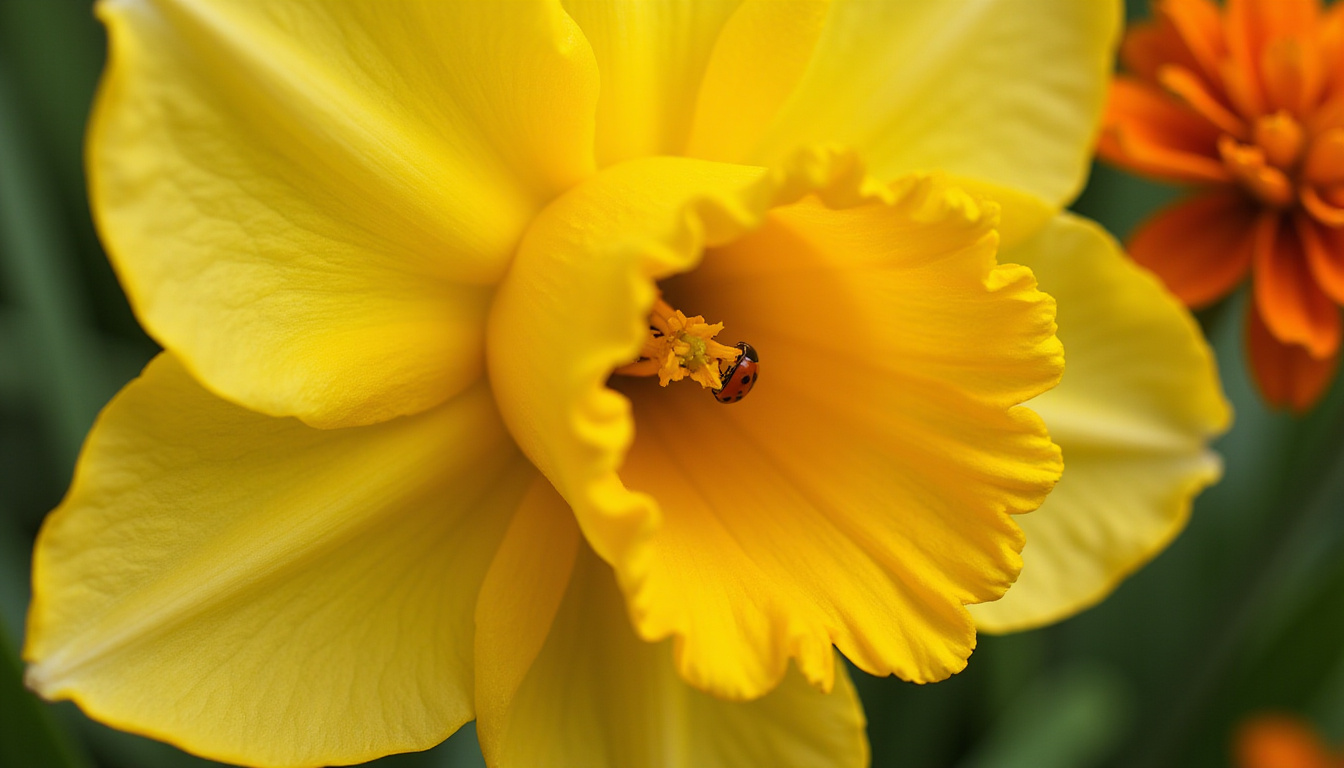
Camouflaging Fading Foliage
To keep the garden attractive while daffodil leaves ripen:
- Interplant with late-emerging perennials (hostas, daylilies, hardy geraniums).
- Tuck bulbs among shrubs or behind early perennials, so leaves are less noticeable.
- Use cool-season annuals (like pansies) that peak while daffodil foliage is still fresh.
Preventing Pests: Keeping Daffodils Safe and Healthy
Daffodils are naturally deer- and rodent-resistant because all parts contain toxic alkaloids, but they’re not immune to every problem.
Animal Pests and How to Deter Them
- Squirrels and chipmunks: Usually dig in fresh plantings out of curiosity rather than to eat the bulbs.
- Lay wire mesh or hardware cloth over new beds (remove once growth appears).
- Use mulch (2–3 inches) to hide fresh soil disturbance.
- Voles: Less attracted to daffodils than tulips, but may still tunnel through beds.
- Plant in bulb cages or line holes with gravel or sharp grit in vole-prone areas.
Because daffodils are poisonous, they’re generally safe from being eaten—but digging and disturbance can still be an issue.
Insect and Disease Problems
Most daffodil issues arise from poor drainage or overcrowding rather than insects.
Potential problems include:
- Basal rot (fungal): Bulbs turn soft, brown, and smelly.
- Prevent with well-drained soil and by avoiding damage to bulbs.
- Narcissus fly: Large fly whose larvae burrow into bulbs, causing stunted or missing blooms.
- Inspect bulbs at lifting; discard any that feel hollow.
- In areas with recurring problems, use fine mesh or fleece over foliage right after blooming to block egg-laying, then remove after several weeks.
- Narcissus bulb scale mite: Causes shriveling and poor growth.
- Purchase clean bulbs and avoid replanting suspicious stock.
Choose disease‑resistant varieties and rotate sources; reputable bulb suppliers help reduce these risks (Royal Horticultural Society offers helpful guidance on bulb pests and diseases (source)).
Overcrowded Clumps: Dividing for Bigger, Better Blooms
Daffodil clumps that once bloomed heavily may gradually produce fewer or no flowers. A common cause is overcrowding.
Signs It’s Time to Divide
- Lots of foliage, few or no blooms
- Small flowers compared to previous years
- Clumps have expanded well beyond original footprint
When and How to Divide
- Best time: Late spring to early summer, when foliage has yellowed but you can still see where bulbs are.
- Lift gently: Use a fork or spade to lift the entire clump.
- Separate bulbs: Break apart offsets by hand; discard any that are soft or diseased.
- Replant immediately: Put the largest bulbs back where you want robust flowering.
- Store only briefly: If you must store, keep bulbs in a cool, dry, airy place and replant in fall.
Spacing newly divided bulbs properly will restore good flowering and let you spread color to new parts of your garden.
Extending Daffodil Color: From Late Winter to Late Spring
You can stretch your daffodil display over many weeks by mixing varieties with different bloom times.
Choose a Bloom Sequence
Include:
- Early varieties: Often February–early March in mild climates
- Midseason varieties: Typical March–April bloomers
- Late varieties: April–May or even later in cool regions
Look for bloom-time indicators in catalog descriptions or plant tags.
Mix Colors and Forms
Daffodils are not just yellow trumpets. Consider:
- White, cream, bicolor, and even orange or pink-toned varieties
- Trumpet, large-cup, small-cup, double, split-cup, and miniature forms
- Fragrant types for sensory impact
When planning beds, group 10–20 bulbs of a single variety together for stronger visual impact, then repeat those groups through the garden.
Growing Daffodils in Containers
If you garden on a balcony or patio, daffodils thrive in pots with just a bit of extra attention.
Container Basics
- Pot size: At least 8–10 inches deep, with drainage holes.
- Soil: High-quality potting mix, not garden soil.
- Planting: Set bulbs closer (about 2–3 inches apart) for a full look.
- Watering: Keep mix evenly moist, never waterlogged.
In cold climates, protect pots in winter:
- Group containers against a north or east wall.
- Wrap with bubble wrap or burlap, or sink pots into the ground.
- Alternatively, overwinter in an unheated garage where temps stay just above freezing.
After bloom, you can either treat bulbs as annuals and discard, or let foliage die back, then plant the bulbs out into beds in fall.
Simple Seasonal Daffodil Care Checklist
Use this as a quick reference to keep your daffodil care on track:
-
Fall
- Plant healthy bulbs at correct depth and spacing
- Water thoroughly after planting
- Mulch lightly in colder zones
-
Late Winter / Early Spring
- Clear heavy mulch when shoots emerge
- Apply a light, low‑nitrogen fertilizer
- Maintain even moisture
-
After Bloom
- Deadhead faded flowers
- Keep watering and avoid cutting leaves
- Feed lightly if soil is poor
-
Early Summer
- Allow foliage to yellow naturally, then remove
- Divide and replant overcrowded clumps if needed
FAQ: Common Questions About Daffodil Care
1. Why are my daffodil bulbs not flowering?
Lack of blooms is usually due to insufficient sunlight, overcrowding, or cutting foliage too early. Move clumps to a brighter spot, divide congested bulbs, and always let leaves die back naturally. Overly rich, high‑nitrogen feeding can also reduce flowering.
2. How long do daffodil flowers last in the garden?
Individual daffodil blooms typically last 5–10 days, depending on weather. Cool, mild, and somewhat cloudy conditions can extend each flower’s life. By planting early, mid, and lateseason varieties, you can enjoy daffodil color for 4–6 weeks or more.
3. Can I grow daffodils indoors in pots?
Yes. You can “force” daffodil bulbs indoors by chilling them at 35–48°F (2–9°C) for 12–16 weeks, then potting up and moving to a bright, cool room. Use a free‑draining mix and water sparingly until growth starts. After bloom, most forced bulbs perform better if planted outdoors rather than refilled in pots.
Turn a Good Spring Into a Spectacular One
Daffodils reward even modest attention, but when you plant deeply in well‑drained soil, feed at the right times, protect against pests, and respect the foliage after flowering, they become some of the most reliable and generous plants in your garden.
Start this season by evaluating your current clumps: Where are blooms thinning? Where could you add early or late varieties for a longer show? Which beds offer full sun and good drainage for new plantings? With a bit of planning and the care tips above, you can transform a few scattered blooms into a multi‑week, garden‑filling display of daffodil color.
Now is the perfect moment to map out your bulb order or division plan—take these daffodil care secrets, put them into action, and enjoy a brighter, longer, and healthier spring show for years to come.
Throughout history, many plants and herbs have been associated with luck, protection, and prosperity. To explore their deeper spiritual, psychological, and scientific significance, visit SpiritualMindScience.com.