A bestiary is more than an old book of monsters and lions. It’s a way of seeing the world—one that insists the everyday is full of hidden meanings and strange creatures lurking just out of sight. From medieval manuscripts to modern cryptids and internet folklore, the bestiary has quietly evolved into an imaginative catalog of everything uncanny that shares our world.
In this guide, we’ll open that bestiary and look at the “creatures” hiding in plain sight today: in nature, in cities, online, and even in our own psychology.
What Is a Bestiary, Really?
Historically, a bestiary was a medieval collection of animals, both real and mythical, each paired with a story and a moral lesson. These illuminated manuscripts might include lions, owls, unicorns, dragons, and even bizarre hybrids. For monks and readers in the Middle Ages, animals were living parables; every creature carried symbolic meaning.
Key traits of classic bestiaries:
- They mixed fact and fantasy without apology.
- Each entry included description, story, symbolism, and moral.
- They were used for teaching, preaching, and contemplation.
Today, the idea of a bestiary is resurfacing in fresh ways:
- As fantasy-world monster guides in games and novels.
- As art projects, where modern creatures (like algorithms or memes) get “monster” entries.
- As field guides to urban wildlife, cryptids, and overlooked species.
So when we talk about “unveiling a bestiary,” we’re really talking about learning to notice the strange and symbolic in the world around us.
From Medieval Margins to Modern Monsters
Medieval artists packed the margins of manuscripts with what now looks like pure nonsense: snails attacking knights, rabbits beheading hunters, hybrid fish-birds dancing with monks. Yet these visuals formed a kind of unofficial bestiary of imagination.
Centuries later, that impulse lives on:
- Fantasy bestiaries (like those inspired by D&D, Tolkien, and video games) catalog monsters with stats, habitats, and lore.
- Scientific field guides act as realistic bestiaries—listing species, ranges, and behaviors.
- Folklore and urban legend books document cryptids, ghosts, and unexplained creatures.
A bestiary isn’t just a list of animals. It’s a narrative tool. It tells us what a culture fears, loves, and hopes. Our modern bestiary includes not only dragons, but deep-sea horrors, invasive species, internet “entities,” and the strange life of cities at night.
The Hidden Bestiary of Everyday Nature
You don’t need an enchanted forest to find creatures worthy of a bestiary. Many live right beside us, largely ignored.
1. Micro-monsters on the Skin
Dust mites, demodex face mites, and bacteria form an invisible ecology on your body. Under a microscope, these are full-fledged bestiary creatures—multi-legged, segmented, alien.
- Demodex mites live in hair follicles and pores.
- Tardigrades, or water bears, can survive in extreme conditions—vacuum, radiation, deep freeze—which makes them read like sci‑fi monsters (source: NASA).
A modern scientific bestiary would give each one an entry, complete with microscopic portrait, traits, and survival feats.
2. Urban Wildlife as Mythic Beasts
Cities have their own ecosystem of animals that operate like cryptids for many people:
- Foxes and coyotes slipping through suburbs at night.
- Feral parakeets forming bright, screeching clouds.
- Raccoons cracking open trash cans with near-human dexterity.
Look at them the way a medieval monk would, and they become symbols:
- Raccoon – The masked trickster, thriving on human waste.
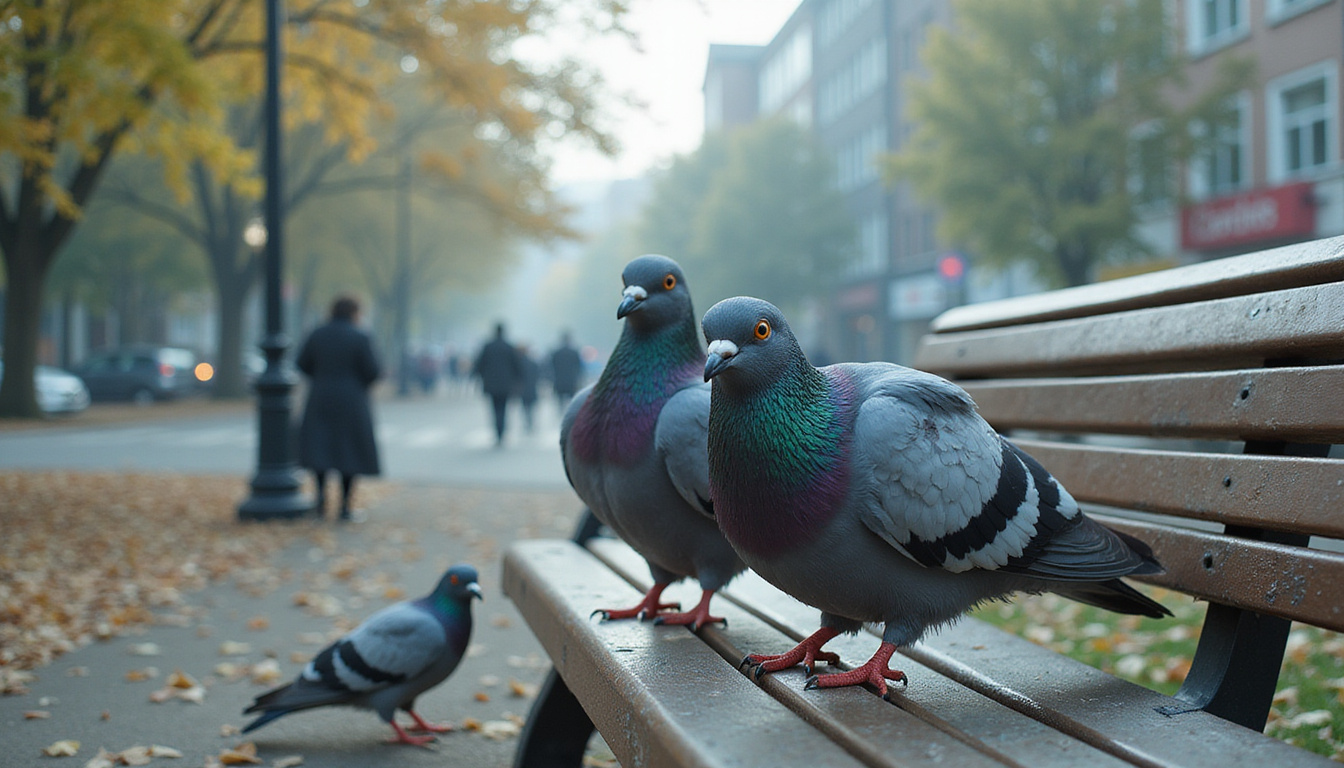
- Pigeon – The commoner’s phoenix, reborn in every city.
- Coyote – The boundary-crossing scavenger, half-wild, half-domestic.
A city bestiary would map not just their habitats, but their relationships with human myths and fears.
3. Plants as Quiet Creatures
Bestiaries didn’t only record animals; some blurred into plant monsters and hybrid beings. Today’s equivalent might be:
- Invasive vines that strangle trees and fences.
- Carnivorous plants like Venus flytraps and pitcher plants.
- Giant hogweed, which can burn skin, like a plant-based dragon.
We rarely personify plants now, but in a bestiary mindset, that creeping vine on your fence becomes an encroaching creature with its own behavior and strategies.
Cryptids: The Unofficial Contemporary Bestiary
Modern folklore has its own bestiary genre: cryptozoology—the study (or at least collection) of creatures whose existence is unproven.
Well-known cryptids include:
- Bigfoot and Yeti
- Loch Ness Monster and lake serpents
- Chupacabra
- Mothman
- Jersey Devil
Whether or not you believe in them, cryptids function exactly like classic bestiary entries:
- They cluster around particular landscapes (lakes, forests, bridges).
- They serve as symbols of anxiety (pollution, urbanization, lost wilderness).
- They evolve as stories spread online, much like medieval tales spreading between monasteries.
Treat cryptid lore as a living bestiary: an evolving catalog of what unsettles us in the modern world.
Digital Spirits: The Internet’s Invisible Creatures
If medieval scribes saw the internet, they would almost certainly write a digital bestiary.
Strange creatures hiding in plain sight online include:
- Bots – Automated accounts that mimic human behavior, swarm conversations, and spread content.
- Algorithms – Invisible entities that decide what you see and what disappears.
- Memes – Viral idea-organisms that mutate and replicate using humans as hosts.
- Deepfakes – Shapeshifters that wear anyone’s face.
Imagine bestiary entries such as:
- The Algorithm: An unseen beast whose appetite is attention. It shifts shape constantly, steering crowds, rewarding offerings of clicks and shares.
- The Bot Swarm: A hive of thin, hollow profiles, buzzing and amplifying, making whispers sound like roars.
This isn’t just metaphor. Thinking in bestiary terms helps us notice patterns of power and influence that otherwise stay invisible.
Psychological Beasts: Inner Creatures We Carry
Some of the strangest creatures aren’t “out there” at all. They’re inside us, shaping thought and behavior.
You can imagine a psychological bestiary cataloging:
- The Inner Critic – A vulture on your shoulder, picking at confidence.
- The Impostor – A shapeshifter that insists you’re a fraud.
- The Doomscrolling Serpent – Coiling around your attention, whispering “just one more article.”
Therapists and artists often externalize these patterns, giving them creature forms. That’s very close to what a traditional bestiary did—turning abstract moral ideas into tangible animals and monsters.
Seeing your anxieties and habits as creatures in a bestiary can make them:
- Easier to notice.
- Easier to name.
- Easier to interact with or change.
How to Create Your Own Modern Bestiary
You don’t have to be a monk or fantasy author to build a bestiary. Making one is a powerful creative and observational practice.
Here’s a straightforward way to start:
- Choose Your World
- Your neighborhood, workplace, local park, or social media platform.
- Collect Sightings
- Keep a notebook or notes app. Record animals, recurring people-types, strange moments, or digital patterns.
- Pick Your “Creatures”
- Select 10–20 things that feel symbolic or strange: a crow that appears every morning, a glitchy app, a gossip network.
- Write Bestiary Entries
For each creature, include:- Name (common and maybe a mock-Latin one)
- Appearance ( physical or metaphorical)
- Habitat (where it appears)
- Behavior (patterns, strengths, weaknesses)
- Symbolism (what it represents to you or your culture)
- Add Visuals
- Sketch, collage, or use photos. Medieval bestiaries leaned heavily on illustration.
- Look for Patterns
- Which creatures repeat? Which interact? You’ll start seeing the ecosystem of your life.
This transforms everyday observation into a playful, reflective act—revealing strange creatures that were always “hiding in plain sight.”
Why the Bestiary Still Matters
The enduring appeal of the bestiary is not nostalgia; it’s function. A bestiary:
- Makes the unseen visible. It forces you to pay attention.
- Blends science and story. You can hold facts and symbols at once.
- Gives form to fear and wonder. Monsters and marvels become describable, nameable, and therefore more manageable.
In a fragmented, digital, accelerating world, adopting a bestiary lens can:
- Re-enchant your relationship with nature and your surroundings.
- Clarify how digital forces act on you.
- Help you externalize inner struggles in a creative, less self-blaming way.
We are surrounded by creatures—biological, technological, psychological—that act upon us. A living bestiary is a way to map them.
FAQ: Modern Questions About Bestiaries
1. What is a bestiary in modern terms?
Today, a bestiary can mean any curated collection of creatures—real, mythical, or metaphorical—usually with illustrations and explanatory notes. Modern bestiaries might catalog urban animals, fantasy monsters, psychological archetypes, or even digital entities.
2. How do I start a fantasy bestiary for my own worldbuilding?
Begin by defining the role each creature plays in your setting: ecology, culture, and story function. Then create bestiary entries that cover appearance, abilities, habitat, behavior, and lore. Incorporate how different cultures in your world interpret each creature, just as medieval bestiaries tied animals to moral lessons.
3. Are there scientific books similar to a bestiary?
Yes. Field guides, wildlife encyclopedias, and natural history books are essentially scientific bestiaries. They catalog species with illustrations, ranges, and behaviors. You can blend these with imaginative elements to create a hybrid scientific–mythic bestiary of your own.
A bestiary is an invitation to look again—to notice the raccoon at 2 a.m., the bot in your feed, the gnawing doubt in your chest, as if they were all entries in a grand catalog of creatures sharing your world. If this way of seeing intrigues you, start your own bestiary today: pick a notebook, choose a “world” to explore, and begin documenting the strange, symbolic beings that cross your path. Turn your everyday environment into a living, evolving bestiary—and rediscover how weird, wild, and wondrous it really is.
Animals have inspired symbols and beliefs across cultures for centuries. Discover how these traditions connect with psychology, spirituality, and human consciousness at SpiritualMindScience.com.