Crossroads rituals have fascinated people for thousands of years. From ancient Greece and Rome to African diasporic traditions and European folk magic, the meeting point of roads has always been seen as a powerful place where worlds overlap. Today, more and more practitioners are rediscovering crossroads rituals as a simple, accessible way to connect with spiritual energies, ancestors, and personal transformation.
This guide will walk you through the history, meaning, safe practices, and step-by-step methods for working respectfully and effectively with the power of the crossroads.
Why Crossroads Are Considered Magical
Across cultures, the crossroads appear again and again as liminal spaces—thresholds where one thing turns into another. In spiritual and magical traditions, liminal spaces are powerful because they blur boundaries:
- Between physical and spiritual realms
- Between past and future
- Between the known path and the unknown possibilities
When you stand at the intersection of two or more paths, you’re symbolically standing at a choice point in your life. crossroads rituals tap into that symbolism and treat the intersection itself as a living altar where guidance, protection, and change can be invoked.
Crossroads in World Traditions
Some examples of how crossroads appear in different cultures:
- Ancient Greece: Crossroads shrines (herms) were dedicated to Hermes and Hecate. People left offerings for safe travel, protection, and guidance.
- European Folk Magic: Witches and cunning folk often worked spells at crossroads for divination, banishing, and spirit contact.
- African Diasporic Traditions: In various forms of Hoodoo, Vodou, and related paths, crossroads are powerful sites for meeting spirits, especially those associated with opportunities, choices, and skill.
- Asian Traditions: In some Asian folk practices, crossroads are associated with spirits of the dead and places where offerings are left to appease wandering entities.
These examples show that despite cultural differences, crossroads are almost universally recognized as spiritually charged locations (source: Encyclopedia Britannica – Liminality).
The Deeper Symbolism Behind Crossroads Rituals
To work effectively with crossroads rituals, it helps to understand what they symbolize at a psychological and energetic level:
- Choice and Destiny: Standing at a crossroads reflects moments in life when you must choose a path—career changes, relationships, relocations, or spiritual shifts.
- Meeting of Worlds: Crossroads mark where different influences intersect—material and spiritual, conscious and unconscious, old self and new self.
- Movement and Transition: Roads are about travel and momentum. Crossroads amplify that energy, making them ideal for spells and rituals focused on change.
When you bring offerings or intentions to the crossroads, you are engaging with this energy of decision, transformation, and connection.
Safety, Respect, and Ethics at the Crossroads
Before you perform any crossroads rituals, think about safety and respect—for yourself, for the land, and for any traditions you might be drawing from.
Physical Safety
- Choose a safe location: a quiet residential intersection, a park path crossroads, or a trail junction, not a high-traffic road.
- Prefer daylight or early evening if you’re new or uncomfortable at night.
- Always be aware of surroundings and traffic; no ritual is worth endangering yourself.
Spiritual and Cultural Respect
- Know your source: Many modern crossroads rituals borrow from African diasporic and folk traditions. Use these practices with acknowledgment and respect, not as a trendy aesthetic.
- Avoid claiming titles or initiations from cultures you’re not part of or trained in.
- Frame your work as “inspired by” or “influenced by” traditions unless you are formally a practitioner of that path.
Environmental Considerations
Offerings should not turn into litter. Favor:
- Biodegradable materials (bread, water, flowers, natural paper)
- Minimal packaging
- No glass left behind where people or animals could be hurt
Your crossroads work should leave the space as clean—or cleaner—than you found it.
Choosing Your Crossroads: Physical vs. Symbolic
You don’t always need a literal street intersection for effective crossroads rituals. There are two main types to consider:
1. Physical Crossroads
Examples:
- A four-way street intersection (safe and low-traffic)
- A fork in a forest trail
- The meeting of two paths in a park
- The crossing of two dirt roads in a rural area
Pros:
- Strong, traditional symbolism
- Clear sense of “place” and boundary
Cons:
- Safety issues in some locations
- Privacy can be limited
2. Symbolic or Created Crossroads
If a physical crossroads is not possible or safe, you can create a symbolic one:
- Draw a cross on the ground with chalk or cornmeal
- Lay two sticks across each other on your altar
- Use a cloth or paper marked with the intersecting lines of a crossroads
Pros:
- Safe, private, and fully under your control
- Easy for frequent, simple offerings
Cons:
- May feel less intense than an outdoor crossroads to some practitioners
Both approaches are valid. What matters most is your intention, respect, and consistency.
Simple Offerings for Crossroads Rituals
Offerings are central to many crossroads rituals. They are a way of:
- Showing respect to spirits, deities, or the spirit of place
- Exchanging energy for help, guidance, or protection
- Marking your commitment to a choice or path
Examples of Appropriate Offerings
You don’t need anything elaborate or expensive. Common and respectful options include:
- Water – for clarity, purification, and communication
- Bread or grain – for sustenance, prosperity, and gratitude
- Coins – for opportunities, luck, and exchange
- Candles – for illumination, guidance, and focus (never leave unattended)
- Flowers or herbs – for beauty, respect, and specific magical qualities
- Written petitions – your clearly stated request or intention, on natural paper
Choose offerings that align with your values and the spirit you are addressing (if any). In some cultures, specific spirits associated with the crossroads prefer specific items—research carefully if you’re working in a particular tradition.
Step-by-Step: A Basic Crossroads Offering Ritual
This simple framework works for many intentions: clarity, decision-making, road-opening, or general guidance. Adapt it as needed to your path.
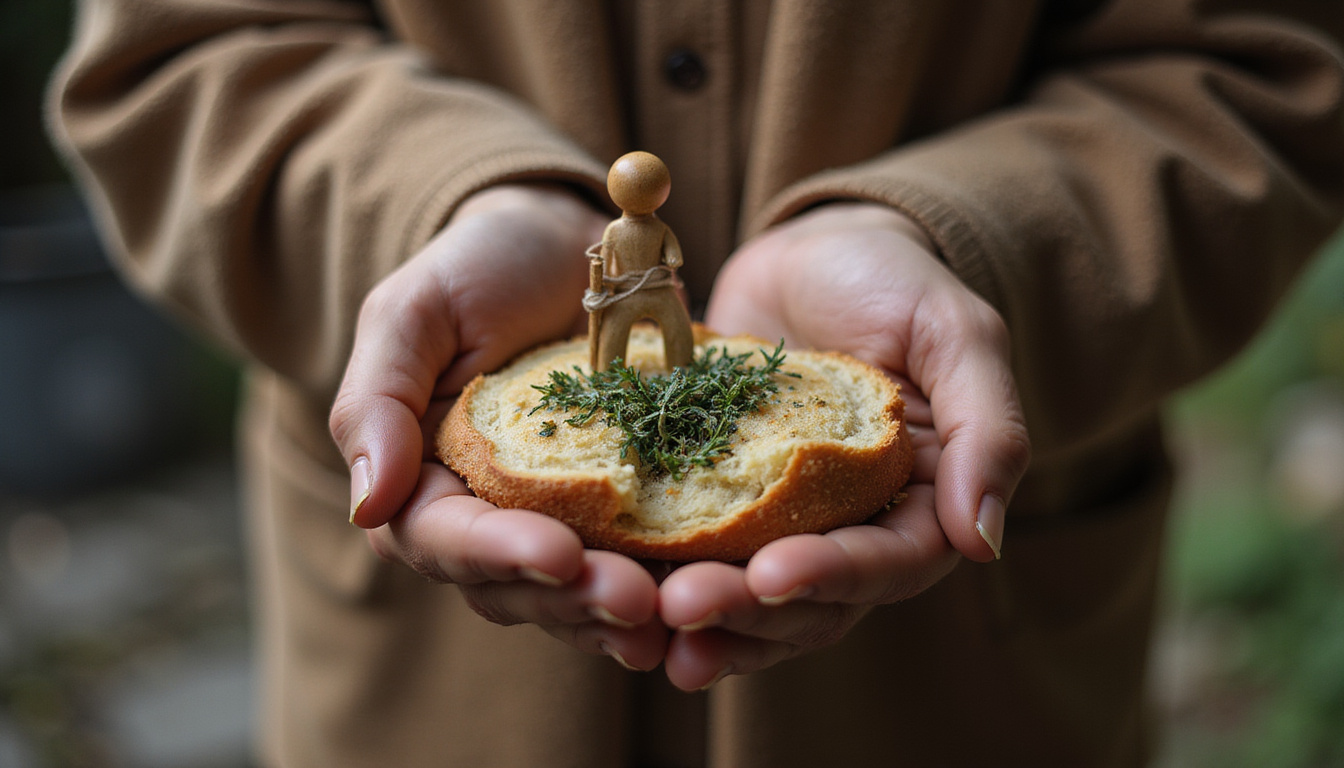
Preparation
-
Clarify your intention.
Write a few sentences about what you want: guidance about a career decision, the courage to choose a new path, removal of obstacles, etc. -
Select your offerings.
For beginners, a good basic set is:- A small glass of water
- A piece of bread or a few grains
- A written petition
-
Choose your crossroads.
Decide if you’re going to a physical crossroads or creating a symbolic one at home.
At the Crossroads
-
Ground yourself.
Take a few deep breaths. Feel your feet on the ground. Mentally “arrive.” -
Acknowledge the space.
Silently or aloud, greet the crossroads and any spirits or powers that may dwell there. Something simple is sufficient, such as:
“To the spirits of this crossroads and the powers of choice and change, I greet you with respect.” -
State your intention.
Clearly speak what you seek. Be specific but concise:
“I stand at this crossroads asking for clear guidance about whether I should accept the job offer in another city. Show me the path that will bring growth and stability.” -
Present your offerings.
- Pour the water onto the ground respectfully.
- Place the bread, grains, or other items where they will not cause harm or mess.
- Place or hold your written petition.
-
Make your request.
Ask respectfully, for example:
“In exchange for these offerings, I ask that you open the right road before me, close the paths that do not serve my highest good, and guide me toward wise decisions.” -
Listen and observe.
Spend a few minutes in silence. Notice any feelings, images, or thoughts that arise. These may be subtle. -
Close the ritual.
Thank the crossroads and any spirits you’ve addressed. Leave calmly, without looking back if that aligns with your tradition—many folk practices stress the importance of moving forward after a crossroads ritual.
After the Ritual
- Pay attention to signs, dreams, and synchronicities over the next days or weeks.
- Be ready to act on the guidance you receive. Crossroads rituals are about movement and choice; you participate by taking steps in the direction shown.
Types of Crossroads Rituals You Can Explore
Once you’re comfortable with simple offerings, you can adapt crossroads rituals to different goals.
1. Road-Opening and Opportunity
Focus: Clearing blockages and inviting new paths.
- Offerings: Water, coins, key-shaped charms, road-opening herbs (like lemongrass or mint).
- Intention: “Open the roads before me in career, finances, and relationships. Clear away what blocks my way.”
2. Banishing and Ending
Focus: Releasing old patterns, ending harmful situations.
- Offerings: Saltwater (poured carefully), black candle (supervised and removed afterward), written list of what you’re releasing.
- Intention: “At this crossroads, I leave behind [habit, fear, or situation]. May it no longer follow my path.”
3. Divination at the Crossroads
Focus: Gaining insight into choices or the future.
- Tools: Tarot cards, runes, coins, or simply your intuition.
- Method: Make a small offering, ask your question, and perform your divination at or near the crossroads, then interpret with care.
Common Mistakes to Avoid in Crossroads Work
When working with crossroads rituals, keep these pitfalls in mind:
- Treating the place like a dumping ground. Offerings must be respectful and as eco-friendly as possible.
- Demanding instead of asking. Approach spiritual forces as you would a respected elder or ally—never as a servant.
- Ignoring follow-up. Ritual is an opening. Action, reflection, and adjustment complete the work.
- Mixing too many traditions carelessly. Deepen into one approach at a time rather than randomly combining practices you don’t understand.
Quick Checklist for Your First Crossroads Ritual
Use this list to prepare:
- [ ] Clear, written intention
- [ ] Safe crossroads location (physical or symbolic)
- [ ] Simple, biodegradable offerings
- [ ] Time when you won’t be rushed
- [ ] Words of greeting and thanks in mind
- [ ] Commitment to notice and act on resulting guidance
FAQ About Crossroads Rituals and Offerings
Q1: Are crossroads offerings safe for beginners in magic?
Yes, simple crossroads rituals and offerings can be beginner-friendly if you prioritize safety, respect, and clarity of intention. Start with low-risk practices: a glass of water, a small food offering, and a sincere request. Avoid summoning named spirits or using complex traditional rites you haven’t studied.
Q2: Can I perform a crossroads spell at home instead of at an actual intersection?
You can create a symbolic crossroads on your altar or floor using chalk, string, or intersecting sticks. Many practitioners find this effective, especially for regular crossroads offerings or when physical travel isn’t feasible. The key is approaching the created crossroads as a true liminal space in your ritual mindset.
Q3: What’s the best time of day to do a crossroads ritual for guidance?
Twilight—either dawn or dusk—is traditionally favored for crossroads rituals because it is itself a liminal time. However, the “best” time is when you can be undisturbed, focused, and safe. For some, that may be late at night; for others, a quiet early morning crossroads visit works best.
Crossroads invite you to stand consciously at the place where paths meet and futures diverge. By approaching crossroads rituals with humility, clear intention, and simple, respectful offerings, you give yourself a powerful way to ask for guidance, open new roads, and leave behind what no longer serves you.
If you feel called to work with this ancient power, choose one small ritual from this guide and commit to trying it within the next week. Bring your questions, your hopes, and a simple offering to the crossroads—physical or symbolic—and see what shifts. Your next path may already be waiting for you to step forward.
Cultural superstitions have shaped traditions and beliefs for generations. Explore the psychology, cultural history, and science behind these fascinating practices at SpiritualMindScience.com.