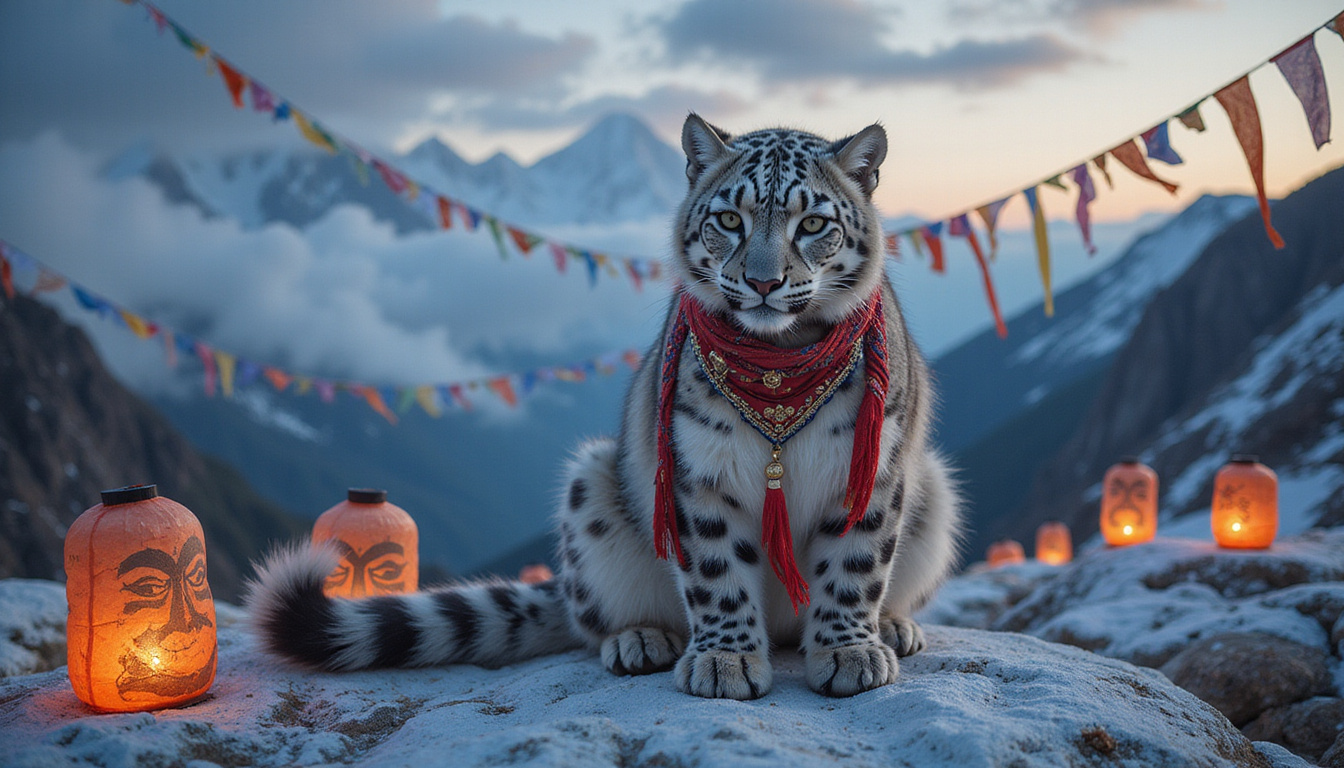
Across history and around the world, sacred animals have shaped myths, rituals, laws, and even national identities. From temple cats in ancient Egypt to modern-day cows in India, animals carry spiritual meaning that goes far beyond their physical presence. Understanding how different cultures honor and interpret these creatures reveals a lot about human values, fears, hopes, and our changing relationship with nature.
Below, we’ll explore the surprising roles, stories, and symbols of sacred animals across global cultures—and what they still mean for us today.
Why humans make animals sacred
Sacred animals appear in almost every culture, and for good reasons:
- Dependence: Early humans relied on animals for food, clothing, labor, and protection, naturally inspiring reverence.
- Observation: Animal behaviors—migration, hibernation, metamorphosis—seemed mysterious and often divine.
- Symbolism: People mapped human traits (courage, cunning, purity) onto animals, turning them into living symbols.
- Spiritual mediation: Many traditions see animals as messengers between human and spirit worlds.
Anthropologists note that what becomes “sacred” is rarely random; it usually reflects a society’s environment, economy, and moral code (source: Encyclopedia Britannica – Animal Worship).
Ancient Egypt: cats, bulls, and the power of protection
Ancient Egypt offers some of the most iconic examples of sacred animals.
Cats: guardians of home and divinity
Cats were revered as protectors against vermin and chaos. Over time they became associated with:
- Bastet, the cat-headed goddess of home, fertility, and protection.
- Grace, sensuality, and nurturing motherhood.
- Protection from evil spirits and misfortune.
Killing a cat, even accidentally, was considered a grave offense. Families sometimes mummified their cats, showing how deeply they valued these sacred animals.
Bulls and cows: strength and fertility
The Apis bull in Memphis was one of Egypt’s most important sacred animals:
- Seen as an earthly manifestation of Ptah and later Osiris.
- Linked to strength, fertility, and kingship.
- Given elaborate rituals, a temple, and funeral rites.
Cows were associated with Hathor, the sky and motherhood goddess, symbolizing nourishment, joy, and maternal love.
India: living embodiments of divinity
In South Asia, sacred animals are woven into daily life, especially through Hindu, Buddhist, and Jain traditions.
The sacred cow: nonviolence and abundance
In Hinduism, the cow is one of the most widely recognized sacred animals:
- Symbol of ahimsa (nonviolence) and reverence for all life.
- Linked to gods like Krishna (often depicted as a cowherd) and Shiva’s bull, Nandi.
- Embodies generosity—providing milk, dung for fuel, and labor without being killed.
While not universally treated the same way across India’s diverse communities, the sacred status of the cow still influences law, diet, and social debates.
Snakes: fearsome protectors
Serpents or nagas hold complex meanings:
- Guardians of water, treasure, and hidden knowledge.
- Symbols of rebirth, due to shedding skin.
- Honored in festivals like Naga Panchami, where snakes are offered milk and prayers.
Sacred animals like snakes often show how a culture transforms fearsome creatures into protective spiritual forces.
East Asia: dragons, cranes, and cosmic harmony
In East Asian cultures, sacred animals are tightly connected to cosmic balance and virtues.
Dragons: power and good fortune
Unlike in Western tales, Chinese dragons are mostly benevolent:
- Control rain, rivers, and seas.
- Symbolize imperial power, authority, and luck.
- Represent yang energy—dynamic, creative, expansive.
Emperors in imperial China used dragon imagery exclusively, reinforcing their own sacred status.
Cranes: longevity and spiritual refinement
Cranes appear in Chinese, Japanese, and Korean iconography as:
- Symbols of long life and immortality.
- Emblems of wisdom, spiritual focus, and high status.
- Frequent companions to sages, immortals, and monks in art.
These sacred animals show how grace, discipline, and patience become spiritual ideals.
Indigenous beliefs: animal guides and kinship
Many Indigenous traditions around the world treat animals not as symbolic stand-ins, but as relatives, teachers, or co-creators.
Native American traditions: totems and spirit animals
While practices vary widely between nations and tribes, some common themes include:
- Totem animals representing clans, lineages, or personal spiritual allies.
- Animals as teachers who model courage, patience, or adaptability.
- Rituals and stories in which animals assist humans or form sacred covenants.
For example:
- The eagle often represents vision, height, and connection to the Creator.
- The buffalo (bison) symbolizes sustenance, endurance, and gratitude for life.
The sacredness of animals here is inseparable from land, ceremony, and community identity.
Australian Aboriginal cultures: ancestral beings
In many Aboriginal Australian traditions, the Dreaming features ancestral beings who are both animal and creator:
- The Rainbow Serpent shapes landscapes and waterways.
- Specific animals are linked to kinship groups, laws, and responsibilities.
- Hunting and resource use are often governed by sacred stories that promote balance.
These sacred animals are part of a living law system that enforces respect for ecosystems.
Europe and the Mediterranean: from gods to heraldry
Even in cultures that later became heavily monotheistic, sacred animals left a deep imprint.
Ancient Greece and Rome: divine companions
Gods frequently had animal symbols or forms:
- Zeus: the eagle and the bull, representing power and sovereignty.
- Athena: the owl, symbolizing strategy, wisdom, and clear sight.
- Artemis: deer and hunting dogs, reflecting wild nature and independence.
These sacred animals helped people visualize the characteristics of distant deities.
Norse and Celtic traditions: ravens, wolves, and boars
In Northern Europe:
- Odin’s ravens, Huginn and Muninn (“thought” and “memory”), symbolize intelligence and far-seeing insight.
- Wolves are at once destructive (Fenrir) and loyal (Odin’s wolves Geri and Freki).
- Boars symbolize bravery and were depicted on helmets, standards, and jewelry.
Here, sacred animals often embody the harsh realities of warrior societies—courage, loyalty, and the ever-present threat of death.
Africa: mediators between worlds
Across Africa’s many cultures, sacred animals often mediate between human communities and ancestral or spiritual realms.
Lions and leopards: royalty and power
Big cats are powerful sacred animals in several African societies:
- Represent kingship, courage, and authority.
- Feature in royal regalia, praise poetry, and clan identities.
- Sometimes believed to be forms taken by powerful ancestors or sorcerers.
The respect afforded to these predators reflects both fear and admiration.
Crocodiles and hippos: dangerous guardians
Rivers and wetlands are lifelines; animals that inhabit them can be seen as:
- Guardians of boundaries between worlds (land/water, life/death).
- Manifestations of water spirits or territorial deities.
- Subjects of taboos that protect both people and ecosystems.
Such reverence sometimes functions as a practical environmental safeguard.
The Americas: jaguars, condors, and cosmic roles
Pre-Columbian civilizations invested sacred animals with complex cosmic functions.
Jaguars: power between worlds
In Mesoamerican and Amazonian cultures:
- The jaguar often symbolizes shamanic power—moving between worlds (day/night, human/spirit).
- Associated with rulers, warriors, and rain or fertility gods.
- Depicted as a hybrid of human and animal, emphasizing transformation.
This sacred animal emphasizes strength, stealth, and access to hidden realms.
Condors, eagles, and the three realms
In Andean cosmology:
- The condor represents the upper world (sky, gods, elevated consciousness).
- The puma symbolizes the middle world (earth, human society).
- The serpent stands for the underworld (ancestors, hidden knowledge).
Together, these sacred animals map out a structured universe, guiding ritual and worldview.
Modern echoes: sacred animals in a secular age
While many people today live in secular or scientific societies, sacred animals still influence:
- National symbols: eagles (U.S., Mexico, Poland), lions (U.K., Ethiopia, Sri Lanka), dragons (Bhutan, Wales).
- Conservation: flagship species like tigers, pandas, elephants, and whales often carry quasi-sacred status.
- Ethics: debates around veganism, animal rights, and environmental protection frequently invoke deep moral reverence for non-human life.
In some cases, traditional respect for sacred animals supports conservation efforts—for example, sacred groves or temple ponds where certain species are protected as part of religious practice.
What sacred animals reveal about human values
Looking across cultures, several patterns emerge:
-
Moral codes in animal form
Societies project ideals—bravery (lion), loyalty (dog), wisdom (owl), purity (dove)—onto animals as role models. -
Explaining the unknown
Animals become vehicles for understanding weather, illness, fertility, and death through myth and ritual. -
Enforcing taboos and protections
Declaring an animal sacred can effectively conserve it and its habitat. -
Defining identity
Clans, nations, and religions use sacred animals to mark who they are and what they stand for.
Ultimately, sacred animals show that humans don’t just live alongside other species—we weave them into our deepest stories about what life means.
FAQ about sacred animals and their meanings
1. What are sacred animals and why do cultures revere them?
Sacred animals are species that a culture treats with special spiritual, religious, or symbolic importance. They may be linked to gods, ancestors, cosmic forces, or moral values. Cultures revere sacred animals because they depend on them materially, find their behaviors mysterious, and use them to embody virtues or cosmic principles.
2. Do sacred animals still exist in modern religions and societies?
Yes. Cows in Hindu traditions, certain birds and snakes in Indigenous practices, and even unofficially revered creatures like national animals all function as sacred animals today. They influence laws (e.g., animal protection), rituals, diet, and conservation, even in largely secular countries.
3. Are sacred animals always protected from harm?
Not always. In some traditions, a specific individual (like a temple bull) is strictly protected, while the species may still be hunted. In others, taboos around harming sacred animals act as powerful protection. The relationship is complex and varies by region, history, and social change.
Cultures may disagree on which creatures are holy, but almost everywhere, sacred animals mark the boundary where practical life meets mystery. If this exploration sparked your curiosity, take the next step: look into the sacred animals of your own heritage, visit local museums or cultural centers, and support conservation projects that honor both ecological and cultural traditions. By understanding how we sanctify other species, we can reshape our own relationship with the living world—toward one of deeper respect, responsibility, and awe.
Cultural superstitions have shaped traditions and beliefs for generations. Explore the psychology, cultural history, and science behind these fascinating practices at SpiritualMindScience.com.