Olive Tree Care Hacks That Make Your Trees Thrive All Year
If you’ve fallen in love with the silvery leaves and Mediterranean charm of the olive tree, you’re not alone. Whether it’s planted in your yard or growing in a container on your balcony, the right care hacks can keep your olive tree healthy, productive, and beautiful all year long—even outside its traditional climate zones.
Below you’ll find practical, people-tested tips that go beyond generic advice and help you understand why each step matters.
Understanding Your Olive Tree: Climate, Growth, and Expectations
Before diving into specific hacks, it helps to know what your olive tree wants by nature:
- Origin: Native to the Mediterranean, olive trees thrive in hot, dry summers and mild, wet winters.
- USDA zones: Most commonly hardy in zones 8–11, though some varieties tolerate brief dips below freezing.
- Longevity: They are long-lived, slow-growing trees that can fruit for decades under good care.
Set realistic expectations:
- Outdoors in mild climates: Can become full-size trees and bear fruit reliably.
- Containers or cooler climates: Often grown as ornamental trees, with smaller size and sometimes fewer fruits, but still stunning year-round.
When you align your care with these natural preferences, your olive tree becomes much lower-maintenance.
Choosing the Right Variety and Location
Pick the Right Olive Tree Variety
Different varieties excel in different conditions:
- Arbequina: Compact, cold-tolerant, great for containers and small gardens.
- Mission: Popular in the U.S., relatively hardy and good for oil and table olives.
- Frantoio and Leccino: Classic Italian varieties, productive and often used together.
- Koroneiki: Small leaves, very productive, often grown for oil.
If you’re in a cooler climate or want to grow indoors/containers, look specifically for “dwarf” or “compact” olive tree cultivars.
Find the Ideal Planting Spot
For an in-ground olive tree, location can make or break your results:
- Full sun: Aim for at least 6–8 hours of direct sunlight daily. More sun = better growth and fruiting.
- Shelter from severe wind: Light airflow is good; persistent harsh wind can desiccate leaves and damage branches.
- Good air circulation: Helps reduce fungal problems around leaves and branches.
For container trees, choose the brightest spot you have—typically a south-facing patio, balcony, or window.
Soil and Potting Mix Hacks for a Healthy Root System
Olive trees hate “wet feet.” The roots need to breathe, and standing water invites root rot.
Best Soil Conditions Outdoors
When planting in the ground:
- Drainage first: Avoid areas where water pools after rain.
- Amend heavy clay: Mix in coarse sand, fine gravel, or grit plus organic matter to loosen the soil.
- Slightly alkaline to neutral: Olive trees tolerate a range, but around pH 6–8 is ideal.
A quick test: After you dig the planting hole and fill it with water, it should drain within a few hours.
Potting Mix for Container Olive Trees
For containers, a high-drainage mix is critical:
- Use a blend such as:
- 50–60% high-quality potting soil
- 20–30% perlite or pumice
- 10–20% coarse sand or small gravel
Always use pots with large drainage holes and, ideally, a slightly elevated base or feet so water can escape freely.
Watering Hacks: Never Overwater Your Olive Tree Again
Overwatering is the number-one killer of both indoor and outdoor olive trees.
How Often Should You Water?
Instead of watering on a strict schedule, use the soil moisture as your guide:
- Outdoor in-ground trees (established): Deeply every 10–14 days in hot, dry weather; less in cooler seasons.
- Newly planted trees: Once or twice per week for the first few months, then gradually reduce.
- Container trees: Typically every 5–10 days in summer, less in winter, depending on climate and pot size.
The Finger Test (Simple Hack)
Insert your finger 2–3 inches into the soil:
- If it feels dry at that depth, it’s time to water.
- If it’s still slightly moist, wait a few days.
Water slowly and deeply so it penetrates the root zone, not just the surface.
Bonus Hack: Mulch Smart
Apply a 2–3 inch layer of organic mulch (wood chips, bark, or gravel) around the root zone, but:
- Keep mulch a few inches away from the trunk to avoid rot.
- This hack reduces water loss, moderates soil temperature, and can improve soil structure over time.
Feeding and Fertilizing: Simple Nutrition Rules
Olive trees are not heavy feeders, but the right nutrients at the right time boost growth and fruiting.
When and What to Feed
For most home gardeners:
- Spring: Apply a balanced, slow-release fertilizer (e.g., 10-10-10 or similar) once new growth appears.
- Mid-summer (optional): A light second dose if the tree is in active growth and soil is poor.
- Avoid late fall fertilization: It can stimulate tender growth just before cold weather.
Nutrient tips:
- Nitrogen: Supports leaf and shoot growth, but too much creates lush foliage with fewer olives.
- Micronutrients: Iron and magnesium deficiencies can cause yellowing leaves with green veins (chlorosis), especially in very alkaline soil.
For container olive trees, a slow-release fertilizer or a diluted liquid feed every 4–6 weeks during the growing season works well.
Pruning Hacks for Shape, Health, and Fruit
Pruning can feel daunting, but you don’t need to be an expert arborist to keep an olive tree in shape.
When to Prune
- Best time: Late winter to early spring, just before or as new growth begins.
- Light touch in summer: You can do minor shaping and removal of dead or crossing twigs anytime.
Avoid heavy pruning just before or during extreme heat or frost periods.
How to Prune: The “Wine Glass” Shape
Aim to create a structure that:
- Opens the center of the canopy to light and air
- Keeps the tree manageable in height and spread
- Encourages strong, well-spaced branches
Pruning basics:
- Remove dead, diseased, or damaged wood first.
- Cut out crossing or rubbing branches to prevent wounds.
- Open the center so sunlight can penetrate, often creating a “vase” or “wine glass” shape.
- Shorten overly long stems to keep the tree compact and balanced.
Always use clean, sharp tools and make cuts just above a bud or branch junction.
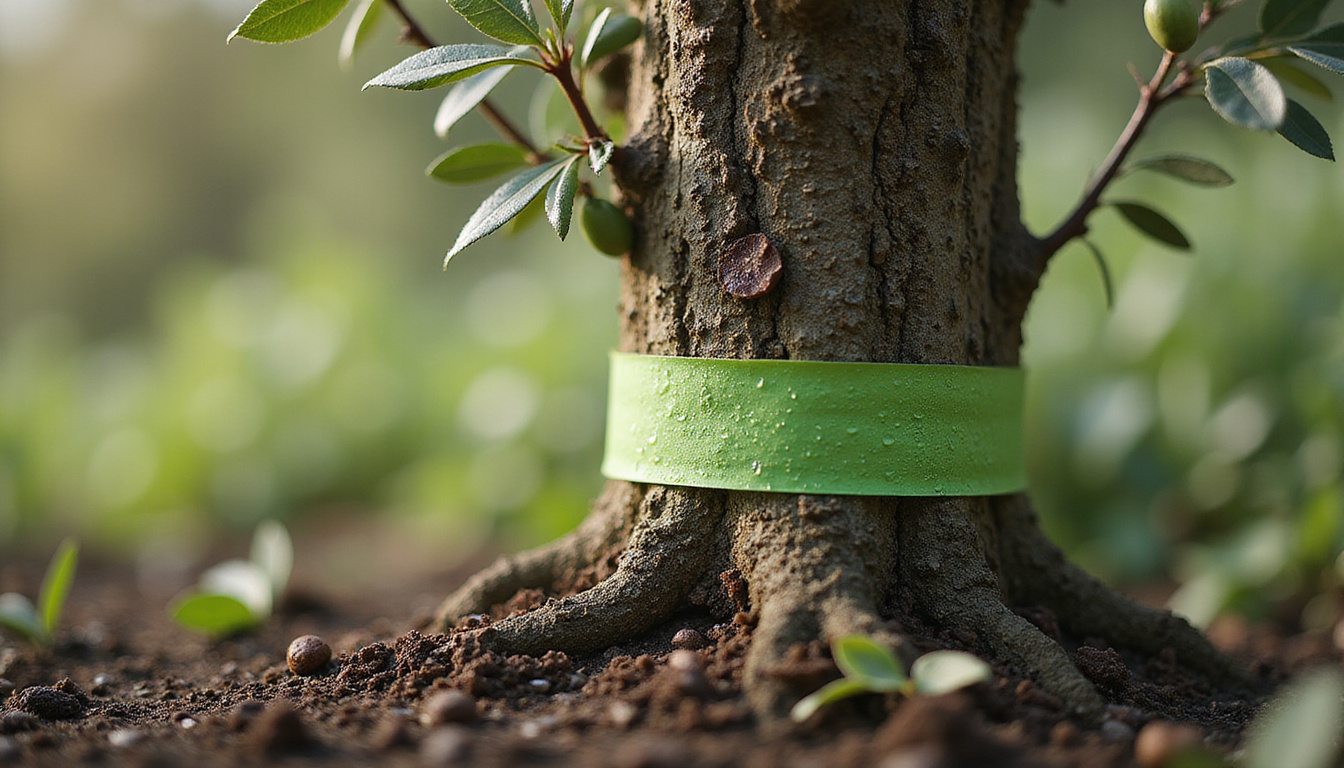
Container Olive Tree Hacks: Thriving on Patios and Indoors
Growing an olive tree in a pot is one of the easiest ways to enjoy this plant in cooler or urban areas.
Choose the Right Pot and Size Up Smart
- Start young trees in a pot about 2–3 inches wider than the root ball.
- Increase pot size gradually—oversized containers can stay soggy and promote root rot.
- Use terracotta or breathable materials when possible; they help excess moisture evaporate.
Repot every 2–3 years or when roots begin circling the pot or poking out of drainage holes.
Light and Indoor Care
For indoor or partially indoor olive trees:
- Place near a south or west-facing window for maximum light.
- Rotate the pot every few weeks to encourage even growth.
- If natural light is insufficient, supplement with a full-spectrum grow light.
Avoid hot, dry air from heaters or cold drafts—both can stress your olive tree.
Winter Protection Hacks for Olive Trees in Cooler Climates
Olive trees can tolerate light frost, but prolonged freezing and severe cold can cause serious damage.
Outdoor Winter Protection
- Mulch the root zone heavily in late fall to insulate roots.
- Wrap the trunk and lower branches with breathable frost cloth or burlap during severe cold snaps.
- Choose a sheltered microclimate: Near a south-facing wall or fence that absorbs and reflects heat.
Overwintering Container Olive Trees
If you grow your olive tree in a pot and live in a colder zone:
- Move it into a cold, bright space like an unheated sunroom, greenhouse, or cool porch, where temperatures stay above about 20–25°F (-6 to -4°C).
- Water sparingly in winter—just enough to prevent the root ball from completely drying out.
This “cool rest” period mimics a mild winter and can help support natural cycles.
Encouraging Flowers and Fruit: Pollination and Patience
Not every olive tree will fruit heavily, especially indoors or in marginal climates, but you can improve your chances.
Time and Age
Young olive trees typically take 3–5 years before they flower and fruit reliably.
- Container-grown trees may take a bit longer or produce fewer olives, but still can yield.
Pollination Needs
- Many varieties are self-fertile, but often fruit better when cross-pollinated with another cultivar.
- If you have space for two olive trees with overlapping bloom times, fruit set often improves.
- Outdoors, wind does most of the pollination. Indoors, a gentle shake of branches when flowers are open can help distribute pollen.
Ensure your tree is getting:
- Full sun
- Adequate but not excessive water
- Balanced nutrition (too much nitrogen = more leaves, fewer flowers)
For more detailed horticultural guidance on olive tree cultivation and fruiting behavior, the University of California’s agriculture extension provides extensive, research-backed information (source: UC Agriculture & Natural Resources).
Common Olive Tree Problems and Quick Fixes
Even well-cared-for olive trees can show stress. Catch issues early with these simple checks.
Yellowing Leaves
Potential causes:
- Overwatering or poor drainage
- Nutrient deficiencies (often iron or nitrogen)
- Sudden changes in light or temperature
Check soil moisture first, then consider a balanced fertilizer or chelated iron if the pattern suggests deficiency.
Leaf Drop
Common triggers:
- Moving a container olive tree from outdoors to indoors too quickly
- Sudden temperature shifts or cold drafts
- Severe underwatering or overwatering
Acclimate trees gradually to new environments and keep conditions as stable as possible.
Pests
Typical pests include scale insects, olive fruit fly (outdoors in some regions), and sooty mold (often secondary to sap-feeding insects).
- Start with simple measures: hosing off foliage, pruning affected twigs, and using horticultural soap or oil when needed.
- Maintain good air flow and avoid overfertilizing, which can attract more pests.
Quick Olive Tree Care Checklist
Use this list as a simple reminder for day-to-day care:
- Full sun: 6–8+ hours of direct light
- Well-drained soil or potting mix
- Deep but infrequent watering (let the top soil dry first)
- Light, balanced fertilization in spring (and possibly mid-summer)
- Annual pruning to open the canopy and shape the tree
- Winter protection in colder climates or for container trees
- Watch for yellowing leaves, leaf drop, or pests and address early
FAQ: Common Questions About Olive Tree Care
Q1: How do you care for a potted olive tree indoors?
Place your potted olive tree in the brightest possible spot, ideally near a south-facing window. Use a fast-draining potting mix and a pot with large drainage holes. Water only when the top 2–3 inches of soil feel dry, and feed lightly during spring and summer. Rotate the pot regularly and avoid drafts or direct blasts of hot or cold air.
Q2: Can you grow an olive tree in a cold climate?
You can grow an olive tree in a cold climate if you choose a hardy variety and provide winter protection. In-ground trees need sheltered microclimates and frost protection during severe cold. Many gardeners in colder zones grow olive trees in containers so they can be moved indoors or into a protected area during winter.
Q3: Why is my olive tree losing leaves?
Leaf drop on an olive tree often results from stress: sudden changes in light (such as moving indoors), overwatering, underwatering, or temperature shocks. Check for soggy or bone-dry soil, ensure the tree is getting enough light, and protect it from drafts and extreme temperatures. Once conditions stabilize, healthy new leaves usually follow.
Help Your Olive Tree Thrive All Year
An olive tree doesn’t need to be fussy or fragile. With smart placement, well-draining soil, careful watering, and a little seasonal attention, it can become one of the toughest and most rewarding plants in your collection—indoors or out.
If you’re ready to enjoy the timeless look of an olive tree at your home, start by choosing the right variety for your climate and picking a sunny spot. Apply the care hacks you’ve learned here over the next few weeks and track the difference in new growth, leaf color, and overall vigor.
Now is the perfect time to commit to a simple care routine that will keep your olive tree thriving all year long—and, with patience, may even reward you with your own homegrown olives.
Throughout history, many plants and herbs have been associated with luck, protection, and prosperity. To explore their deeper spiritual, psychological, and scientific significance, visit SpiritualMindScience.com.