Shiva Lingam Meaning, Healing Uses, Care Tips, And Ritual Guide
The Shiva lingam is far more than a beautiful egg-shaped stone—it’s a sacred symbol of cosmic creation, balance, and transformation. Revered in Hindu tradition and treasured in crystal healing, this unique stone is said to unite masculine and feminine energies, grounding you while awakening higher consciousness. Whether you’re drawn to it for spiritual reasons, meditation, or energy work, understanding its deeper meaning and how to work with it can enrich your practice.
What Is a Shiva Lingam?
A Shiva lingam is a naturally formed stone, typically found in the Narmada River in Madhya Pradesh, India. These stones are collected, hand-polished, and sometimes shaped into an elongated, oval or egg-like form. Traditionally, they are associated with Lord Shiva, one of the principal deities in Hinduism, representing destruction, transformation, and rebirth.
Key characteristics:
- Usually brown, tan, reddish, or grey with distinctive banding or patterns
- Smooth, polished surface and an elongated oval or cylindrical shape
- Often used in temples and home altars as a representation of Shiva
From a spiritual perspective, the Shiva lingam embodies:
- Creation and dissolution – the constant cycle of birth, life, and death
- Union of opposites – masculine (Shiva) and feminine (Shakti) energies
- Cosmic pillar of light – the axis connecting the physical and spiritual worlds
Spiritual and Symbolic Meaning of Shiva Lingam
The deeper Shiva lingam meaning goes beyond its physical form. In Hindu philosophy, the lingam is seen as an aniconic representation of divinity—rather than trying to depict God in human form, it symbolizes the formless Absolute.
Symbol of Divine Union
The stone is often interpreted as:
- The lingam (vertical form) – symbolic of the masculine principle, pure consciousness
- The yoni (base, when present) – symbolic of the feminine principle, creative power, and nature
Together, they express the union of Shiva and Shakti, consciousness and energy. In energetic terms, this reflects:
- Balance between activity and stillness
- Harmony between intellect and intuition
- Integration of physical desires with spiritual aspirations
Representation of Transformation
Shiva is known as the destroyer, but in a positive sense—he dissolves illusions, ego, and what no longer serves. The Shiva lingam thus becomes a tool for:
- Releasing old patterns and attachments
- Supporting spiritual rebirth and inner renewal
- Facing and integrating shadow aspects of self
Used consciously, it can accompany you through deep inner work and phases of major life change.
Healing Properties and Uses of Shiva Lingam
In modern crystal healing and energy work, the Shiva lingam is associated with several key benefits. While these are spiritual and complementary in nature (not a replacement for medical care), many practitioners find the stone deeply supportive.
Energetic and Emotional Healing
Commonly attributed healing qualities include:
-
Grounding and centering
Connects you to the Earth, stabilizing scattered energy and helping you feel rooted in your body and life. -
Balancing masculine and feminine energies
Encourages healthy assertiveness and action (masculine) alongside compassion, receptivity, and intuition (feminine). -
Emotional integration
Helps you process anger, grief, guilt, or shame and move toward acceptance and self-forgiveness. -
Stress reduction and calm
Its steady, stabilizing frequency can support relaxation, especially in meditation or before sleep.
Chakra Association
Because of its elongated shape and strong Earth connection, a Shiva lingam is often used with:
- Root chakra (Muladhara) – grounding, safety, survival, stability
- Sacral chakra (Svadhisthana) – creativity, sexuality, emotional flow
- Solar plexus chakra (Manipura) – personal power, will, confidence
Some practitioners also use larger lingams aligned along the entire spine during healing sessions to harmonize the full chakra system.
Physical Vitality and Lifeforce
Energetically, the stone is said to:
- Support overall life force (prana) and vitality
- Encourage stamina and resilience during demanding periods
- Harmonize reproductive and sexual energy patterns
Again, these are subtle, spiritual-level claims. For physical health concerns, always consult qualified medical professionals.
Practical Ways to Use a Shiva Lingam in Daily Life
You don’t need elaborate rituals to benefit from this stone. Here are straightforward ways to integrate a Shiva lingam into your practice.
Meditation with Shiva Lingam
-
Hold it in your hands
Sit comfortably, holding the stone with both hands at your lap or heart center. -
Focus on breath
Inhale for a count of four, exhale for a count of six. Let thoughts pass without attachment. -
Set an intention
For example: “I release what no longer serves me and invite balance and clarity into my life.” -
Visualize energy flow
Imagine grounding roots from your spine into the Earth while a column of light rises through the stone upward.
Altar and Sacred Space
Place a Shiva lingam on your altar or in a dedicated corner of your home:
- Position it upright as the central focus
- Surround it with candles, flowers, incense, or other symbols meaningful to you
- Use it as a focal point for prayer, mantra chanting, or reflective journaling
Over time, this creates a powerful energetic anchor for your spiritual practice.
For Emotional Support
Keep a small stone:
- In your pocket during stressful days
- On your bedside table to support restful sleep
- On your desk to encourage grounded focus and clear decision-making
Whenever you feel overwhelmed, hold the stone for a moment and take three slow, conscious breaths.
Basic Shiva Lingam Ritual Guide
If you’d like to work more ceremonially with your Shiva lingam, you can adapt traditional puja (worship) practices in a simple, respectful way. The following is a gentle, universal ritual you can modify to fit your beliefs.
Preparation
- Choose a quiet, clean space
- Cleanse your stone (see care tips below)
- Gather: a small bowl of water, a candle, incense (optional), flowers or leaves
Step-by-Step Ritual
-
Set your intention
Decide the purpose of your ritual: healing, release, clarity, devotion, or gratitude. -
Light the candle
Symbolize light, awareness, and presence. -
Invoke higher guidance
In your own words (or silently), invite divine presence, your higher self, or the energy of Shiva and Shakti for guidance and protection. -
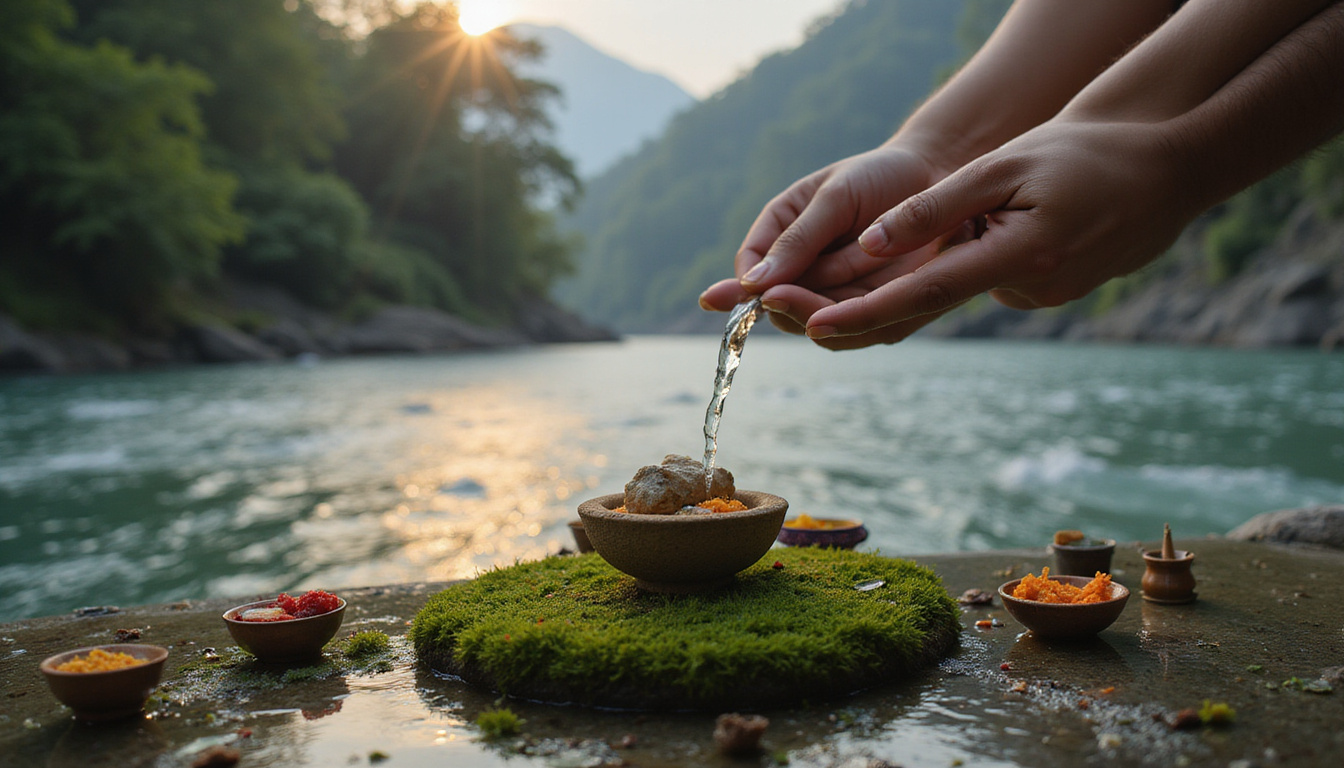
Offer water
Gently pour or sprinkle a few drops of water over the Shiva lingam, saying something like:
“I purify this space and my mind. May this stone carry the highest energy of truth and love.” -
Offer fragrance and beauty
Light incense, if using, and circle the smoke around the stone. Place flowers or leaves near or around it. -
Meditate or chant
- You may chant “Om Namah Shivaya” (a traditional Shiva mantra)
- Or simply sit in silence, focusing on your breath and the stone for 10–20 minutes
-
Release and close
Thank the energies, guides, or deity you invited. Extinguish the candle mindfully. Carry your intention forward into your day.
This simple ritual, practiced regularly, can foster a deep relationship with your Shiva lingam and a sense of inner sanctuary.
How to Cleanse and Charge a Shiva Lingam
Like any crystal or sacred object, a Shiva lingam can pick up energetic residue. Regular cleansing maintains its clarity and resonance.
Cleansing Methods
Try one or more of these, depending on what’s accessible and appropriate for your stone:
-
Water rinse
Quickly rinse under cool running water, then dry thoroughly with a soft cloth. Avoid prolonged soaking, especially if your stone is bonded or has natural fissures. -
Smudging or incense
Pass the stone through smoke from sage, palo santo, or natural incense with the intention of clearing stagnant energies. -
Sound cleansing
Use Tibetan singing bowls, tuning forks, or even a simple bell. Let the sound vibrate through the stone for several minutes. -
Moonlight
Place your Shiva lingam on a windowsill during the full moon to gently cleanse and recharge it, especially for emotional or intuitive work.
Charging Your Stone
After cleansing, you can “charge” your stone with fresh intention:
- Hold it at your heart or between both hands
- Visualize a sphere of white or golden light around it
- Speak or silently affirm your intention (e.g., healing, protection, clarity, balance)
Use concise, present-tense language: “This stone radiates balance, strength, and peace.”
Caring for Your Shiva Lingam: Practical Tips
To keep your Shiva lingam physically and energetically well-maintained:
-
Avoid harsh chemicals
Clean only with water and a soft cloth; no harsh detergents or abrasives. -
Protect from drops
Though generally durable, it can chip or crack if dropped on hard surfaces. -
Mind the temperature
Avoid extreme temperature changes that could stress the stone. -
Give it a dedicated place
Store or display it somewhere respectful—on an altar, shelf, or special box—not mixed haphazardly with unrelated items. -
Regular energetic maintenance
Cleanse after heavy emotional use, intense rituals, or whenever it feels “heavy” or dull.
Choosing the Right Shiva Lingam for You
When selecting a Shiva lingam, consider:
-
Size
- Small (pocket-sized): great for everyday carry and personal meditation
- Medium (palm-sized): versatile for altar work and chakra layouts
- Large (temple-sized): ideal as a central altar or room anchor
-
Shape and markings
Some stones have distinct color bands or patterns—choose one that visually resonates or seems to “call” you. -
Energetic feel
If possible, hold different stones and notice your body’s response—warmth, tingling, calm, or subtle attraction are positive signs.
Remember that authentic Shiva lingams traditionally come from the Narmada River region, although similar stones and shapes may be marketed under the same name. Buy from reputable sources and ask about origin, especially if cultural authenticity is important to you.
For broader background on Shiva and the symbolism of the lingam in Hinduism, you can explore resources like the Encyclopaedia Britannica entry on Shiva (source).
FAQ About Shiva Lingam Stones
1. What is a Shiva lingam stone used for in crystal healing?
In crystal healing, a Shiva lingam stone is used to balance masculine and feminine energies, support grounding, and promote emotional integration. Practitioners place it on the lower chakras, hold it during meditation for stability and clarity, or use larger stones along the spine for full-body energy harmonization.
2. How do I meditate with a Shiva lingam for spiritual growth?
To meditate with a Shiva lingam crystal, sit comfortably and hold it at your heart or root chakra. Focus on your breath, then visualize a column of light running through the stone, linking Earth and sky. Set an intention related to transformation—such as releasing old patterns or inviting deeper self-awareness—and remain in this focused state for 10–20 minutes.
3. Can anyone perform Shiva lingam rituals at home?
Yes. Simple Shiva lingam rituals—like offering water, lighting a candle, and sitting in quiet reflection—can be practiced by anyone with sincere respect. You don’t need to follow strict temple protocols; adapt your ritual to your own spiritual background, focusing on gratitude, humility, and a clear intention for healing, balance, or connection.
A Shiva lingam can become a powerful ally on your path—supporting grounding, transformation, and a living sense of the sacred in everyday life. If you feel drawn to this stone, consider inviting one into your meditation space or altar. Start with a simple cleansing ritual, set a heartfelt intention, and let your relationship with the lingam evolve organically.
Now is the ideal moment to deepen your practice: choose a Shiva lingam that resonates with you, create a small ritual around it this week, and experience how this ancient symbol of divine union can bring more balance, courage, and clarity into your life.
Sacred objects often carry deep cultural and spiritual meaning. Learn how these symbols relate to history, spirituality, and the human mind by exploring more articles at SpiritualMindScience.com.