Native American animal symbolism is far more than pretty stories about wildlife. In many Indigenous traditions, every creature carries spiritual teachings, warnings, and blessings. By learning how animals function as guides, protectors, and messengers, you can begin to unlock ancient spirit meanings in a way that’s respectful to the cultures that carry this knowledge.
Below, you’ll find an overview of key animal symbols, how different tribes interpret them, and how to start working with these teachings in a grounded, ethical way.
The Foundations of Native American Animal Symbolism
Across hundreds of tribes and nations, there is no single, unified “Native American” belief system. Yet some shared principles often show up:
- Animism and kinship with nature – Animals, plants, rivers, and mountains are seen as relatives with spirit and agency, not objects or “resources.”
- Story as teaching – Lessons about courage, humility, balance, and respect are carried through animal stories, myths, and clan histories.
- Context matters – The meaning of an animal depends on who sees it, where, when, and under what circumstances.
- Tribal specificity – A wolf, bear, or eagle may have very different meanings in Lakota, Navajo (Diné), Haudenosaunee, or Cherokee teachings.
When you explore Native American animal symbolism, it’s essential to remember that each tribe has its own language, sacred stories, and ceremonial ways. Any generalized guide (including this one) is only a starting point.
Spirit Animals, Totems, and Misconceptions
Modern spiritual and pop culture use terms like “spirit animal” and “totem” loosely. In traditional Indigenous contexts, these ideas are more structured and ceremonial.
- Totem / clan animal – Some nations organize society into clans linked with a particular animal (e.g., Bear Clan, Wolf Clan). This often relates to ancestry, responsibilities, and identity, not a personal preference.
- Spirit helper or power animal – A being that forms a relationship with a person, sometimes appearing in dreams, visions, or ceremonies. This is not chosen casually; it’s revealed and nurtured through practice and community.
- Not a personality quiz – In many Native cultures, claiming an animal guide is not a fashion statement, meme, or party joke. It’s serious, relational, and spiritually grounded.
If you feel drawn to animal symbolism, approach it as a long-term path of learning, not as a decorative label.
Key Animals and Their Common Symbolic Meanings
The same animal can hold many meanings depending on the tribe and story. The descriptions below reflect broad, frequently cited themes found in a variety of traditions; they’re not definitive or universal.
Eagle: Vision, Spirit, and Prayer
Eagles, especially the bald and golden eagle, are among the most revered birds in numerous tribes.
Common themes:
- Connection to Creator / Great Spirit – As high-flying creatures, eagles are often seen as messengers between the earthly and spiritual realms.
- Vision and clarity – Their sharp eyesight symbolizes seeing the bigger picture and deep truth.
- Prayer and ceremony – Feathers are used (where legally and culturally appropriate) in ceremonial fans, headdresses, and smudging.
Seeing or dreaming of eagle energy is often interpreted as a call to rise above confusion and act with integrity.
Wolf: Loyalty, Teaching, and Pathfinding
Wolf symbolism is deeply rooted in many Native stories:
- Family and loyalty – Wolves move in packs and cooperate; they remind us of mutual support, responsibility, and communication.
- Teacher and guide – Wolves are often portrayed as pathfinders who show humans where to go or how to live.
- Instinct and freedom – They embody wildness, inner knowing, and the balance between individual and community needs.
Where wolves are clan animals, those lineages may inherit specific teachings and duties.
Bear: Strength, Healing, and Protection
Bears show up as powerful figures in numerous tribal traditions.
Common associations include:
- Physical and spiritual strength – Bears symbolize courage, resilience, and the ability to stand your ground.
- Healing and medicine – In some Plains and Northwest tribes, the bear is linked to powerful healing knowledge, roots, and herbs.
- Introspection and rest – Hibernation reflects the need to turn inward, sleep, dream, and restore energy.
Bear symbolism often calls people to protect what matters while also tending to their own emotional and spiritual well-being.
Buffalo / Bison: Abundance, Gratitude, and Interdependence
For many Plains nations, the buffalo (bison) is central to life.
Symbolic themes:
- Sacred sustenance – Buffalo provided food, clothing, tools, and shelter. They represent the generosity of the land.
- Abundance with responsibility – The buffalo reminds us to take what we need with gratitude and avoid waste.
- Community and survival – Large herds echo the idea of moving and thriving together.
In spiritual terms, buffalo energy often asks for humility, reciprocity, and respect for the sources of our survival.
Deer: Gentleness, Sensitivity, and Subtle Strength
Deer (including elk and caribou in some regions) often appear as graceful, sensitive beings.
They frequently signify:
- Gentleness and kindness – Deer encourage soft but steady approaches rather than force.
- Alertness and intuition – Their awareness of surroundings points to heightened perception and early warning.
- Transition and vulnerability – Fawns especially can represent new beginnings, innocence, or a need to protect what is tender.
Where deer appear in dreams, some traditions interpret it as a prompt to move quietly, listen carefully, and trust your instincts.
Coyote: Trickster, Transformer, and Teacher
Coyote is one of the most widespread trickster figures in Native stories, especially in the Southwest and Plains.
Key elements:
- Mischief and inversion – Coyote breaks rules, mocks arrogance, and disrupts order.
- Unintentional wisdom – Through mistakes and chaos, coyote stories teach humility, carefulness, and humor.
- Transformation – By stretching limits, coyote can expose what needs to change.
Coyote symbolism reminds humans that ego and seriousness can blind us; laughter and honesty can open the way to growth.
Birds, Water Creatures, and Reptiles in Symbolic Teaching
Beyond the most famous animals, many other beings carry powerful meanings.
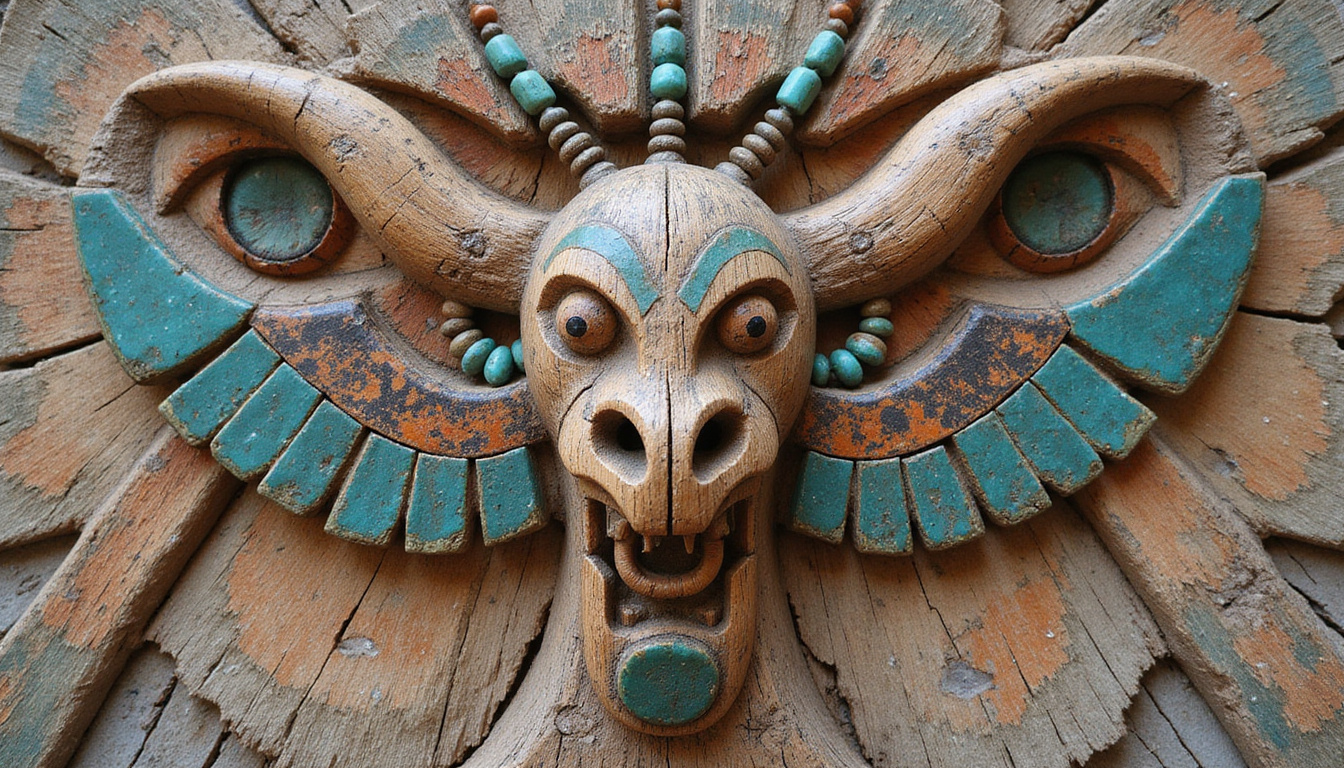
Birds: Messages from the Sky
While eagle stands out, other birds have distinct roles:
- Raven and Crow – Often associated with mystery, change, and sometimes trickster energy. In some Northwest Coast traditions, Raven is a creator and culture-bringer.
- Hawk – Linked with focus, observation, and warning. Hawks may symbolize a need to pay attention to details and patterns.
- Owl – Meanings vary widely: wisdom, night vision, or in some tribes, an omen of death or serious change. Owl symbolism is highly culture-specific, so caution is important.
Water Animals: Emotion, Depth, and Relationship
Fish, turtles, and other water beings often connect to life’s emotional and spiritual currents.
- Turtle – In multiple Eastern Woodlands nations, Turtle Island is a traditional name for North America. Turtle represents the earth itself, patience, and longevity.
- Salmon – In Pacific Northwest cultures, salmon symbolize perseverance, sacrifice, seasonal cycles, and the gift of life.
- Frog – Often defined as a rain-bringer, cleanser, and voice of the wetlands, embodying transformation and renewal.
Reptiles: Grounded Power and Survival
Reptiles can carry more ambivalent or complex meanings:
- Snake – Often connects to healing, transformation, and shedding old skin, but can also signal caution or danger. Context is key.
- Lizard – Linked with dreams, sun, and adaptability in some Southwestern traditions.
- Alligator / Crocodile – Where present, may represent ancient wisdom, primal power, or the boundary between water and land.
How Native American Animal Symbolism Is Used in Daily Life
For many Indigenous people, these symbols aren’t abstract ideas; they’re integrated into daily practice.
Common expressions include:
- Clan and family identity – Names, stories, and responsibilities passed down through animal clans.
- Art and regalia – Animal symbols in beadwork, carvings, basketry, clothing, and dance regalia reflect teachings and lineage.
- Ceremony and prayer – Animals may appear in songs, dances, and offerings as messengers, protectors, or embodiments of specific powers.
- Dream interpretation – Some traditions use the appearance of animals in dreams or visions as guidance, warnings, or invitations.
For non-Native learners, understanding that these symbols are living, sacred elements—not just “themes”—is crucial.
Respectful Ways to Learn from Animal Spirit Meanings
If you’re drawn to Native American animal symbolism, you can engage in a way that honors the cultures from which it comes.
Consider these respectful practices:
-
Recognize diversity
Learn about specific nations—Lakota, Navajo (Diné), Haudenosaunee, Anishinaabe, and many others—rather than treating “Native Americans” as one group. -
Seek Indigenous voices
Prioritize books, podcasts, and talks by Native scholars, knowledge keepers, and artists. The Smithsonian National Museum of the American Indian is a good starting point for vetted resources (source: Smithsonian NMAI). -
Avoid claiming titles you haven’t earned
Terms like “shaman,” “medicine person,” or particular clan identities are not self-appointed roles. -
Be careful with ceremony
Smudging, sweat lodges, and other rituals are sacred and often require specific teachings or community ties. Focus on listening and learning rather than copying. -
Honor animals in real life
Support conservation, respect habitats, and live in a way that reflects gratitude to the beings whose symbolism inspires you.
Simple Ways to Work with Animal Symbolism Personally
Without appropriating specific ceremonies, you can still learn from animal teachings in your own spiritual or reflective practice.
- Observe who shows up – Notice which animals you keep encountering—in nature, dreams, art, or stories. Reflect on what they represent and how that mirrors your life.
- Journal with questions – For example:
- Wolf: Where do I need more loyalty or better boundaries?
- Deer: Where could I choose gentleness over force?
- Bear: How can I protect my time for rest and introspection?
- Study one animal at a time – Learn its real-world behavior, habitat, and role in ecosystems. Often, the spiritual “meaning” is rooted in these concrete traits.
- Create your own respectful symbolism – Instead of claiming a “Native” ceremony, develop personal rituals—like drawing, writing, or meditating on an animal’s qualities.
This approach allows you to draw wisdom from animal symbolism while keeping clear boundaries around what is specifically Indigenous and ceremonial.
FAQ: Common Questions About Native American Animal Symbolism
1. What is Native American animal symbolism in simple terms?
Native American animal symbolism is the understanding that animals carry spiritual teachings and messages. Each creature—wolf, eagle, bear, coyote, deer, and many others—embodies certain qualities that can guide human behavior, often explained through tribal stories, ceremonies, and clan systems.
2. Do all tribes share the same Native American spirit animal meanings?
No. While some themes are widespread (like eagle symbolizing spiritual connection), every nation has its own language, stories, and ceremonial context. A coyote, owl, or snake can have very different meanings from tribe to tribe. Any guide to Native American animal symbolism is a general overview, not a universal rulebook.
3. How can I respectfully explore Native American animal spirit meanings if I’m not Indigenous?
Focus on learning from Indigenous authors and educators, acknowledge that teachings vary by tribe, and avoid presenting yourself as an expert or holder of ceremonies. Use animal symbolism as inspiration for personal reflection rather than claiming official Native rituals or titles. Supporting Native-led cultural and conservation projects is another meaningful way to honor the sources of this wisdom.
Understanding Native American animal symbolism invites you into a deeper relationship with the living world. Every wingbeat, pawprint, and ripple in the water can carry a story about courage, humility, balance, and connection—as long as you’re willing to listen with respect.
If these teachings speak to you, take the next step: choose one animal that keeps appearing in your life, learn about its behavior and its meanings in several Native traditions, and begin a daily practice of reflecting on how its qualities show up in your choices. As you do, remember to support Indigenous voices, protect the habitats these relatives rely on, and walk with the humility that turns symbolic knowledge into genuine wisdom.
Animals have inspired symbols and beliefs across cultures for centuries. Discover how these traditions connect with psychology, spirituality, and human consciousness at SpiritualMindScience.com.