Animal metaphors are some of the most vivid, memorable tools you can use to transform flat sentences into powerful, persuasive messages. From calling someone a “lone wolf” to describing a chaotic meeting as a “zoo,” animal metaphors instantly give your reader images, emotions, and expectations. Used well, they can sharpen your writing, clarify your ideas, and make your arguments far more convincing.
Below, you’ll learn how and why animal metaphors work, see practical examples you can borrow, and get specific tips for using them strategically in everything from essays and speeches to marketing copy and everyday communication.
Why Animal Metaphors Are So Powerful
Animal metaphors work because they tap into something almost everyone shares: a basic understanding of animals and their traits.
When you compare a person, brand, or idea to an animal, you’re not just decorating your language. You’re:
- Triggering mental images and emotions.
- Compressing complex traits into a single, vivid phrase.
- Guiding your reader’s judgment without sounding overtly judgmental.
Psycholinguistic research shows that metaphors can shape how people think about abstract concepts, influencing attitudes and decisions (source: American Psychological Association). Animal metaphors do this especially efficiently because they’re so concrete and familiar.
“Shark” feels different from “dolphin.”
“Eagle” feels different from “owl.”
Those differences let you steer perception without a long explanation.
The Two Main Types of Animal Metaphors
To use animal metaphors strategically, it helps to see the two big buckets they fall into:
1. Person Metaphors: Describing People as Animals
These animal metaphors compare people to animals to highlight character, mood, or behavior.
Examples:
- “He’s a workhorse—quiet, steady, and relentless.”
- “She turned into a tiger in that negotiation.”
- “Don’t be a sheep; think for yourself.”
Within this group, some common subtypes:
-
Positive traits
- Eagle – visionary, sharp-sighted
- Lion – brave, commanding
- Dolphin – intelligent, friendly, playful
- Ant – hardworking, organized
-
Negative traits
- Rat – untrustworthy, sneaky
- Snake – deceptive, dangerous
- Vulture – preying on the weak
- Sloth – lazy, unmotivated
-
Mixed traits (context-dependent)
- Wolf – dangerous predator or loyal pack member
- Fox – clever strategist or sly trickster
- Bull – strong and determined or stubborn and reckless
2. Situation Metaphors: Describing Events or Environments
Other animal metaphors describe a situation, system, or environment.
Examples:
- “The stock market is a bull today.”
- “That meeting was a hornet’s nest.”
- “The office turned into a zoo after the announcement.”
These metaphors quickly tell your audience if something is safe or risky, calm or chaotic, fair or predatory—without long explanation.
Classic Animal Metaphors (And How to Use Them)
To make this practical, here are some of the most common animal metaphors, what they suggest, and how to use them in persuasive writing.
The Lion: Courage, Leadership, Authority
- Meaning: Bravery, strength, command, nobility.
- Use when: You want to elevate someone’s status or inspire confidence.
Examples:
- “She led the crisis response like a lion, facing every challenge head-on.”
- “We don’t need more followers; we need lions willing to take responsibility.”
Persuasion tip: Use “lion” metaphors in motivational speeches, leadership profiles, and fundraising letters to suggest trust and courage.
The Wolf: Strategy, Independence, or Danger
- Meaning: Strategy, cunning, pack loyalty—or predatory danger.
- Use when: You want to highlight either sharp strategy or ruthless behavior.
Examples:
- Positive: “Our wolf pack of specialists moves as one to solve complex problems.”
- Negative: “If we ignore the warning signs, we’ll be surrounded by wolves in sheep’s clothing.”
Persuasion tip: In business or political writing, “wolf” metaphors let you frame someone as either a strategic ally or a looming threat.
The Snake: Deceit, Betrayal, Hidden Risk
- Meaning: Dishonesty, betrayal, stealth.
- Use when: You want to warn readers about hidden dangers or unethical behavior.
Examples:
- “Beware the snake who flatters you while planning their exit.”
- “On the surface, it seems safe, but there’s a nest of snakes in the fine print.”
Persuasion tip: Use this metaphor sparingly. It’s powerful, but overly harsh “snake” language can make your writing sound hostile rather than credible.
The Eagle: Vision, Clarity, High Standards
- Meaning: Vision, perspective, excellence, freedom.
- Use when: You want to emphasize visionary thinking or high standards.
Examples:
- “Our strategy team takes an eagle’s-eye view of the entire market.”
- “We need eagle-like focus on what really matters.”
Persuasion tip: Ideal for mission statements, branding copy, and future-focused essays about innovation or growth.
The Sheep: Conformity, Passivity, Groupthink
- Meaning: Blind following, lack of initiative.
- Use when: You want to challenge complacency or encourage independent thinking.
Examples:
- “Democracy fails when citizens act like sheep, not guardians.”
- “Stop being a sheep in meetings—speak your mind.”
Persuasion tip: This can be very effective in calls to action or opinion writing, but be careful not to insult your audience directly. Aim the “sheep” metaphor at a behavior, not the reader’s identity.
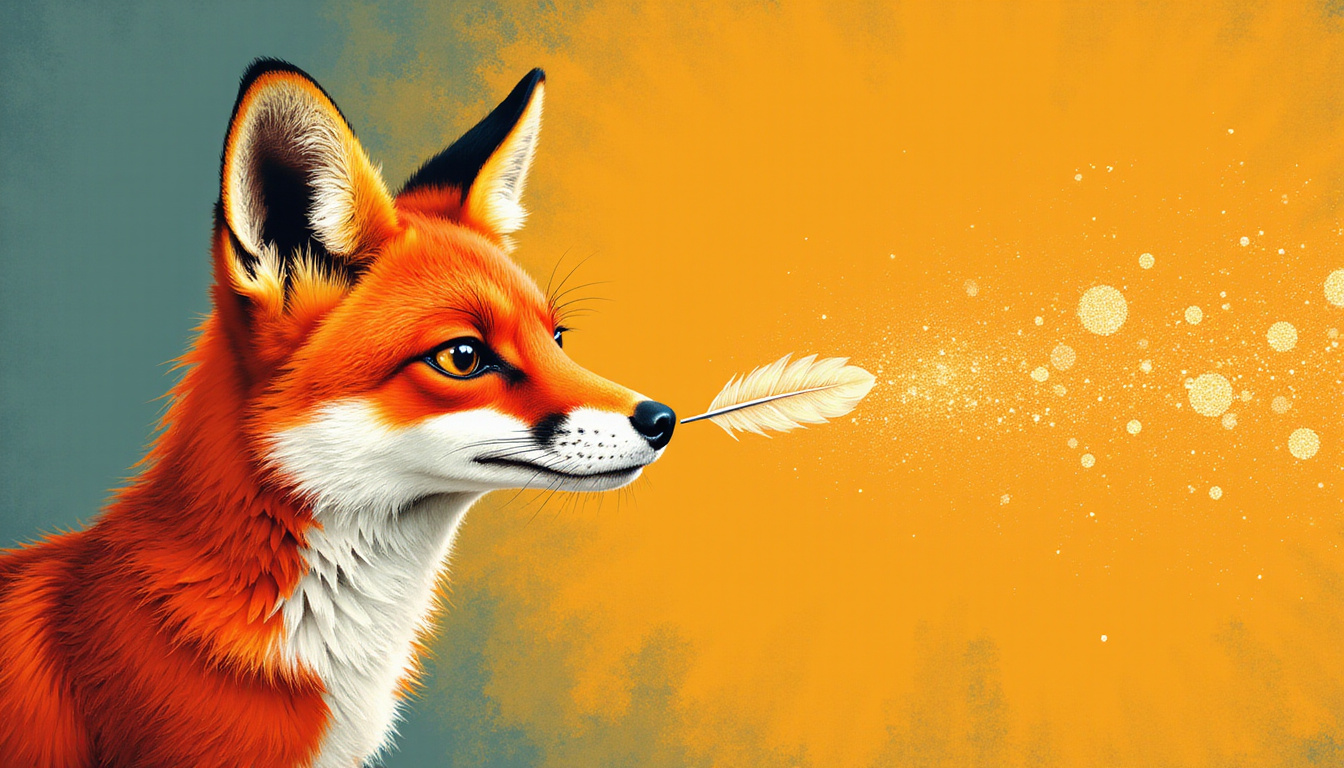
The Fox: Cleverness, Strategy, Subtlety
- Meaning: Intelligence, strategy, cunning.
- Use when: You want to highlight smart tactics—either admirable or sneaky.
Examples:
- “She’s a fox in negotiations: charming but incredibly sharp.”
- “You need to be a fox with your schedule if you want to protect your creative time.”
Persuasion tip: Fox metaphors work well in content about negotiation, competition, time management, or strategic planning.
How Animal Metaphors Supercharge Persuasion
Animal metaphors don’t just decorate your language—they change how your message is received. Here’s how they boost persuasion specifically:
1. They Make Abstract Ideas Concrete
“Organizational politics” is abstract.
“A snake pit of office politics” is concrete, emotional, and unforgettable.
The more vivid your idea, the easier it is to understand and remember.
2. They Build Instant Emotional Framing
Calling a competitor a “shark” frames them as aggressive and ruthless. Calling them a “workhorse” frames them as steady and reliable. In both cases, you’ve framed interpretation before any facts are discussed.
3. They Shorten Explanations
Instead of:
“Some investors aggressively buy undervalued companies in crisis, hoping to profit from recovery.”
You can write:
“These vulture investors swoop in when companies are weakest.”
One sharp metaphor can replace a full paragraph of explanation.
4. They Make You Sound More Confident
Clear metaphors signal confident thinking. When you can compare a complex issue to a familiar animal image, you sound like you deeply understand both the problem and the solution.
Practical Guidelines for Using Animal Metaphors Effectively
You don’t need to turn every sentence into a zoo. Strategic, selective use is what makes animal metaphors effective.
1. Match the Animal to the Exact Trait
Don’t pick an animal just because it “sounds cool.” Ask:
- What exact quality am I highlighting—strength, speed, stealth, loyalty, laziness, playfulness?
- Which animal most strongly represents that trait in my reader’s culture?
Some quick pairings:
- Speed: cheetah, hare
- Strength: ox, bull, bear
- Patience/steadiness: tortoise, elephant
- Chaos: zoo, swarm, stampede
- Harmony: flock, hive, school of fish (when coordinated)
2. Consider Tone and Culture
Animal symbolism varies widely across cultures and contexts. For example:
- Owls: wise in Western contexts; can have negative or death-related associations elsewhere.
- Dogs: loyal friends in some cultures; impure or low-status in others.
If you write for a global or diverse audience, favor metaphors with fairly universal meanings, like lion (courage), snake (danger), or ant (industriousness).
3. Use Sparingly for Maximum Impact
Too many animal metaphors crowded together feel gimmicky. Use them like spices, not the main dish.
- Aim for a few strong animal metaphors per article, speech, or sales page.
- Avoid mixing multiple animals in a single sentence unless you’re doing it intentionally for humor or contrast.
Weak:
“Our lion-hearted team of foxes, sharks, and eagles operates like a swarm of bees.”
Stronger:
“Our lion-hearted team faces tough markets with calm, eagle-eyed focus.”
4. Watch for Unintended Insults
When describing people, your metaphor can cross the line from vivid to offensive fast. Think about:
- Power dynamics (boss vs. employee, teacher vs. student).
- Sensitivities (e.g., calling a woman a “tigress” may sound sexist or objectifying in some contexts).
- Whether you’re critiquing behavior (safer) or identity (riskier).
Whenever possible, aim metaphors at actions, not entire people:
- Safer: “This policy turns workers into pack mules.”
- Riskier: “Our workers are pack mules.”
5. Evolve Old Clichés into Fresher Metaphors
Some traditional animal metaphors still work (“black sheep,” “top dog”) but can sound tired. Refresh them by:
- Adding a twist: “In a world of copycat cats, be the black swan.”
- Combining with modern contexts: “Don’t be a data ostrich—burying your head in dashboards and ignoring the real problem.”
Examples of Animal Metaphors in Different Types of Writing
To see how flexible animal metaphors can be, here are examples across contexts.
In Business and Marketing
- “Stop acting like a headless chicken when deadlines loom. Plan like an ant; execute like a cheetah.”
- “Our customer support isn’t a call center zoo—it’s a coordinated hive focused on your success.”
In Personal Essays and Storytelling
- “As a kid, I was the black sheep of the family: quiet, bookish, always wandering off to think.”
- “Grief arrived like a stray dog, following me from room to room, refusing to be ignored.”
In Speeches and Presentations
- “Right now, our industry is a shark tank. We can’t afford to swim like goldfish.”
- “Innovation doesn’t come from sheep obediently marching in line; it comes from wild horses testing the fence.”
Quick Reference List: Versatile Animal Metaphors
Here’s a compact list you can borrow from when you need fast inspiration:
- Lion – courage, leadership, dominance
- Tiger – fierce, aggressive, intense focus
- Eagle – vision, clarity, high standards
- Owl – wisdom, thoughtfulness, insight
- Fox – clever, strategic, sly
- Wolf – pack loyalty or dangerous predator
- Sheep – conformity, passivity
- Ant – diligence, teamwork, organization
- Bee – productivity, community, busyness
- Bull – strength, force, bullish optimism
- Bear – power, risk or downturn (e.g., bear market)
- Shark – ruthless, aggressive, predatory
- Dolphin – intelligence, warmth, playfulness
- Snake – deception, hidden danger
- Vulture – preying on the weak, opportunism
- Tortoise – patience, slow and steady progress
- Cheetah – speed, quick wins
FAQ: Using Animal Metaphors in Writing
1. What are some strong animal metaphors for leaders?
Powerful animal metaphors for leaders include lions (courage and command), eagles (clear vision and high perspective), and owls (wisdom and thoughtful judgment). Choose the animal that matches the specific kind of leadership—bold, visionary, or wise—that you want to emphasize.
2. How can I use animal metaphor examples in persuasive essays?
In persuasive essays, use animal metaphor examples to frame issues emotionally and concretely. For instance, describing unhealthy groupthink as a “herd of sheep” or exploitative systems as a “vulture culture” creates an instant emotional response that supports your argument and makes your point stick.
3. Are animal metaphors appropriate in professional or academic writing?
Yes—if used selectively and thoughtfully. In professional writing, animal metaphors like “eagle-eyed review” or “ant-like discipline” can add clarity and color without hurting credibility. In academic work, they can appear in introductions, conclusions, or public-facing explanations, while the core argument remains precise and technical.
Transform Your Writing with Strategic Animal Metaphors
Animal metaphors are far more than literary decoration. Used well, they:
- Turn vague ideas into sharp, visual images.
- Shape how your reader feels about people, policies, and choices.
- Make your arguments easier to grasp, remember, and repeat.
The key is intention. Match the animal to the exact trait you want to highlight, respect your audience’s context, and use these metaphors strategically rather than constantly.
If you want to supercharge your writing and persuasion, start by revisiting a draft you already have. Identify three dull, abstract sentences and replace them with precise animal metaphors that sharpen your point. With a little practice, you’ll find your prose becoming more vivid, memorable, and influential—one well-aimed metaphor at a time.
Animals have inspired symbols and beliefs across cultures for centuries. Discover how these traditions connect with psychology, spirituality, and human consciousness at SpiritualMindScience.com.