Zoomorphism in Branding: How Animal Traits Boost Customer Loyalty
Zoomorphism is everywhere in modern marketing, even if many customers don’t know the term. From the Twitter bird to the Lacoste crocodile, brands use animal forms and traits to tell powerful stories about who they are. Done well, zoomorphism in branding doesn’t just look cool—it can deepen emotional connection, clarify positioning, and significantly boost customer loyalty.
Below, we’ll explore what zoomorphism is, why it works so well in branding, and how you can use animal symbolism strategically to build a more loyal customer base.
What Is Zoomorphism?
Zoomorphism is the use of animal forms, traits, or symbolism to represent non-animal entities—like brands, products, or people. In branding and design, zoomorphism often shows up as:
- Logos that resemble animals
- Mascots or characters based on animals
- Product names inspired by animal species or behaviors
- Visual motifs (claws, wings, eyes) used in graphics and packaging
Unlike cartoons for children, zoomorphism in branding is typically intentional and strategic: each animal suggests specific attributes, such as strength (lion), agility (cheetah), loyalty (dog), wisdom (owl), or transformation (butterfly).
Why Zoomorphism Resonates So Strongly With Customers
Animal symbolism is one of the most ancient forms of storytelling. Across cultures and history, people have used animals to embody archetypes and values. That deep cultural memory is why zoomorphism is so effective for building brand affinity and loyalty.
1. Animals Convey Meaning Instantly
Customers make rapid judgments about brands—often in milliseconds—based primarily on visual cues (source: American Marketing Association). Animal-based logos and mascots tap into intuitive associations:
- Eagle → freedom, vision, high performance
- Bear → protection, resilience, solidity
- Dolphin → intelligence, playfulness, cooperation
- Fox → cleverness, adaptability
Because these associations are almost pre-loaded in our minds, zoomorphism shortens the time it takes for customers to “get” what you stand for.
2. Animals Trigger Emotional Responses
Emotional branding is at the heart of loyalty. Customers return not just because of rational benefits but because of how a brand makes them feel. Zoomorphism helps by:
- Humanizing abstract brands – a tiger mascot feels more relatable than a corporate monogram.
- Evoking warmth and care – pet- or baby-animal imagery suggests nurture and safety.
- Creating a sense of fun or play – quirky animal characters make brands feel approachable.
When customers emotionally identify with an animal’s traits, they’re more likely to project those positive feelings onto your brand.
3. Zoomorphic Mascots Become Long-Term Brand Assets
Some of the most enduring branding icons are zoomorphic: the Michelin Man (humanoid but creature-like), the Geico Gecko, the Energizer Bunny, the Lacoste crocodile. These characters:
- Anchor brand recognition across decades
- Adapt easily to new campaigns and media formats
- Provide a “face” that customers can remember, share, and talk about
Over time, this consistency and familiarity are key contributors to customer loyalty.
Common Animal Archetypes in Branding (and What They Signal)
Choosing the right zoomorphic symbol starts with understanding what different animals typically represent in consumers’ minds. While interpretations vary by culture, some broad patterns are widely recognized.
Power, Strength, and Leadership
- Lion – dominance, courage, royal leadership
- Bull – energy, power, bullish confidence (often in finance or sports)
- Tiger – ferocity, focus, raw strength
Brands in automotive, sportswear, fitness, and finance often use these to signal performance and leadership.
Speed, Agility, and Innovation
- Cheetah – speed, acceleration, lightness
- Falcon/Hawk – precision, vision, fast response
- Horse – stamina, motion, freedom
Tech, logistics, sports, and transportation brands frequently lean on these associations.
Trust, Safety, and Reliability
- Dog – loyalty, protection, companionship
- Bear – stability, guardianship, robustness
- Elephant – memory, wisdom, steady reliability
Ideal for insurance, banking, family services, and healthcare brands that want to feel trustworthy and caring.
Intelligence, Wisdom, and Learning
- Owl – knowledge, insight, education
- Dolphin – problem-solving, cooperation, friendliness
- Ant/Beaver – diligence, teamwork, industriousness
Widely used in education, consulting, software-as-a-service, and productivity tools.
Transformation, Sustainability, and Nature
- Butterfly – transformation, growth, beauty
- Bee – community, productivity, environmental harmony
- Turtle – longevity, patience, environmental responsibility
Popular among wellness, eco-friendly, and purpose-driven brands.
How Zoomorphism Builds Customer Loyalty
Zoomorphism isn’t just a stylistic choice; it directly influences loyalty by reinforcing how customers experience and remember your brand.
1. It Clarifies Your Brand Promise
Every strong brand makes a promise: what customers can expect every time they interact with you. A well-chosen animal metaphor can crystallize that promise visually.
- A husky-inspired outdoor-gear brand suggests endurance and teamwork in harsh conditions.
- A hummingbird-inspired fintech app implies nimble, lightweight, always-on service.
When customers understand your promise quickly and see it repeated consistently, they’re more likely to stay.
2. It Enables Storytelling Consistency Across Touchpoints
Zoomorphic branding provides a narrative backbone:
- On your website, you explain your “pack,” “pride,” or “hive.”
- In campaigns, you show how customers “unleash their inner lion” or “join the flock.”
- In service scripts, you reference values like “loyal as a dog” or “sharp-eyed as a hawk.”
This cohesive story builds familiarity, and familiarity is one of the strongest drivers of trust and repeat behavior.
3. It Encourages Community and Identity
Fans often like to identify with the animals their favorite brands embody. Consider:
- Sports teams with animal mascots: supporters wear the logo, chant the animal’s name, and adopt its traits as part of their identity.
- Outdoor or streetwear brands whose customers proudly display animal logos on clothing and gear.
When customers feel part of a “pride,” “pack,” or “school,” they’re more committed, forgiving of mistakes, and less price-sensitive.
4. It Improves Memorability and Recall
Humans remember visuals and stories better than abstract words. An animal-based logo is:
- Easier to recall in crowded marketplaces
- More distinct on shelves and in app stores
- More shareable in social media posts and memes
Better recall means customers think of you first when they have a relevant need—directly impacting repeat purchases and long-term loyalty.
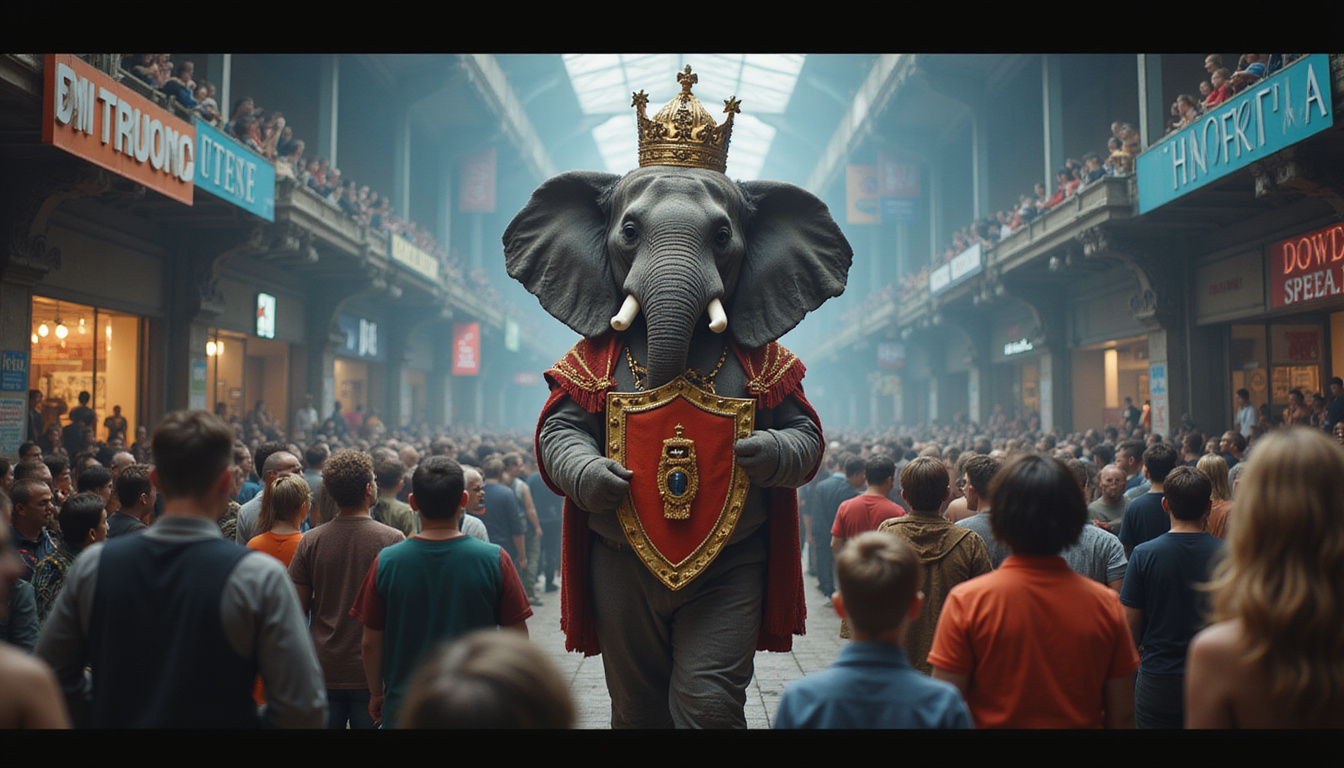
Strategic Steps to Use Zoomorphism in Your Brand
If you want to leverage zoomorphism effectively, treat it as a strategic decision, not just a design trend.
Step 1: Define Your Brand Personality and Values
Before choosing an animal, clarify:
- What tone do you want to project? (bold, nurturing, playful, expert)
- What are your three core brand values? (e.g., agility, reliability, creativity)
- How do you want customers to feel after interacting with you?
This foundation will guide which animal archetypes are genuinely aligned with your brand.
Step 2: Map Traits to Appropriate Animals
Create a shortlist of animals whose traits match your brand. For example:
- If your values are speed, precision, and freedom, consider: falcon, cheetah, swallow.
- If your values are care, patience, and stability, consider: elephant, turtle, golden retriever.
Remember to check for cultural differences if you operate globally; an animal seen as noble in one culture might carry negative connotations in another.
Step 3: Decide on the Expression of Zoomorphism
Zoomorphism can be subtle or overt. Options include:
- Literal mascot – a character used in ads, videos, events.
- Stylized logo – an abstract or geometric animal silhouette.
- Symbolic elements – wings, scales, claws, eyes in supporting graphics.
- Verbal identity – animal-related product names or taglines.
Choose the format that best suits your industry, audience expectations, and the seriousness or playfulness of your brand.
Step 4: Craft a Brand Story Around the Animal
Don’t just use the animal visually—tell customers why it represents you:
- Origin stories: “We chose the hummingbird because…”
- Value stories: “Like wolves, we believe in the strength of the pack.”
- Customer stories: “We help you unleash your inner panther on every project.”
This narrative layer is where zoomorphism truly starts to build loyalty.
Step 5: Ensure Consistency Across Channels
To make zoomorphism a loyalty driver rather than a gimmick:
- Use the same animal-driven style across web, packaging, social, and physical spaces.
- Train your team on the brand traits associated with the animal so behavior matches the imagery.
- Revisit your creative guidelines regularly to keep execution coherent as you expand touchpoints.
Consistency between your animal symbolism and real-world experience is what transforms customers into loyal advocates.
Common Mistakes to Avoid With Zoomorphic Branding
Zoomorphism is powerful, but it can backfire if handled carelessly.
-
Choosing an animal that clashes with your actual behavior
A “cheetah-fast” service that’s actually slow will feel deceptive and damage trust. -
Overly complex or aggressive imagery for the audience
A fierce predator might scare away family or wellness audiences who want calm and safety. -
Copying competitors’ animals
Using another brand’s well-established animal (especially in your category) dilutes differentiation and may cause confusion. -
Ignoring cultural, ethical, or environmental implications
Some animals are associated with taboo or negative stereotypes in certain regions; others may raise questions about conservation or animal welfare if used insensitively.
Examples of Zoomorphism Driving Loyalty (Conceptual)
While each industry is different, these scenarios show how zoomorphism can practically support long-term customer relationships:
-
Eco-cleaning brand with a bee motif
Emphasizes community, sustainability, and diligent “housekeeping.” Customers who care about the environment see their values reflected and stick with the brand. -
Cybersecurity firm with a hawk logo
Conveys vigilance, sharp vision, and rapid response. When customers experience proactive threat alerts and quick support, the hawk metaphor feels earned—reinforcing trust and renewals. -
Children’s banking app with a squirrel mascot
Teaches kids to “save like a squirrel,” tying saving habits to a friendly, relatable character. Families stay loyal because the animal persona helps kids understand and remember financial lessons.
Quick Checklist for Using Zoomorphism Strategically
Use this as a fast reference when developing or refining your animal-based branding:
- [ ] Does the chosen animal’s core traits genuinely match our brand values?
- [ ] Will our target audience see this animal as positive and relevant?
- [ ] Is our animal distinct from main competitors’ symbols?
- [ ] Have we defined a clear story explaining the zoomorphic choice?
- [ ] Is our visual execution simple enough for easy recall and reproduction?
- [ ] Do our product, service, and culture live up to the animal metaphor?
If you can honestly check all these boxes, zoomorphism can become a durable asset in your customer loyalty strategy.
FAQ: Zoomorphism in Marketing and Branding
Q1: What is zoomorphism in marketing, exactly?
In marketing, zoomorphism is the deliberate use of animal imagery, traits, or symbolism to represent a brand, product, or service. It might appear as animal logos, mascots, product names, or metaphor-rich language that links a brand to specific animal characteristics (speed, loyalty, strength, etc.).
Q2: How can zoomorphic branding improve customer loyalty?
Zoomorphic branding improves loyalty by making brands more memorable, emotionally engaging, and easy to understand. When customers connect with a brand’s chosen animal and feel that the brand consistently lives up to those traits, they develop trust and affinity, which lead to repeat purchases and stronger long-term relationships.
Q3: Is zoomorphism suitable for B2B brands, or only for consumer products?
Zoomorphism can be very effective in B2B as well as B2C, provided it’s aligned with the audience and category. A B2B cybersecurity firm might use a hawk or wolf pack to signal vigilance and teamwork, while a logistics provider might lean on horses or falcons to convey speed and reliability. The key is subtlety, professionalism in execution, and ensuring the animal metaphor reinforces—rather than undermines—credibility.
Harnessing zoomorphism thoughtfully can transform your brand from a faceless entity into a vivid, memorable presence that customers feel connected to. By choosing an animal that authentically reflects your values, crafting a clear story around it, and delivering experiences that live up to that metaphor, you can turn simple visual symbolism into a powerful engine of customer loyalty.
If you’re ready to explore zoomorphism for your own brand, start by mapping your core values to potential animal archetypes, then test concepts with your audience. Or partner with a brand strategist or design team experienced in animal symbolism to ensure your zoomorphic identity is both distinctive and deeply resonant. Your next loyal customer might just be waiting to join the pack, hive, or pride you create.
Animals have inspired symbols and beliefs across cultures for centuries. Discover how these traditions connect with psychology, spirituality, and human consciousness at SpiritualMindScience.com.