Insect symbolism weaves quietly through nearly every culture on earth, shaping myths, spiritual beliefs, and even how we interpret everyday encounters with bugs. Whether it’s a butterfly crossing your path, an ant trail in your kitchen, or a spider spinning a web in your window, these tiny creatures have long been viewed as messengers, omens, or guides.
This guide unpacks the deeper meanings of common insects, shows how different traditions interpret them, and offers practical ways to tune in when bugs show up in your life.
Why Insect Symbolism Matters
Insects outnumber humans by an astonishing margin, and they’re essential to our survival—pollinating crops, breaking down waste, and maintaining ecosystems. It’s no surprise that humans, noticing their persistence and mysterious habits, gave them symbolic roles in stories, rituals, and spiritual systems.
Across traditions, insect symbolism often centers on:
- Transformation and rebirth
- Hard work and cooperation
- Messages from the spiritual realm
- Warnings, protection, or blessings
- The cycles of life, death, and renewal
Understanding these themes can make everyday bug encounters feel less random and more like invitations to pay attention.
Common Insects and Their Spiritual Meanings
Let’s look at some of the most commonly encountered insects and how they’re symbolically understood in various cultures and spiritual frameworks.
Butterfly: Transformation and Soul Growth
The butterfly may be the most universally recognized symbol of transformation. Its life cycle—from egg to caterpillar to chrysalis to butterfly—mirrors personal and spiritual evolution.
Symbolic meanings:
- Transformation and rebirth
- Emergence from a difficult period
- The soul or spirit (in Greek, “psyche” means both “soul” and “butterfly”)
- Lightness, joy, and freedom
Across many cultures, butterflies are seen as messengers from the spirit world or manifestations of departed loved ones, especially when they appear repeatedly or at emotionally significant times.
Moth: Shadow Work and Inner Guidance
Often considered the butterfly’s nocturnal counterpart, moth symbolism is more about the inner world than the outer.
Symbolic meanings:
- Attraction to inner or hidden truths (flying toward the light)
- Shadow work and confronting what’s buried
- Sensitivity, subtlety, and intuition
- Faith and persistence in darkness
If moths keep appearing, it may invite you to examine what you’re drawn to—even if it seems risky—or to face unresolved emotions in the dark corners of your psyche.
Bee: Community, Work, and Sweet Rewards
Bees are essential pollinators and have been venerated in many cultures for millennia. They embody the balance between work and reward.
Symbolic meanings:
- Community, cooperation, and teamwork
- Hard work and diligent effort
- Sweetness, abundance, and productivity
- Sacred feminine and the “Queen” energy
In ancient Greece, bees were linked to the priestesses of Demeter and Artemis, known as “Melissae” (honey bees). Seeing bees can remind you to balance your individual needs with your community and to pour focused effort into what truly matters.
Ant: Discipline, Patience, and Long-Term Vision
Ants are small but mighty, demonstrating impressive cooperation and planning. They appear in folklore and proverbs worldwide as models of perseverance.
Symbolic meanings:
- Patience and strategic planning
- Collective strength—power in numbers
- Humility and staying grounded
- Building for the future, not just today
Recurring ant encounters can serve as a nudge to organize your life, think long-term, or lean on your network rather than going it alone.
Spider: Creation, Fate, and Weaving Your Story
Although not technically an insect (it’s an arachnid), spider symbolism is so powerful that it’s almost always included in conversations about insect symbolism.
Symbolic meanings:
- Creation and creativity (weaving the web)
- Fate, destiny, and “threads” of life
- Patience and strategy—waiting in one’s web
- Feminine power and ancient wisdom
In many Native American traditions, the spider is a creator figure and teacher. Seeing spiders or webs can be a reminder that you’re co-creating your life—every action is a thread in your larger story.
Dragonfly: Change, Insight, and Emotional Maturity
Dragonflies spend most of their lives underwater as nymphs, only later emerging to fly. This hidden phase makes them a powerful symbol of evolution and emotional depth.
Symbolic meanings:
- Change, adaptability, and moving through life stages
- Emotional maturity and self-awareness
- Illusion versus truth (their iridescence shifts with the light)
- Living fully in the present moment
In Japanese culture, dragonflies represent courage and happiness. In many modern spiritual circles, they’re seen as signals to embrace change and see beyond surface appearances.
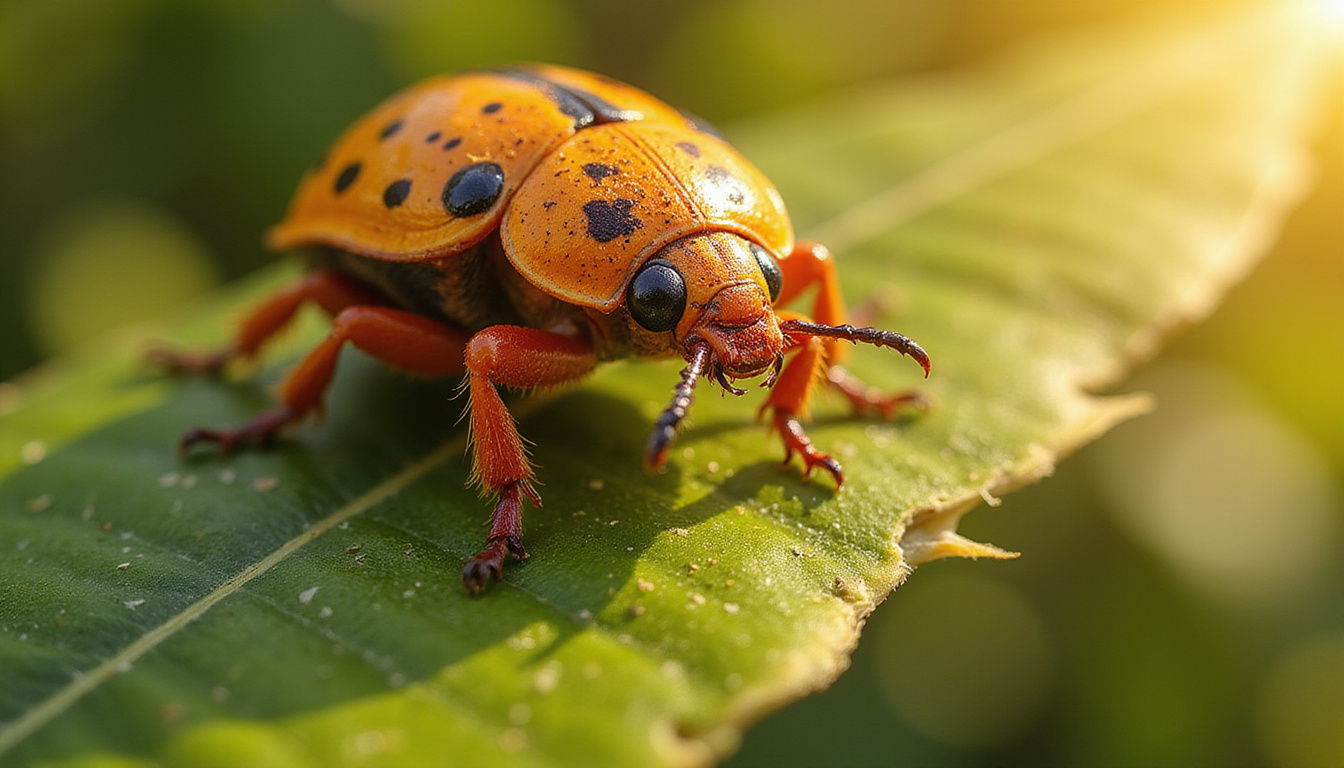
Ladybug: Luck, Protection, and Gentle Joy
Ladybugs have long been considered good-luck charms, especially in European folklore.
Symbolic meanings:
- Good fortune and blessings
- Protection of crops, gardens, and “harvests”
- Childlike joy and innocence
- Wishes coming true (making a wish before they fly away)
Frequent ladybug sightings are often interpreted as reassurance—things are working out behind the scenes, even if you can’t yet see how.
Fly: Persistence, Annoyance, and Necessary Decay
Flies are usually unwelcome, but from a symbolic perspective, they play an important role.
Symbolic meanings:
- Persistence (they keep coming back)
- Annoyances you’re ignoring
- Decay and the need to clear out what’s rotting
- Boundaries and energetic protection
A house suddenly full of flies can be read symbolically as a signal to cleanse your environment—physically, emotionally, or even relationally.
Cultural Perspectives on Insect Symbolism
Different cultures interpret insect symbolism through their own spiritual lenses, yet striking patterns emerge across time and geography.
Ancient Egypt
- Scarab beetle: Symbol of rebirth, protection, and the rising sun god Khepri. Scarab amulets were placed over the heart of mummies as a charm for safe passage into the afterlife.
- Bees: Associated with royalty and the “Tears of Ra,” representing order and divine authority.
Indigenous Traditions of the Americas
- Butterflies: Messengers from ancestors or spirits, often tied to seasonal changes and migration.
- Spiders: In some tribes, Spider Grandmother is a creator and teacher, representing storytelling and the web of life.
These perspectives emphasize kinship with nature, where insects are not “pests” but relatives and teachers.
East Asian Symbolism
- China: Crickets symbolize luck and vitality; cicadas represent immortality and spiritual rebirth.
- Japan: Dragonflies are symbols of courage, strength, and joy; fireflies are linked with fleeting life and the souls of warriors.
Western Folklore and Christianity
- Locusts: Often seen as divine warnings or symbols of judgment in biblical texts.
- Bees: In medieval Christianity, bees were models of an ideal monastic community—diligent, ordered, and harmonious.
These examples highlight how insect symbolism can reflect broader religious and moral values.
Everyday Encounters: How to Interpret Insect Symbolism in Your Life
Not every bug you see is a sign, but repeated or unusual encounters can feel meaningful. Instead of jumping to conclusions, use a grounded, reflective approach.
Here’s a simple method:
-
Notice the pattern
- Has this insect appeared multiple times recently?
- Was the timing or place unusual (e.g., indoors in winter, or during a significant event)?
-
Observe your reaction
- What emotion did you feel first—fear, curiosity, joy, annoyance?
- Your reaction can reveal what aspect of its symbolism is most relevant.
-
Connect the timing
- What’s happening in your life right now—transitions, conflicts, decisions?
- For example, butterflies during a career change may highlight transformation; ants might appear during a move or big project.
-
Research, then reflect
- Read about that insect’s symbolic meanings across cultures.
- Journal about what resonates and what doesn’t. Your intuition matters more than any fixed “dictionary” of meanings.
-
Translate insight into action
- If bees keep showing up, where can you be more focused or collaborative?
- If spiders appear, what are you actively creating or weaving in your life?
This approach keeps insect symbolism grounded and personal, rather than superstitious.
Psychological and Ecological Foundations of Insect Symbolism
Insect symbolism isn’t just mystical; it also reflects how deeply insects shape our physical and psychological realities.
- Ecologically, insects are indispensable: pollinators like bees and butterflies support most flowering plants and a large portion of global food production (source: FAO/UN). Detritivores like beetles and flies recycle nutrients and prevent ecosystems from collapsing under waste.
- Psychologically, their small size, swarming behavior, and alien appearance trigger deep emotions—wonder, fear, disgust, or fascination. Myths and symbols emerge as cultures try to make sense of these powerful responses.
Understanding both dimensions can help you appreciate insect symbolism without losing touch with science or reality.
Practical Ways to Work with Insect Symbolism
If you feel drawn to explore insect symbolism more intentionally, try integrating it into your spiritual or reflective practices:
- Journaling: Keep a “signs and symbols” journal where you note insect encounters, dates, emotions, and any insights.
- Meditation: Visualize the insect that’s been appearing and ask, “What are you here to teach me?” Notice images, words, or feelings that arise.
- Art and creativity: Paint, draw, or write about the insect and its qualities. This can help you embody its lessons—like the bee’s focus or the dragonfly’s adaptability.
- Altars and tokens: Place a small figurine, drawing, or ethically sourced object (like a molted dragonfly wing you found) in a special place as a reminder of your intention.
- Nature connection: Watch insects in their natural habitats. Observing real behavior often reveals symbolic parallels—like ants cooperating, bees dancing, or spiders patiently rebuilding webs.
Quick Reference: Symbolic Meanings of Common Insects
Use this list as a starting point, not a rigid rulebook:
- Butterfly – transformation, rebirth, the soul
- Moth – inner guidance, shadow work, attraction to truth
- Bee – hard work, community, abundance
- Ant – discipline, planning, collective strength
- Spider – creation, fate, weaving your own story
- Dragonfly – change, emotional maturity, seeing through illusion
- Ladybug – luck, protection, gentle joy
- Fly – persistence, dealing with decay, boundaries
- Cicada – cycles, resurrection, long-hidden potential
- Grasshopper/Cricket – leaps of faith, music, and intuition
FAQ: Insect Symbolism and Spiritual Meanings
Q1: What does it mean when insects keep appearing around me?
Recurring insect symbolism often points to a theme your subconscious or intuition wants you to notice—such as transformation (butterflies), hard work (bees or ants), or creativity (spiders). Look for patterns in timing, location, and your emotional response, then connect them to whatever you’re currently navigating in life.
Q2: Is insect spiritual symbolism the same in every culture?
Not exactly. While some themes repeat—like butterflies symbolizing transformation or bees representing community—interpretations differ by culture, religion, and time period. When exploring spiritual insect symbolism, it helps to look at multiple traditions and then decide what resonates most personally for you.
Q3: How can I tell if an insect encounter is a sign or just random?
There’s no universal rule. Many people look for:
- Repetition (the same insect appearing multiple times)
- Unusual behavior or timing
- Strong emotional impact
Use insect symbolism as a reflective tool rather than a rigid prediction. The value lies in the insight you gain, not in assigning absolute meaning to every bug that crosses your path.
Everyday bugs are more than background noise in our environment—they’re woven into humanity’s deepest stories about life, death, growth, and connection. When you start paying attention to insect symbolism, the world becomes more layered, rich, and responsive.
If you’re feeling called to decode the messages behind your own bug encounters, begin today: note the next insect you see, explore its traditional meanings, and ask yourself what part of that message you most need right now. Over time, you’ll develop a personal symbolic language that turns ordinary moments into opportunities for insight, healing, and change.
Animals have inspired symbols and beliefs across cultures for centuries. Discover how these traditions connect with psychology, spirituality, and human consciousness at SpiritualMindScience.com.