Thyme is one of those herbs most people sprinkle on roasted potatoes and then forget about. But this tiny, fragrant leaf can do far more than flavor dinner. From natural cleaning to stress relief and skin care, thyme has an impressive range of science-backed benefits that can transform both your home and your health.
Below are 10 surprising thyme hacks you can start using today, plus practical tips to get the most from every sprig.
1. Turn thyme into a powerful natural cleaner
Thyme contains thymol, a compound with proven antimicrobial properties that can help fight bacteria, mold, and some viruses (source: National Institutes of Health). That makes it a smart base for a DIY all-purpose cleaner.
How to make a thyme cleaning spray
- Add 1 cup of fresh thyme (or 2–3 tbsp dried) to a heatproof jar.
- Pour 1 cup of nearly boiling white vinegar over the herb.
- Cover and steep 24 hours, then strain.
- Dilute 1:1 with water in a spray bottle.
- Optional: add 10–15 drops thyme essential oil for extra strength.
Use this on:
- Kitchen counters (avoid natural stone like marble)
- Sinks and faucets
- Garbage can interiors
- Doorknobs and high-touch areas
Always patch-test on a small area first, especially on finished wood or delicate surfaces.
2. Make a soothing thyme steam for coughs and congestion
Thyme has traditionally been used to relieve coughs and respiratory discomfort. Its volatile oils can help loosen mucus and may have a mild antispasmodic effect on the airways.
Simple thyme steam
- Boil 4 cups of water and pour into a large bowl.
- Add a small handful of fresh thyme sprigs or 2 tbsp dried thyme.
- Let it steep for 2–3 minutes.
- Place your face about 8–10 inches above the bowl, drape a towel over your head, and inhale the steam for 5–10 minutes, breathing through your nose and mouth.
This can feel especially helpful during cold and allergy season. Avoid if you have asthma that’s triggered by steam or strong scents, and keep hot water well away from children.
3. Brew thyme tea for digestion and immunity
Thyme tea is an easy daily ritual that gives you gentle support for digestion and immune function.
Basic thyme tea recipe
- 1–2 tsp dried thyme (or 2–3 sprigs fresh)
- 1 cup just-boiled water
- Steep 8–10 minutes, covered
- Strain and sweeten with honey or lemon if desired
Potential benefits people use thyme tea for:
- Mild digestive discomfort (gas, bloating after meals)
- Soothing sore throats
- Gentle immune support in colder months
If you’re pregnant, have chronic conditions, or take regular medications, talk to a healthcare professional before drinking large amounts of any medicinal herb, including thyme.
4. Use thyme as a natural food preservative
Because thyme has antimicrobial and antioxidant compounds, it can help slow spoilage and enhance food safety, especially in marinades and dressings.
Ways to use thyme to keep food fresher longer
- Add fresh or dried thyme to marinades for meat, fish, and poultry.
- Mix chopped thyme into olive oil and brush onto grilled vegetables.
- Add a sprig of thyme to homemade pickles and brines.
- Incorporate thyme into compound butters you freeze and slice later.
Besides flavor, these small additions help create an environment that’s less friendly to some bacteria when combined with proper refrigeration and food safety practices.
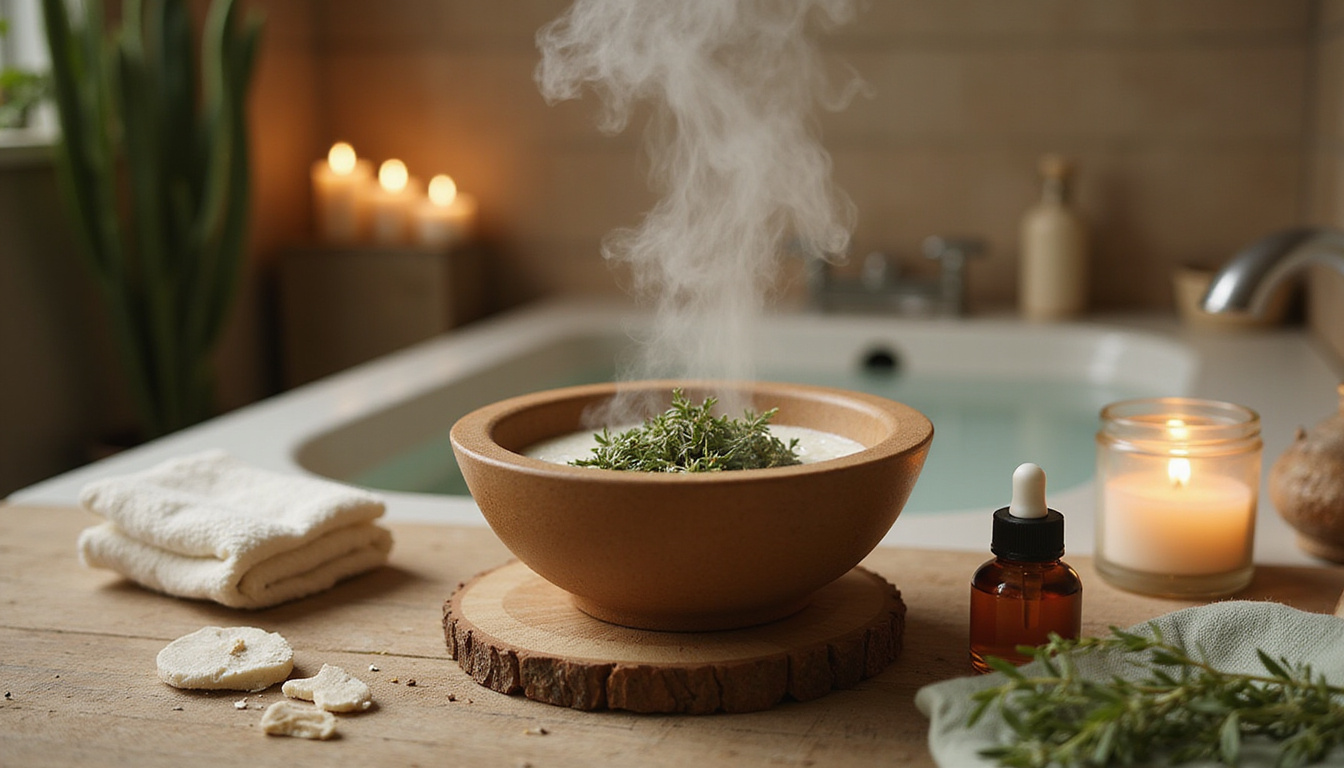
5. Freshen indoor air with thyme simmer pots
Instead of synthetic air fresheners, you can use thyme to naturally scent and refresh your home.
Stovetop thyme simmer pot
- Fill a small pot halfway with water.
- Add a handful of fresh thyme or 1–2 tbsp dried thyme.
- Optional: add lemon slices, orange peels, or a cinnamon stick.
- Bring to a gentle simmer and let it steam on low heat, topping up water as needed.
This releases a clean, herbal aroma that can help neutralize kitchen or pet smells. Never leave a simmer pot unattended on the stove.
6. Soothe skin with a diluted thyme rinse
Thyme’s antimicrobial and antioxidant properties make it a helpful component in simple DIY skin rinses, especially for oily or blemish-prone areas—if used with care.
Thyme facial or scalp rinse
- Steep 1 tbsp dried thyme in 1 cup just-boiled water for 15 minutes.
- Cool completely, then strain.
- Use as a final rinse after cleansing your face or washing your hair.
- Pat dry; don’t rinse off with plain water.
Tips:
- Always patch-test a small area (e.g., behind the ear) for 24 hours first.
- Use 2–3 times per week, not daily, to avoid irritation.
- If skin becomes red, itchy, or tight, discontinue use.
People sometimes find thyme rinses useful on oily scalps or areas with occasional breakouts. For persistent skin issues, consult a dermatologist.
7. Repel pests and insects, indoors and out
Many insects dislike the strong scent of thyme. While it’s not as potent as commercial repellents, it can be a helpful, natural part of your pest management toolkit.
How to use thyme against pests
- Plant thyme near doors, patios, and outdoor seating areas to discourage mosquitoes and some insects.
- Toss a bundle of dried thyme into closets or drawers to help deter moths (replace every few months).
- Make a light spray:
- 1 cup water
- 1 tsp mild liquid soap
- 15–20 drops thyme essential oil
- Shake well and lightly mist window frames, doorways, and outdoor furniture.
Avoid spraying directly on skin or pets, and keep essential oils away from cats and small animals; many are sensitive to concentrated plant oils.
8. Create a DIY thyme-infused oil for cooking and care
Thyme-infused oil is versatile in the kitchen and can be used (with caution) for simple topical applications.
Thyme-infused oil (cold method)
- Thoroughly dry fresh thyme (or use dried thyme); moisture can cause spoilage.
- Pack a clean, dry jar halfway with thyme.
- Cover fully with a neutral oil (olive, avocado, or grapeseed).
- Seal and store in a cool, dark place for 2–3 weeks, shaking daily.
- Strain through a fine sieve or cheesecloth; label and refrigerate. Use within 1–2 months.
Uses:
- Drizzle on roasted vegetables, grilled bread, or salads.
- Brush onto chicken or fish before roasting.
- Lightly massage into clean, intact skin for an aromatic, herbal body oil (patch-test first).
Never use infused oils on broken skin, and be cautious if you have sensitive or allergy-prone skin.
9. Calm your mind with thyme aromatherapy
The scent of thyme can be uplifting yet grounding, making it a great option for simple at-home aromatherapy.
Easy ways to use thyme for relaxation
- Add a few drops of thyme essential oil to a diffuser, blended with citrus or lavender.
- Tie a small muslin bag filled with dried thyme to your showerhead so steam passes through it.
- Keep a small jar of dried thyme on your desk; open and inhale deeply during stressful moments.
Stick to low concentrations with essential oil—1–3 drops in a diffuser is usually enough. Avoid undiluted essential oil on skin, and don’t ingest essential oils unless under professional guidance.
10. Grow a low-maintenance thyme “medicine garden”
One of the best thyme hacks is simply to grow it yourself. This herb is tough, drought-tolerant, and ideal for beginners.
How to grow thyme at home
- Light: Needs full sun (at least 6 hours/day).
- Soil: Well-draining soil; thyme dislikes wet feet.
- Water: Let the top inch of soil dry between waterings.
- Pruning: Trim regularly to encourage bushy growth and prevent woody stems.
- Containers: Thrives in pots on balconies, windowsills, or small patios.
With a few healthy plants, you’ll have a constant supply for cooking, tea, cleaning recipes, and home remedies—all from one compact herb.
Quick-start checklist: easy thyme hacks to try this week
If you want to start small, pick 2–3 of these:
- Brew thyme tea after heavy meals.
- Make a thyme-vinegar cleaning spray for the kitchen.
- Simmer thyme with citrus peels to freshen indoor air.
- Plant a pot of thyme near your front door or on a sunny windowsill.
- Prepare a thyme steam bowl when you feel stuffed up.
Consistent, small uses add up to big benefits over time.
FAQ about thyme and its everyday uses
1. What is thyme good for besides cooking?
Beyond flavor, thyme is used for DIY natural cleaners, simmer pots to freshen air, simple skin rinses, supportive herbal teas, pest repellent sprays, and aromatherapy blends. Its antimicrobial and aromatic properties make it valuable in many home and wellness routines.
2. Can I drink thyme water or thyme tea every day?
Many people safely enjoy a cup of thyme tea daily in culinary amounts. However, if you’re pregnant, breastfeeding, taking medications, or have chronic conditions, check with a healthcare provider before making thyme infusions a daily therapeutic habit.
3. Is thyme essential oil the same as fresh thyme?
No. Thyme essential oil is a highly concentrated extract of the plant’s volatile compounds. It’s much stronger than fresh or dried thyme and must be diluted properly for topical use. Essential oil should never be used in the same quantities—or ways—as the whole herb.
Thyme might seem humble, but behind that familiar kitchen scent is a potent multitasker that can upgrade your cleaning routine, calm your mind, support your body, and even protect your pantry. You don’t need to adopt every thyme hack at once; start with one or two that fit your life and expand from there.
If you’re ready to make your home more natural, efficient, and health-supportive, add thyme to your next shopping list—or better yet, plant a small pot today. With just a few sprigs, you’ll have everything you need to transform everyday moments into simple, powerful wellness rituals.
Throughout history, many plants and herbs have been associated with luck, protection, and prosperity. To explore their deeper spiritual, psychological, and scientific significance, visit SpiritualMindScience.com.